-
Events
-
Festival of Speed
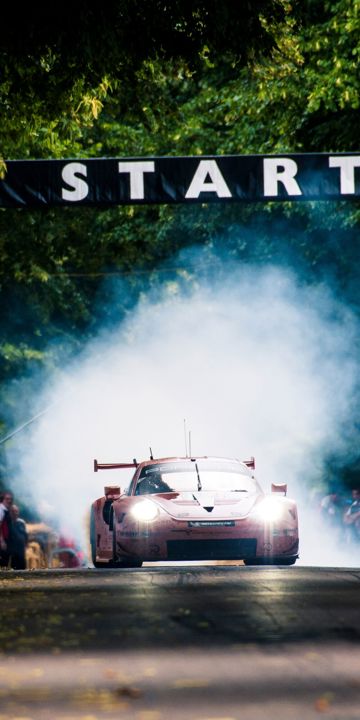

Have you visited our Forest Rally Stage?
From 2005 to present there has been a demonstration area for the rally cars at the top of the hill
-
Goodwood Revival
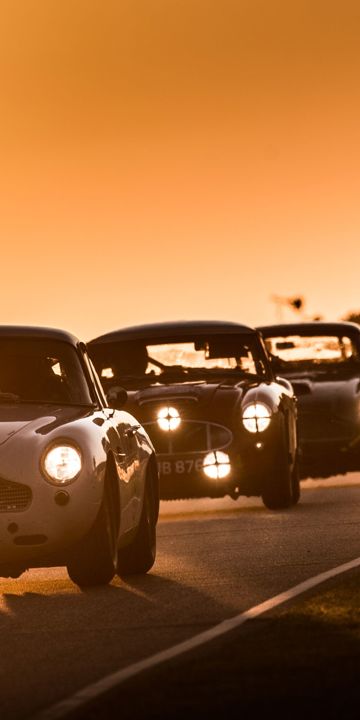

Spectators Favourite
Spectate from the chicane at the Revival to see plenty of classic cars going sideways as they exit this infamous point of our Motor Circuit.
-
Members' Meeting
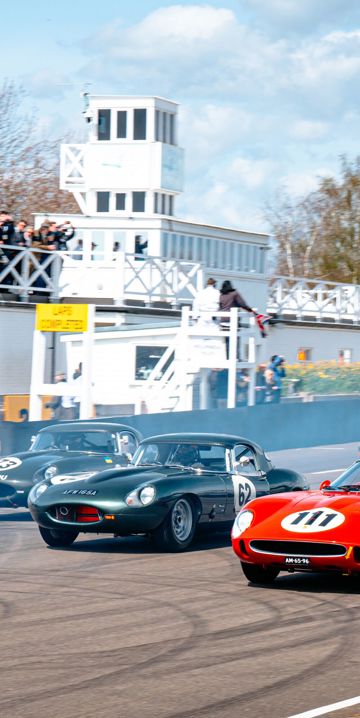

More than motorsport...
Ferret racing and duck herding are two of the many off-track activities at Members' Meeting -
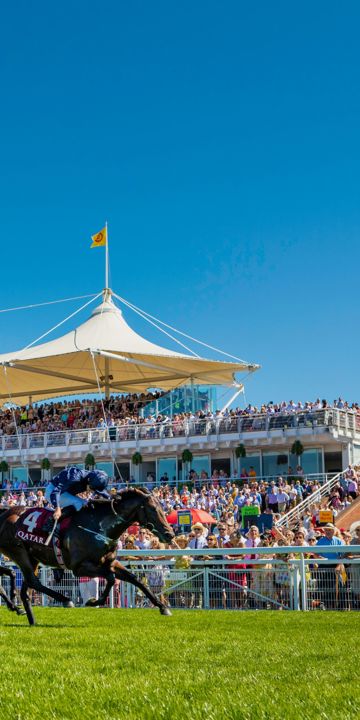
Qatar Goodwood Festival
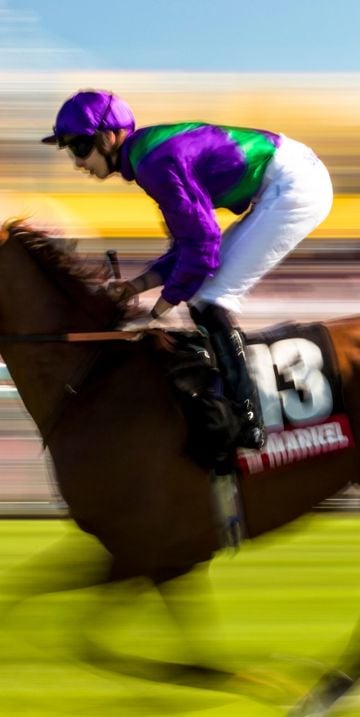

"Glorious Goodwood"
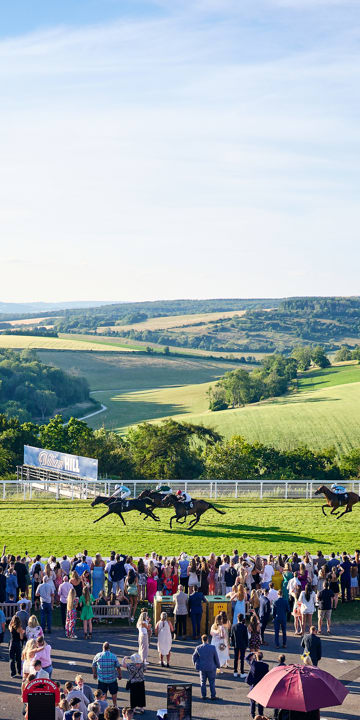
The first public race meeting took place in 1802 and, through the nineteenth century, ‘Glorious Goodwood,’ as the press named it, became a highlight of the summer season
-
Goodwoof
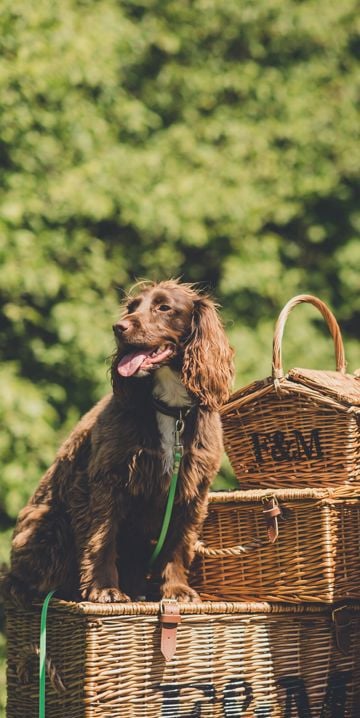

Start in style
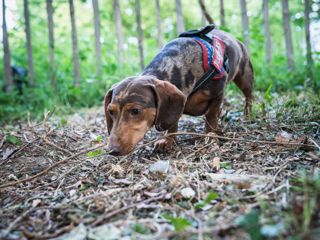
The breed parade sees hundreds of dogs and their owners walk from Goodwood House down to The Kennels to kick start the Goodwoof weekend. -
Horseracing
-
Season Opener
-
May Festival
-
Family Race Day
-
Three Friday Nights
-
August Bank Holiday
-
Autumn Racing
-
Season Finale
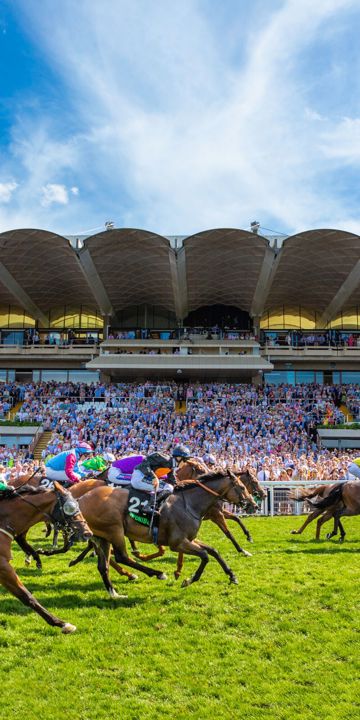

Why does everyone wear hats?
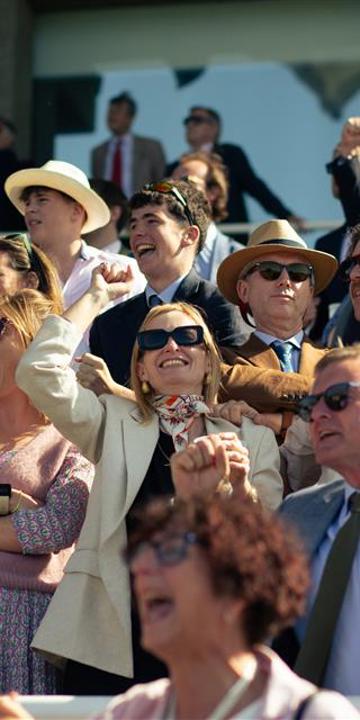
One Summer, King Edward VII turned his back on the traditional morning suit, and donned a linen suit and Panama hat. Thus the Glorious Goodwood trend was born.
-
Season Opener
-
Breakfast Club
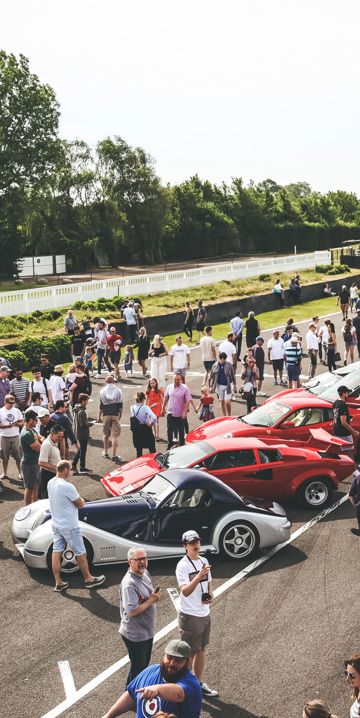

A perfect Sunday morning?
A no-cost, all-welcome motoring show where the visitors and their machines are the stars -
Health Summit
-
Hospitality
-
Exhibiting
-
Partnerships
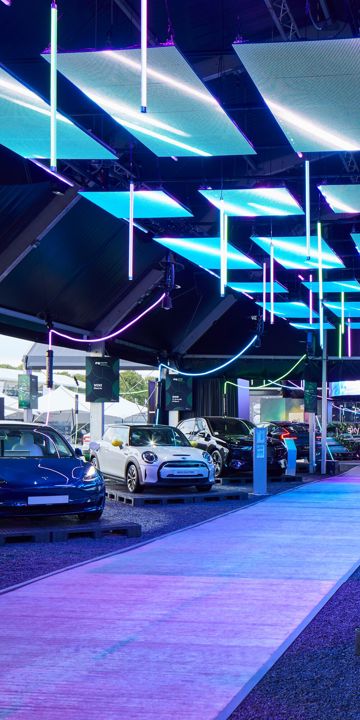

Where else can you...
...plan strategy in an ancient woodland, enjoy award-winning dining then drive around a racetrack?
-
What's on
-
Festival of Speed
-
Visit, Eat, Stay
-
The Goodwood Hotel
-
Rooms
-
Contact Us
-
Christmas
-
New Year's Eve
-
Weddings
-
Kids Activities
-
Offers
-
Local Attractions
-
Plan your stay
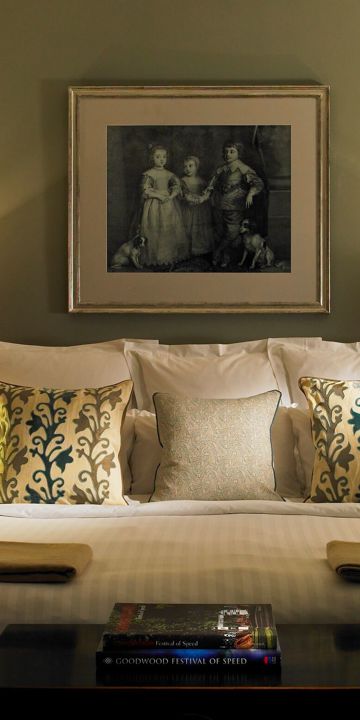

Egyptian Dining Room
Testament to the 19th-century fascination with ancient Egypt and decorative opulence. The room is richly detailed with gilded cartouches, sphinxes, birds and crocodiles.
-
Rooms
-
Goodwood Cottages


Carne's Seat
Just beyond Goodwood House along the Hillclimb, the 2nd Dukes banqueting house was also known as "one of the finest rooms in England" (George Vertue 1747).
-
Goodwood House
-
Afternoon Tea & Tour
-
The Collection
-
Exhibitions
-
History
-
Weddings
-
Copper Dome Restoration
-
Secrets of a Radical Duke Talk by Professor Danielle Allen

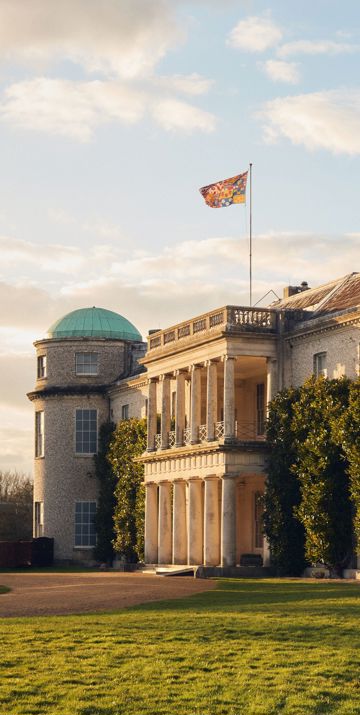
Scottish Heritage
The Gordon Tartan has been worn by the Dukes and Duchesses over the last 300 years.
-
Afternoon Tea & Tour
-
Restaurants
-
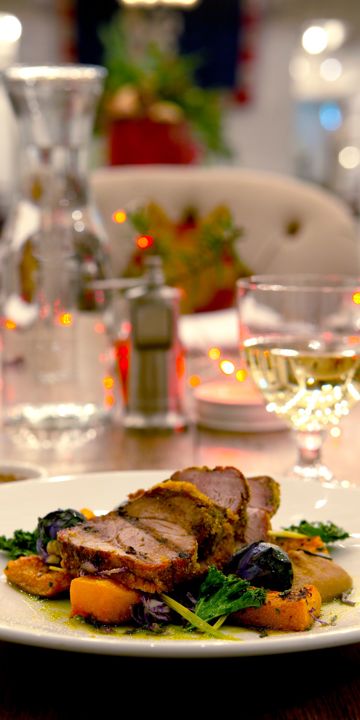
Farmer, Butcher, Chef
-
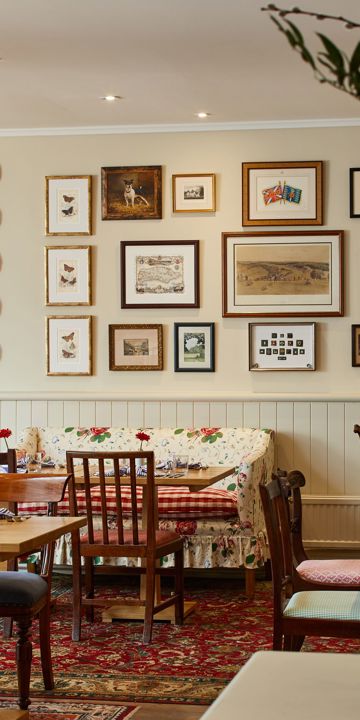
The Goodwood Bar & Grill
-
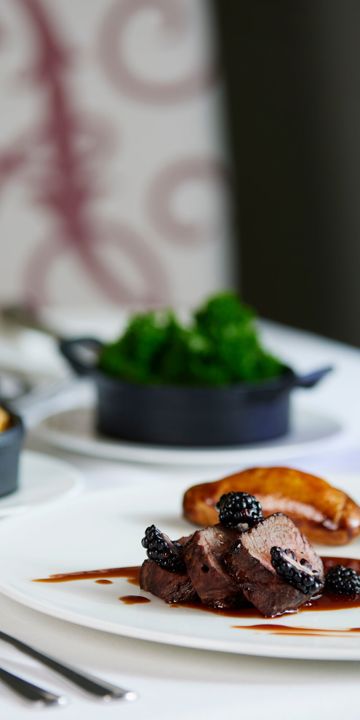
The Kennels
-
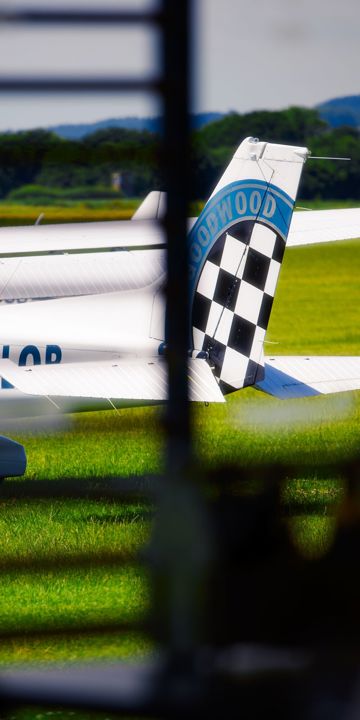
Aerodrome Café
-
Motor Circuit Café

-
Cafe 24
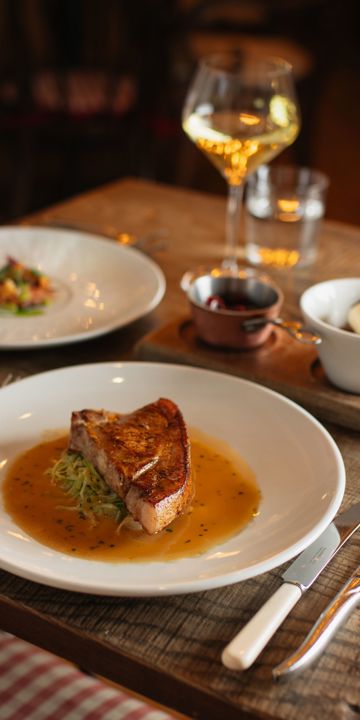

Sustainable state-of-mind
When Farmer, Butcher, Chef opened in 2016 it was awarded the UK’s first-ever Royal Academy of Culinary Arts ‘Sustainable Food Philosophy Seal’. -
Farmer, Butcher, Chef
-
The Kennels
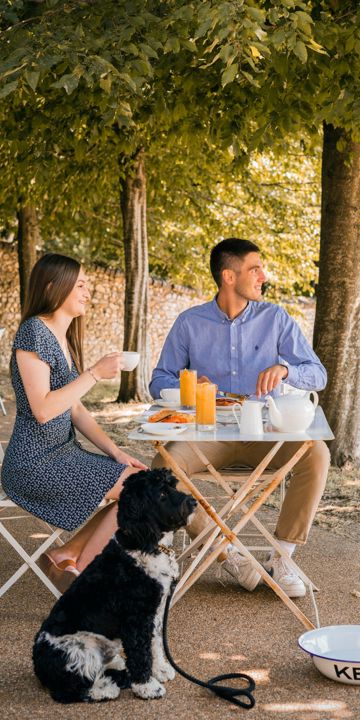

An exclusive clubhouse
As the private clubhouse for all of the Estate’s sporting and social members, it offers personal service and a relaxed atmosphere
-
Motor Circuit
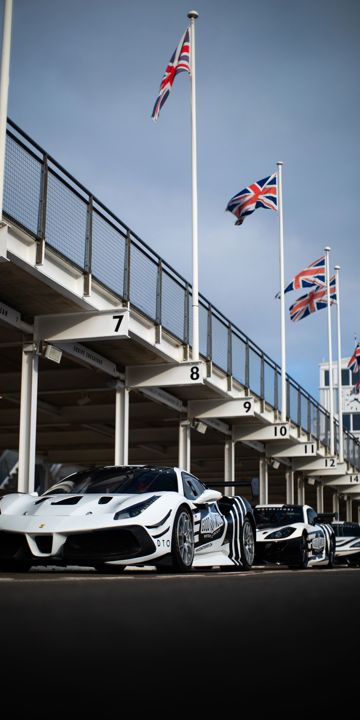

"Mr Goodwood"
Sir Stirling Moss was one of the founding patrons of the Festival of Speed, and a regular competitor at the Revival.
-
Health & Wellbeing
-
Membership
-
Health Club
-
Gym
-
Run Series
-
Spa Treatments
-
Wellness Retreats
-
Events Calendar
-
Corporate Wellbeing
-
Health Summit
-
Latest News

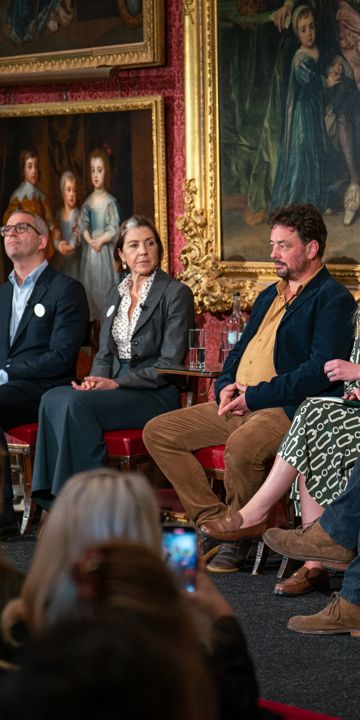
Goodwood's first Health Summit...
...took place in 2023 with industry experts discussing nutrition costs and food systems for a healthier future. -
Membership
-
Hound Lodge
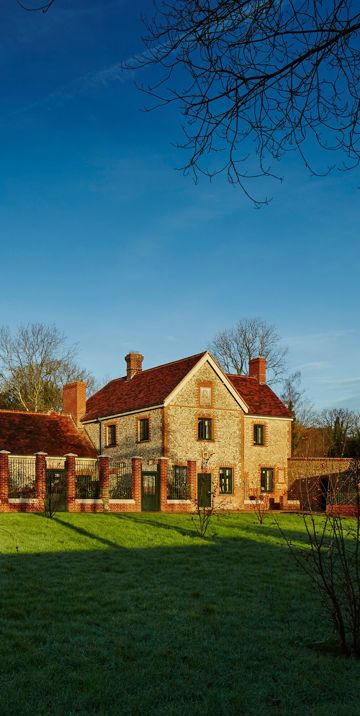

On-demand
Each room has it's own button to ring for James (your butler) whenever and whatever you need him for.
-
Goodwood Farm Shop


Lucky Leap
Inspired by the legendary racer, Masten Gregory, who famously leapt from the cockpit of his car before impact when approaching Woodcote Corner in 1959.
-
Parties
-
Goodwood Art Foundation
-
The Goodwood Hotel
-
Motorsport
-
Festival of Speed
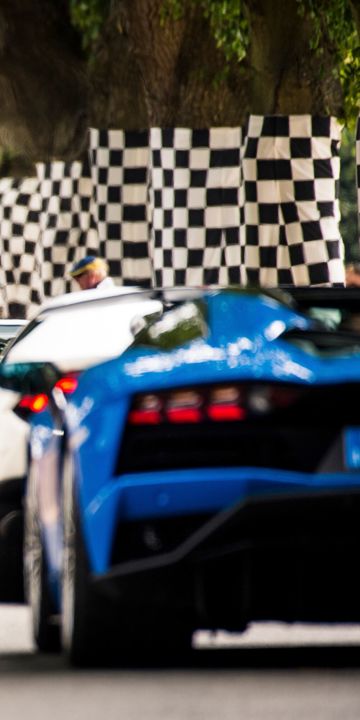

Taming the "Beast"
The Fiat S76 or "Beast of Turin" is a Goodwood favourite and can usually be heard before it is seen at #FOS
-
Goodwood Revival
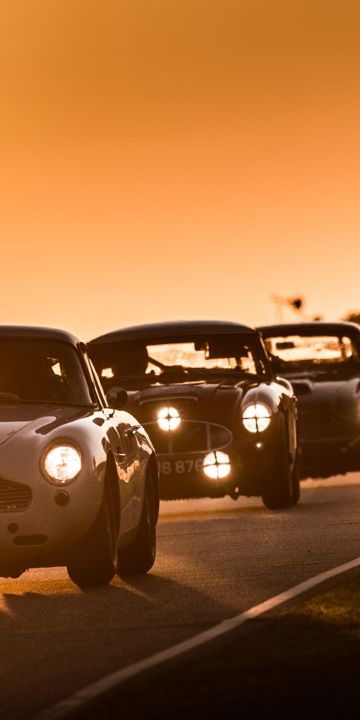

Earls Court replica
Our replica of the famous motor show showcases the "cars of the future" in true Revival style
-
Members' Meeting
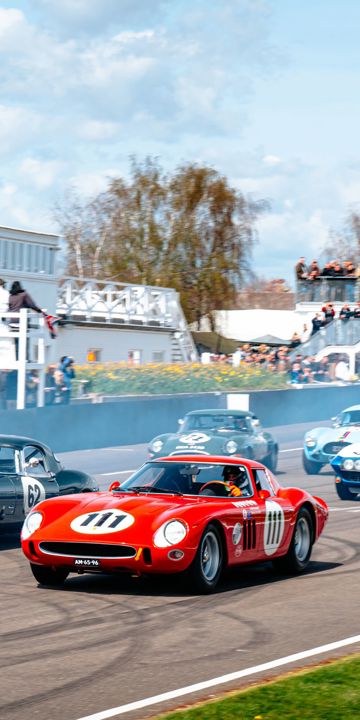
"Mr Goodwood"
Sir Stirling Moss was one of the founding patrons of the Festival of Speed, and a regular competitor at the Revival.
-
Breakfast Club
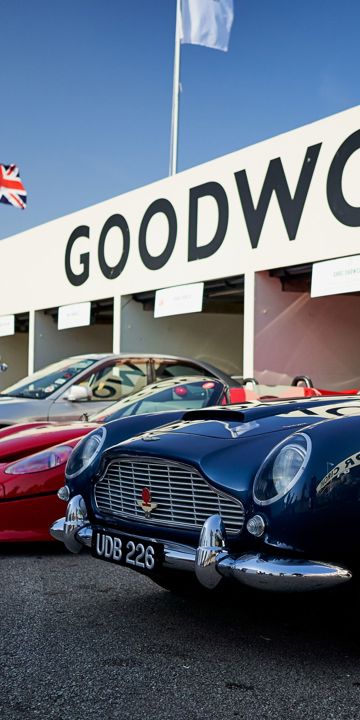

The Hillclimb Record
Nick Heidfelds 1999 (41.6s) hillclimb record was beaten after Max Chilton in his McMurtry Spéirling fan car tore it to shreds at 39.08s in 2022!
-
Motor Circuit
Earls Court replica
Our replica of the famous motor show showcases the "cars of the future" in true Revival style
-
Driving Experiences
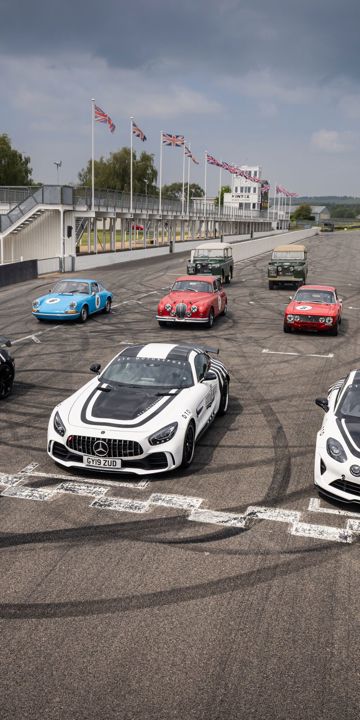
Earls Court replica
Our replica of the famous motor show showcases the "cars of the future" in true Revival style
-
Goodwood Road Racing Club
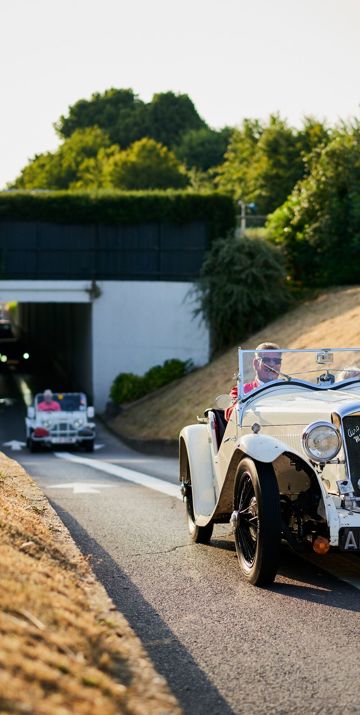

Goodwood Heroes
Legend of Goodwood's golden racing era and Le Mans winner Roy Salvadori once famously said "give me Goodwood on a summer's day and you can forget the rest".
-
Latest News
-
Festival of Speed
-
Horseracing
-
Tickets & Packages
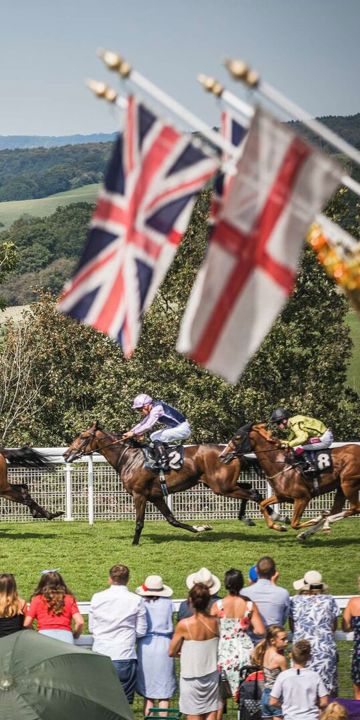

Wearing Linen at the Races
Ever since King Edward VII relaxed the dress code in the 19th century, we have enjoyed a carefree holiday feel here, unlike any other racecourse. -
Hospitality
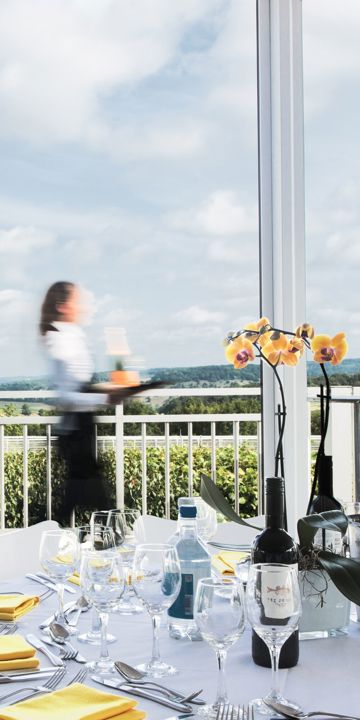

Why walk when you can drive
The first ever horsebox was used from Goodwood to Doncaster for the 1836 St. Leger. Elis arrived fresh and easily won his owner a £12k bet.
-
Membership
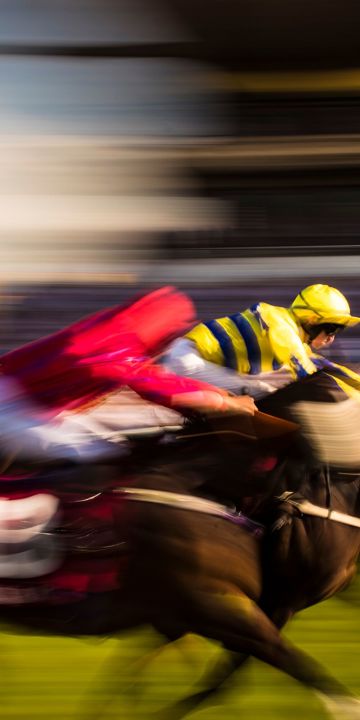
Why does everyone wear hats?
One Summer, King Edward VII turned his back on the traditional morning suit, and donned a linen suit and Panama hat. Thus the Glorious Goodwood trend was born.
-
Fixtures & Events
-
Season Opener
-
May Festival
-
Family Race Day
-
Three Friday Nights
-
Qatar Goodwood Festival
-
August Bank Holiday
-
Autumn Racing
-
Season Finale
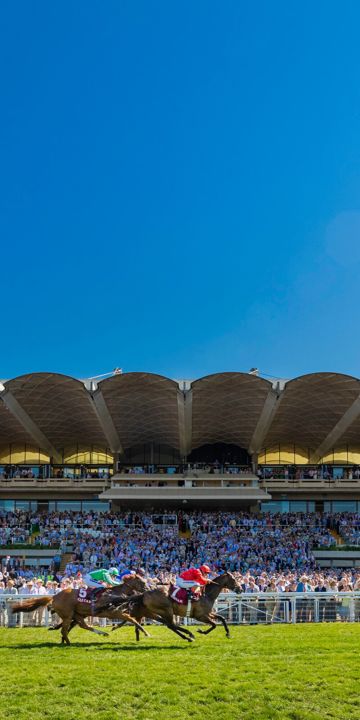
Why does everyone wear hats?
One Summer, King Edward VII turned his back on the traditional morning suit, and donned a linen suit and Panama hat. Thus the Glorious Goodwood trend was born.
-
Season Opener
-
Qatar Goodwood Festival
-
Tickets & Packages
-
Hospitality
-
Day by Day Guide
-
Ladies Day
-
Magnolia Cup
-
The Earl's Lawn
-
Timetable
-
Partners
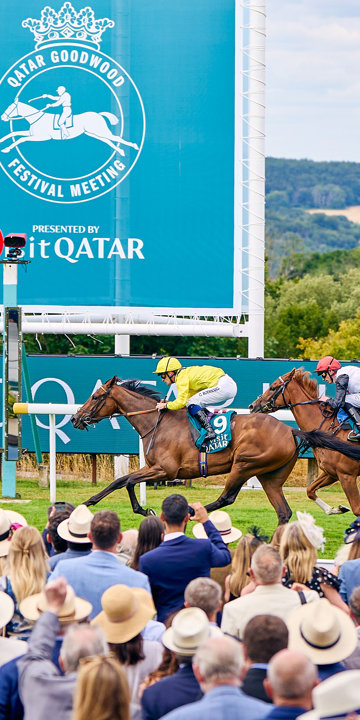

Racing Colours
The red & yellow of the Racecourse can be traced back hundreds of years, even captured in our stunning Stubbs paintings in the Goodwood Collection
-
Tickets & Packages
-
Three Friday Nights
Why does everyone wear hats?
One Summer, King Edward VII turned his back on the traditional morning suit, and donned a linen suit and Panama hat. Thus the Glorious Goodwood trend was born.
-
Plan Your Day
-
Enclosures
-
Event Map
-
Going Report
-
Getting Here
-
Betting at Goodwood
-
Dress Code
-
Accessibility
-
Food & Drink
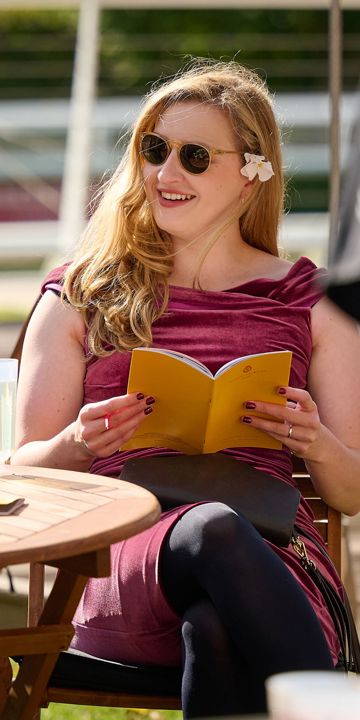
"Glorious Goodwood"
The first public race meeting took place in 1802 and, through the nineteenth century, ‘Glorious Goodwood,’ as the press named it, became a highlight of the summer season
-
Enclosures
-
Buy Merchandise
-
Partners
-
Owners & Trainers
-
Latest News
-
FAQs
-
Accessibility
-
Tickets & Packages
-
Experiences
-
Driving
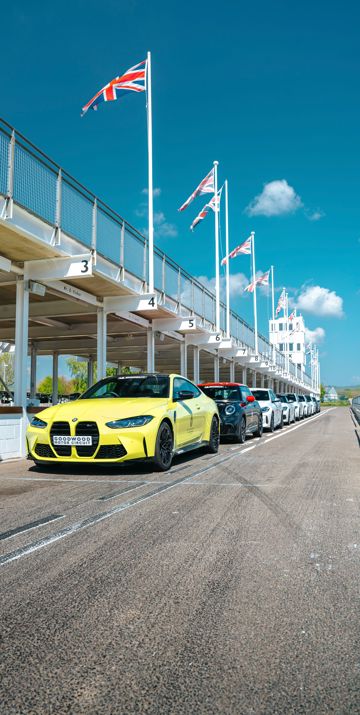
The Hillclimb Record
Nick Heidfelds 1999 (41.6s) hillclimb record was beaten after Max Chilton in his McMurtry Spéirling fan car tore it to shreds at 39.08s in 2022!
-
Flying
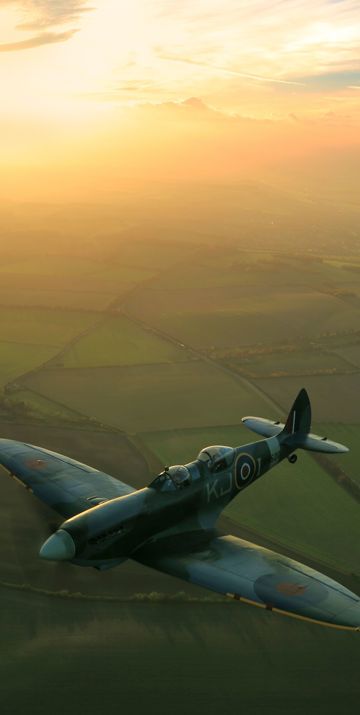

The Silver Spitfire
The iconic spitfire covered almost 43,000 kilometres and visited over 20 countries on its epic journey and currently resides at our Aerodrome.
-
Golf

Braid’s Masterpiece
One of the greatest golfers of all time, James Braid designed Goodwood’s iconic Downland course, opened in 1914.
-
Shooting
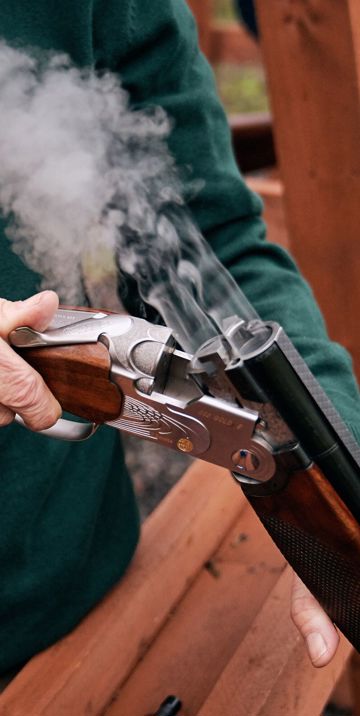

Grogger
Easy boy! The charismatic Farnham Flyer loved to celebrate every win with a pint of beer. His Boxer dog, Grogger, did too and had a tendancy to steal sips straight from the glass.
-
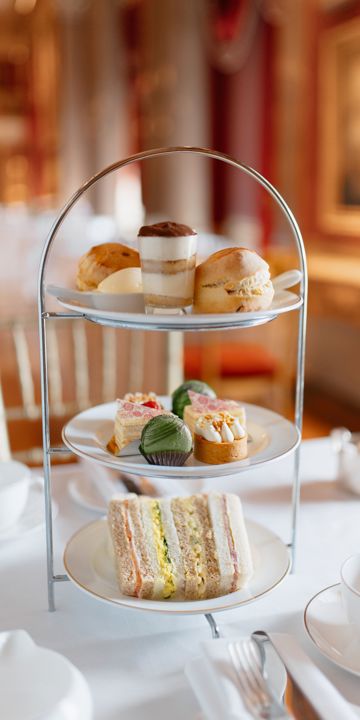
Afternoon Tea

Our Paintings Collection
The origins of the collection lay in the possessions of Louise de Keroualle, Duchess of Portsmouth, and Duchess of Aubigny in France, to whom some of the paintings originally belonged.
-
Corporate Wellbeing
Goodwood's first Health Summit...
...took place in 2023 with industry experts discussing nutrition costs and food systems for a healthier future. -
Cycling
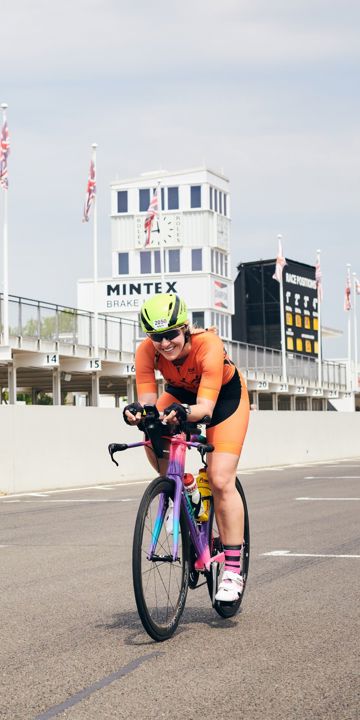

During the war...
The Motor Circuit was known as RAF Westhampnett, active from 1940 to 1946 as a Battle of Britain station. -
Corporate Experiences
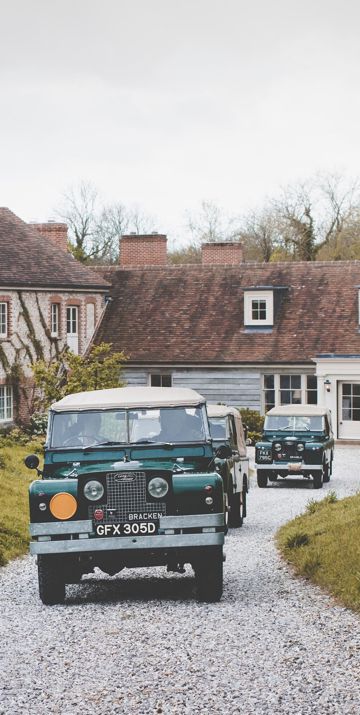
Where else can you...
...plan strategy in an ancient woodland, enjoy award-winning dining then drive around a racetrack?
-
Spa Treatments
-
Driving
- Hospitality
-
Golf
-
Golf Courses
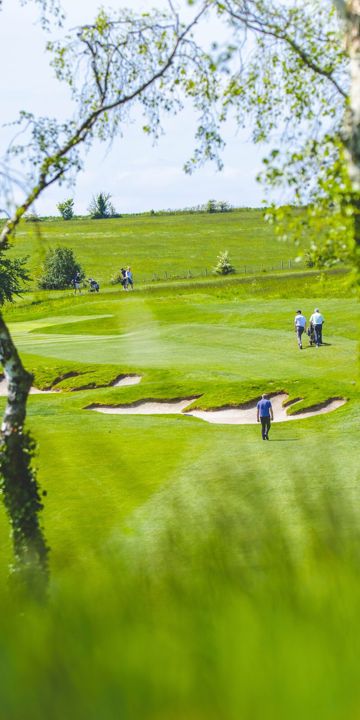
Braid’s Masterpiece
One of the greatest golfers of all time, James Braid designed Goodwood’s iconic Downland course, opened in 1914.
-
Golf Membership
-
Credit Membership
-
Application Form
-
Braid Membership
-
Intermediate Membership
-
Junior Membership
-
Corporate Membership
-
Get Into Golf
-
Copse Membership


A sporting Estate
Goodwood has two 18-hole championship courses, a modern clubhouse and an impressive Academy. -
Credit Membership
-
The Academy
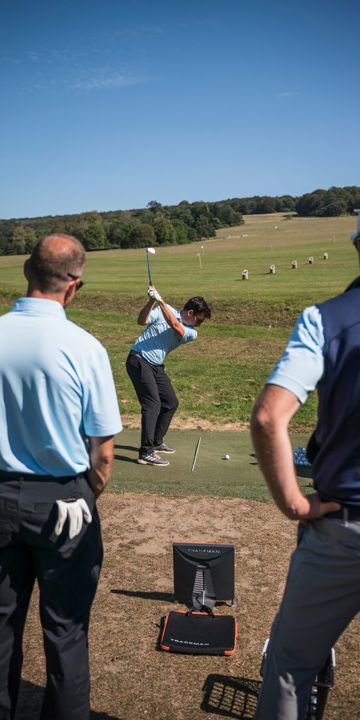

Over 100 years of Golf
The first ever round of golf played at Goodwood was in 1914 when the 6th Duke of Richmond opened the course on the Downs above Goodwood House.
-
Golf Experiences

A sporting Estate
Goodwood has two 18-hole championship courses, a modern clubhouse and an impressive Academy.
-
Golf Courses
-
Flying
-
Flying School
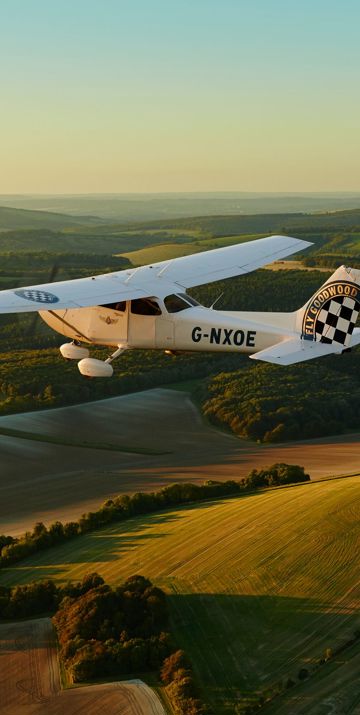

Ace Pilot
Ray Hanna famously flew straight down Goodwood’s pit straight below the height of the grandstands at the first Revival in 1998
-
Aero Club Membership
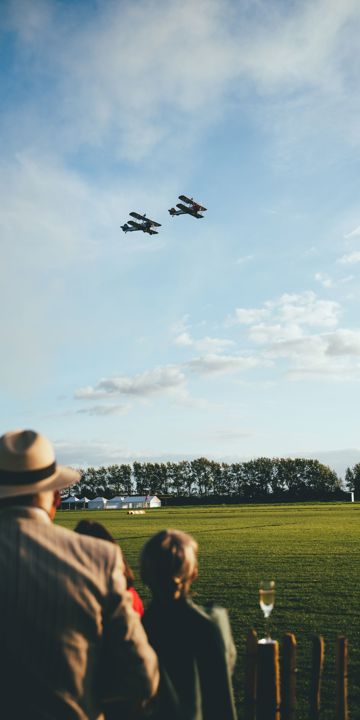

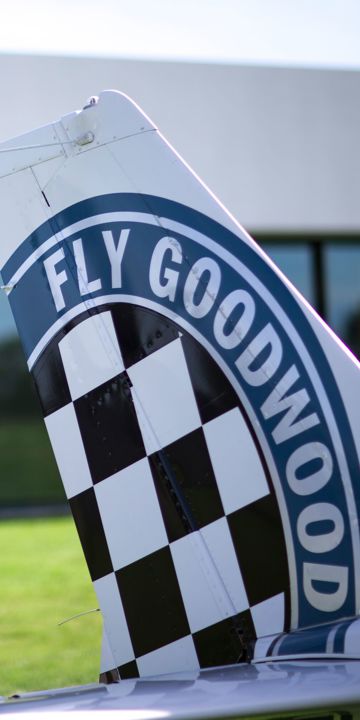
Flying with Goodwood
Come with us for an epic journey. -
Flying Experiences
-
Pilot Information
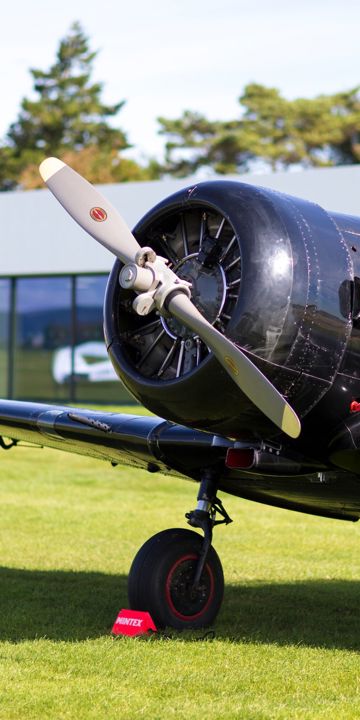

Battle of Britain
Flying training began at Goodwood in 1940 when pilots were taught operational flying techniques in Hurricanes and Spitfires.
-
Flying School
-
Meetings
-
Venue Hire
-
Goodwood House
-
The Racecourse
-
The Goodwood Hotel
-
The Motor Circuit
-
The Kennels
-
The Aerodrome
-
The Great Outdoors
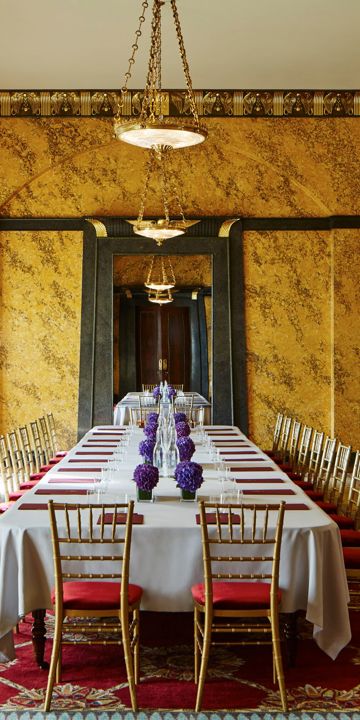
Where else can you...
...plan strategy in an ancient woodland, enjoy award-winning dining then drive around a racetrack?
-
Goodwood House
-
Plan Your Meeting
-
Parties
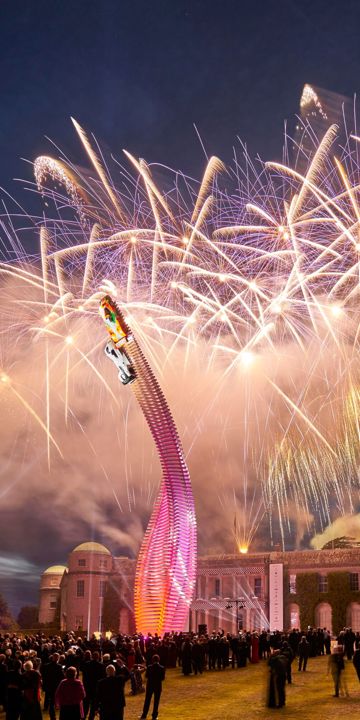
Where else can you...
...plan strategy in an ancient woodland, enjoy award-winning dining then drive around a racetrack?
-
Hospitality

-
Corporate Experiences
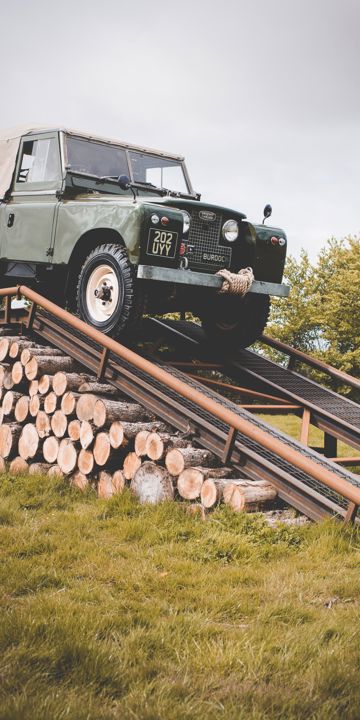
Where else can you...
...plan strategy in an ancient woodland, enjoy award-winning dining then drive around a racetrack?
-
Christmas Parties
-
Film Locations
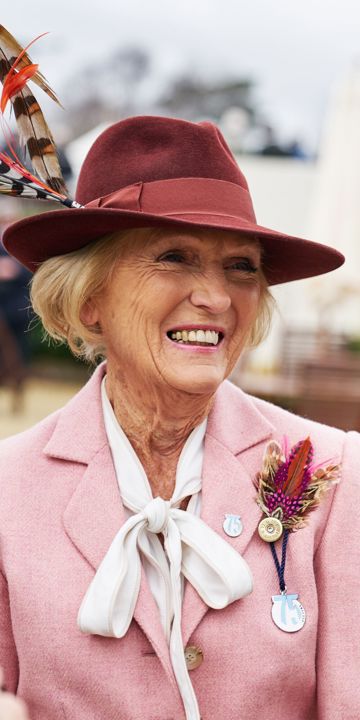
Filming at Goodwood
We have been host to many incredible film crews using Goodwood as a backdrop for shows like Downton Abbey, Hollywood Blockbusters like Venom: let there be Carnage and the Man from U.N.C.L.E.
-
Venue Hire
-
Weddings
-
Goodwood House
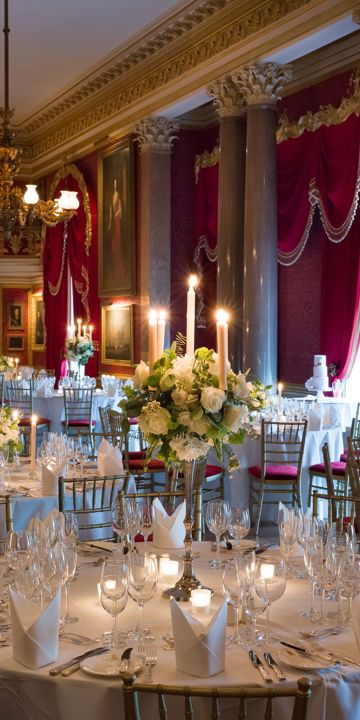
Minor furniture details
The exquisite mirror in the Ballroom of Goodwood House it so big they had to raise the ceiling to get it inside!
-
The Kennels


Fashionable foxhounds
The 1st Duke of Richmond bought Goodwood in 1697 as a place to stay to go foxhunting with the fashionable Charlton Hunt. -
Parties
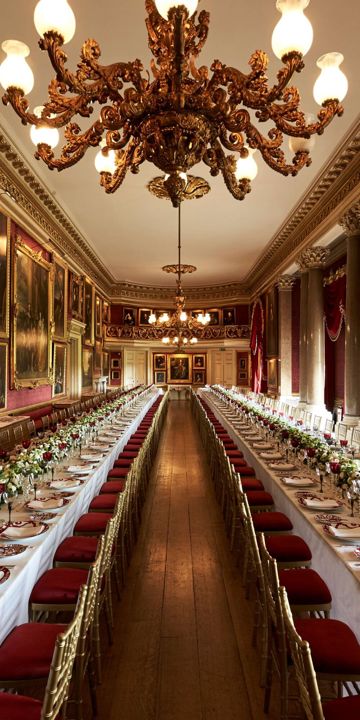


A destination for all seasons
We're well known for our iconic motorsport and horseracing events. But there's a lot more happening at Goodwood...
-
Goodwood House
-
Memberships
-
Goodwood Road Racing Club
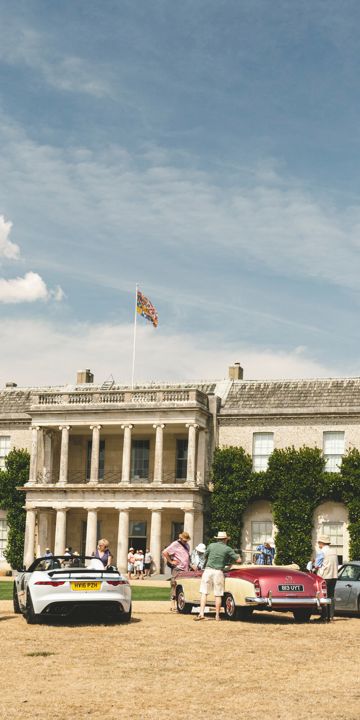

When was the GRRC founded?
Established in 1998 by the Duke of Richmond, the Goodwood Road Racing Club offers exclusive benefits across the estate year-round -
Goodwood Horseracing Club
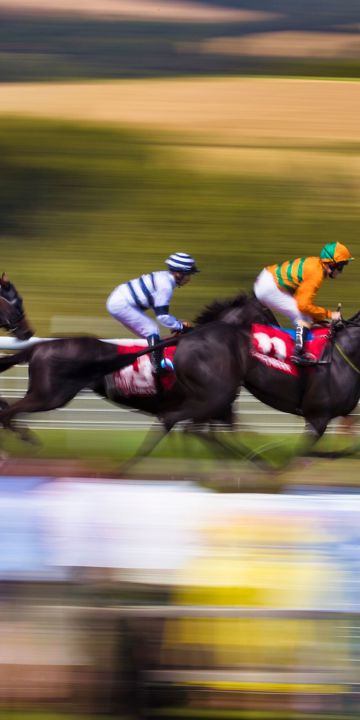
Racing Colours
The red & yellow of the Racecourse can be traced back hundreds of years, even captured in our stunning Stubbs paintings in the Goodwood Collection
-
Golf At Goodwood
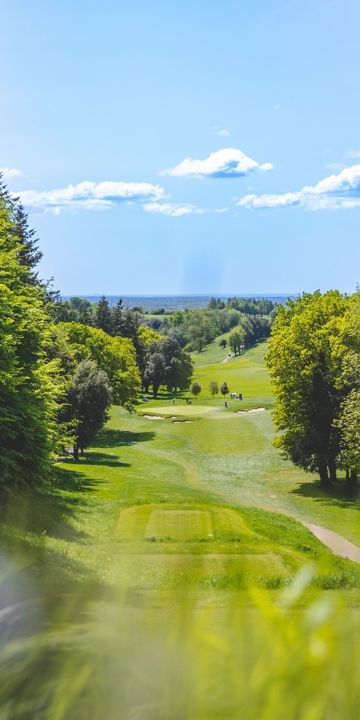
Over 100 years of Golf
The first ever round of golf played at Goodwood was in 1914 when the 6th Duke of Richmond opened the course on the Downs above Goodwood House.
-
Goodwood Aero Club
Ace Pilot
Ray Hanna famously flew straight down Goodwood’s pit straight below the height of the grandstands at the first Revival in 1998
-
Goodwood Health Club
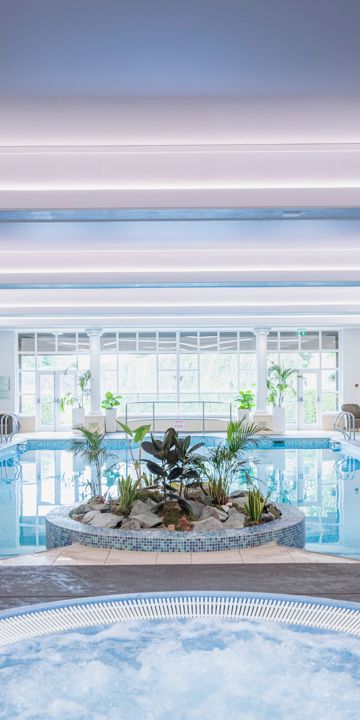
Goodwood's first Health Summit...
...took place in 2023 with industry experts discussing nutrition costs and food systems for a healthier future. -
The Kennels

Fashionable foxhounds
The 1st Duke of Richmond bought Goodwood in 1697 as a place to stay to go foxhunting with the fashionable Charlton Hunt. -
Sporting Membership

Fashionable foxhounds
The 1st Duke of Richmond bought Goodwood in 1697 as a place to stay to go foxhunting with the fashionable Charlton Hunt. -
Goodwood Racehorse Owners Group
-
Goodwood Art Foundation
-
Goodwood Road Racing Club
- Classic Car Insurance
- Health & Wellbeing
- Buy Merchandise
-
Our Estate
-
What's on
-
Estate Map
During the war...
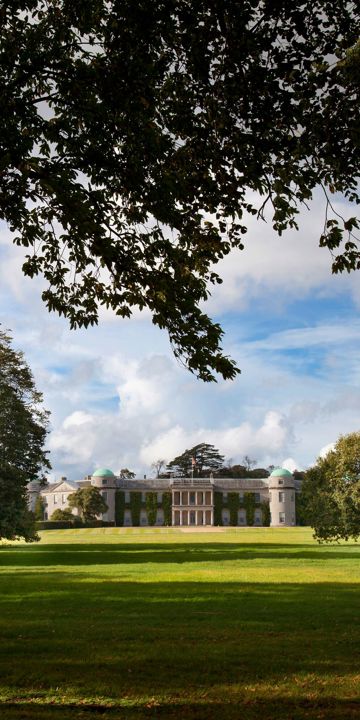
The Motor Circuit was known as RAF Westhampnett, active from 1940 to 1946 as a Battle of Britain station. -
Stories from the Estate

How old is The Kennels?
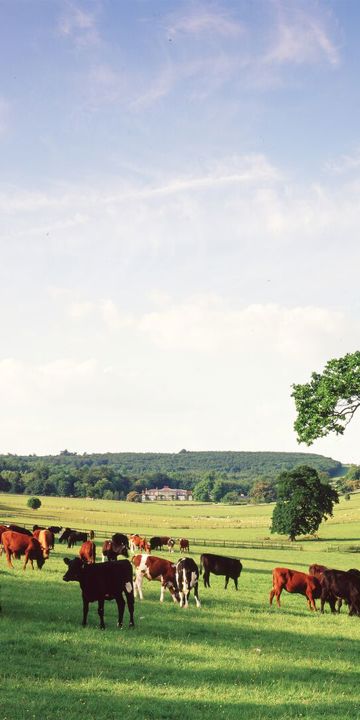
Built in 1787 by celebrated architect James Wyatt to house the third Duke of Richmond’s prized fox hounds, The Kennels was known as one of the most luxurious dog houses in the world!
-
Sports
-
Goodwood Education Trust
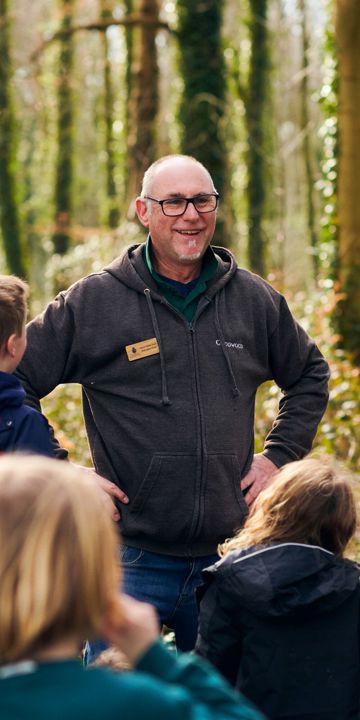
Filming at Goodwood
We have been host to many incredible film crews using Goodwood as a backdrop for shows like Downton Abbey, Hollywood Blockbusters like Venom: let there be Carnage and the Man from U.N.C.L.E.
-
Charities
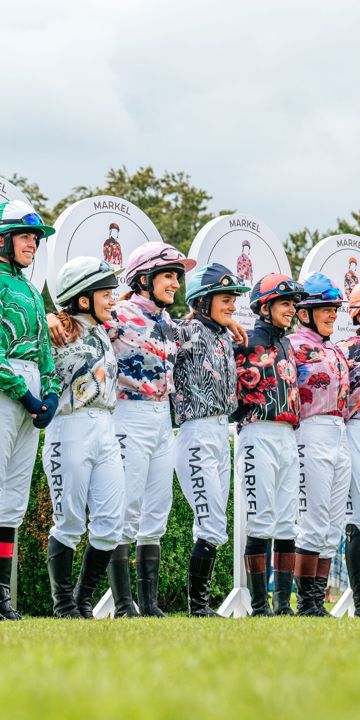

Levin Down Gin
Our gin uses wild-grown botanicals sourced from the estate, and is distilled with mineral water naturally chalk-filtered through the South Downs.
-
Sustainability
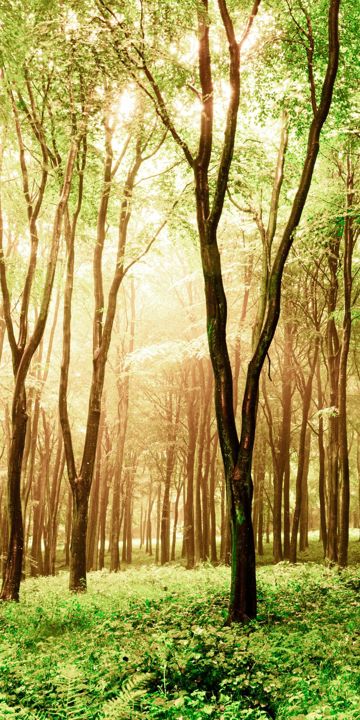

Saved from salvage
4 doors in the lodge were rescued from salvage and expertly split to ensure they meet modern fire standards before being fitted.
-
Diversity, Equity & inclusion
-
Property
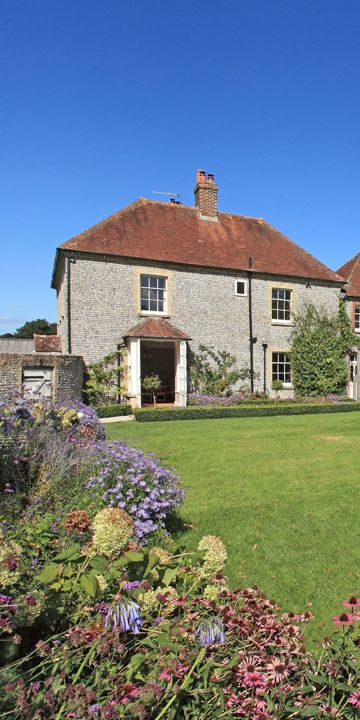
Estate Crest
"En la rose je fleurie" or "Like the rose, I flourish" is part of the Richmond coat of Arms and motto
-
Walking Guide

St Simon
Whoa Simon! A horse so determined and headstrong, he not only won the 1883 Goodwood Cup by 20 lengths, but couldn't be stopped and carried on running over the top of Trundle hill
-
Dog Walking Field
-
Careers
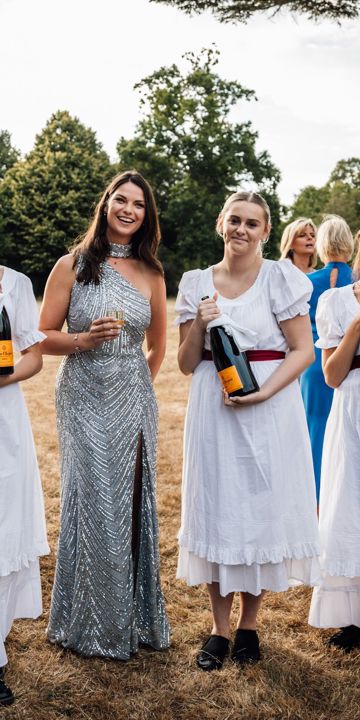
Carne's Seat
Just beyond Goodwood House along the Hillclimb, the 2nd Dukes banqueting house was also known as "one of the finest rooms in England" (George Vertue 1747).
-
Goodwood Art Foundation
-
Farm Shop
-
What's on



Gut Healthy Organic Beef Brisket BBQ Recipe
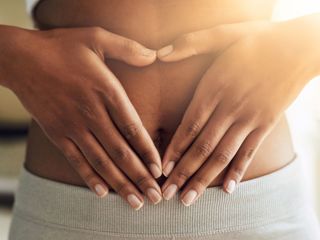
The summer may be drawing to a close, but there’s still time to enjoy some al fresco eating. To celebrate 50 years of Big Green Egg, enjoy this gut-healthy organic beef brisket recipe created by Goodwood’s Executive Chef Mike Watts & our Gut Health Programme Lead and Nutritionist, Stephanie Moore.
gut health
Health and Wellbeing
Farmer Butcher Chef

This dish features slow-cooked brisket, ensuring you get that incredible smoky flavour while keeping the meat juicy and tender. It also includes a fermented cabbage recipe that complements the brisket perfectly.
Serves 4 people
Ingredients
- 1kg organic beef brisket (we use Goodwood Home Farm beef)
- A bunch of rainbow chard, roughly chopped.
For the brine
- 4 litres cold water
- 350g sea salt
- 10g crushed black peppercorns
- 15 sprigs of thyme
- 3 star anise, crushed
- 2 oranges, sliced and squeezed
For the glaze
- 3kg beef bones
- 4 carrots, chopped
- 3 large onions, chopped
- 4 celery sticks, chopped
- 2 bay leaves
- 10 black peppercorns
- ½ bunch of thyme
- 75ml maple syrup
For the fermented cabbage
- 1.25kg white cabbage, thinly sliced
- 30g dill
- 6g whole pimento, ground with a pestle and mortar
- 18g salt
For the pickled shallot
- 2 banana shallots, sliced into rings
- 75ml water
- 75ml rice wine vinegar
- 50ml local honey
For the fermented cabbage
- 30g flat leaf parsley leaves
- 20g nettles (young shoots)
- 15g mint leaves
- 30g capers
- 6 anchovy fillets in oil
- 1 clove of garlic
- 1 tbsp Dijon mustard
- 1 lemon, juice and zest
- 150ml olive oil
- ½ tsp salt
Method
To make your fermented cabbage
To prepare the fermented cabbage, start by sterilising a 2-litre Kilner jar. Mix all the ingredients in a bowl and crush them with the end of a rolling pin to release some of their liquid. Carefully spoon the mixture into the sterilised jar, pressing down to ensure the ingredients are submerged in the salty cabbage liquid and leave a 3-4 cm gap at the top of the jar.
Seal the jar and leave it at room temperature, away from direct sunlight, for three weeks. After this period, use a clean spoon to check if fermentation has occurred. If it's ready, store the fermented cabbage in the fridge until you’re ready to use it.
If you’d prefer not to wait three weeks to make the pickle from scratch, try a jar of "The White One" by Bottlebrush Ferments.
Brine the beef
In a container large enough to hold your brisket, mix together all the brining ingredients. Submerge the brisket completely in the brine and refrigerate for 48 hours. After 48 hours, remove the beef from the brine and pat it dry.
Make your glaze
Roast the beef marrow bones in a 210°C oven for 50 minutes.
In a large heavy-bottomed pan, use a small amount of the fat from the roasted bones to sweat the chopped vegetables until they turn golden brown. Add the thyme, bay leaf, peppercorns, and 5 litres of water, then bring to a simmer. Let it simmer for 8 hours, regularly skimming off any fat that rises to the top.
After 8 hours, strain the stock through a fine sieve. Return it to the hob and reduce until only 800 ml remains, continuously skimming the surface. Stir in the maple syrup at the end, then let the glaze cool.
Lightly boil the rainbow chard, then chill until ready to use.
Set up your grill
If you're using a Big Green Egg, add a handful of pre-soaked Apple Premium Woodchunks to the charcoal to infuse the beef with a smoky flavour. Set up your EGG for indirect cooking by placing the ConvEGGtor inside. Aim for a temperature between 120-140°C. Cook the brisket until it reaches an internal temperature of 92°C, which should take about 8-10 hours. This will yield a brisket that's tender yet firm enough to slice.
For the last couple of hours, regularly glaze and turn the beef. Keep the glaze warm in a saucepot inside the EGG, adding a little water if it thickens too much. Once the brisket is done, wrap it in butcher’s paper and let it rest for up to an hour.
Alternative cooking method
If you don't have a Big Green Egg, you can use a charcoal grill or smoker set up for indirect cooking, with a water pan to maintain moisture. Add applewood chips or chunks to the charcoal for smoke. Maintain a steady temperature between 120-140°C. Cook the brisket until it reaches an internal temperature of 92°C, which should take around 8-10 hours. Glaze and turn the beef regularly during the last couple of hours. Once cooked, wrap the brisket in butcher’s paper and let it rest for up to an hour
Make the pickles and nettle salsa verde
To prepare the pickled shallots, combine the water, rice vinegar, and honey in a small pan and bring to a boil. Once boiling, add the shallot rings, then remove from the heat. Set the mixture aside to allow the shallots to cool in the pickling liquid. Drain the shallots before serving.
For the salsa verde, finely chop the parsley, nettles, mint, capers, anchovy fillets, and garlic together. Place the mixture in a bowl and stir in the mustard, lemon juice, olive oil, and salt until well combined.
To serve
If you are using the EGG, warm up the fermented cabbage and the chilled chard. Slice the brisket, then plate the cabbage and chard, topping them with the brisket slices. Finish by drizzling with salsa verde and scattering the pickled shallots on top.
Find out more about our Gut Health Programme and Active Longevity Retreat.


gut health
Health and Wellbeing
Farmer Butcher Chef