-
Events
-
Festival of Speed
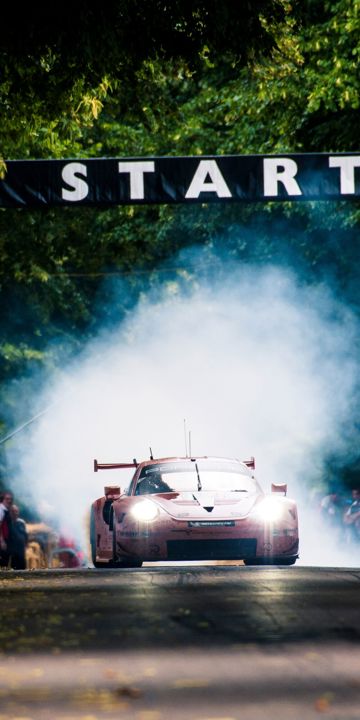

The Robots take control
Roborace was the first car to ever complete the hillclimb... without a driver! -
Goodwood Revival
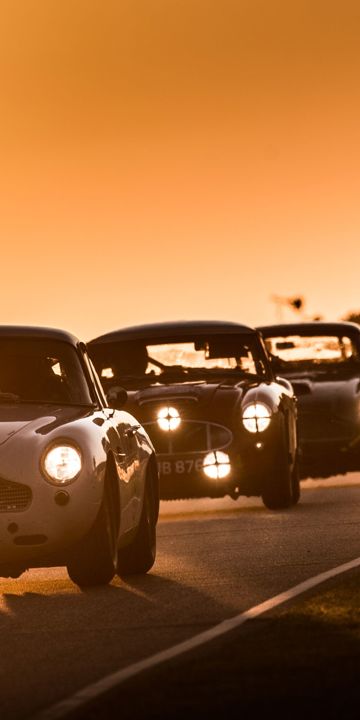

Spectators Favourite
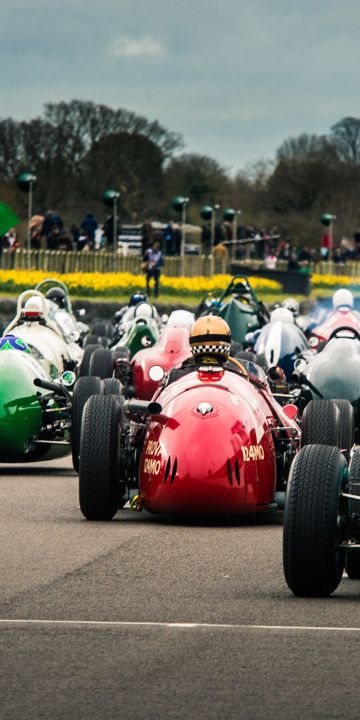
Spectate from the chicane at the Revival to see plenty of classic cars going sideways as they exit this infamous point of our Motor Circuit.
-
Members' Meeting
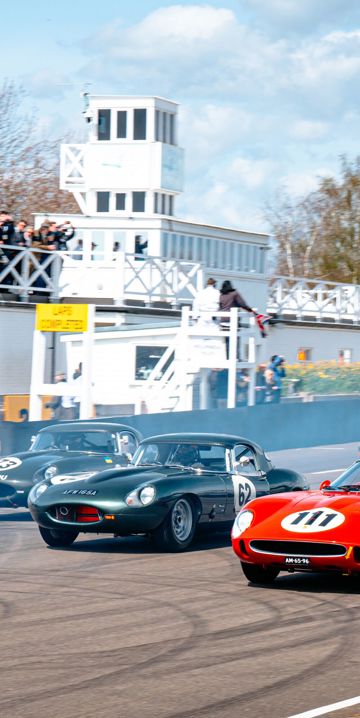

More than motorsport...
Ferret racing and duck herding are two of the many off-track activities at Members' Meeting -
Qatar Goodwood Festival
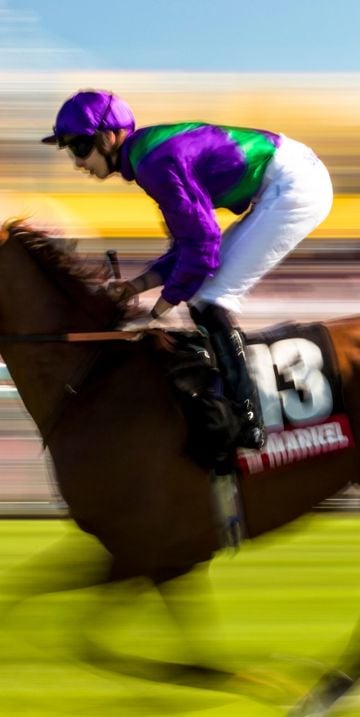

St Simon
Whoa Simon! A horse so determined and headstrong, he not only won the 1883 Goodwood Cup by 20 lengths, but couldn't be stopped and carried on running over the top of Trundle hill
-
Goodwoof
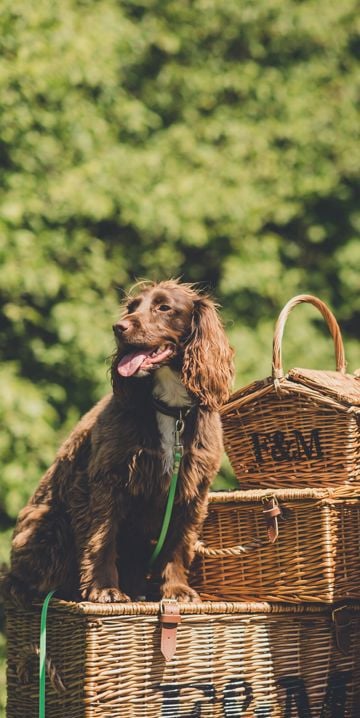

Start in style
The breed parade sees hundreds of dogs and their owners walk from Goodwood House down to The Kennels to kick start the Goodwoof weekend. -
Horseracing
-
Season Opener
-
May Festival
-
Family Race Day
-
Three Friday Nights
-
August Bank Holiday
-
Autumn Racing
-
Season Finale
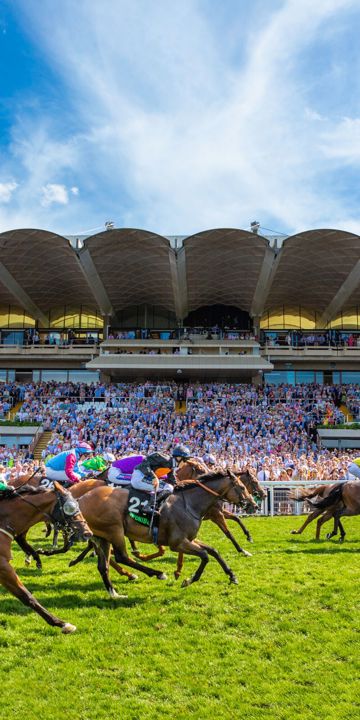

Racing Colours
The red & yellow of the Racecourse can be traced back hundreds of years, even captured in our stunning Stubbs paintings in the Goodwood Collection
-
Season Opener
-
Breakfast Club
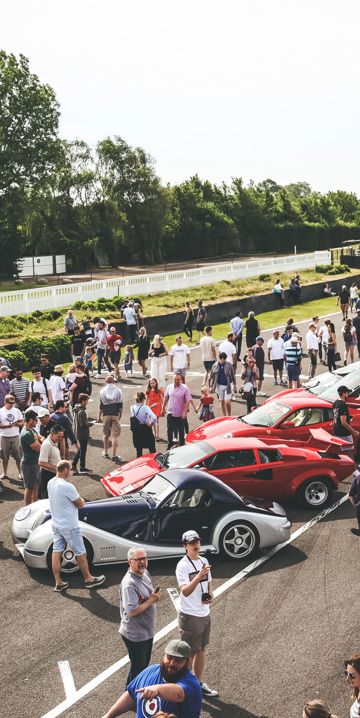

A perfect Sunday morning?
A no-cost, all-welcome motoring show where the visitors and their machines are the stars -
Health Summit
-
Hospitality
-
Exhibiting
-
Partnerships
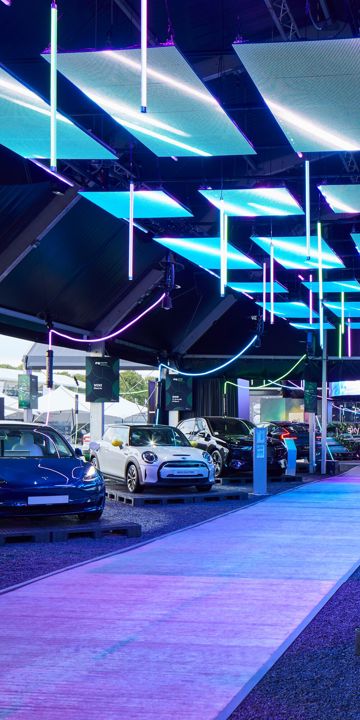

Where else can you...
...plan strategy in an ancient woodland, enjoy award-winning dining then drive around a racetrack?
-
What's on
-
Festival of Speed
-
Visit, Eat, Stay
-
The Goodwood Hotel
-
Rooms
-
Contact Us
-
Christmas
-
New Year's Eve
-
Weddings
-
Kids Activities
-
Offers
-
Local Attractions
-
Plan your stay
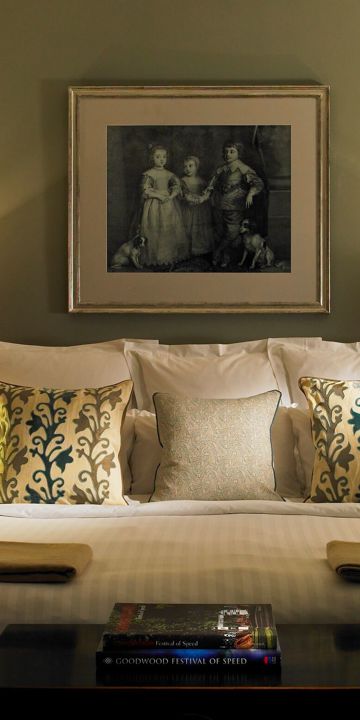

Roots for the future
A 20m woodland rue, from Halnaker to Lavant, was planted by our forestry teams & volunteers, featuring native species like oak, beech, & hornbeam
-
Rooms
-
Goodwood Cottages


Levin Down Gin
Our gin uses wild-grown botanicals sourced from the estate, and is distilled with mineral water naturally chalk-filtered through the South Downs.
-
Goodwood House
-
Afternoon Tea & Tour
-
The Collection
-
Exhibitions
-
History
-
Weddings
-
Copper Dome Restoration
-
Secrets of a Radical Duke Talk by Professor Danielle Allen


Minor furniture details
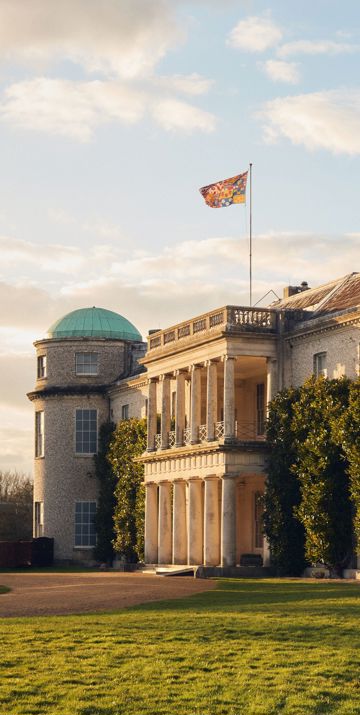
The exquisite mirror in the Ballroom of Goodwood House it so big they had to raise the ceiling to get it inside!
-
Afternoon Tea & Tour
-
Restaurants
-
Farmer, Butcher, Chef
-
The Goodwood Bar & Grill
-
The Kennels
-
Aerodrome Café
-
Motor Circuit Café

-
Cafe 24

Sustainable state-of-mind
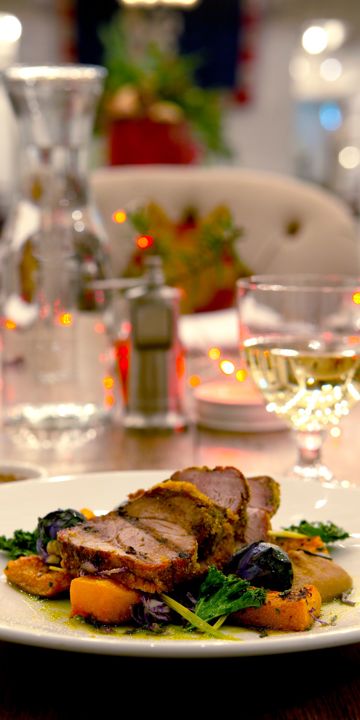
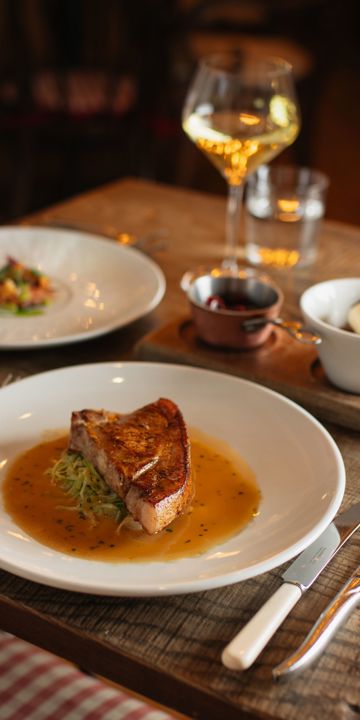
When Farmer, Butcher, Chef opened in 2016 it was awarded the UK’s first-ever Royal Academy of Culinary Arts ‘Sustainable Food Philosophy Seal’. -
Farmer, Butcher, Chef
-
The Kennels

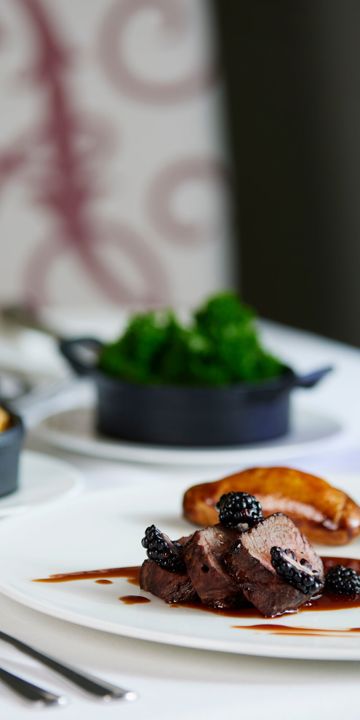
Fashionable foxhounds
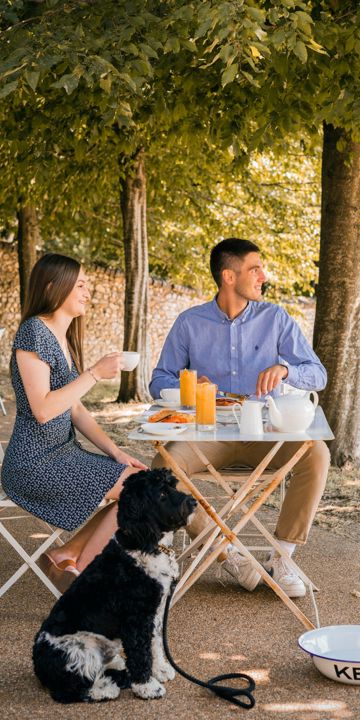
The 1st Duke of Richmond bought Goodwood in 1697 as a place to stay to go foxhunting with the fashionable Charlton Hunt. -
Motor Circuit

Why don't the F1 cars race the hill?
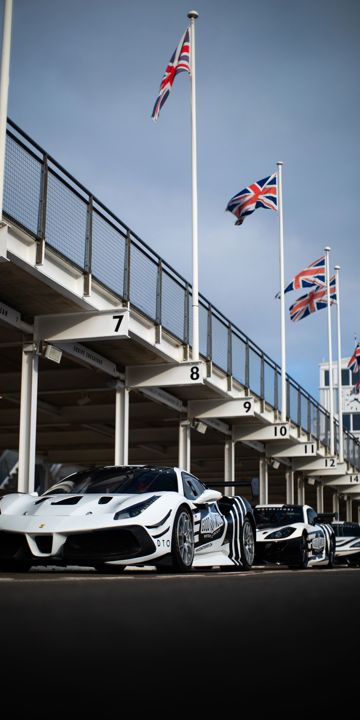
For safety reasons F1 cars can no longer do official timed runs so instead perform stunning demonstrations!
-
Health & Wellbeing
-
Membership
-
Health Club
-
Gym
-
Run Series
-
Spa Treatments
-
Wellness Retreats
-
Events Calendar
-
Corporate Wellbeing
-
Health Summit
-
Latest News

Goodwood's first Health Summit...
...took place in 2023 with industry experts discussing nutrition costs and food systems for a healthier future. -
Membership
-
Hound Lodge

Only the finest
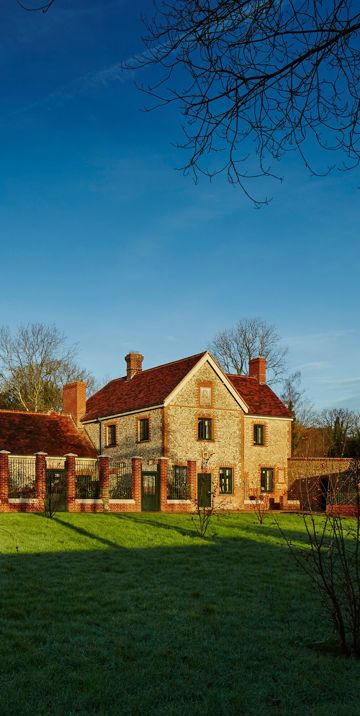
Mattresses and eiderdowns are stuffed with wool from the Goodwood Estate.
-
Goodwood Farm Shop


21,000 litres...
Alongside the award-winning meat, we also produce 21,000 litres of milk a week, used to make our cheeses. -
Parties
-
Goodwood Art Foundation
-
The Goodwood Hotel
-
Motorsport
-
Festival of Speed
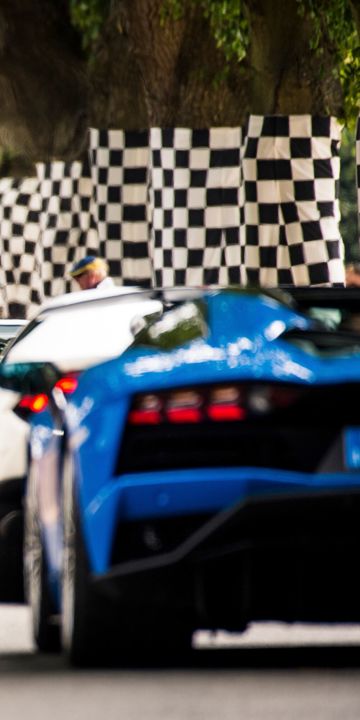
The Robots take control
Roborace was the first car to ever complete the hillclimb... without a driver! -
Goodwood Revival
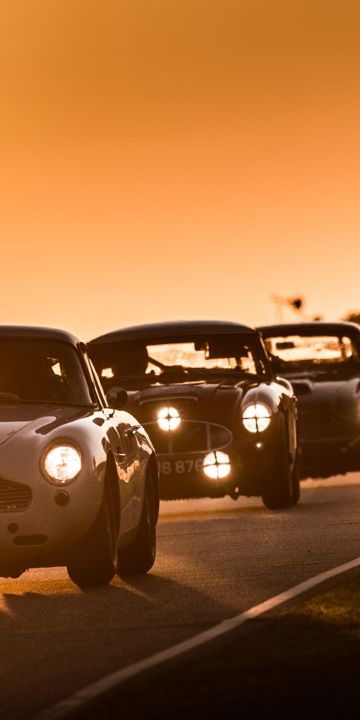
Spectators Favourite
Spectate from the chicane at the Revival to see plenty of classic cars going sideways as they exit this infamous point of our Motor Circuit.
-
Members' Meeting
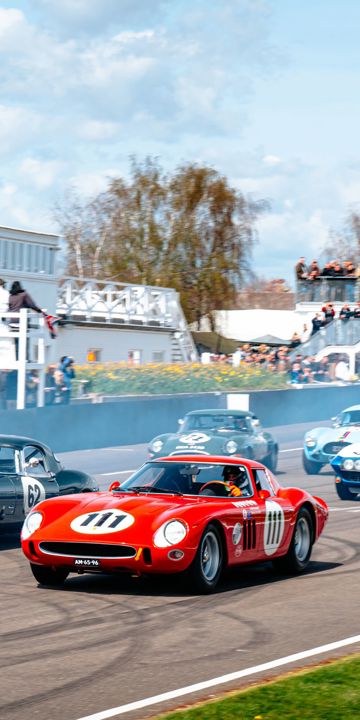
Why don't the F1 cars race the hill?
For safety reasons F1 cars can no longer do official timed runs so instead perform stunning demonstrations!
-
Breakfast Club
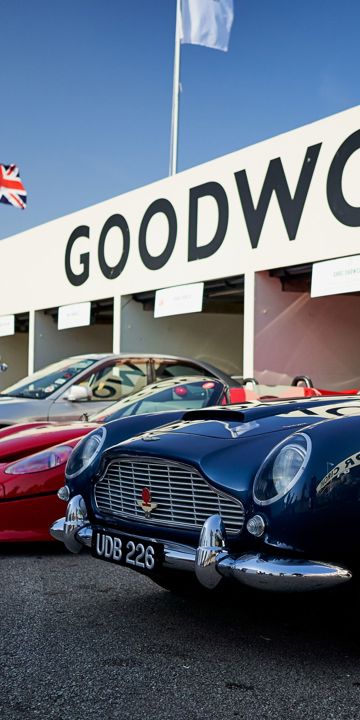

Motorsport Since 1948
Goodwood Motor Circuit was officially opened in September 1948 when Freddie March, the 9th Duke and renowned amateur racer, tore around the track in a Bristol 400
-
Motor Circuit

"Motorsport garden party of the gods"
Festival of Speed is our longest-standing Motorsport event, starting in 1993 when it opened to 25,00 people. We were expecting 2000!
-
Driving Experiences
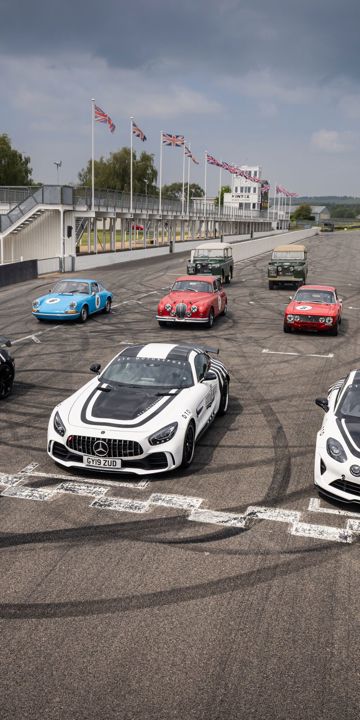

"Mr Goodwood"
Sir Stirling Moss was one of the founding patrons of the Festival of Speed, and a regular competitor at the Revival.
-
Goodwood Road Racing Club
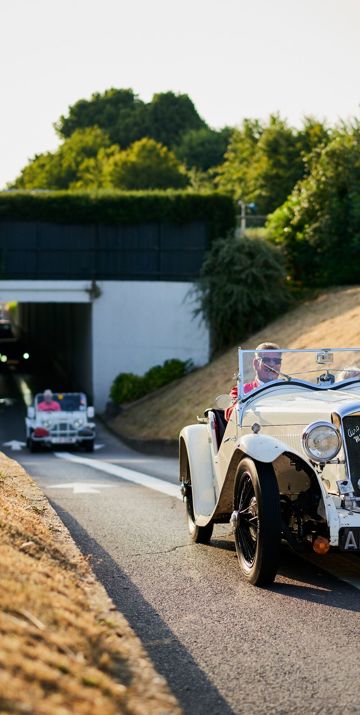

Have you visited our Forest Rally Stage?
From 2005 to present there has been a demonstration area for the rally cars at the top of the hill
-
Latest News
-
Festival of Speed
-
Horseracing
-
Tickets & Packages
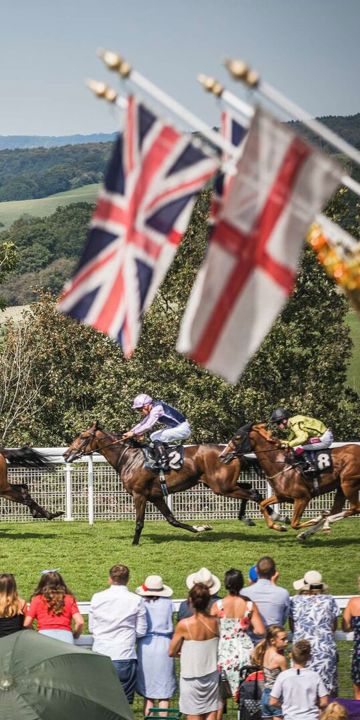

Why walk when you can drive
The first ever horsebox was used from Goodwood to Doncaster for the 1836 St. Leger. Elis arrived fresh and easily won his owner a £12k bet.
-
Hospitality
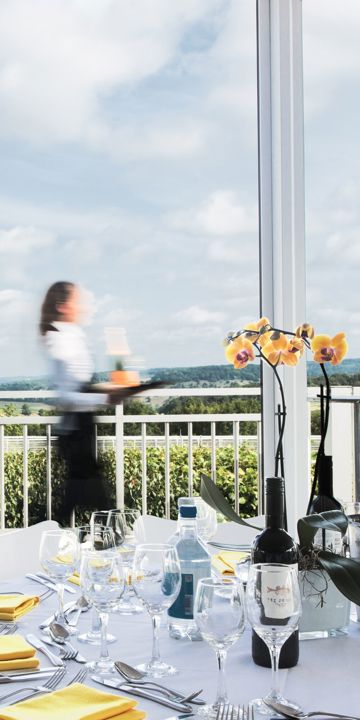
Racing Colours
The red & yellow of the Racecourse can be traced back hundreds of years, even captured in our stunning Stubbs paintings in the Goodwood Collection
-
Goodwood Horseracing Club
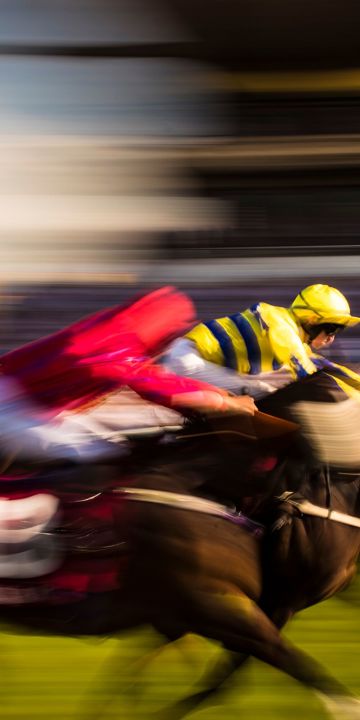

"Glorious Goodwood"
The first public race meeting took place in 1802 and, through the nineteenth century, ‘Glorious Goodwood,’ as the press named it, became a highlight of the summer season
-
Fixtures & Events
-
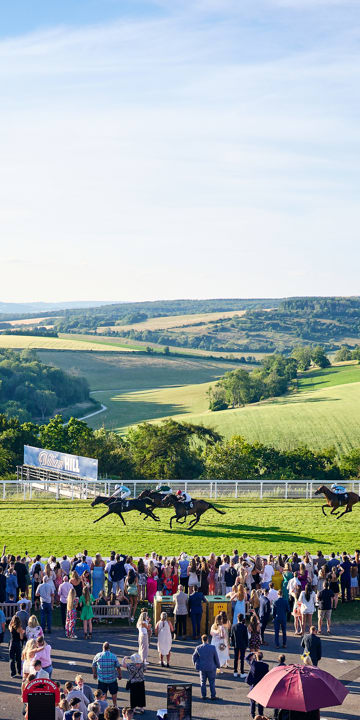
Season Opener
-
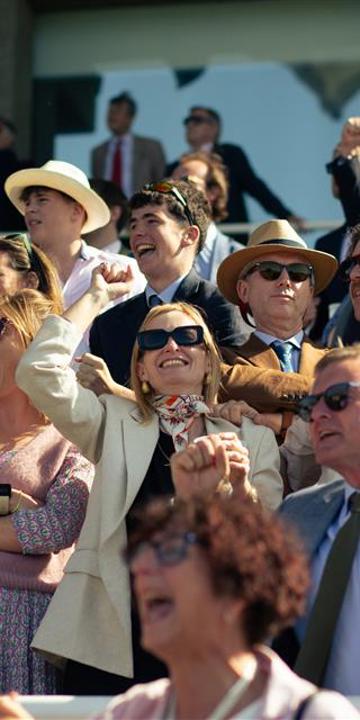
May Festival
-
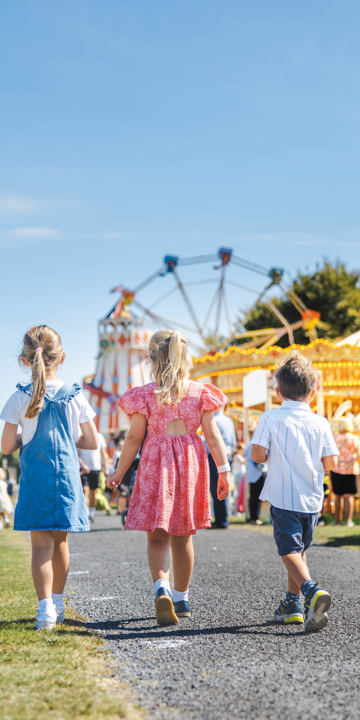
Family Race Day
-
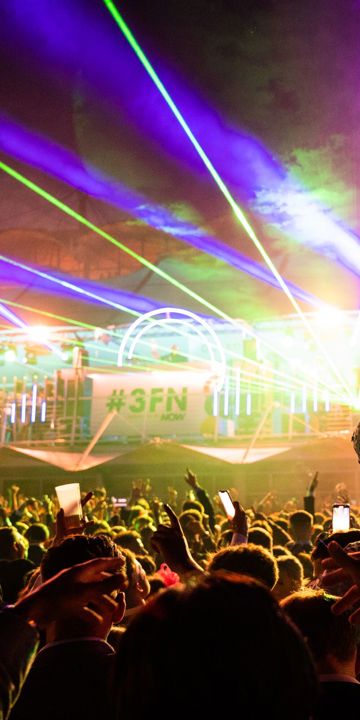
Three Friday Nights
-
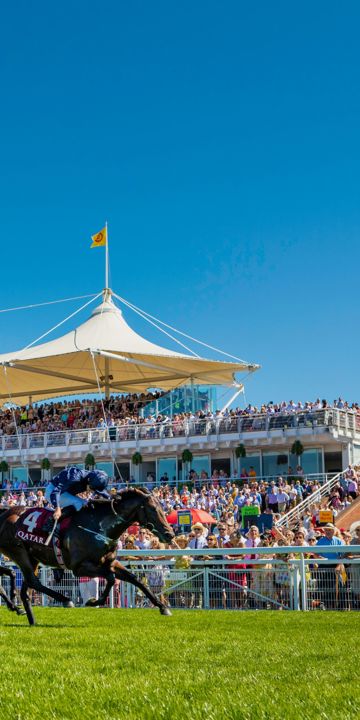
Qatar Goodwood Festival
-
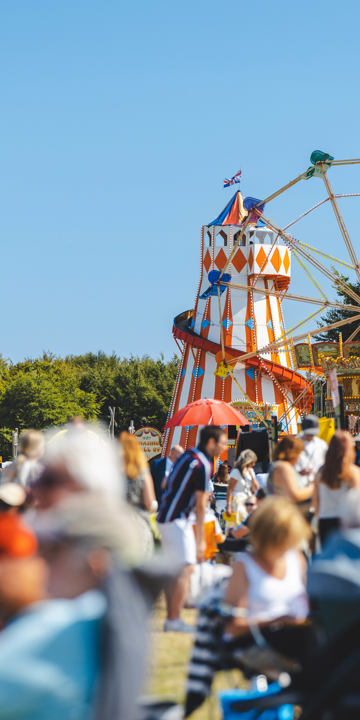
August Bank Holiday
-
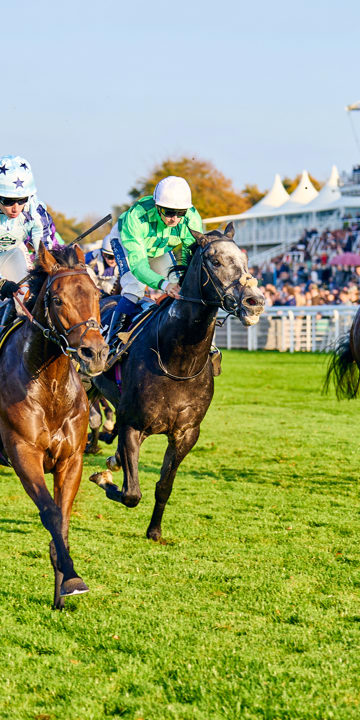
Autumn Racing
-
Season Finale
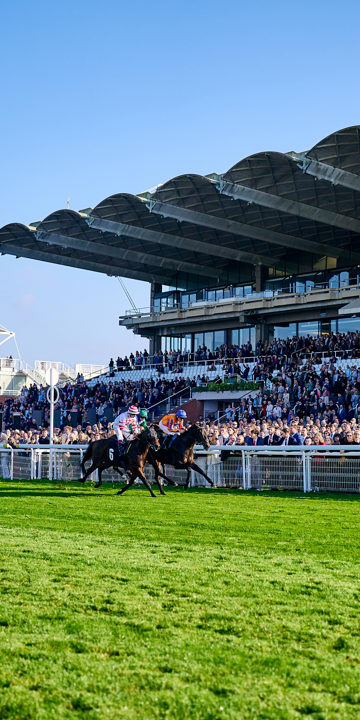
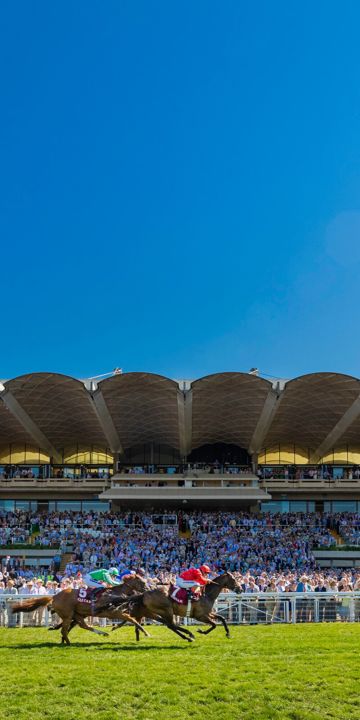

Wearing Linen at the Races
Ever since King Edward VII relaxed the dress code in the 19th century, we have enjoyed a carefree holiday feel here, unlike any other racecourse. -
Season Opener
-
Qatar Goodwood Festival
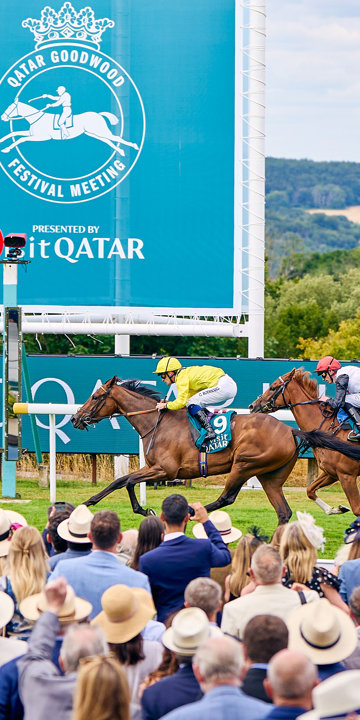
St Simon
Whoa Simon! A horse so determined and headstrong, he not only won the 1883 Goodwood Cup by 20 lengths, but couldn't be stopped and carried on running over the top of Trundle hill
-
Three Friday Nights
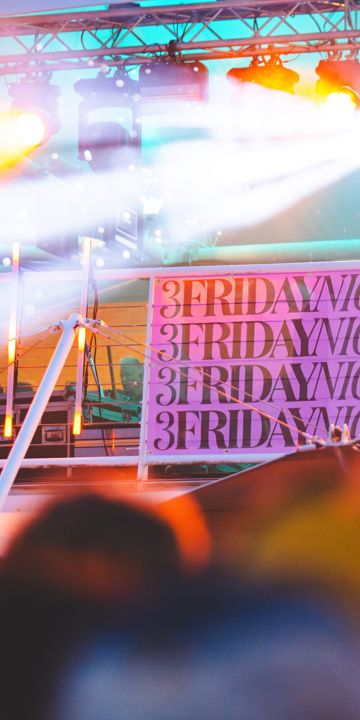
"Glorious Goodwood"
The first public race meeting took place in 1802 and, through the nineteenth century, ‘Glorious Goodwood,’ as the press named it, became a highlight of the summer season
-
Plan Your Day
-
Enclosures
-
Event Map
-
Going Report
-
Getting Here
-
Betting at Goodwood
-
Dress Code
-
Accessibility
-
Food & Drink
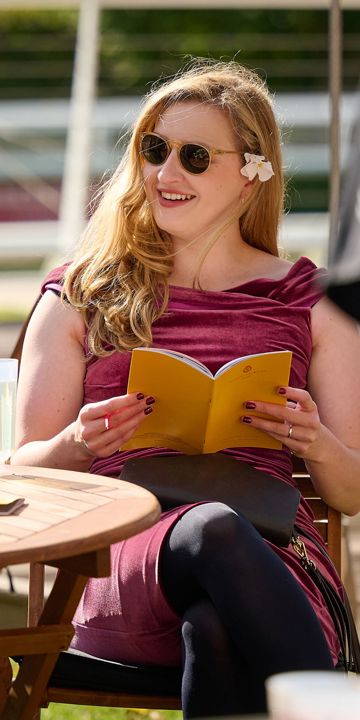

Why does everyone wear hats?
One Summer, King Edward VII turned his back on the traditional morning suit, and donned a linen suit and Panama hat. Thus the Glorious Goodwood trend was born.
-
Enclosures
-
Buy Merchandise
-
Partners
-
Owners & Trainers
-
Latest News
-
FAQs
-
Accessibility
-
Tickets & Packages
-
Experiences
-
Driving
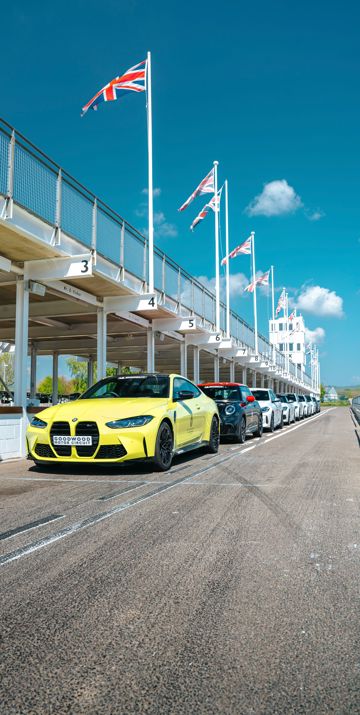

When was the GRRC founded?
Established in 1998 by the Duke of Richmond, the Goodwood Road Racing Club offers exclusive benefits across the estate year-round -
Flying
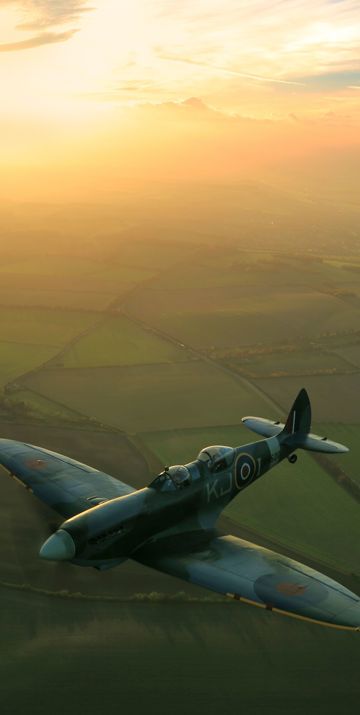

Group Captain Sir Douglas Bader
The famous fighter ace, who flew his last sortie from Goodwood Aerodrome, formerly RAF Westhampnett has a statue in his honor within the airfield.
-
Golf

Braid’s Masterpiece
One of the greatest golfers of all time, James Braid designed Goodwood’s iconic Downland course, opened in 1914.
-
Shooting
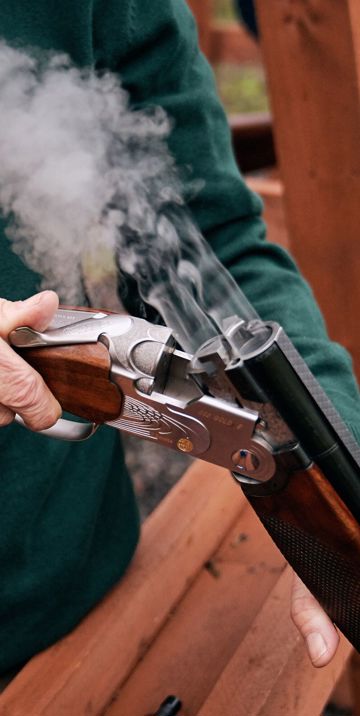

During the war...
The Motor Circuit was known as RAF Westhampnett, active from 1940 to 1946 as a Battle of Britain station. -
Afternoon Tea
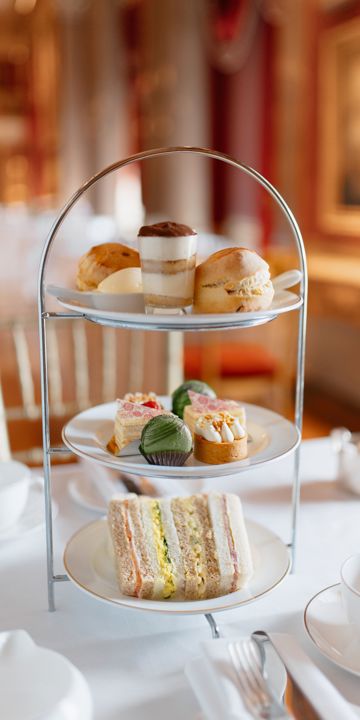

Trained to the highest level
Head Butler David Edney has worked at Buckingham Palace taking part in Dinner Parties for the then Duke of Richmond and the Queen.
-
Corporate Wellbeing
Goodwood's first Health Summit...
...took place in 2023 with industry experts discussing nutrition costs and food systems for a healthier future. -
Cycling
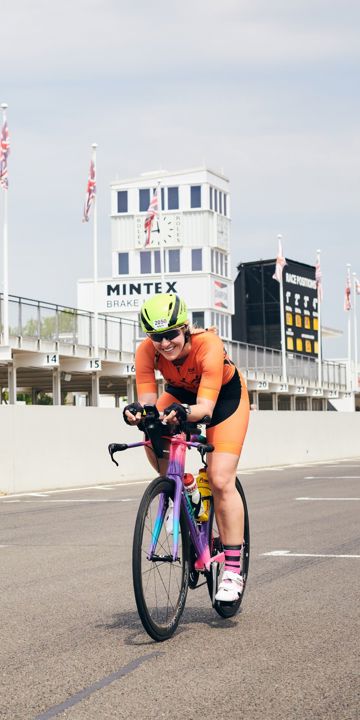
During the war...
The Motor Circuit was known as RAF Westhampnett, active from 1940 to 1946 as a Battle of Britain station. -
Corporate Experiences
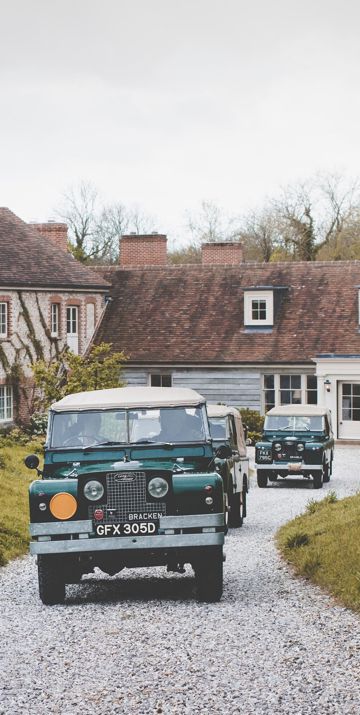
Where else can you...
...plan strategy in an ancient woodland, enjoy award-winning dining then drive around a racetrack?
-
Spa Treatments
-
Driving
- Hospitality
-
Golf
-
Golf Courses
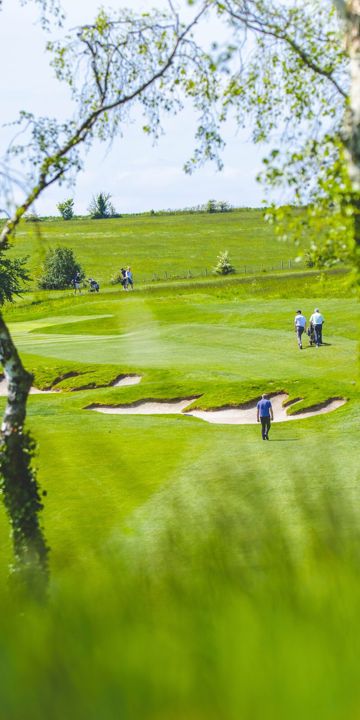
Braid’s Masterpiece
One of the greatest golfers of all time, James Braid designed Goodwood’s iconic Downland course, opened in 1914.
-
Golf Membership
-
Credit Membership
-
Application Form
-
Braid Membership
-
Intermediate Membership
-
Junior Membership
-
Corporate Membership
-
Get Into Golf
-
Copse Membership


Over 100 years of Golf
The first ever round of golf played at Goodwood was in 1914 when the 6th Duke of Richmond opened the course on the Downs above Goodwood House.
-
Credit Membership
-
The Academy
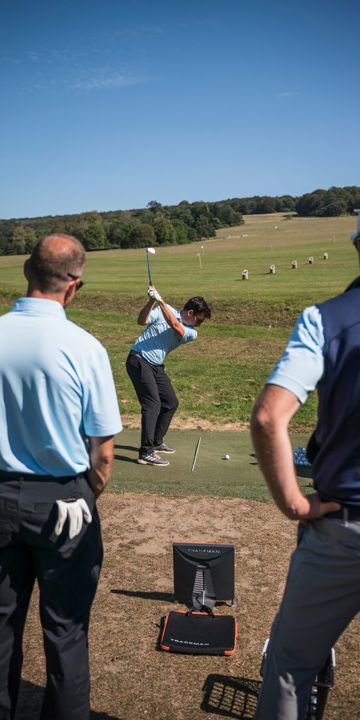
Braid’s Masterpiece
One of the greatest golfers of all time, James Braid designed Goodwood’s iconic Downland course, opened in 1914.
-
Golf Experiences


A sporting Estate
Goodwood has two 18-hole championship courses, a modern clubhouse and an impressive Academy.
-
Golf Courses
-
Flying
-
Flying School
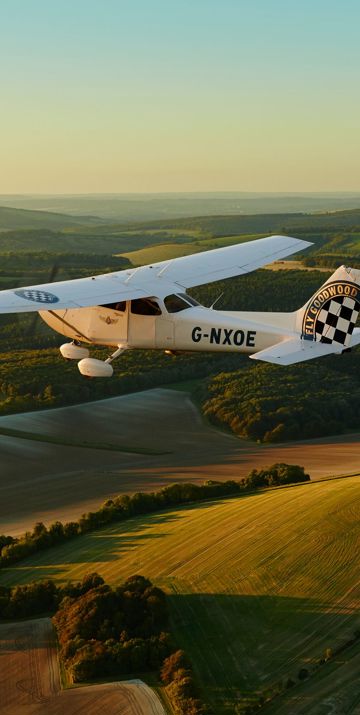

The Silver Spitfire
The iconic spitfire covered almost 43,000 kilometres and visited over 20 countries on its epic journey and currently resides at our Aerodrome.
-
Aero Club Membership
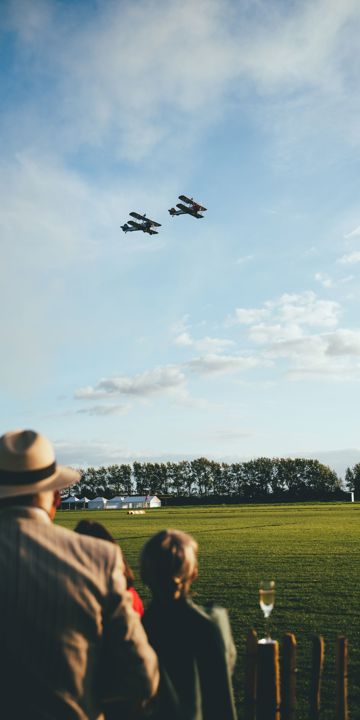

During the war...
The Motor Circuit was known as RAF Westhampnett, active from 1940 to 1946 as a Battle of Britain station.
-
Flying Experiences
-
Pilot Information

Ace Pilot
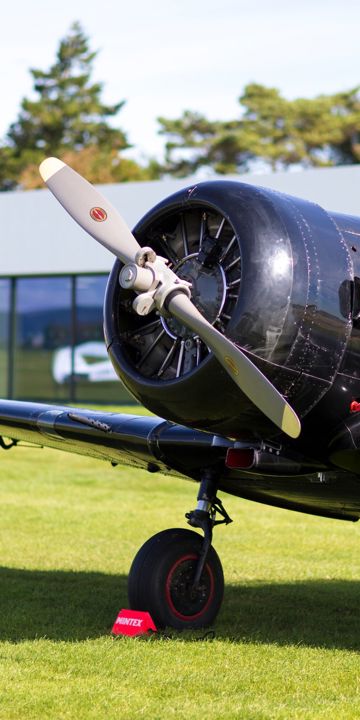
Ray Hanna famously flew straight down Goodwood’s pit straight below the height of the grandstands at the first Revival in 1998
-
Flying School
-
Meetings
-
Venue Hire
-
Goodwood House
-
The Racecourse
-
The Goodwood Hotel
-
The Motor Circuit
-
The Kennels
-
The Aerodrome
-
The Great Outdoors
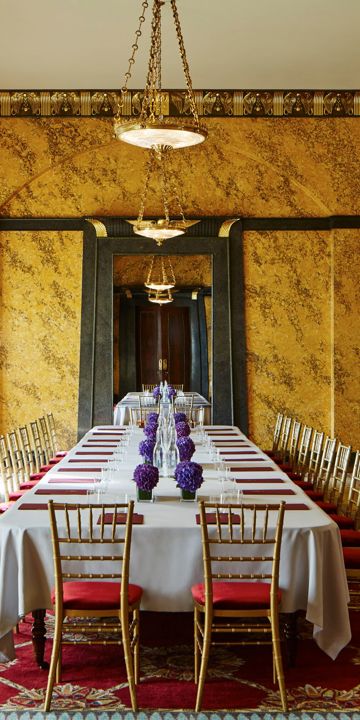
Where else can you...
...plan strategy in an ancient woodland, enjoy award-winning dining then drive around a racetrack?
-
Goodwood House
-
Plan Your Meeting
-
Parties
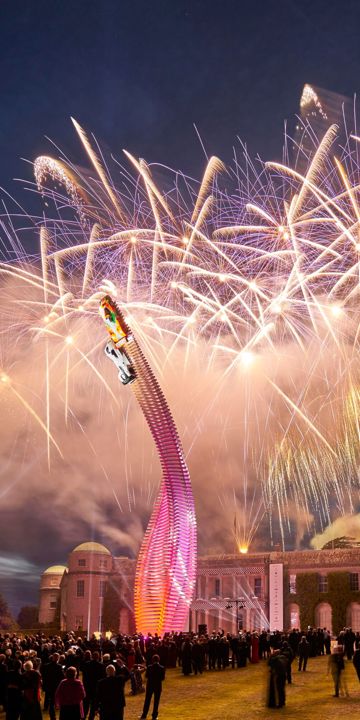
Where else can you...
...plan strategy in an ancient woodland, enjoy award-winning dining then drive around a racetrack?
-
Hospitality

-
Corporate Experiences
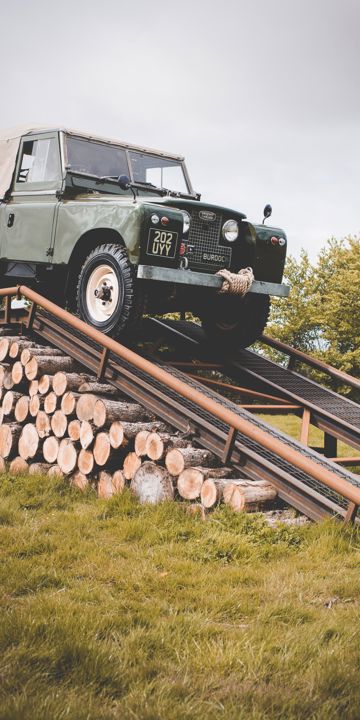
Where else can you...
...plan strategy in an ancient woodland, enjoy award-winning dining then drive around a racetrack?
-
Christmas Parties
-
Film Locations
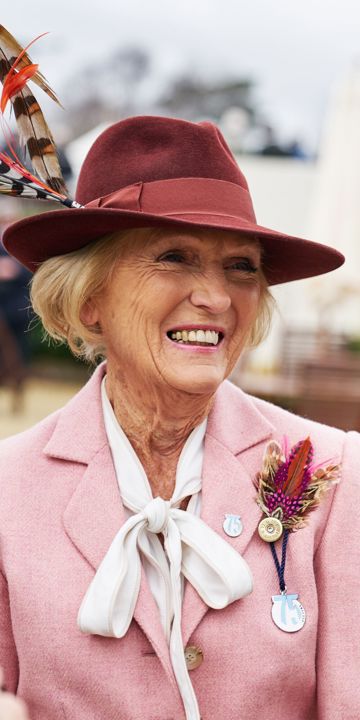
Where else can you...
...plan strategy in an ancient woodland, enjoy award-winning dining then drive around a racetrack?
-
Venue Hire
-
Weddings
-
Goodwood House
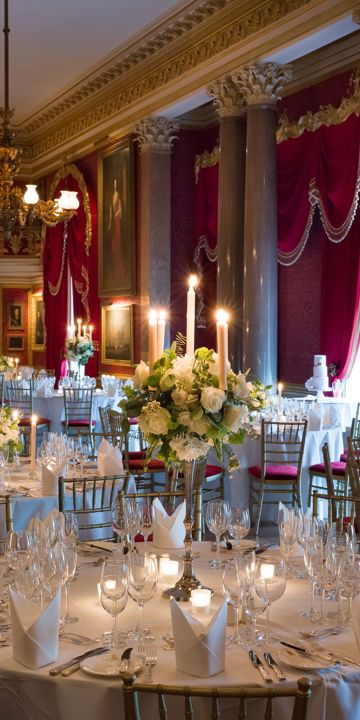

Advice from our Head Butler
Ensure you take a little time out together to pause and take in the celebration of all the hard work you put in will be a treasured memory.
-
The Kennels


How old is The Kennels?
Built in 1787 by celebrated architect James Wyatt to house the third Duke of Richmond’s prized fox hounds, The Kennels was known as one of the most luxurious dog houses in the world!
-
Parties
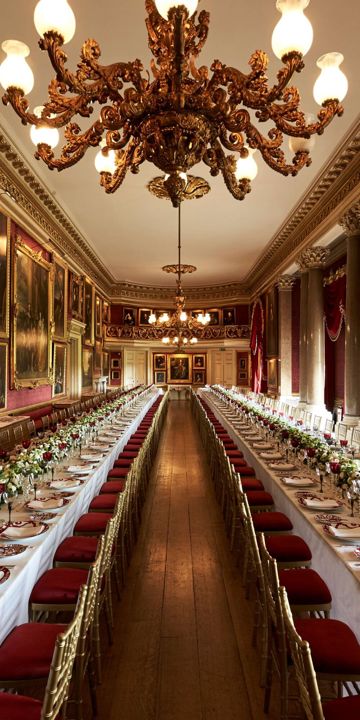
Where else can you...
...plan strategy in an ancient woodland, enjoy award-winning dining then drive around a racetrack?
-
Goodwood House
-
Memberships
-
Goodwood Road Racing Club
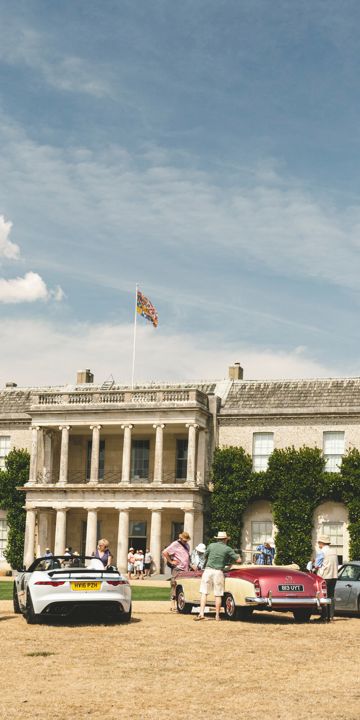
When was the GRRC founded?
Established in 1998 by the Duke of Richmond, the Goodwood Road Racing Club offers exclusive benefits across the estate year-round -
Goodwood Horseracing Club
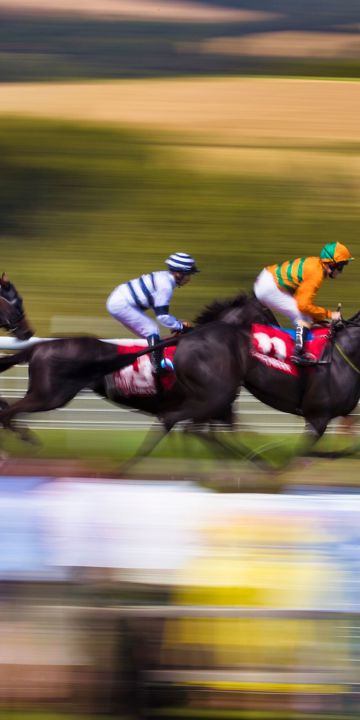
Racing Colours
The red & yellow of the Racecourse can be traced back hundreds of years, even captured in our stunning Stubbs paintings in the Goodwood Collection
-
Golf At Goodwood
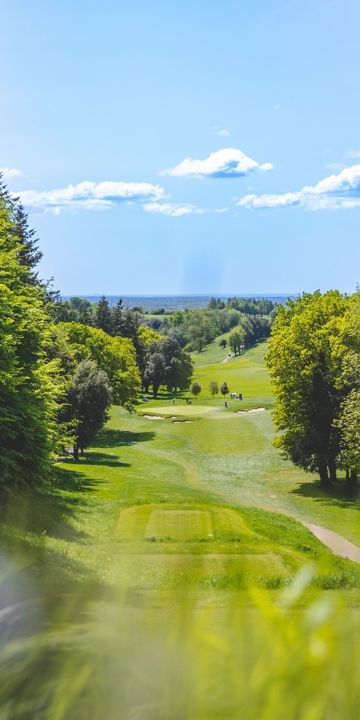
Over 100 years of Golf
The first ever round of golf played at Goodwood was in 1914 when the 6th Duke of Richmond opened the course on the Downs above Goodwood House.
-
Goodwood Aero Club
During the war...
The Motor Circuit was known as RAF Westhampnett, active from 1940 to 1946 as a Battle of Britain station.
-
Goodwood Health Club
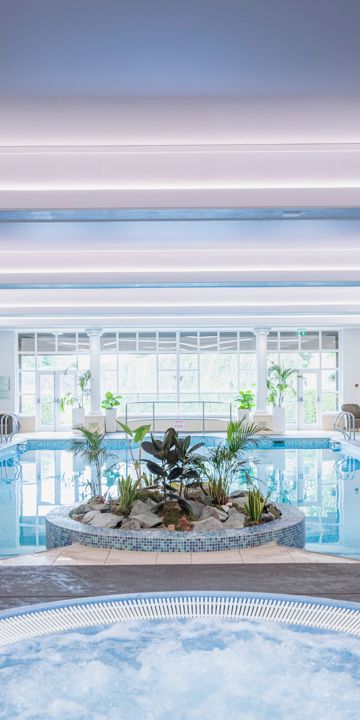
Goodwood's first Health Summit...
...took place in 2023 with industry experts discussing nutrition costs and food systems for a healthier future. -
The Kennels


An exclusive clubhouse
As the private clubhouse for all of the Estate’s sporting and social members, it offers personal service and a relaxed atmosphere
-
Sporting Membership

Estate Crest
"En la rose je fleurie" or "Like the rose, I flourish" is part of the Richmond coat of Arms and motto
-
Goodwood Racehorse Owners Group
-
Goodwood Art Foundation
-
Goodwood Road Racing Club
- Classic Car Insurance
- Health & Wellbeing
- Buy Merchandise
-
Our Estate
-
What's on
-
Estate Map
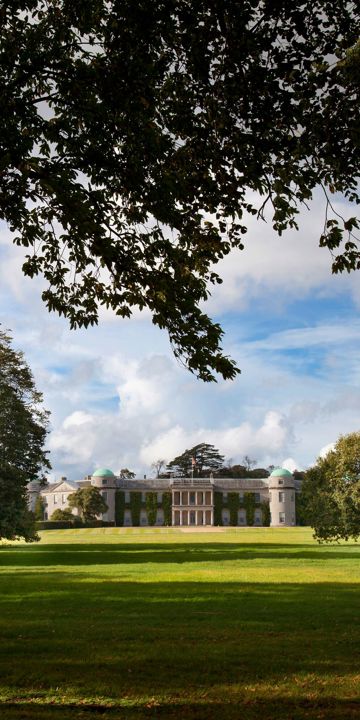
How old is The Kennels?
Built in 1787 by celebrated architect James Wyatt to house the third Duke of Richmond’s prized fox hounds, The Kennels was known as one of the most luxurious dog houses in the world!
-
Stories from the Estate
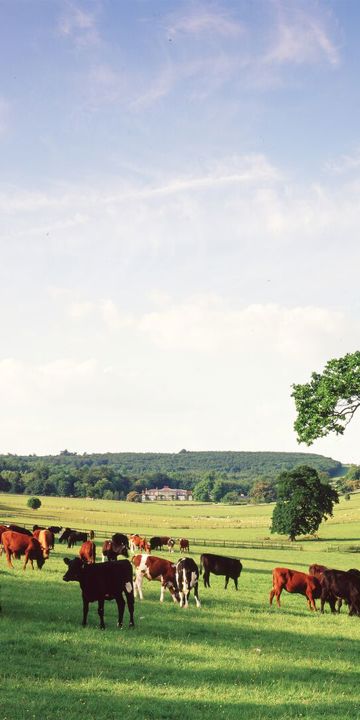
During the war...
The Motor Circuit was known as RAF Westhampnett, active from 1940 to 1946 as a Battle of Britain station. -
Sports
-
Goodwood Education Trust
Estate Crest
"En la rose je fleurie" or "Like the rose, I flourish" is part of the Richmond coat of Arms and motto
-
Charities
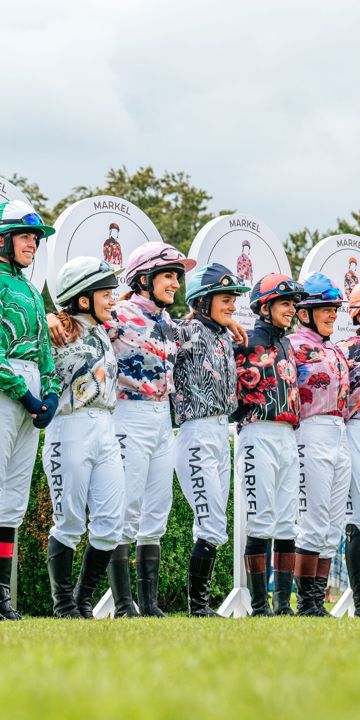
Filming at Goodwood
We have been host to many incredible film crews using Goodwood as a backdrop for shows like Downton Abbey, Hollywood Blockbusters like Venom: let there be Carnage and the Man from U.N.C.L.E.
-
Sustainability
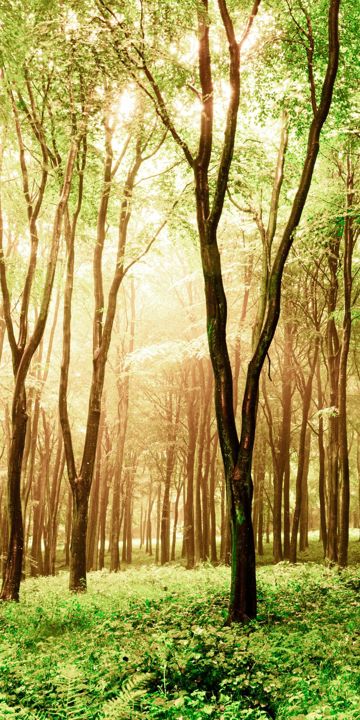
Levin Down Gin
Our gin uses wild-grown botanicals sourced from the estate, and is distilled with mineral water naturally chalk-filtered through the South Downs.
-
Diversity, Equity & inclusion
-
Property
Estate Crest
"En la rose je fleurie" or "Like the rose, I flourish" is part of the Richmond coat of Arms and motto
-
Walking Guide

The Silver Spitfire
The iconic spitfire covered almost 43,000 kilometres and visited over 20 countries on its epic journey and currently resides at our Aerodrome.
-
Dog Walking Field
-
Careers
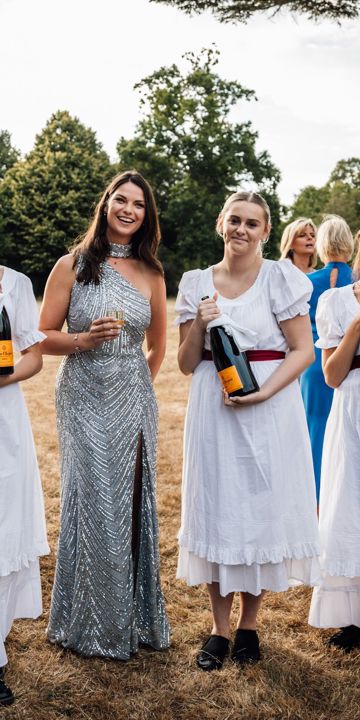
21,000 litres...
Alongside the award-winning meat, we also produce 21,000 litres of milk a week, used to make our cheeses. -
Goodwood Art Foundation
-
Farm Shop
-
What's on
- Father's Day



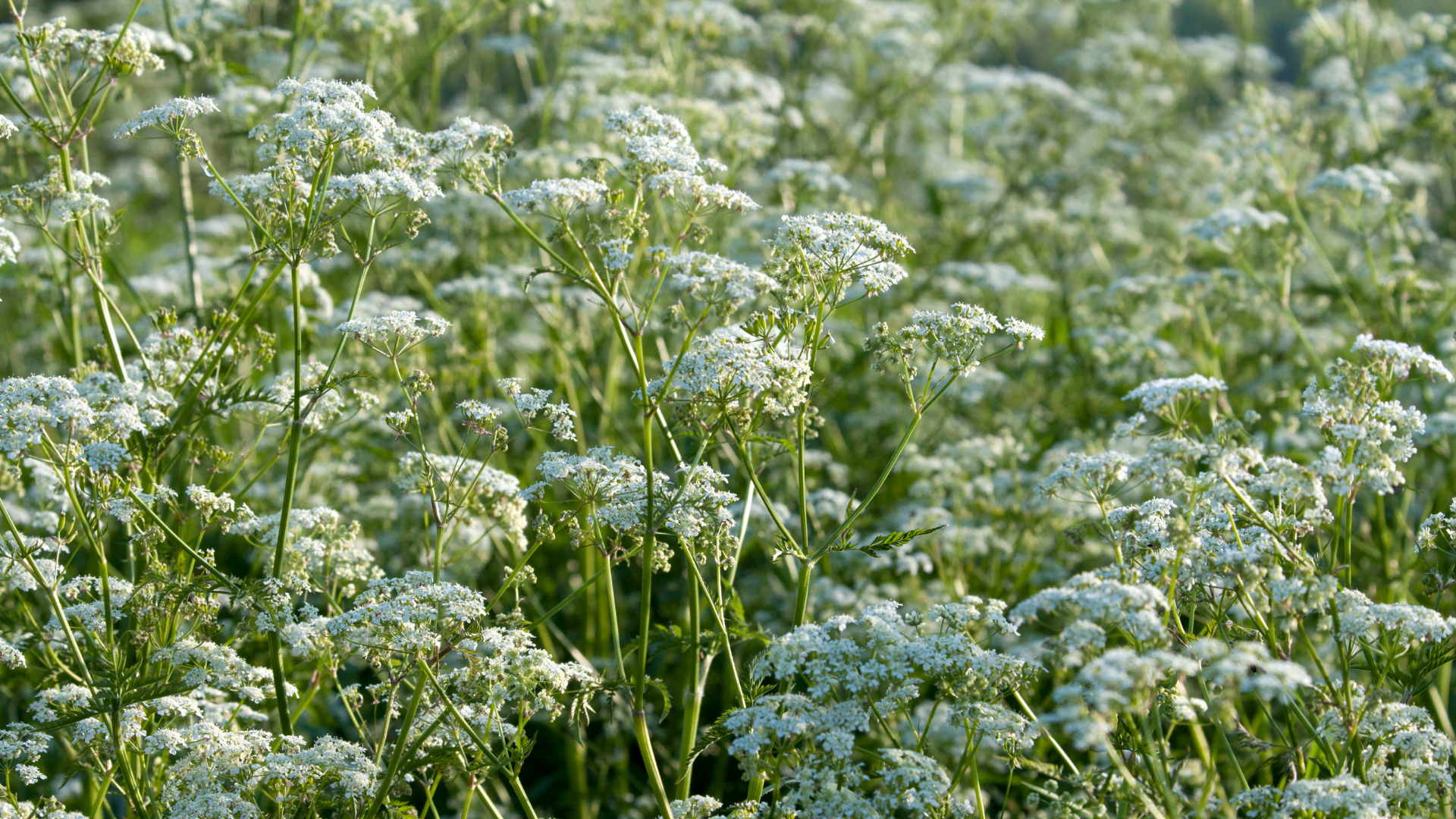
Umbel...ievable: Why the Humble Cow Parsley is Just the Beginning
It lines our lanes, softening hedgerows and brightening verges from Chichester to the South Downs but if you've ever dismissed cow parsley as just a weed, you're missing one of the most extraordinary stories in the plant kingdom.
On the evening of 21 May at The Kennels, renowned horticulturalist Marina Christopher is pulling back the curtain on the Apiaceae family and once you know what's hiding in plain sight, you'll never look at a country walk, a kitchen garden, or a florist's bouquet the same way again.
More than a pretty umbel
Yes, cow parsley is there. But so is your carrot. And your parsley, dill, fennel and coriander. The Apiaceae (also known as the Umbelliferae or the carrot family) is one of the most ecologically and gastronomically important plant families on Earth. From the humble scots lovage clinging to coastal clifftops to the angelica towering over damp ditches, this is a family of extraordinary range.
It is also a family of dramatic contrasts. Some of its members feed nations. Others are among the most poisonous plants in the British countryside. The same elegant, feathery silhouette that signals "supper" can also signal serious danger and knowing the difference has fascinated botanists, herbalists and apothecaries for centuries.
Why it matters in your garden and beyond
This family does something few others can match, it works extraordinarily hard for wildlife. Those flat-topped flower heads, the umbels that give the family its old name, are insect motorways. Hoverflies, parasitic wasps, beetles and a host of specialist pollinators depend on them. Grow a few well-chosen members in the ornamental border and you are not simply adding beautiful, architectural foliage, you are actively supporting pollinator and beneficial insect populations.
An evening in expert company
Marina Christopher has spent decades immersed in this world. After postgraduate research in botany and ecology, she founded Phoenix Perennial Plants - a nursery that has contributed to multiple RHS Chelsea Flower Show 'Best in Show' gardens and is known for its commitment to chemical-free, ecosystem-focused growing. Marina lectures with live plant material rather than slides, making her events genuinely hands-on and immediate.
On the night, she'll be bringing real specimens of common and uncommon species and discussing what makes each one tick. The evening closes with an open Q&A where you can ask about your own garden, specific species, chalk-soil challenges, or anything else on your mind. She'll also be bringing plants, tools and propagation sundries available to purchase on the evening.
Tickets are £25, book yours here.
This is a Members event at The Kennels, open to all Goodwood Sporting members and places are limited. If you've ever wanted to understand what's growing in your hedgerow, improve your garden's value for wildlife, or simply spend an evening in the company of someone who genuinely loves plants and knows them inside out, this is the one to book.