-
Events
-
Festival of Speed
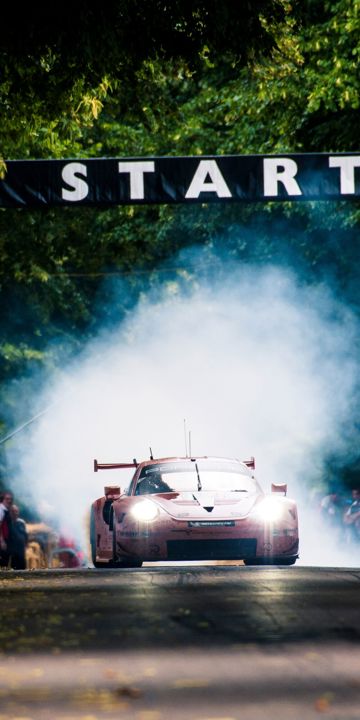

Mad Mike
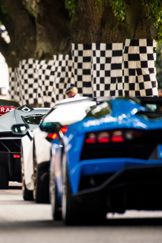
FOS Favourite Mad Mike Whiddett can be caught melting tyres in his incredible collection of cars (and trucks) up the hillclimb
-
Goodwood Revival


Earls Court replica
Our replica of the famous motor show showcases the "cars of the future" in true Revival style
-
Members' Meeting
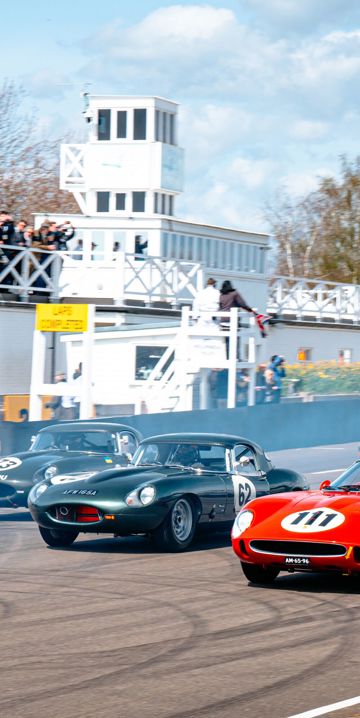

More than motorsport...
Ferret racing and duck herding are two of the many off-track activities at Members' Meeting -
Qatar Goodwood Festival
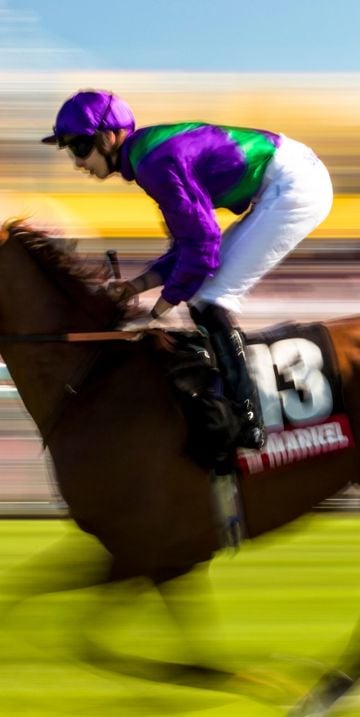

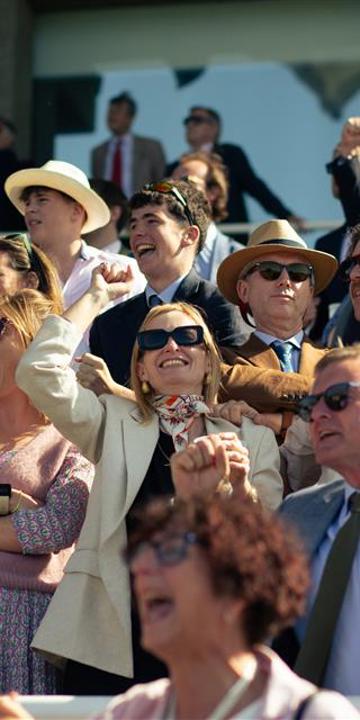
Wearing Linen at the Races
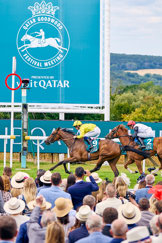
Ever since King Edward VII relaxed the dress code in the 19th century, we have enjoyed a carefree holiday feel here, unlike any other racecourse. -
Goodwoof
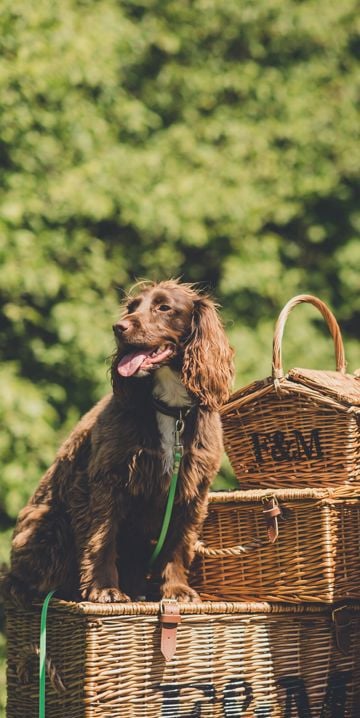

Start in style
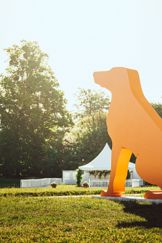
The breed parade sees hundreds of dogs and their owners walk from Goodwood House down to The Kennels to kick start the Goodwoof weekend. -
Horseracing
-
Season Opener
-
May Festival
-
Family Race Day
-
Three Friday Nights
-
August Bank Holiday
-
Autumn Racing
-
Season Finale
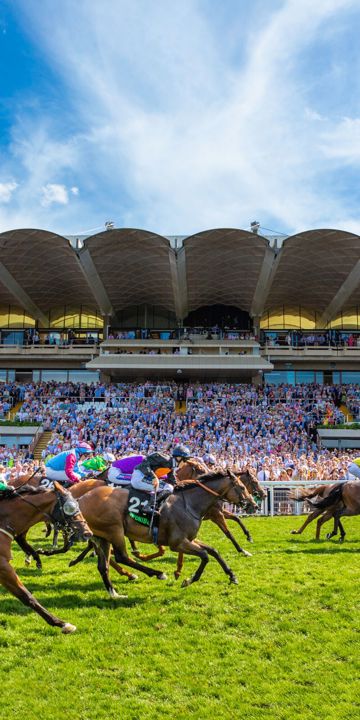

"Glorious Goodwood"
The first public race meeting took place in 1802 and, through the nineteenth century, ‘Glorious Goodwood,’ as the press named it, became a highlight of the summer season
-
Season Opener
-
Breakfast Club
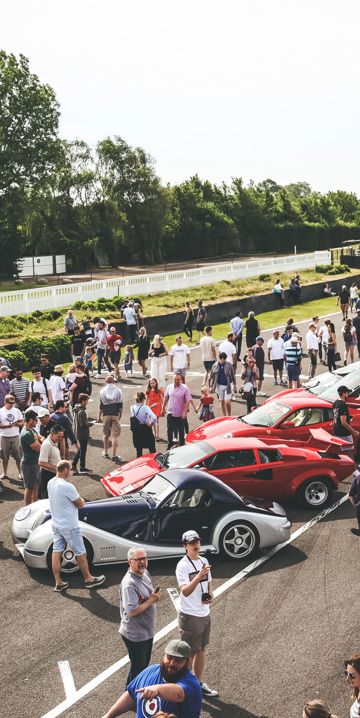

A perfect Sunday morning?
A no-cost, all-welcome motoring show where the visitors and their machines are the stars -
Health Summit
-
Hospitality
-
Exhibiting
-
Partnerships
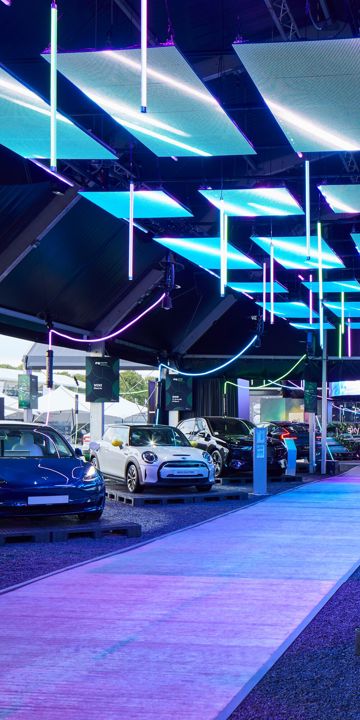

Where else can you...
...plan strategy in an ancient woodland, enjoy award-winning dining then drive around a racetrack?
-
What's on
-
Festival of Speed
-
Visit, Eat, Stay
-
The Goodwood Hotel
-
Rooms
-
Contact Us
-
Christmas
-
New Year's Eve
-
Weddings
-
Kids Activities
-
Offers
-
Local Attractions
-
Plan your stay
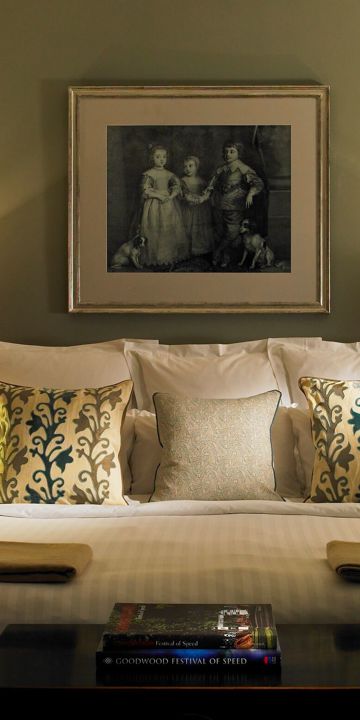

Flying Elephant
The first thing ever dropped at Goodwood was a cuddly elephant which landed in 1932 just as the 9th Duke of Richmonds passion for flying was taking off.
-
Rooms
-
Goodwood Cottages


Battle of Britain
Flying training began at Goodwood in 1940 when pilots were taught operational flying techniques in Hurricanes and Spitfires.
-
Goodwood House
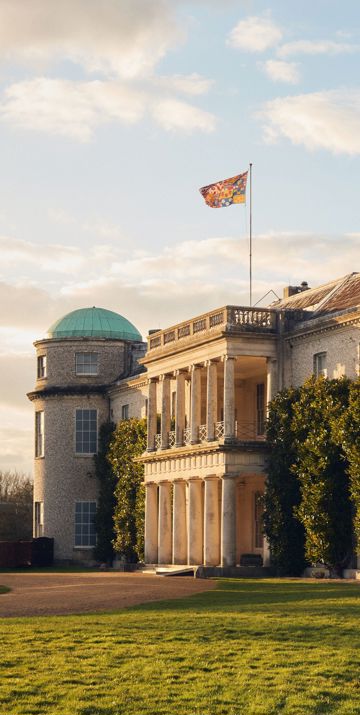

Trained to the highest level
Head Butler David Edney has worked at Buckingham Palace taking part in Dinner Parties for the then Duke of Richmond and the Queen.
-
Restaurants
-
Farmer, Butcher, Chef
-
The Goodwood Bar & Grill
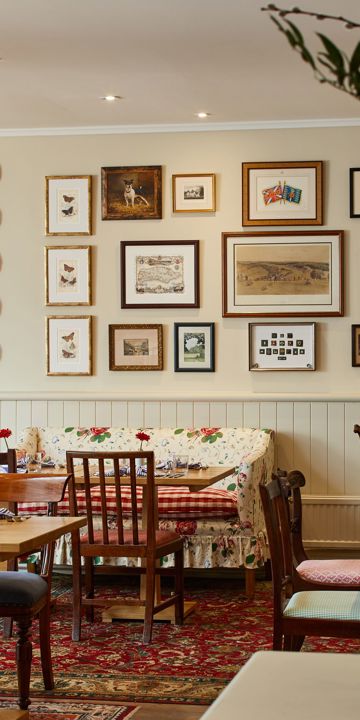
-
The Kennels
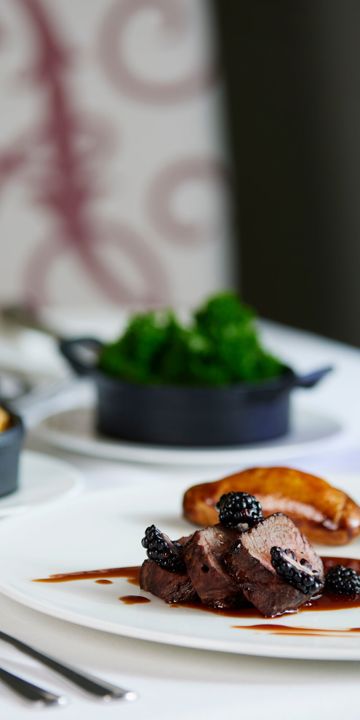
-
Aerodrome Café
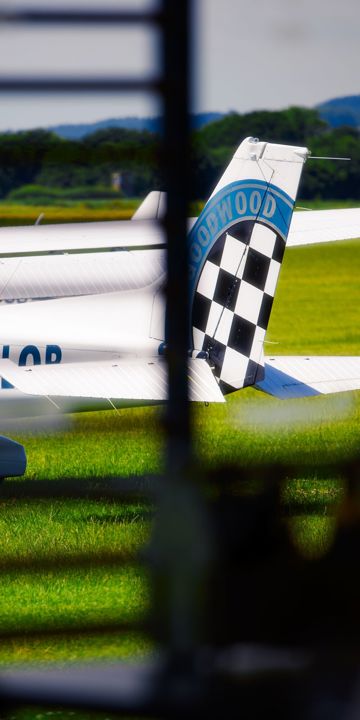
-
Motor Circuit Café

-
Cafe 24
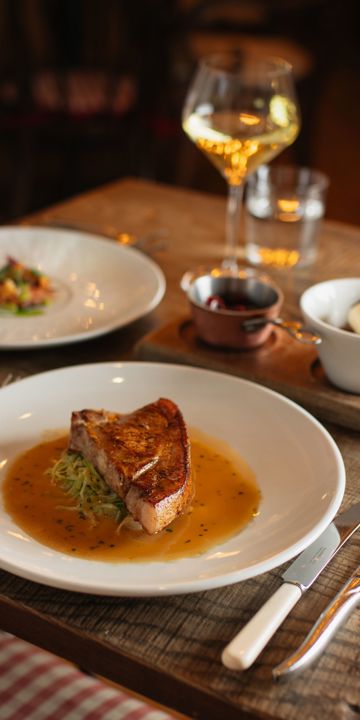

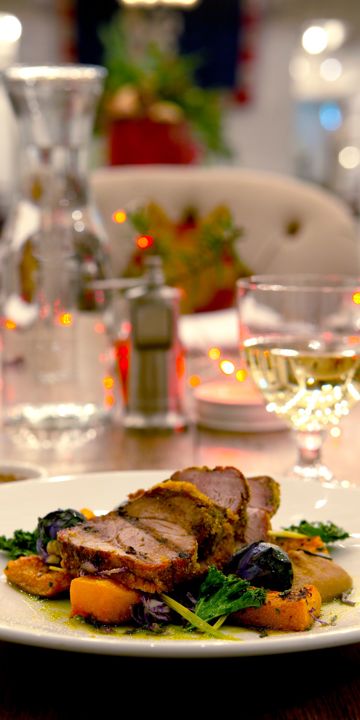
Sustainable state-of-mind
When Farmer, Butcher, Chef opened in 2016 it was awarded the UK’s first-ever Royal Academy of Culinary Arts ‘Sustainable Food Philosophy Seal’. -
Farmer, Butcher, Chef
-
The Kennels
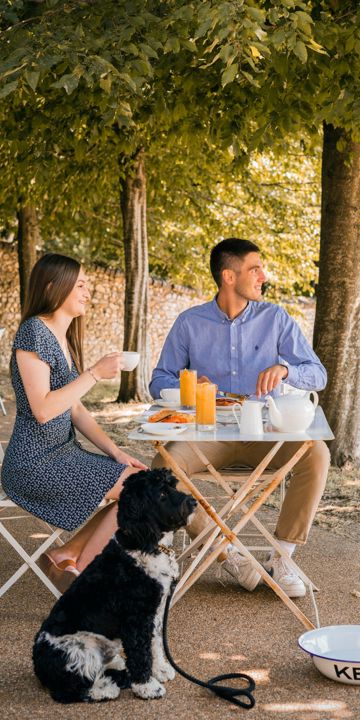

How old is The Kennels?
Built in 1787 by celebrated architect James Wyatt to house the third Duke of Richmond’s prized fox hounds, The Kennels was known as one of the most luxurious dog houses in the world!
-
Motor Circuit


Egyptian Dining Room
Testament to the 19th-century fascination with ancient Egypt and decorative opulence. The room is richly detailed with gilded cartouches, sphinxes, birds and crocodiles.
-
Health & Wellbeing
-
Membership
-
Health Club
-
Gym
-
Run Club
-
Run Series
-
Spa Treatments
-
Wellness Retreats
-
Events Calendar
-
Corporate Wellbeing
-
Health Summit
-
Latest News

Goodwood's first Health Summit...
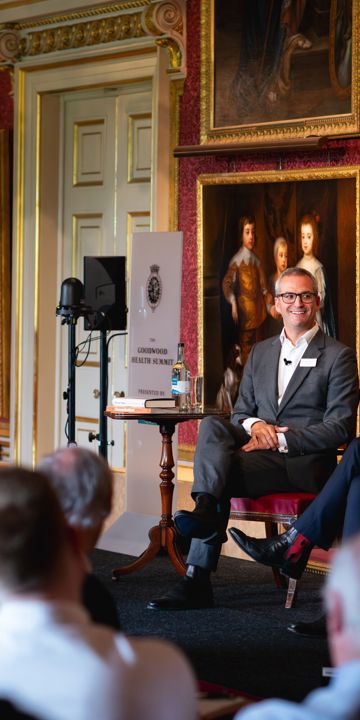
...took place in 2023 with industry experts discussing nutrition costs and food systems for a healthier future. -
Membership
-
Hound Lodge
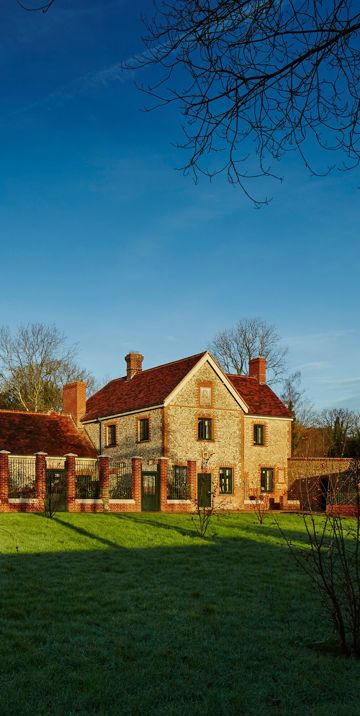

Saved from salvage
4 doors in the lodge were rescued from salvage and expertly split to ensure they meet modern fire standards before being fitted.
-
Goodwood Farm Shop


Lucky Leap
Inspired by the legendary racer, Masten Gregory, who famously leapt from the cockpit of his car before impact when approaching Woodcote Corner in 1959.
-
Parties
-
Goodwood Art Foundation
-
The Goodwood Hotel
-
Motorsport
-
Festival of Speed
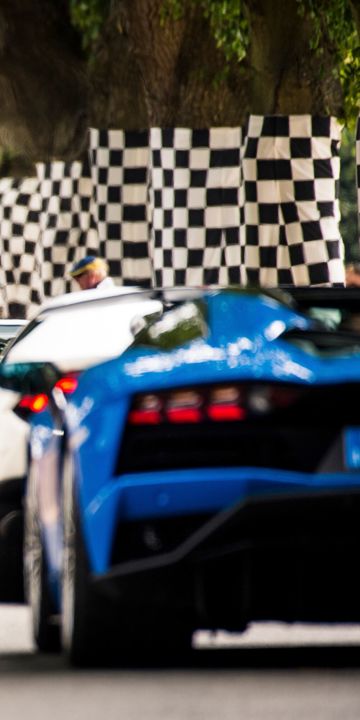
Mad Mike
FOS Favourite Mad Mike Whiddett can be caught melting tyres in his incredible collection of cars (and trucks) up the hillclimb
-
Goodwood Revival


Spectators Favourite
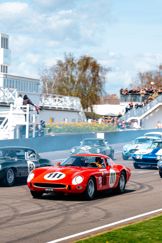
Spectate from the chicane at the Revival to see plenty of classic cars going sideways as they exit this infamous point of our Motor Circuit.
-
Members' Meeting
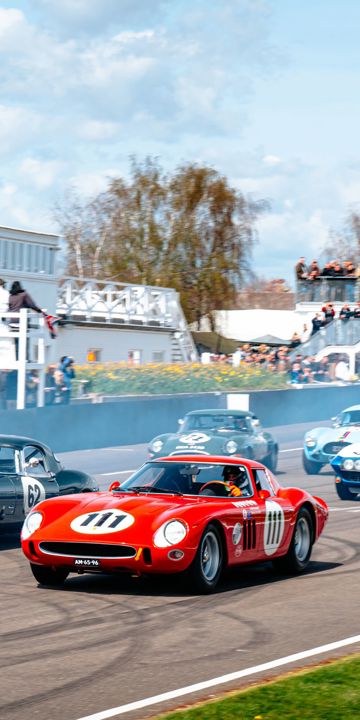

What's that on the startline?
The bricks lining the Festival of Speed startline are 100 years old and a gift from the Indianapolis Speedway "Brickyard" in 2011 to mark their centenary event!
-
Breakfast Club
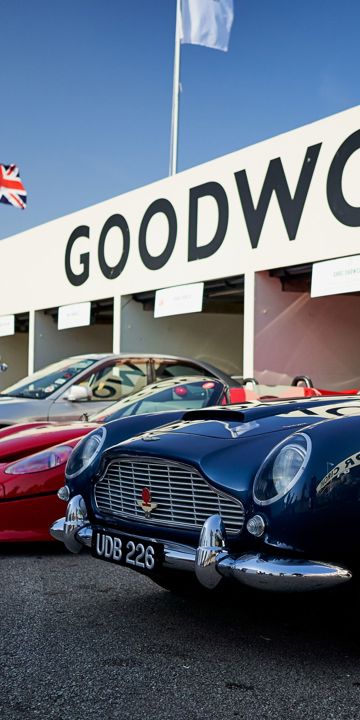
Spectators Favourite
Spectate from the chicane at the Revival to see plenty of classic cars going sideways as they exit this infamous point of our Motor Circuit.
-
Motor Circuit

When was the GRRC founded?
Established in 1998 by the Duke of Richmond, the Goodwood Road Racing Club offers exclusive benefits across the estate year-round -
Driving Experiences
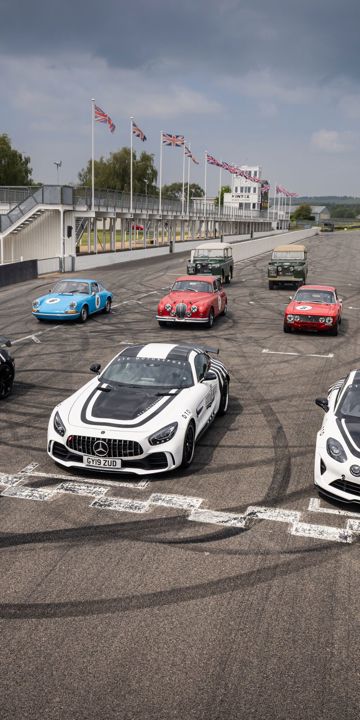
When was the GRRC founded?
Established in 1998 by the Duke of Richmond, the Goodwood Road Racing Club offers exclusive benefits across the estate year-round -
Goodwood Road Racing Club
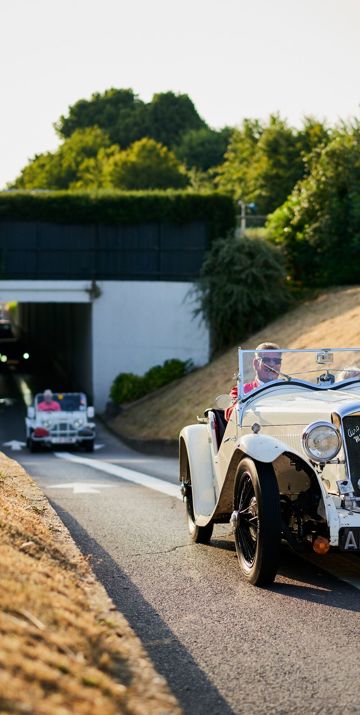

How many hay bales are used at FOS?
For the last two years, 5,800 bales have been recylced into the biomass energy centre to be used for energy generation
-
Latest News
-
Festival of Speed
-
Horseracing
-
Tickets & Packages
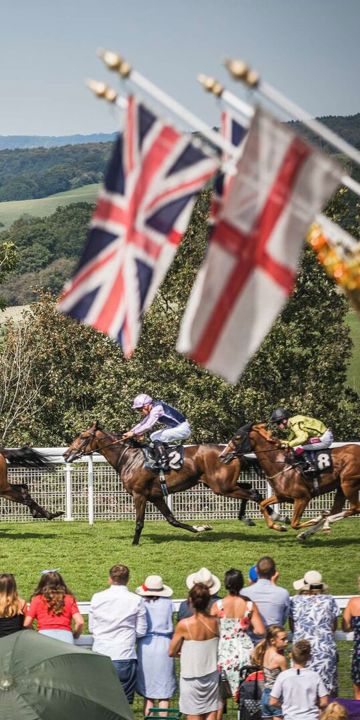

Racing Colours
The red & yellow of the Racecourse can be traced back hundreds of years, even captured in our stunning Stubbs paintings in the Goodwood Collection
-
Buy Merchandise
-
Fixtures & Events
-
Season Opener
-
May Festival
-
Family Race Day
-
Three Friday Nights

-
Qatar Goodwood Festival
-
August Bank Holiday
-
Autumn Racing
-
Season Finale

Why walk when you can drive
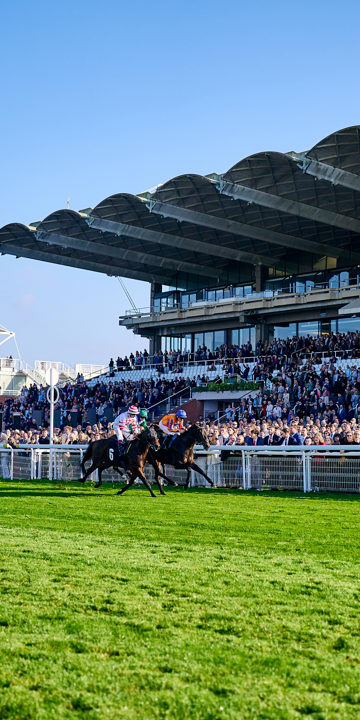
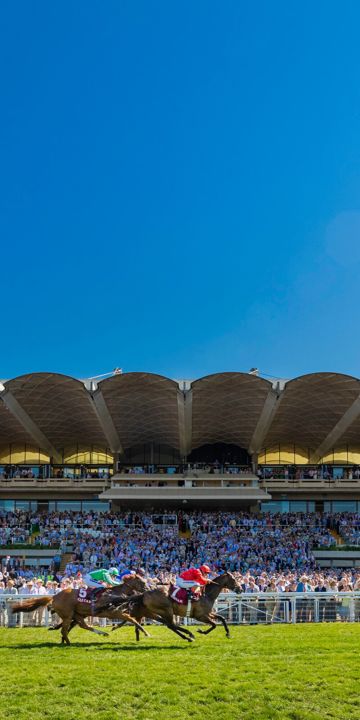
The first ever horsebox was used from Goodwood to Doncaster for the 1836 St. Leger. Elis arrived fresh and easily won his owner a £12k bet.
-
Season Opener
-
Qatar Goodwood Festival
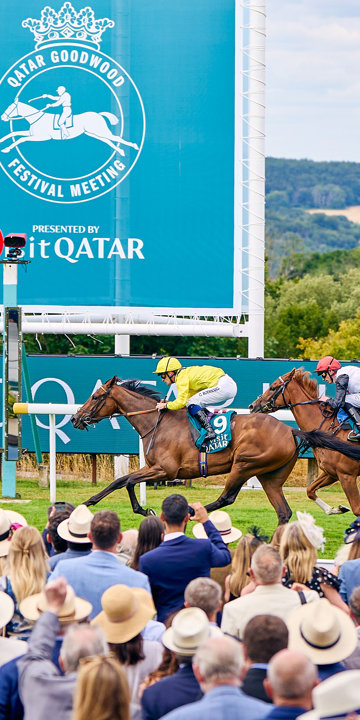

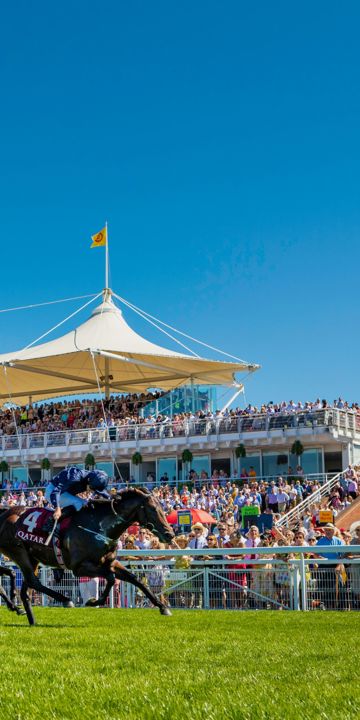
The Magnolia Cup
Leading women of business, sport, fashion and media, take part in one of the most exciting horseracing events in the world.
-
Three Friday Nights
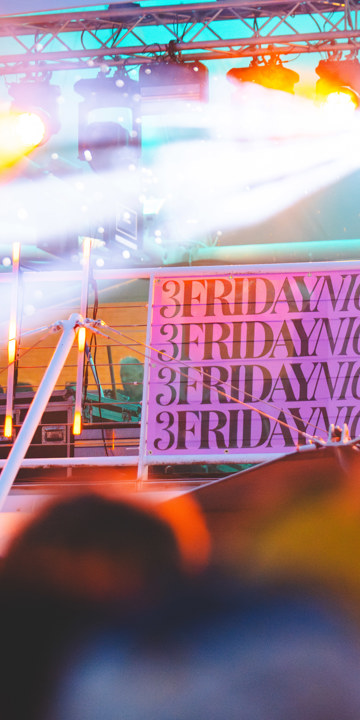
"Glorious Goodwood"
The first public race meeting took place in 1802 and, through the nineteenth century, ‘Glorious Goodwood,’ as the press named it, became a highlight of the summer season
-
Hospitality
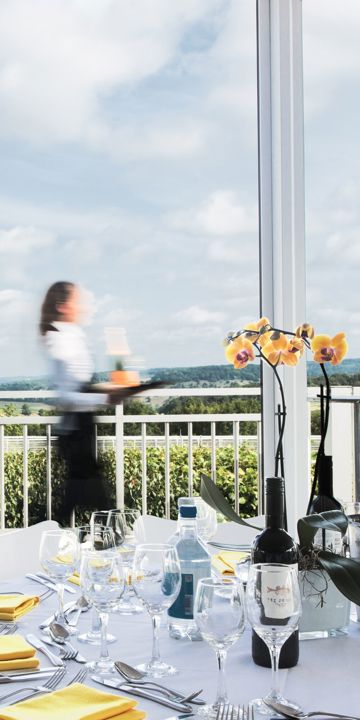

Royal approval
King Edward VII (who came almost every year) famously dubbed Glorious Goodwood “a garden party with racing tacked on”.
-
Partners
-
Plan Your Day
-
Enclosures
-
Event Map
-
Going Report
-
Getting Here
-
Betting at Goodwood
-
Dress Code
-
Accessibility
-
Food & Drink
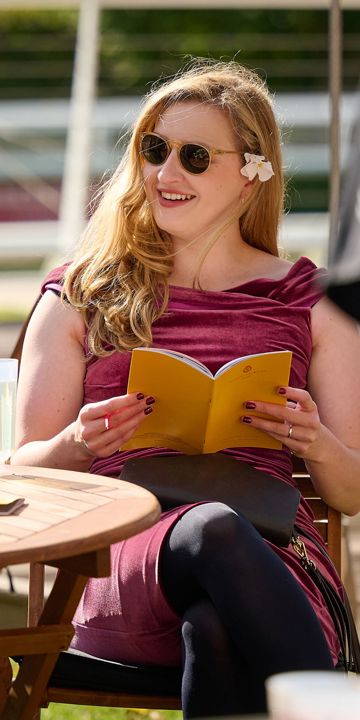
Royal approval
King Edward VII (who came almost every year) famously dubbed Glorious Goodwood “a garden party with racing tacked on”.
-
Enclosures
-
Latest News
-
Owners & Trainers
-
Goodwood Horseracing Club
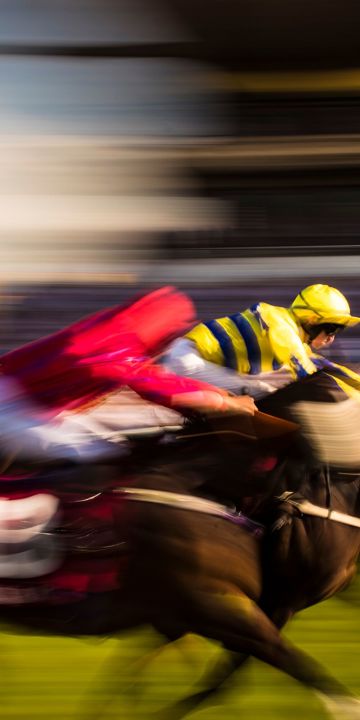
"Glorious Goodwood"
The first public race meeting took place in 1802 and, through the nineteenth century, ‘Glorious Goodwood,’ as the press named it, became a highlight of the summer season
-
FAQs
-
Accessibility
-
Tickets & Packages
-
Experiences
-
Driving
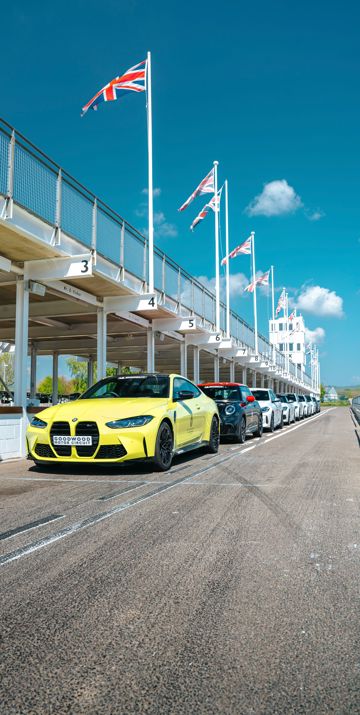

Goodwood Heroes
Legend of Goodwood's golden racing era and Le Mans winner Roy Salvadori once famously said "give me Goodwood on a summer's day and you can forget the rest".
-
Flying


Flying with Goodwood
Come with us for an epic journey. -
Golf

Over 100 years of Golf
The first ever round of golf played at Goodwood was in 1914 when the 6th Duke of Richmond opened the course on the Downs above Goodwood House.
-
Shooting
Egyptian Dining Room
Testament to the 19th-century fascination with ancient Egypt and decorative opulence. The room is richly detailed with gilded cartouches, sphinxes, birds and crocodiles.
-
Afternoon Tea

Scottish Heritage
The Gordon Tartan has been worn by the Dukes and Duchesses over the last 300 years.
-
Corporate Wellbeing
Goodwood's first Health Summit...
...took place in 2023 with industry experts discussing nutrition costs and food systems for a healthier future. -
Cycling
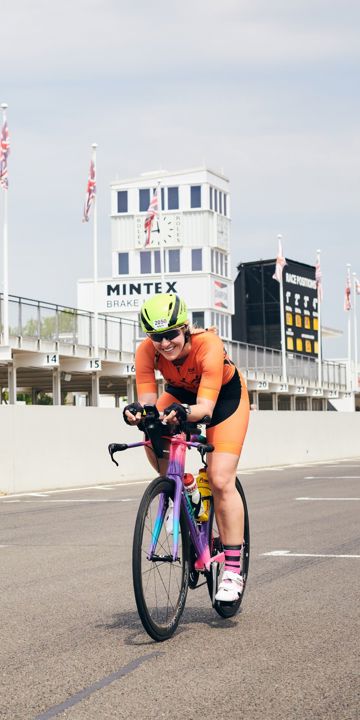

During the war...
The Motor Circuit was known as RAF Westhampnett, active from 1940 to 1946 as a Battle of Britain station. -
Corporate Experiences
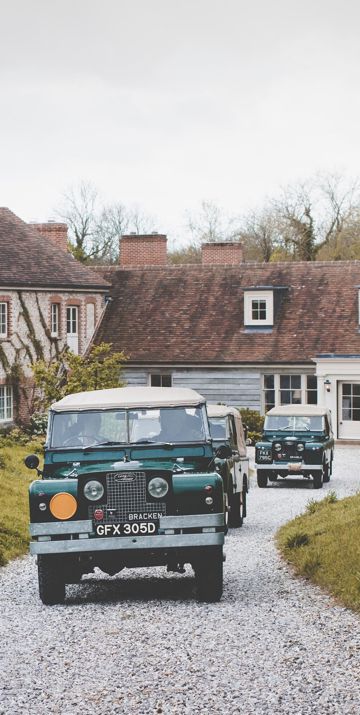
Where else can you...
...plan strategy in an ancient woodland, enjoy award-winning dining then drive around a racetrack?
-
Spa Treatments
-
Driving
-
Golf
-
Golf Courses
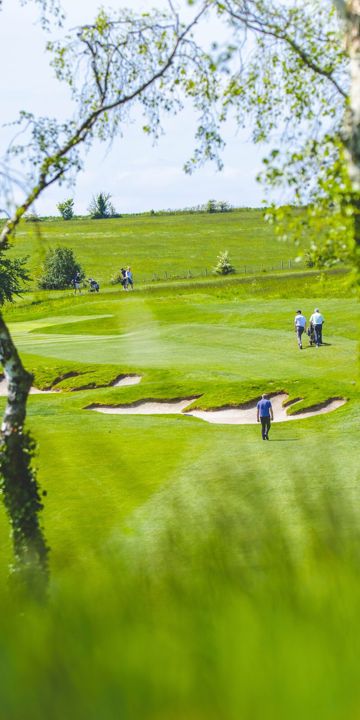

Braid’s Masterpiece
One of the greatest golfers of all time, James Braid designed Goodwood’s iconic Downland course, opened in 1914.
-
Golf Membership
-
Credit Membership
-
Application Form
-
Intermediate Membership
-
Junior Membership
-
Corporate Membership
-
Copse Membership

Braid’s Masterpiece
One of the greatest golfers of all time, James Braid designed Goodwood’s iconic Downland course, opened in 1914.
-
Credit Membership
-
The Academy
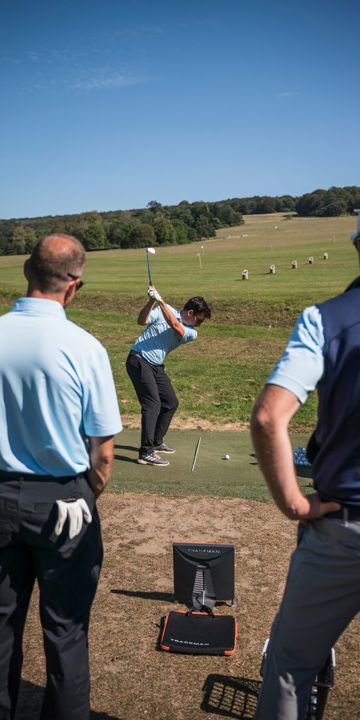

A sporting Estate
Goodwood has two 18-hole championship courses, a modern clubhouse and an impressive Academy. -
Golf Experiences

Over 100 years of Golf
The first ever round of golf played at Goodwood was in 1914 when the 6th Duke of Richmond opened the course on the Downs above Goodwood House.
-
Golf Courses
-
Flying
-
Flying School
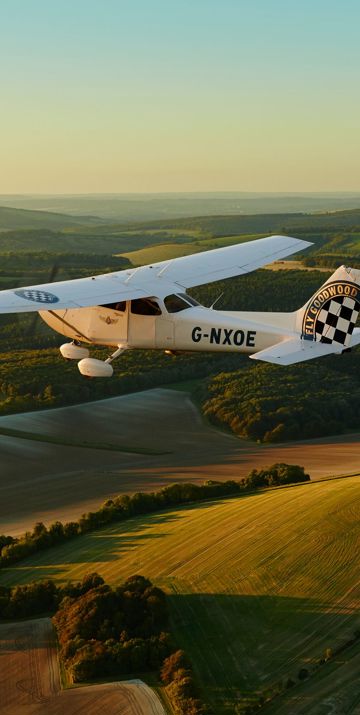
During the war...
The Motor Circuit was known as RAF Westhampnett, active from 1940 to 1946 as a Battle of Britain station. -
Aero Club Membership
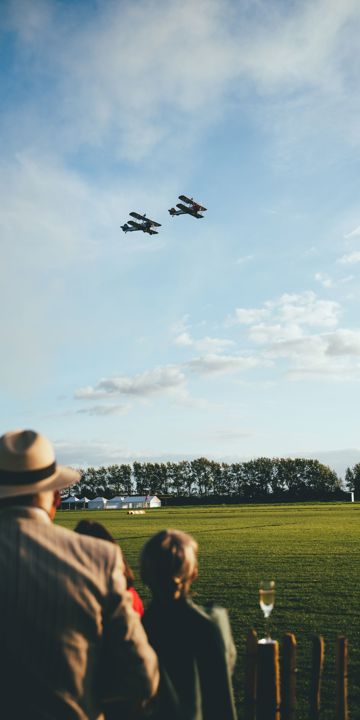

Ace Pilot
Ray Hanna famously flew straight down Goodwood’s pit straight below the height of the grandstands at the first Revival in 1998
-
Flying Experiences
-
Pilot Information
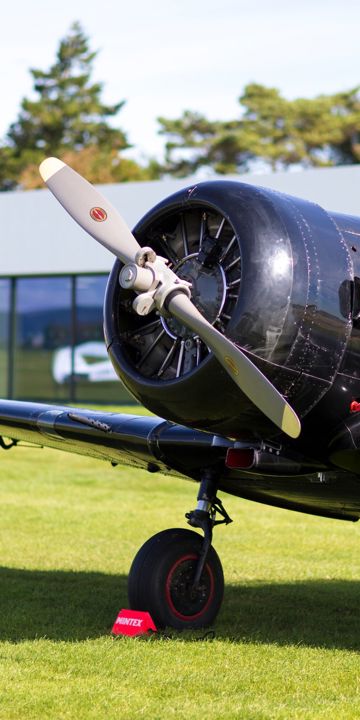
Flying Elephant
The first thing ever dropped at Goodwood was a cuddly elephant which landed in 1932 just as the 9th Duke of Richmonds passion for flying was taking off.
-
Flying School
-
Meetings
-
Venue Hire
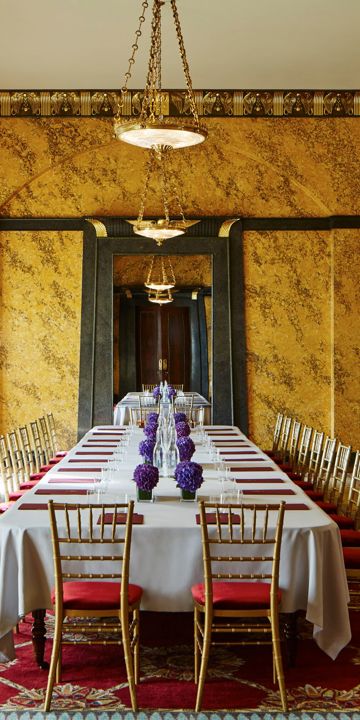
Where else can you...
...plan strategy in an ancient woodland, enjoy award-winning dining then drive around a racetrack?
-
Plan Your Meeting
-
Parties
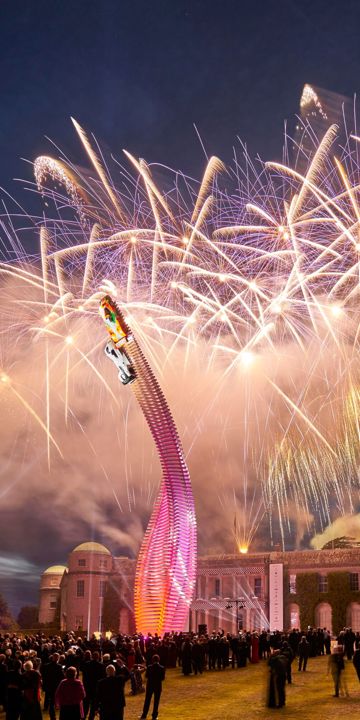
Where else can you...
...plan strategy in an ancient woodland, enjoy award-winning dining then drive around a racetrack?
-
Hospitality

-
Corporate Experiences

Where else can you...
...plan strategy in an ancient woodland, enjoy award-winning dining then drive around a racetrack?
-
Christmas Parties
-
Film Locations
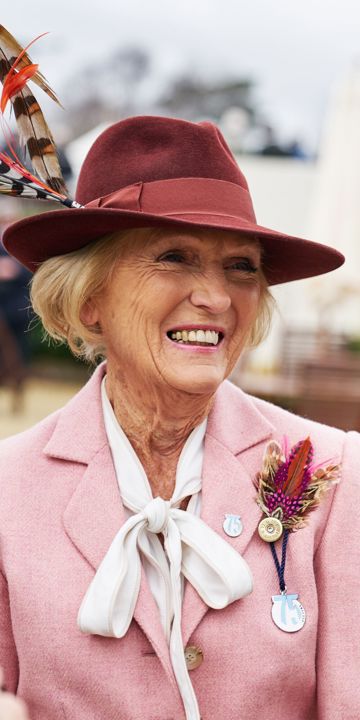
Where else can you...
...plan strategy in an ancient woodland, enjoy award-winning dining then drive around a racetrack?
-
Venue Hire
-
Weddings
-
Goodwood House
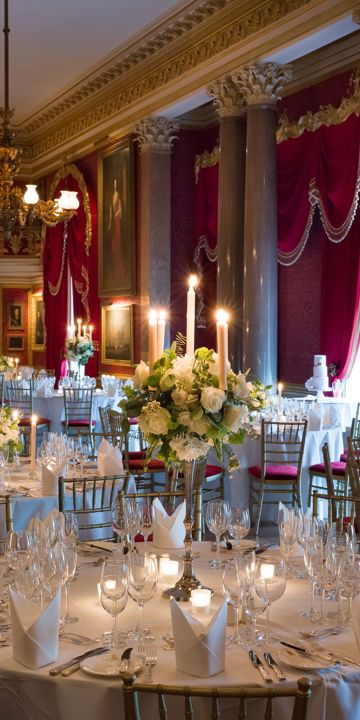
Duke of Richmond and Gordon
The Duke of Richmond holds the title of Duke of Richmond and Gordon. This title reflects the historical association with both the Richmond and Gordon families.
-
The Kennels


Fashionable foxhounds
The 1st Duke of Richmond bought Goodwood in 1697 as a place to stay to go foxhunting with the fashionable Charlton Hunt. -
Parties
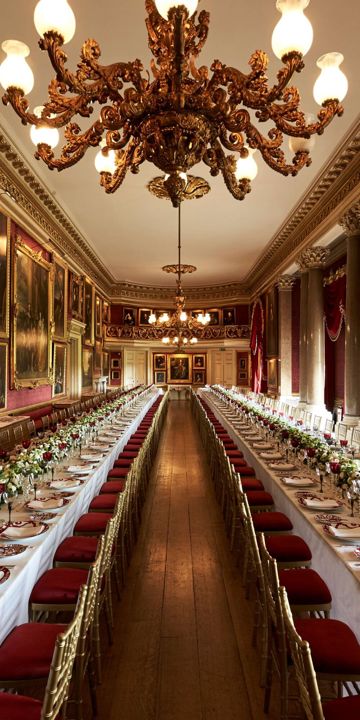
Where else can you...
...plan strategy in an ancient woodland, enjoy award-winning dining then drive around a racetrack?
-
Goodwood House
-
Memberships
-
Goodwood Road Racing Club
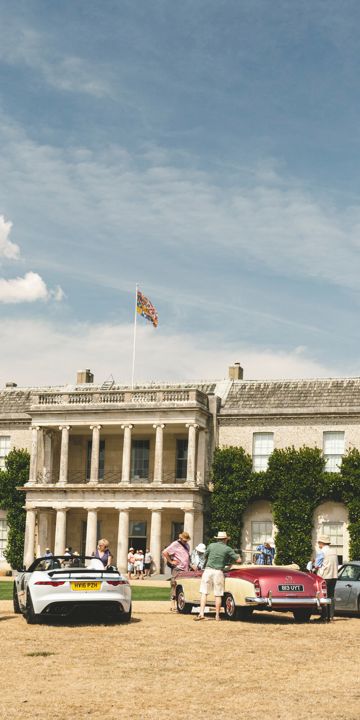
When was the GRRC founded?
Established in 1998 by the Duke of Richmond, the Goodwood Road Racing Club offers exclusive benefits across the estate year-round -
Goodwood Horseracing Club
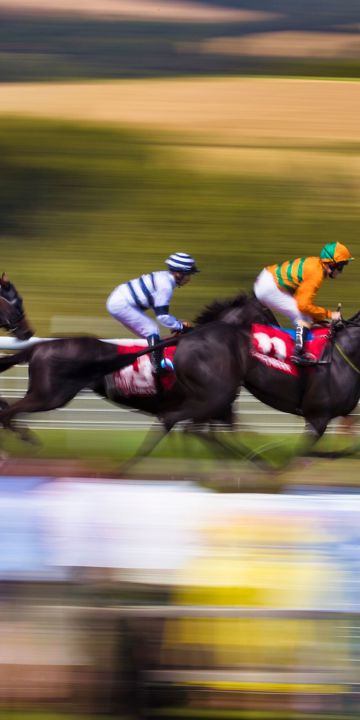

Why does everyone wear hats?
One Summer, King Edward VII turned his back on the traditional morning suit, and donned a linen suit and Panama hat. Thus the Glorious Goodwood trend was born.
-
Golf At Goodwood
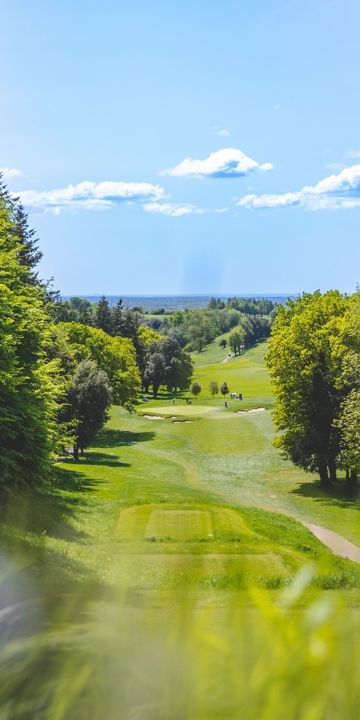
Braid’s Masterpiece
One of the greatest golfers of all time, James Braid designed Goodwood’s iconic Downland course, opened in 1914.
-
Goodwood Aero Club

During the war...
The Motor Circuit was known as RAF Westhampnett, active from 1940 to 1946 as a Battle of Britain station.
-
Goodwood Health Club
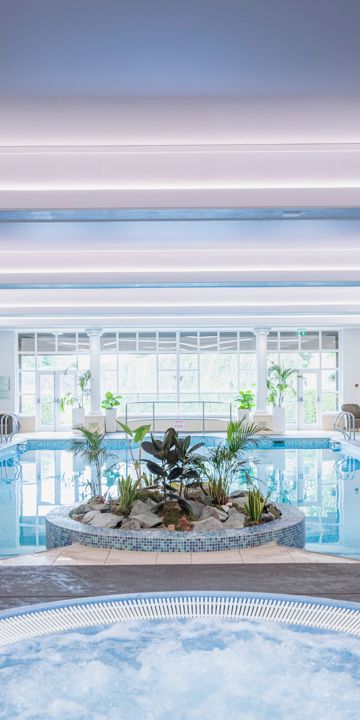
Goodwood's first Health Summit...
...took place in 2023 with industry experts discussing nutrition costs and food systems for a healthier future. -
The Kennels

How old is The Kennels?
Built in 1787 by celebrated architect James Wyatt to house the third Duke of Richmond’s prized fox hounds, The Kennels was known as one of the most luxurious dog houses in the world!
-
Sporting Membership

Lucky Leap
Inspired by the legendary racer, Masten Gregory, who famously leapt from the cockpit of his car before impact when approaching Woodcote Corner in 1959.
-
Goodwood Racehorse Owners Group
-
Goodwood Art Foundation
-
Goodwood Road Racing Club
- Classic Car Insurance
- Health & Wellbeing
- Buy Merchandise
-
Our Estate
-
What's on
-
Estate Map
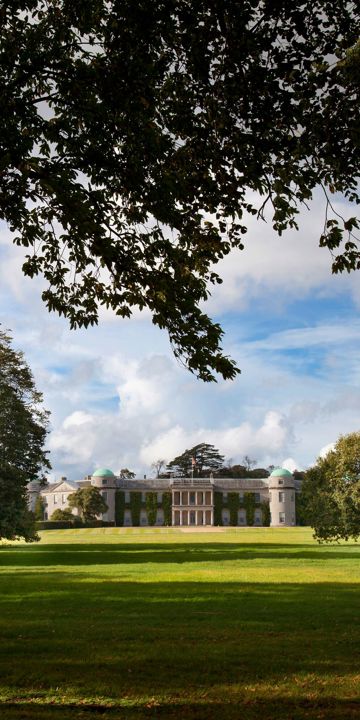

Group Captain Sir Douglas Bader
The famous fighter ace, who flew his last sortie from Goodwood Aerodrome, formerly RAF Westhampnett has a statue in his honor within the airfield.
-
Stories from the Estate
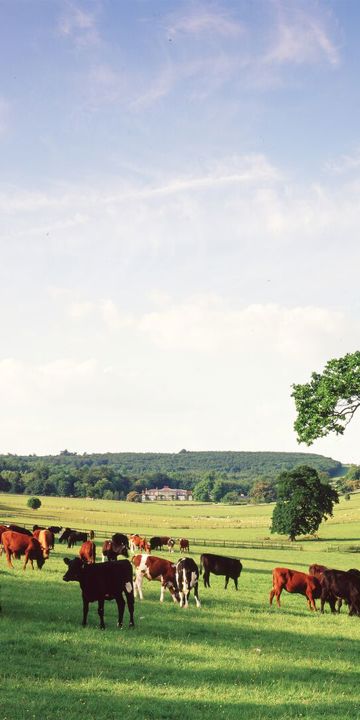
Group Captain Sir Douglas Bader
The famous fighter ace, who flew his last sortie from Goodwood Aerodrome, formerly RAF Westhampnett has a statue in his honor within the airfield.
-
Goodwood Education Trust
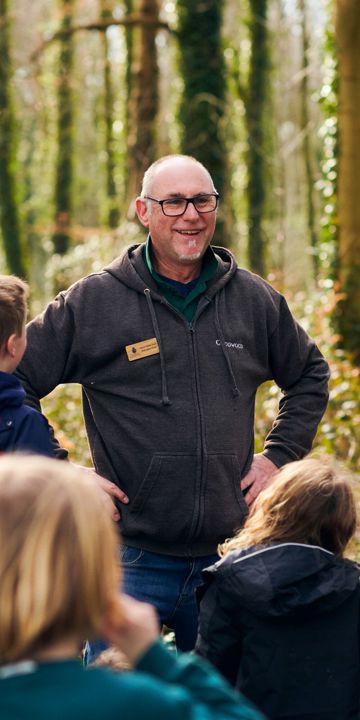
Estate Crest
"En la rose je fleurie" or "Like the rose, I flourish" is part of the Richmond coat of Arms and motto
-
Charities
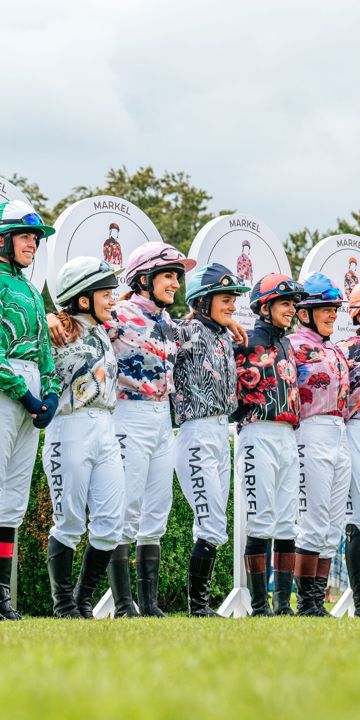
Fashionable foxhounds
The 1st Duke of Richmond bought Goodwood in 1697 as a place to stay to go foxhunting with the fashionable Charlton Hunt. -
Sustainability

Group Captain Sir Douglas Bader
The famous fighter ace, who flew his last sortie from Goodwood Aerodrome, formerly RAF Westhampnett has a statue in his honor within the airfield.
-
Diversity, Equity & inclusion
-
Property
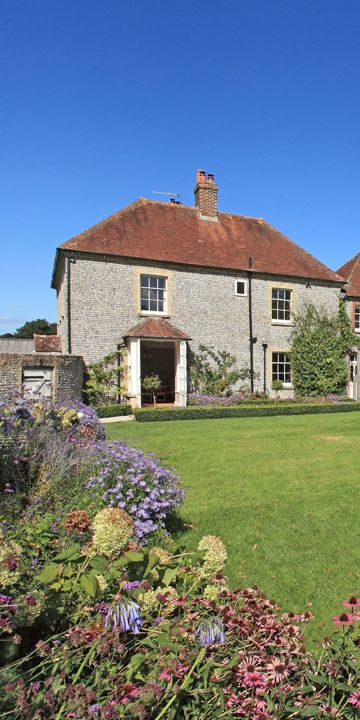
Estate Crest
"En la rose je fleurie" or "Like the rose, I flourish" is part of the Richmond coat of Arms and motto
-
Walking Guide

Battle of Britain
Flying training began at Goodwood in 1940 when pilots were taught operational flying techniques in Hurricanes and Spitfires.
-
Dog Walking Field
-
Careers
Group Captain Sir Douglas Bader
The famous fighter ace, who flew his last sortie from Goodwood Aerodrome, formerly RAF Westhampnett has a statue in his honor within the airfield.
-
Goodwood Art Foundation
-
Farm Shop
-
What's on
- Christmas



Upcoming Events

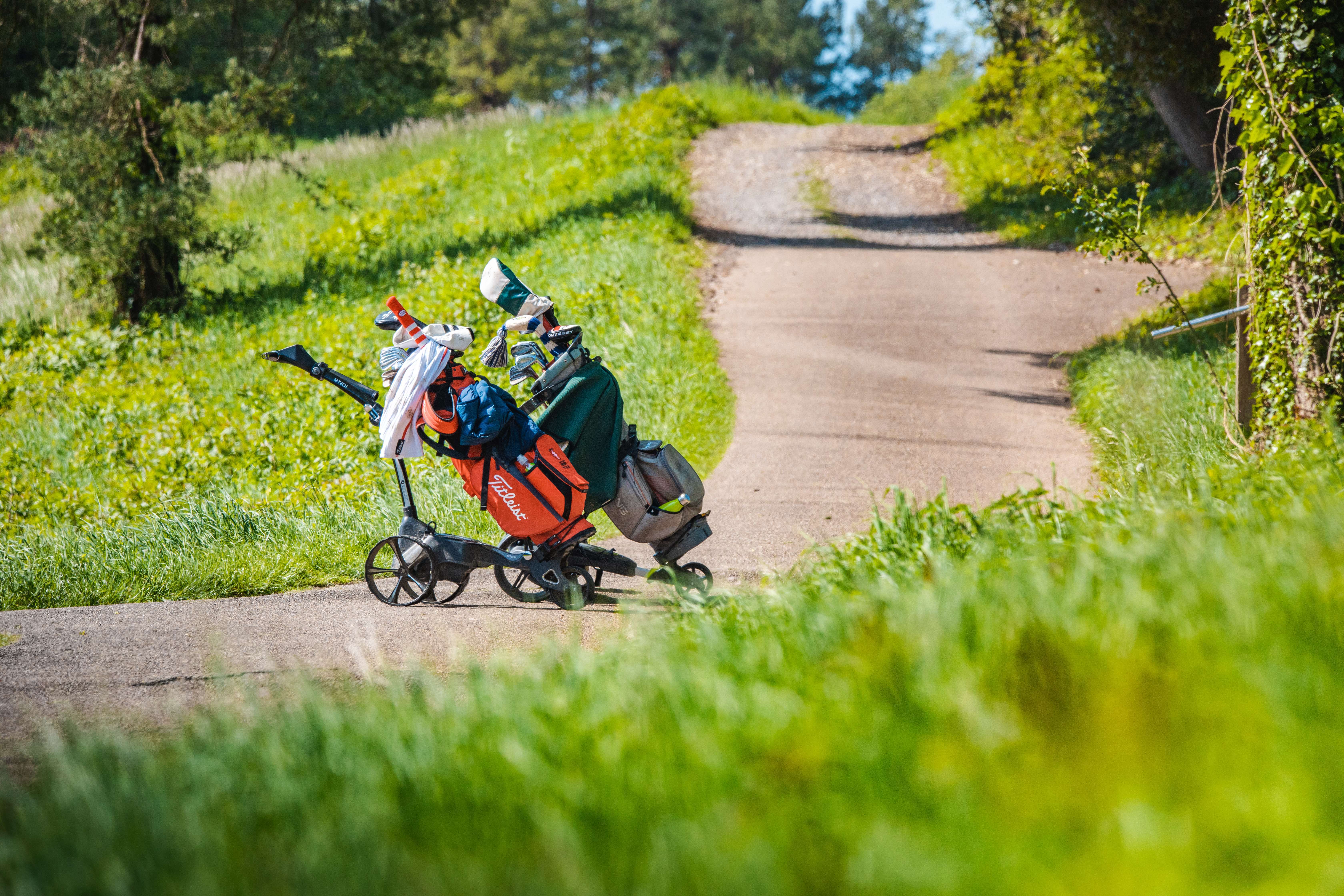
The Downs course
I will start with our Nematode issue on our greens. As I have mentioned previously that the 9th green has suffered badly from these microscopic worms, however, we have noticed nearly all greens have some affected areas on them.
We have had soil samples tested in a turf laboratory prior to an application of an organic garlic product (which is the only available product that will help reduce numbers). After the application was made, we re-tested and the numbers dropped to an acceptable level, we then sprayed Garlic again 14 days later, to reduce numbers even more.
Although this has lowered the numbers in the soil, it has been too late to affect the numbers inside the root system itself, which after speaking to the UK leading specialist, has told me the cyst nematode (bad nematode) would have been laying eggs in the root system in the spring, with no signs of symptoms, until it was too late. Therefore, to prevent this happening next year, we will be sending soil samples bi-weekly in the spring to allow us to know when the female cyst nematodes will be laying eggs, so we can minimise any damage before it takes effect later on in the year. After the garlic product has reduced nematode numbers, we then sprayed a bio nutrient package to increase the numbers of the good nematodes which also help us reduce the unwanted nematodes in the soil profile.
Unfortunately, due to this and some other summer diseases we had last month, the turf is much weaker than normal and this is a concern going into the autumn. We will look to maintain good plant health and apply products that have aided us in the past few years to minimise disease.
We continue with our sand top dressing on a bi-weekly basis, however, sometimes this may be done weekly to catch up on missed dressing due to the disease present in the last few months. Top dressing or dusting provide a truer and faster surface to putt on as there is less resistance between the ball and leaf blade. It also dilutes our thatch layer, which also aids in improving the health of the plant. The AVG green speed for the past four weeks has been 9.6 on the stimpmeter, getting up to 10.1 on Club Championship days. Moisture levels were higher than normal with a 30% average (target range 20%-25%) and trueness was in target range averaging at 90%, which was pleasing. I would just like to say a thank you to my team for all the hard work they’ve put in so far this year, especially around Club Championships, where there were a few evening shifts before each competition to produce the course to the best it could be with the resources we have.
With the considerable amount of rain we have had in the past six weeks, the course is looking great and is extremely green. It is the first time in many years that we are cutting the rough constantly (in normal summers we normally cut on a two-week basis). Therefore, there may be some more grass clippings around than normal.
Weeds in the bunkers have now been sprayed with total weedkiller to help with presentation. We continue to move sand to help with bunker levels, however sometimes these hazards have a minimal rake, because of the higher frequency of cutting in the current conditions.
Next month we are scheduled to cut and collect the long rough. This will take a few weeks as it is thicker this year due to the wet spring we encountered earlier in the year.
Finally, The Downs Deputy Head Greenkeeper, Dan Cornish and Agronomy team member, Danny Carter qualified for the BIGGA National Final last week after playing at West Sussex Golf Club in the regional qualifier. Dan won the best gross score with +2 and Danny won the nett Stableford with 39 points and also came 3rd on gross with a score of +3. We wish them all the best in the final which takes place in September.
Look forward to seeing you on the course!
Rob Dyer, Head Greenkeeper, The Downs Course


The Park Course
The Academy Short Course work goes from strength to strength, and we are delighted with the progress. For those of you who’ve passed by on your way to the Academy, or as you are out on the Green, I’m sure you are as keen as we are to see the work in development, and looking forward to the opening when it comes around.
On the course itself, throughout August the greens have remained consistent in speeds and performance. It’s clear to see the benefits from our regular maintenance. We’ve been using folia feeds that help aid heat stress and grass health and soil feeds that help enhance root growth and improve oxygen availability for the plant, as well as cultural tasks such as light sand dressing to aid with trueness and speed. All these practices have been vital in keeping the greens at a very high level.
It has been business as usual on the rest of the course; 100mm of rain throughout the month and the recent rise in temperature has given us a nice growth boost, which has helped our re-seeding programme on some of the damaged areas throughout the course, especially the damage to the 10th fairway.
Bunker work is always an ongoing task with Flymo, edging and topping up the sand a regular job throughout the month.
The good old British summer has been more than a little unpredictable and the more monsoon-like showers we’ve experienced have caused a few challenges. However, cutting continues to keep standards high.
And finally, the Golf At Goodwood Club Championship week went as planned. The Greens were stimping at 10.10 for the Mens and 100% true. We received lots of great feedback which is always appreciated, so thank you to those of you who shared with us, it motivates and drives the team.
See you on the course,
Simon Berry (Head Greenkeeper)