-
Events
-
Festival of Speed
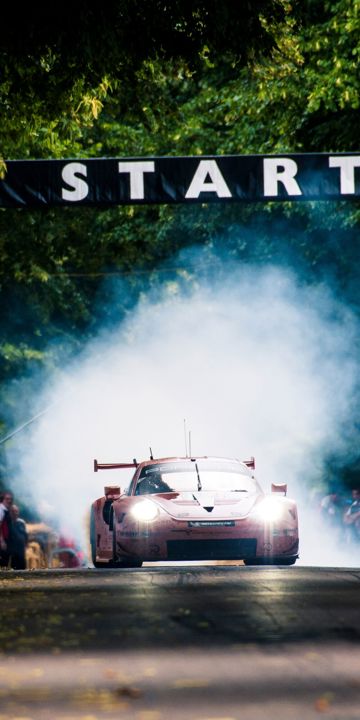

Taming the "Beast"
The Fiat S76 or "Beast of Turin" is a Goodwood favourite and can usually be heard before it is seen at #FOS
-
Goodwood Revival


Spectators Favourite
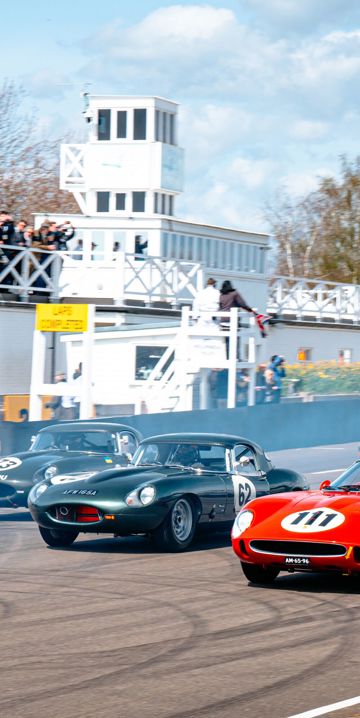
Spectate from the chicane at the Revival to see plenty of classic cars going sideways as they exit this infamous point of our Motor Circuit.
-
Members' Meeting

More than motorsport...
Ferret racing and duck herding are two of the many off-track activities at Members' Meeting -
Qatar Goodwood Festival
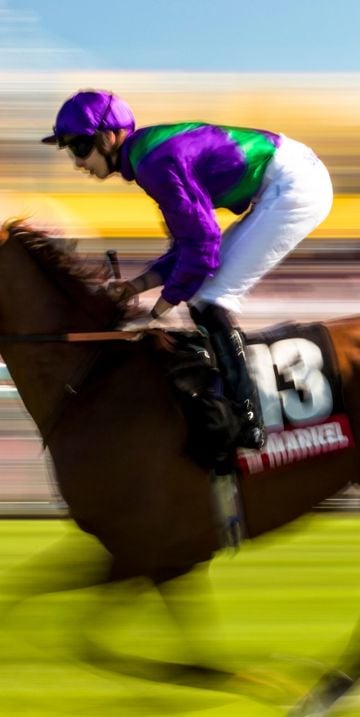

Why does everyone wear hats?
King Edward VII turned his back on the traditional morning suit and donned a linen suit and Panama hat. Thus the Glorious Goodwood trend was born.
-
Goodwoof
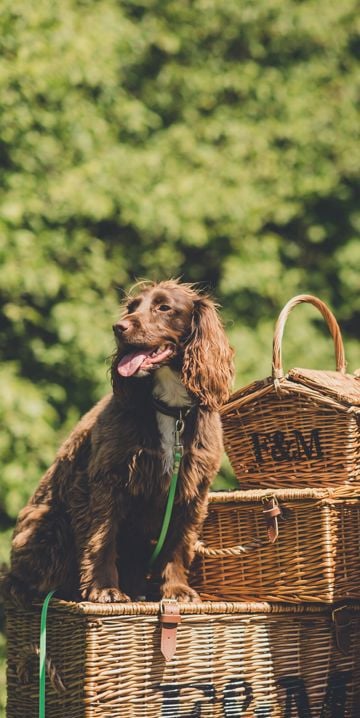

Start in style
The breed parade sees hundreds of dogs and their owners walk from Goodwood House down to The Kennels to kick start the Goodwoof weekend. -
Horseracing
-
Season Opener
-
May Festival
-
Family Race Day
-
Three Friday Nights
-
August Bank Holiday
-
Autumn Racing
-
Season Finale
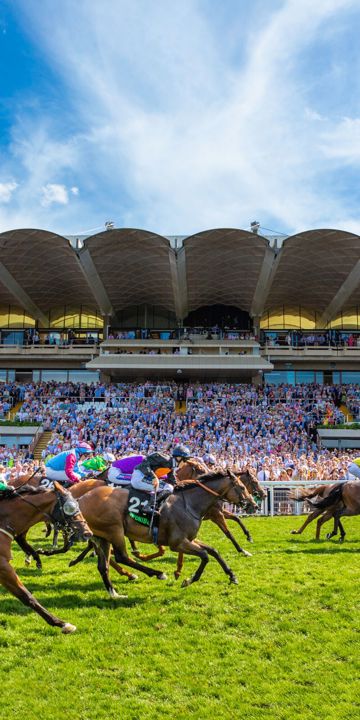

Why walk when you can drive
The first ever horsebox was used from Goodwood to Doncaster for the 1836 St. Leger. Elis arrived fresh and easily won his owner a £12k bet.
-
Season Opener
-
Breakfast Club
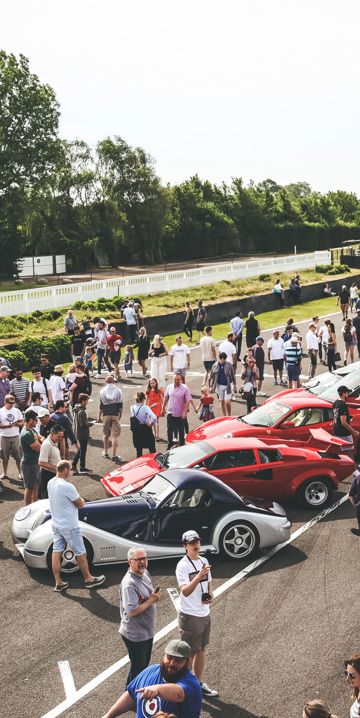

A perfect Sunday morning?
A no-cost, all-welcome motoring show where the visitors and their machines are the stars -
Health Summit
-
Hospitality
-
Exhibiting
-
Partnerships
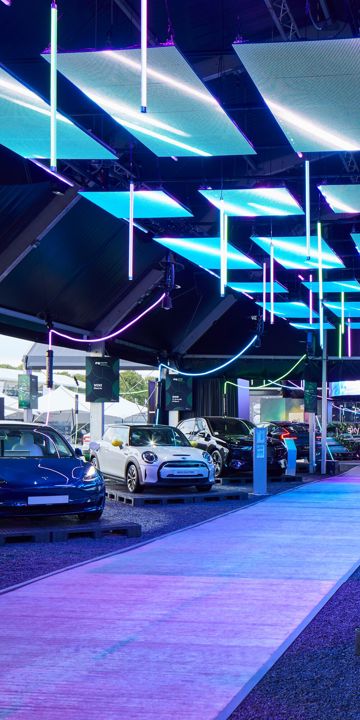

Where else can you...
...plan strategy in an ancient woodland, enjoy award-winning dining then drive around a racetrack?
-
What's on
-
Festival of Speed
-
Visit, Eat, Stay
-
The Goodwood Hotel
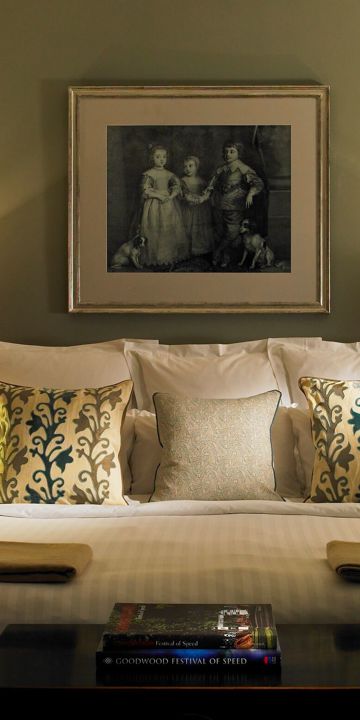

Grogger
Easy boy! The charismatic Farnham Flyer loved to celebrate every win with a pint of beer. His Boxer dog, Grogger, did too and had a tendancy to steal sips straight from the glass.
-
Goodwood Cottages


St Simon
Whoa Simon! A horse so determined and headstrong, he not only won the 1883 Goodwood Cup by 20 lengths, but couldn't be stopped and carried on running over the top of Trundle hill
-
Goodwood House
-
Afternoon Tea & Tour
-
The Collection
-
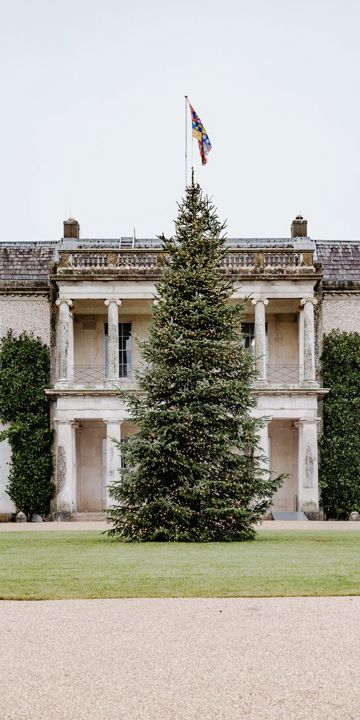
Christmas Afternoon Tea & Tour
-
Exhibitions
-
History
-
Weddings
-
Copper Dome Restoration
-
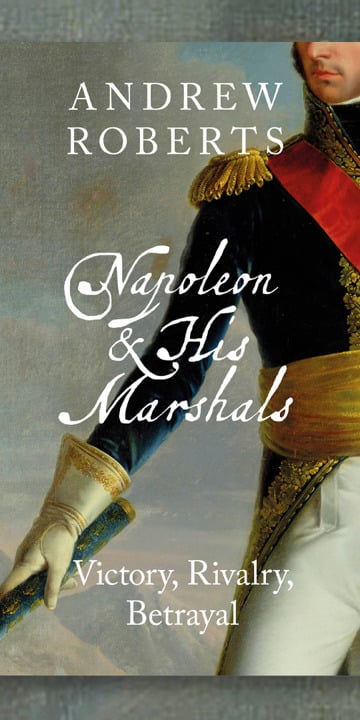
Napoleon & His Marshals Book Talk with Andrew Roberts

Egyptian Dining Room
Testament to the 19th-century fascination with ancient Egypt and decorative opulence. The room is richly detailed with gilded cartouches, sphinxes, birds and crocodiles.
-
Afternoon Tea & Tour
-
Restaurants
-
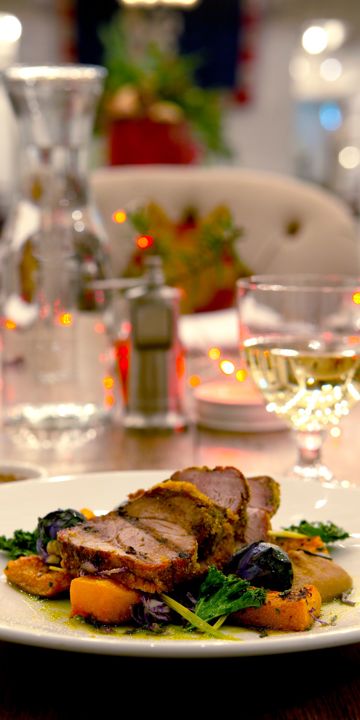
Farmer, Butcher, Chef
-
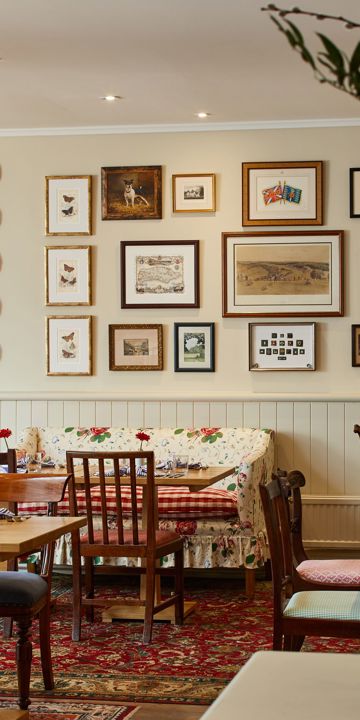
The Goodwood Bar & Grill
-
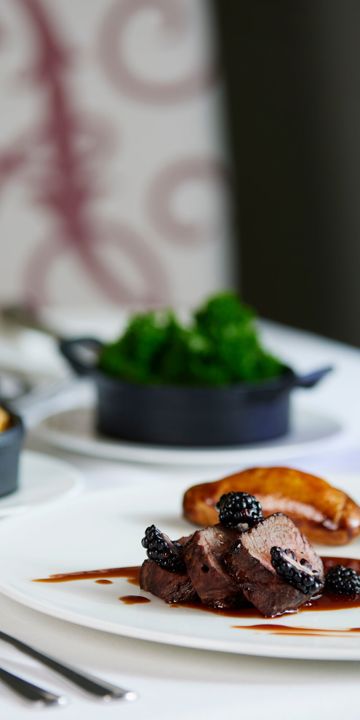
The Kennels
-
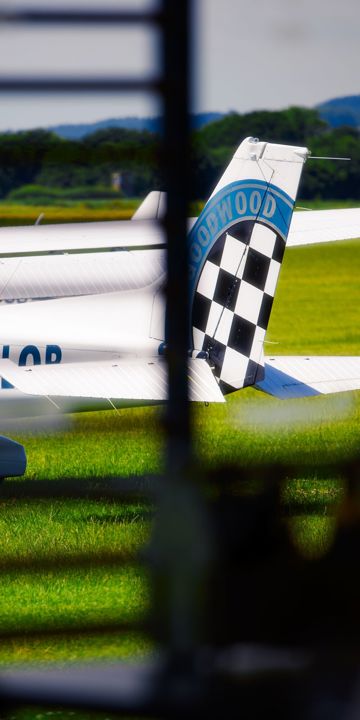
Aerodrome Café
-
Motor Circuit Café

-
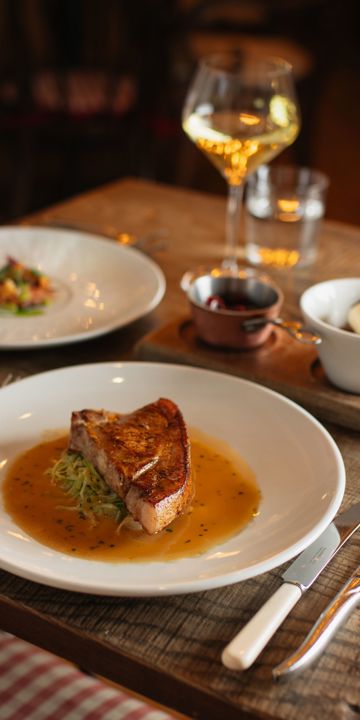
Cafe 24

Sustainable state-of-mind
When Farmer, Butcher, Chef opened in 2016 it was awarded the UK’s first-ever Royal Academy of Culinary Arts ‘Sustainable Food Philosophy Seal’. -
Farmer, Butcher, Chef
-
The Kennels
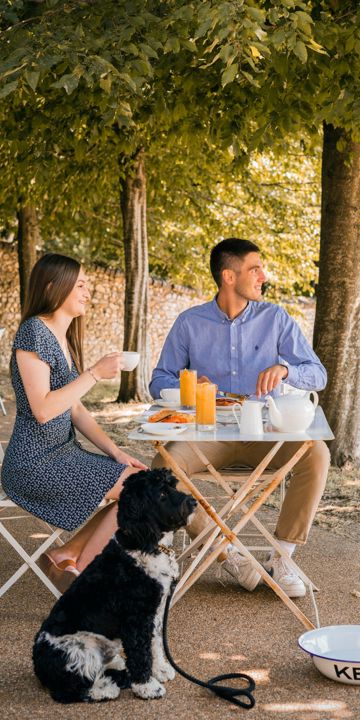

An exclusive clubhouse
As the private clubhouse for all of the Estate’s sporting and social members, it offers personal service and a relaxed atmosphere
-
Motor Circuit
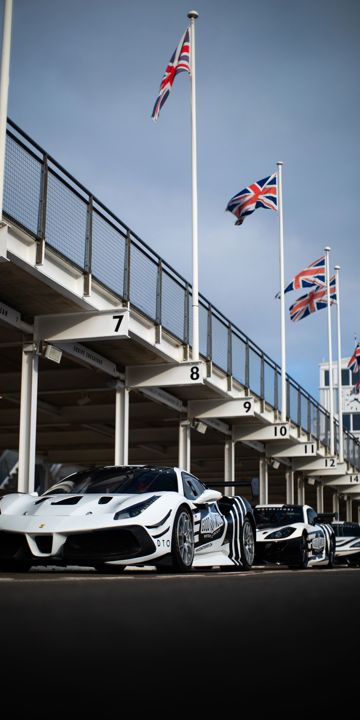

Roy Salvadori once said...
"Give me Goodwood on a summers' day and you can forget the rest."
-
Health & Wellbeing
-
Membership
-
Health Club
-
Gym
-
Run Series
-
Spa Treatments
-
Wellness Retreats
-
Events Calendar
-
Corporate Wellbeing
-
Health Summit
-
Latest News
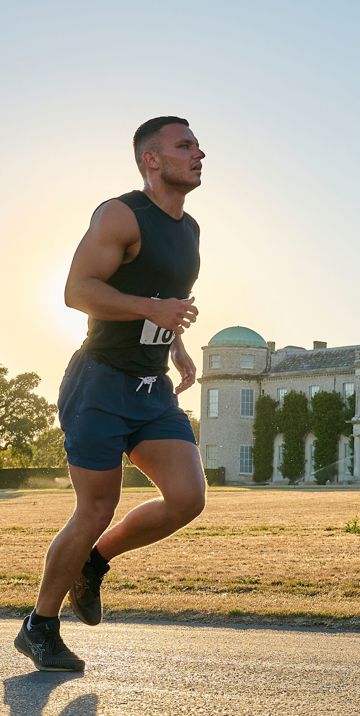

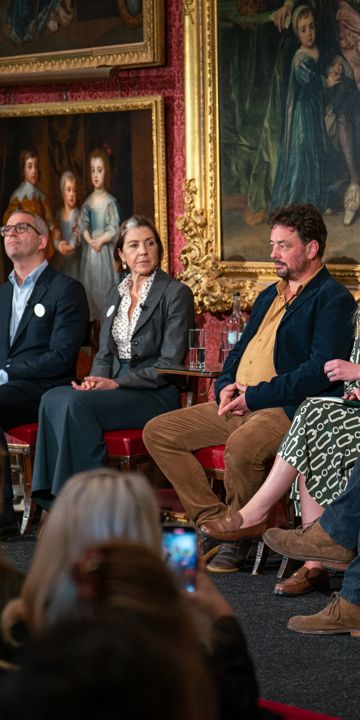
Goodwood's first Health Summit...
...took place in 2023 with industry experts discussing nutrition costs and food systems for a healthier future. -
Membership
-
Hound Lodge
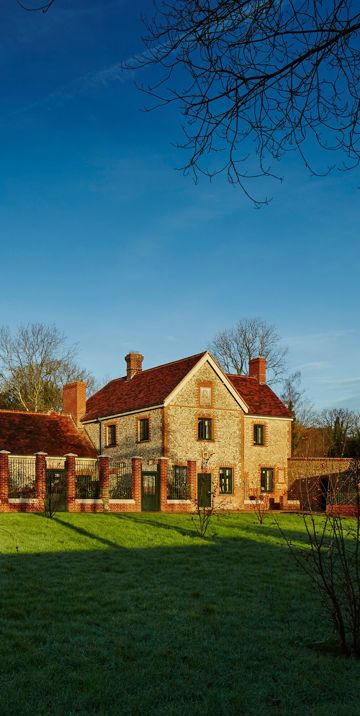

Family Trees
Revel in the history of our hounds with their family trees dating back to some of our earliest documents at Goodwood.
-
Goodwood Farm Shop

St Simon
Whoa Simon! A horse so determined and headstrong, he not only won the 1883 Goodwood Cup by 20 lengths, but couldn't be stopped and carried on running over the top of Trundle hill
-
Parties

-
Goodwood Art Foundation
-
The Goodwood Hotel
-
Motorsport
-
Festival of Speed
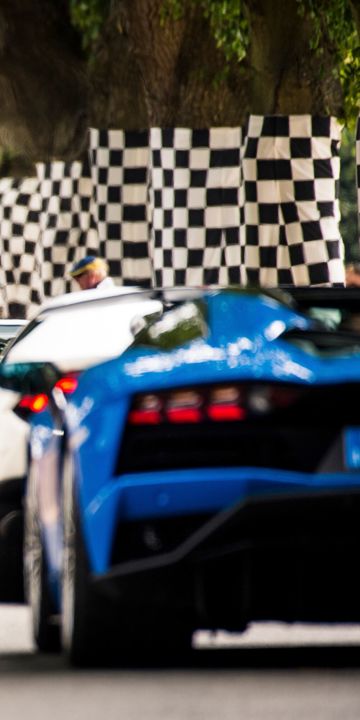

How many hay bales are used at FOS?
For the last two years, 5,800 bales have been recylced into the biomass energy centre to be used for energy generation
-
Goodwood Revival
-
Tickets & Packages
-
Hospitality
-
Explore
-
Plan Your Day
-
Buy Merchandise
-
Charity
-
Partners
-
Accessibility
-
FAQs


Freddie's Famous Scarf
When the 9th Duke won the Double Twelve at Brooklands in 1931 he never drove without it throughout his successful driving career.
-
Tickets & Packages
-
Members' Meeting
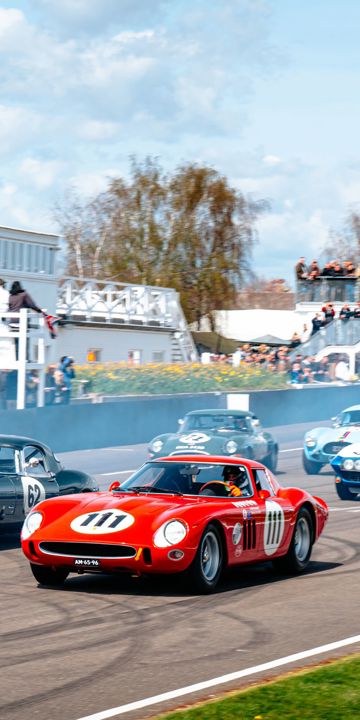

"Mr Goodwood"
Sir Stirling Moss was one of the founding patrons of the Festival of Speed, and a regular competitor at the Revival.
-
Breakfast Club
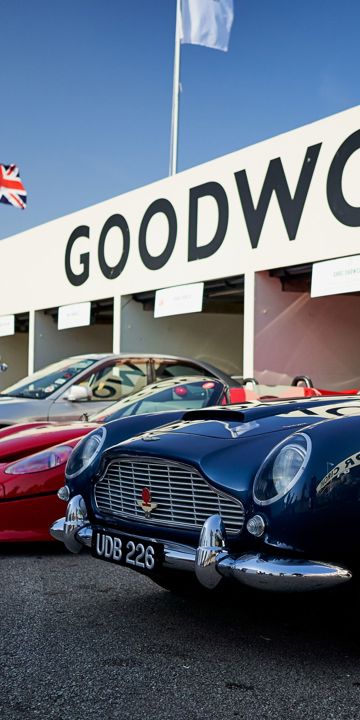
Roy Salvadori once said...
"Give me Goodwood on a summers' day and you can forget the rest."
-
Motor Circuit

"Motorsport garden party of the gods"
Festival of Speed is our longest-standing Motorsport event, starting in 1993 when it opened to 25,000 people. We were expecting 2000!
-
Driving Experiences
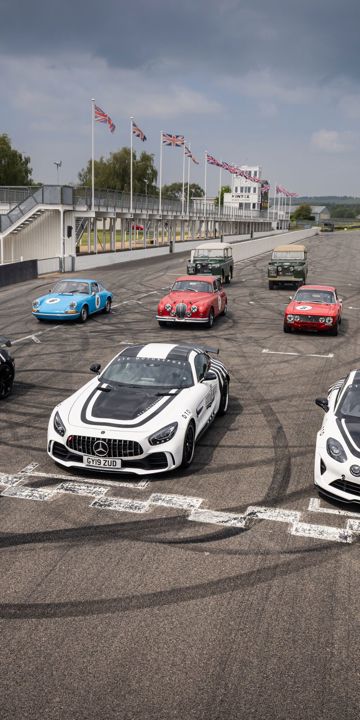

Poignant celebrations
Over the years, the Revival has honoured legends like Jim Clark, Jack Brabham, Dan Gurney and more.
-
Goodwood Road Racing Club
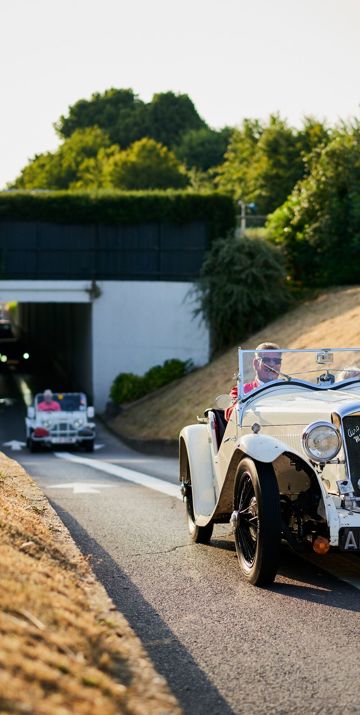

When was the GRRC founded?
Established in 1998 by the Duke of Richmond, the Goodwood Road Racing Club offers exclusive benefits across the estate year-round -
Latest News
-
Festival of Speed
-
Horseracing
-
Tickets & Packages
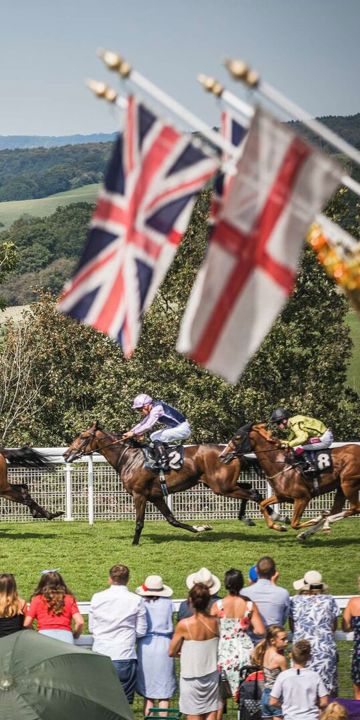
St Simon
Whoa Simon! A horse so determined and headstrong, he not only won the 1883 Goodwood Cup by 20 lengths, but couldn't be stopped and carried on running over the top of Trundle hill
-
Hospitality
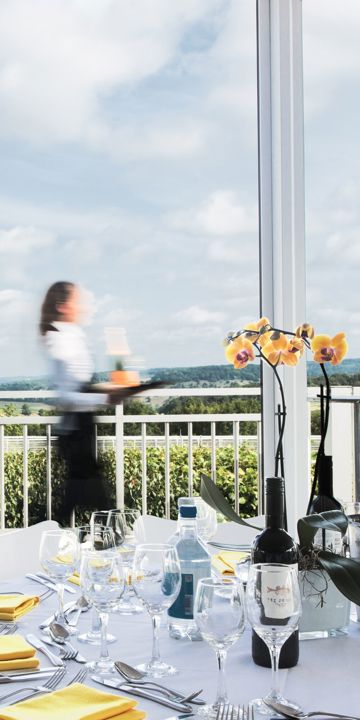
Why does everyone wear hats?
King Edward VII turned his back on the traditional morning suit and donned a linen suit and Panama hat. Thus the Glorious Goodwood trend was born.
-
Horseracing Club Membership
Why does everyone wear hats?
King Edward VII turned his back on the traditional morning suit and donned a linen suit and Panama hat. Thus the Glorious Goodwood trend was born.
-
Fixtures & Events
-
Season Opener
-
May Festival
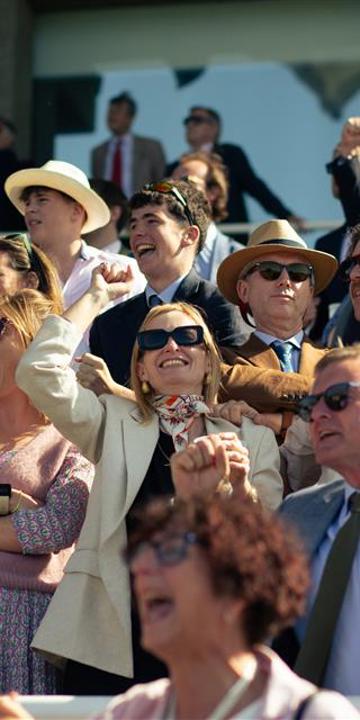
-
Family Race Day
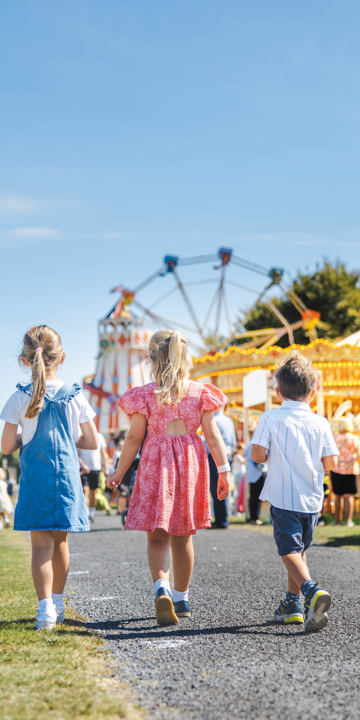
-
Three Friday Nights
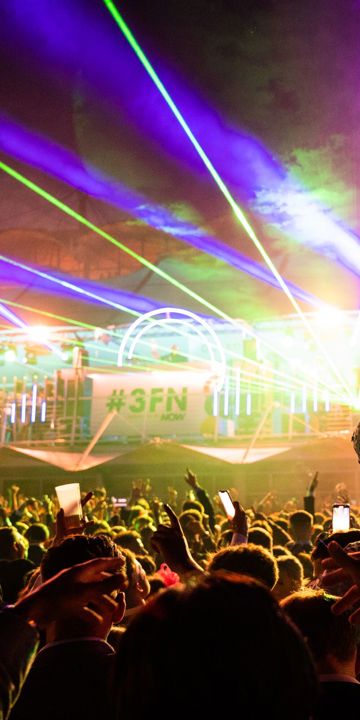
-
Qatar Goodwood Festival
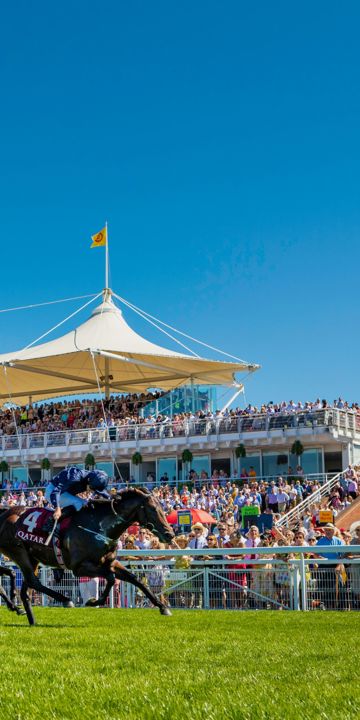
-
August Bank Holiday
-
Autumn Racing
-
Season Finale
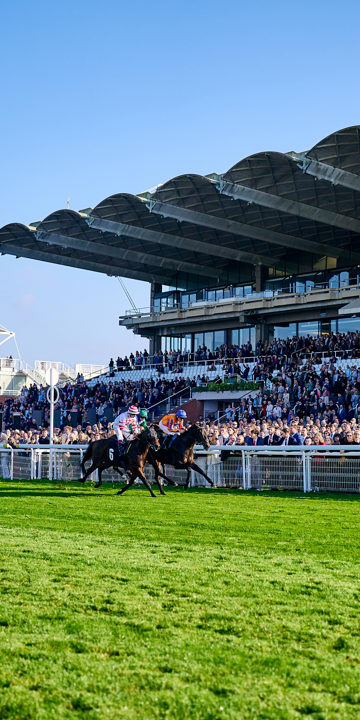
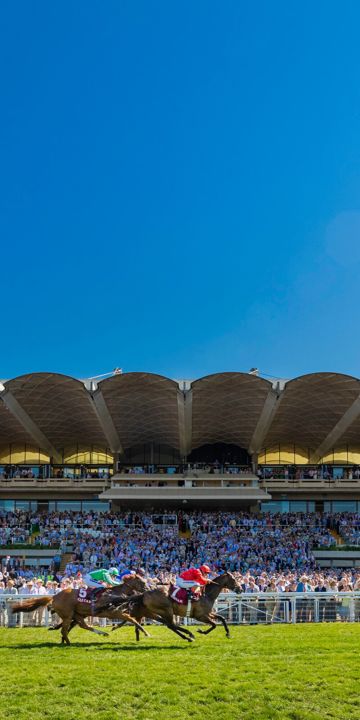
Why walk when you can drive
The first ever horsebox was used from Goodwood to Doncaster for the 1836 St. Leger. Elis arrived fresh and easily won his owner a £12k bet.
-
Season Opener
-
Qatar Goodwood Festival
-
Tickets & Packages
-
Hospitality
-
Day by Day Guide
-
Ladies Day
-
Magnolia Cup
-
The Earl's Lawn
-
Timetable
-
Partners
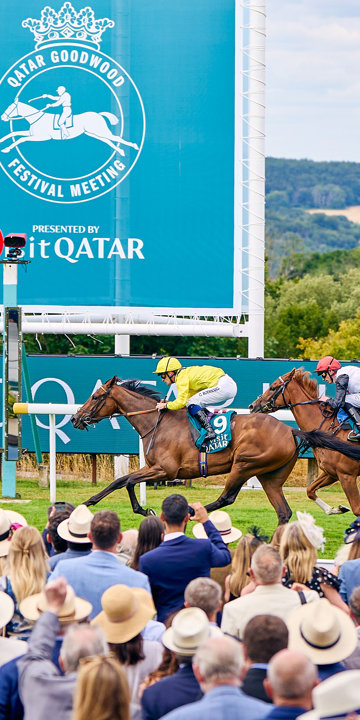

"Glorious Goodwood"
After the first public race meeting in 1902, 'Glorious Goodwood' became a highlight of the summer season.
-
Tickets & Packages
-
Three Friday Nights

Royal approval
King Edward VII (who came almost every year) famously dubbed Glorious Goodwood “a garden party with racing tacked on”.
-
Plan Your Day
-
Enclosures
-
Event Map
-
Going Report
-
Getting Here
-
Betting at Goodwood
-
Dress Code
-
Accessibility
-
Food & Drink
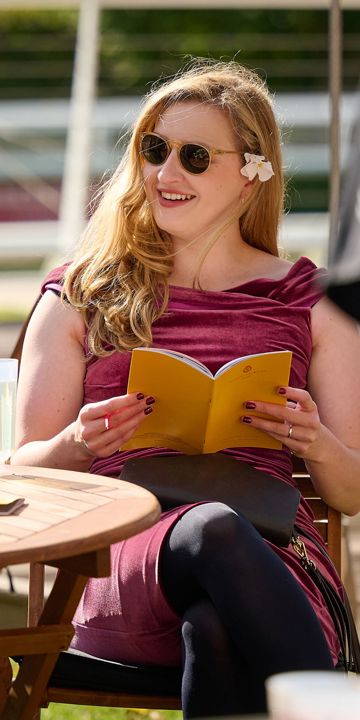
Why does everyone wear hats?
King Edward VII turned his back on the traditional morning suit and donned a linen suit and Panama hat. Thus the Glorious Goodwood trend was born.
-
Enclosures
-
Buy Merchandise
-
Partners
-
Owners & Trainers
-
Latest News
-
FAQs
-
Accessibility
-
Tickets & Packages
-
Experiences
-
Driving

Driving experiences
Unleashed your driving skils -
Flying
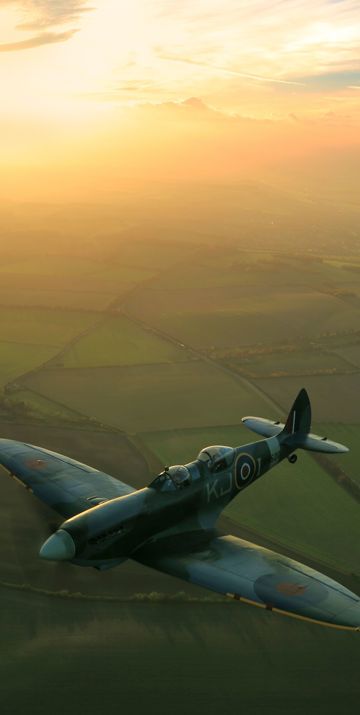

The Silver Spitfire
The iconic spitfire covered almost 43,000 kilometres and visited over 20 countries on its epic journey and currently resides at our Aerodrome.
-
Golf

Braid’s Masterpiece
One of the greatest golfers of all time, James Braid designed Goodwood’s iconic Downland course, opened in 1914.
-
Shooting
The Silver Spitfire
The iconic spitfire covered almost 43,000 kilometres and visited over 20 countries on its epic journey and currently resides at our Aerodrome.
-
Afternoon Tea
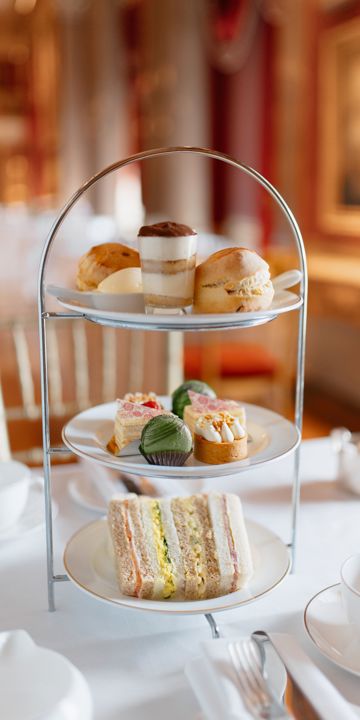

Carne's Seat
Just beyond Goodwood House along the Hillclimb, the 2nd Dukes banqueting house was also known as "one of the finest rooms in England" (George Vertue 1747).
-
Corporate Wellbeing
Goodwood's first Health Summit...
...took place in 2023 with industry experts discussing nutrition costs and food systems for a healthier future. -
Cycling
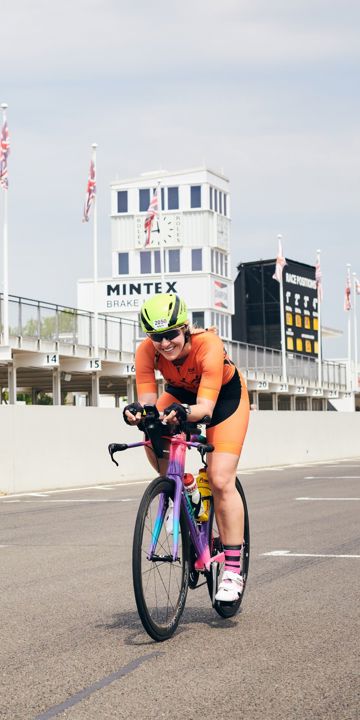

Ace Pilot
Ray Hanna famously flew straight down Goodwood’s pit straight below the height of the grandstands at the first Revival in 1998
-
Corporate Experiences
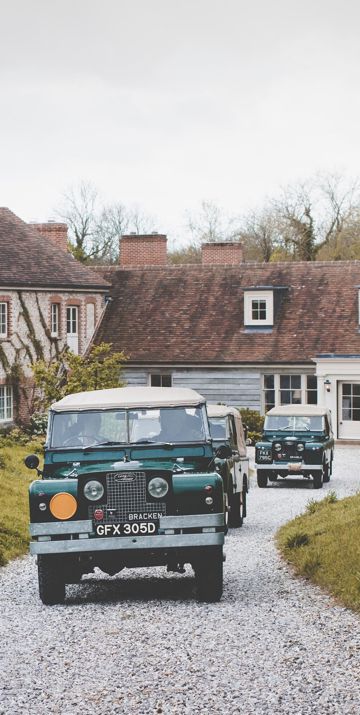
Where else can you...
...plan strategy in an ancient woodland, enjoy award-winning dining then drive around a racetrack?
-
Spa Treatments
-
Driving
- Hospitality
-
Golf
-
Golf Courses
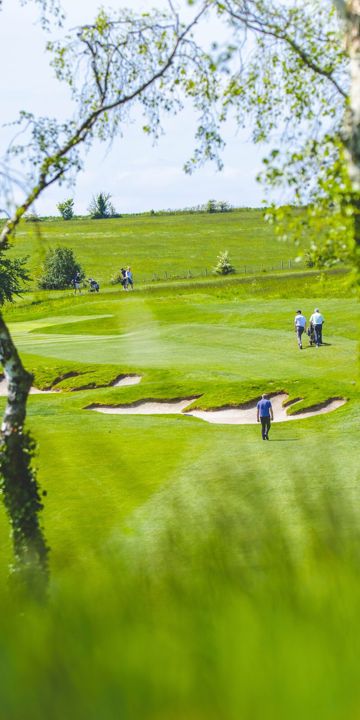

Over 100 years of Golf
The first ever round of golf played at Goodwood was in 1914 when the 6th Duke of Richmond opened the course on the Downs above Goodwood House.
-
Golf Membership
-
Credit Membership
-
Application Form
-
Braid Membership
-
Intermediate Membership
-
Junior Membership
-
Corporate Membership
-
Get Into Golf
-
Copse Membership

Braid’s Masterpiece
One of the greatest golfers of all time, James Braid designed Goodwood’s iconic Downland course, opened in 1914.
-
Credit Membership
-
The Academy
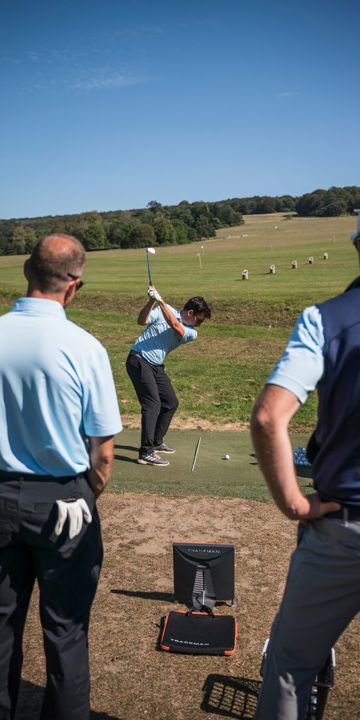

A sporting Estate
Goodwood has two 18-hole championship courses, a modern clubhouse and an impressive Academy. -
Golf Experiences

A sporting Estate
Goodwood has two 18-hole championship courses, a modern clubhouse and an impressive Academy.
-
Golf Courses
-
Flying
-
Flying School
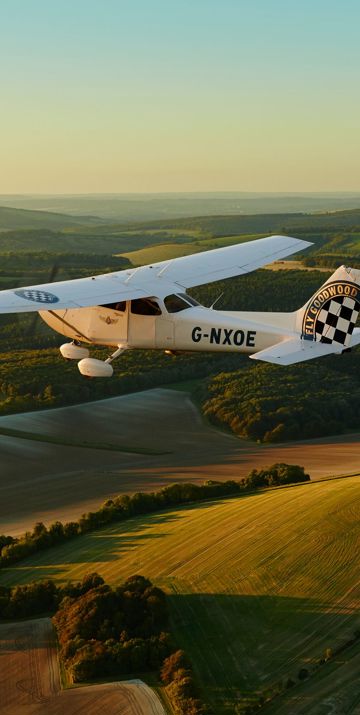

Battle of Britain
Flying training began at Goodwood in 1940 when pilots were taught operational flying techniques in Hurricanes and Spitfires.
-
Aero Club Membership
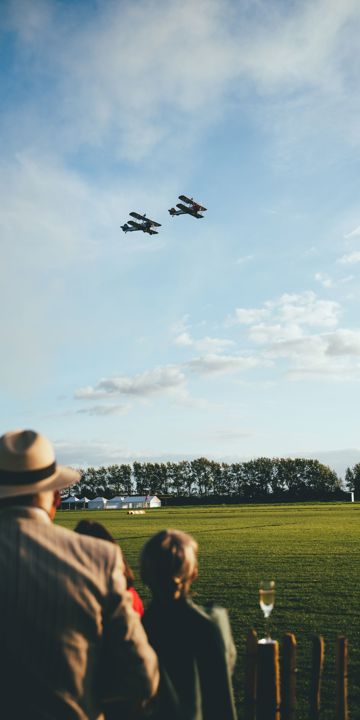
Ace Pilot
Ray Hanna famously flew straight down Goodwood’s pit straight below the height of the grandstands at the first Revival in 1998
-
Flying Experiences
-
Pilot Information
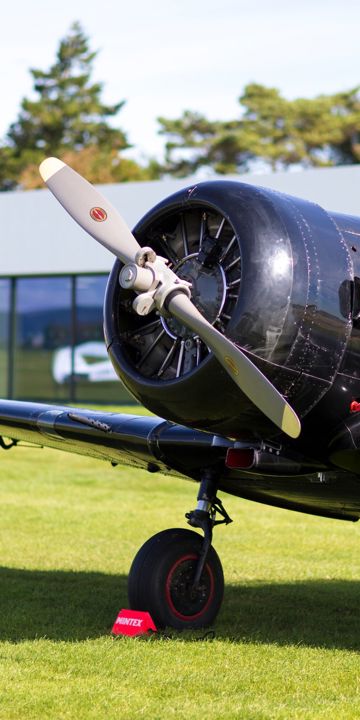

Flying Elephant
The first thing ever dropped at Goodwood was a cuddly elephant which landed in 1932 just as the 9th Duke of Richmonds passion for flying was taking off.
-
Flying School
-
Meetings
-
Venue Hire
-
Goodwood House
-
The Racecourse
-
The Goodwood Hotel
-
The Motor Circuit
-
The Kennels
-
The Aerodrome
-
The Great Outdoors
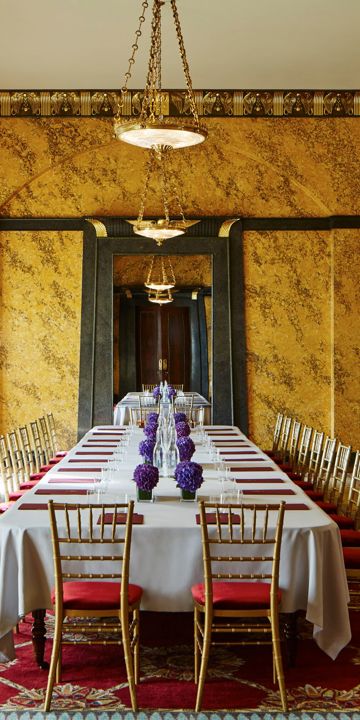
Where else can you...
...plan strategy in an ancient woodland, enjoy award-winning dining then drive around a racetrack?
-
Goodwood House
-
Plan Your Meeting
-
Parties
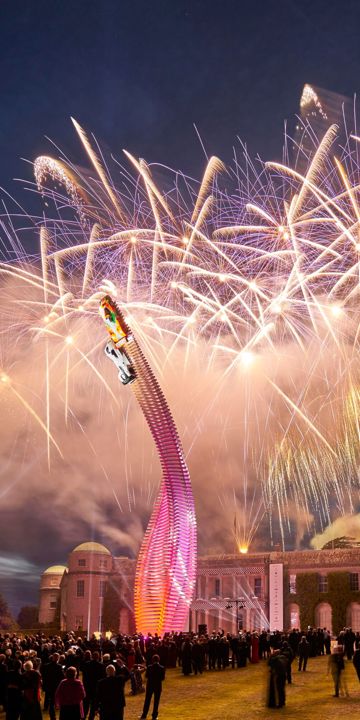
Where else can you...
...plan strategy in an ancient woodland, enjoy award-winning dining then drive around a racetrack?
-
Hospitality

-
Corporate Experiences
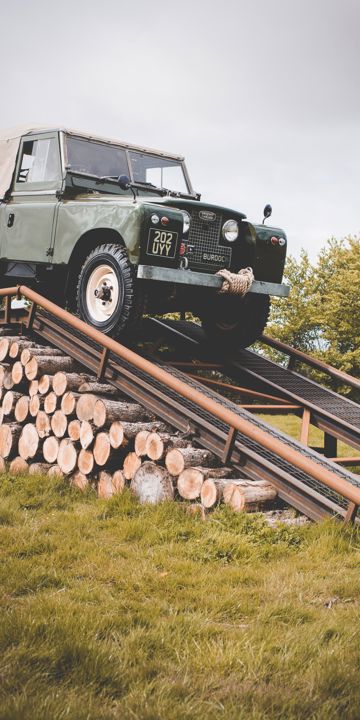
Where else can you...
...plan strategy in an ancient woodland, enjoy award-winning dining then drive around a racetrack?
-
Christmas Parties
-
Film Locations
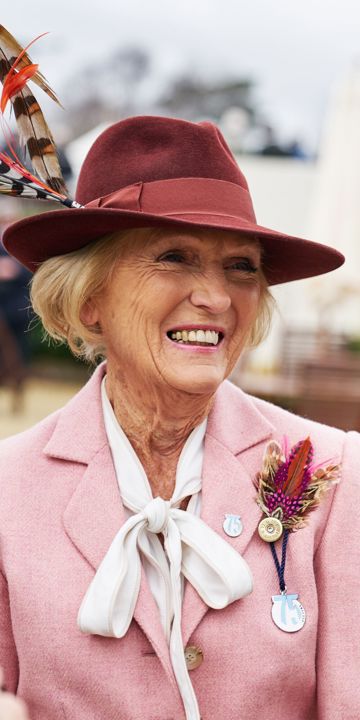
Where else can you...
...plan strategy in an ancient woodland, enjoy award-winning dining then drive around a racetrack?
-
Venue Hire
-
Weddings
-
Goodwood House
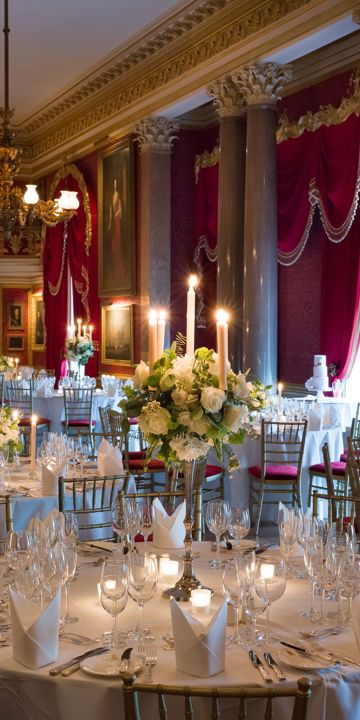

Our Paintings Collection
The origins of the collection lay in the possessions of Louise de Keroualle, Duchess of Portsmouth, and Duchess of Aubigny in France, to whom some of the paintings originally belonged.
-
The Kennels

An exclusive clubhouse
As the private clubhouse for all of the Estate’s sporting and social members, it offers personal service and a relaxed atmosphere
-
Parties
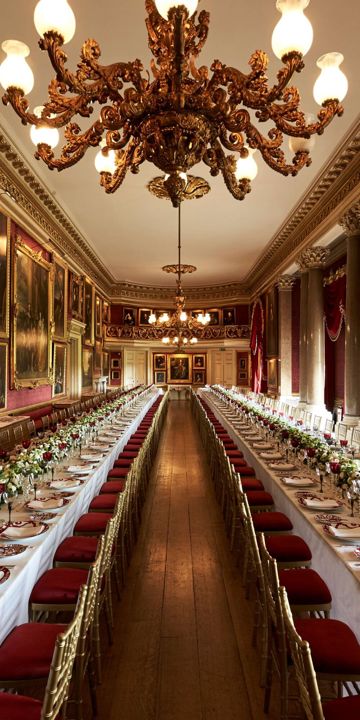


A destination for all seasons
We're well known for our iconic motorsport and horseracing events. But there's a lot more happening at Goodwood...
-
Goodwood House
-
Memberships
-
Goodwood Road Racing Club
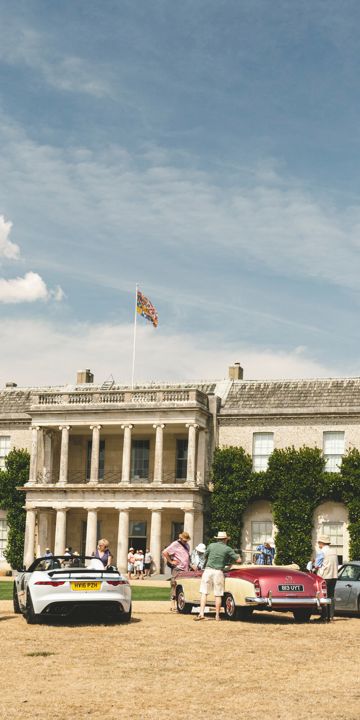
When was the GRRC founded?
Established in 1998 by the Duke of Richmond, the Goodwood Road Racing Club offers exclusive benefits across the estate year-round -
Goodwood Horseracing Club
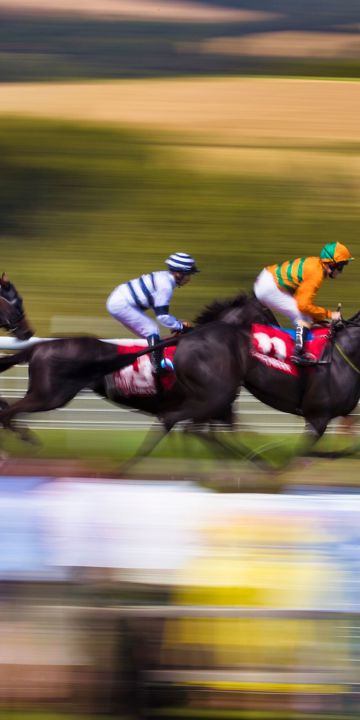
Why does everyone wear hats?
King Edward VII turned his back on the traditional morning suit and donned a linen suit and Panama hat. Thus the Glorious Goodwood trend was born.
-
Golf At Goodwood
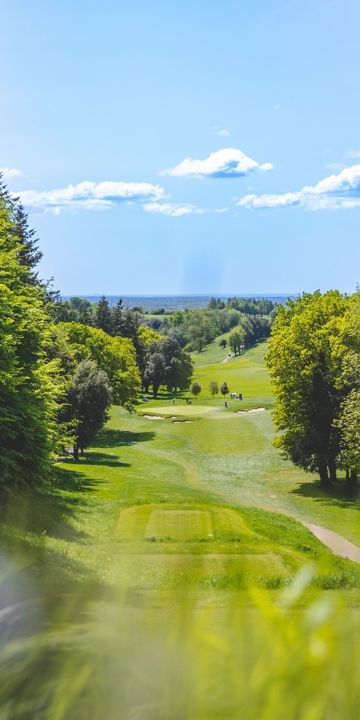
Braid’s Masterpiece
One of the greatest golfers of all time, James Braid designed Goodwood’s iconic Downland course, opened in 1914.
-
Goodwood Aero Club

During the war...
The Motor Circuit was known as RAF Westhampnett, active from 1940 to 1946 as a Battle of Britain station. -
Goodwood Health Club
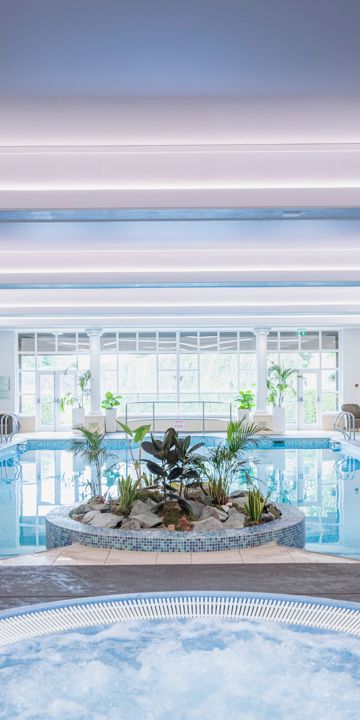
Goodwood's first Health Summit...
...took place in 2023 with industry experts discussing nutrition costs and food systems for a healthier future. -
The Kennels


How old is The Kennels?
Built in 1787 by celebrated architect James Wyatt to house the third Duke of Richmond’s prized fox hounds, The Kennels was known as one of the most luxurious dog houses in the world!
-
Sporting Membership


Levin Down Gin
Our gin uses wild-grown botanicals sourced from the estate, and is distilled with mineral water naturally chalk-filtered through the South Downs.
-
Goodwood Racehorse Owners Group
-
Goodwood Art Foundation
-
Goodwood Road Racing Club
- Classic Car Insurance
- Health & Wellbeing
- Buy Merchandise
-
Our Estate
-
What's on
-
Estate Map
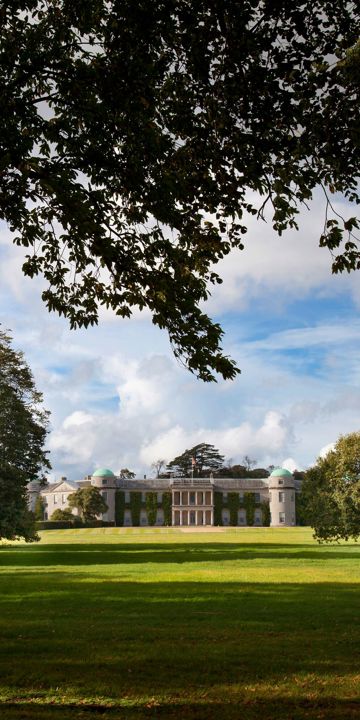
Carne's Seat
Just beyond Goodwood House along the Hillclimb, the 2nd Dukes banqueting house was also known as "one of the finest rooms in England" (George Vertue 1747).
-
Stories from the Estate
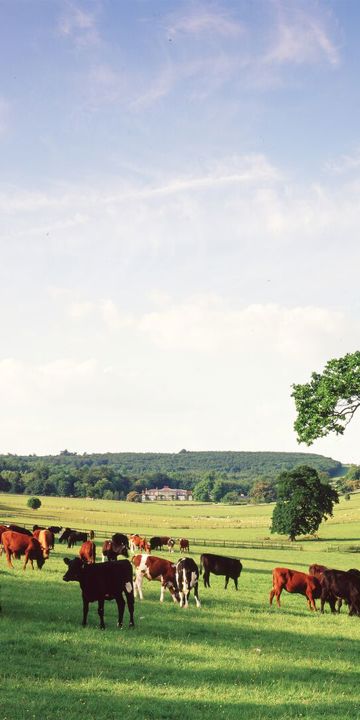
Levin Down Gin
Our gin uses wild-grown botanicals sourced from the estate, and is distilled with mineral water naturally chalk-filtered through the South Downs.
-
Sports
-
Goodwood Education Trust
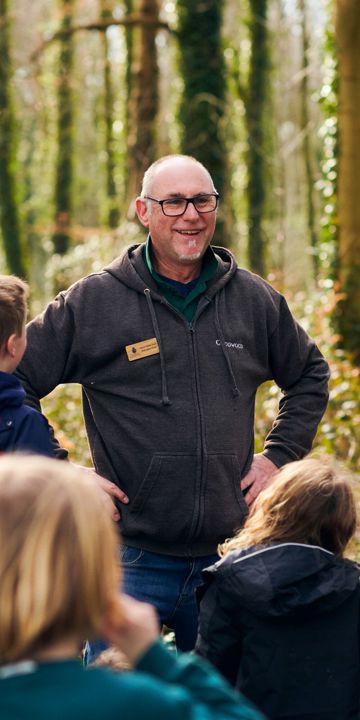

Roots for the future
A 20m woodland rue, from Halnaker to Lavant, was planted by our forestry teams & volunteers, featuring native species like oak, beech, & hornbeam
-
Charities
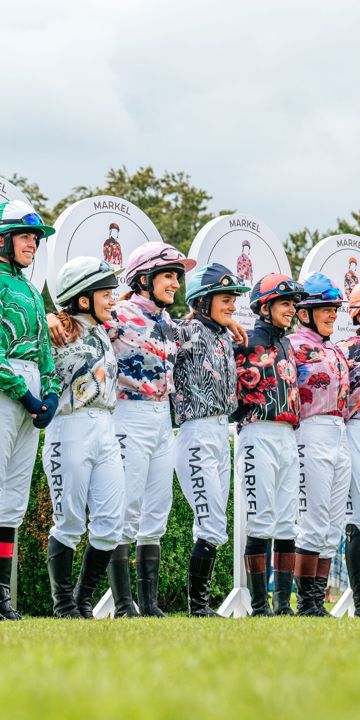
Grogger
Easy boy! The charismatic Farnham Flyer loved to celebrate every win with a pint of beer. His Boxer dog, Grogger, did too and had a tendancy to steal sips straight from the glass.
-
Sustainability

Group Captain Sir Douglas Bader
The famous fighter ace, who flew his last sortie from Goodwood Aerodrome, formerly RAF Westhampnett has a statue in his honor within the airfield.
-
Diversity, Equity & inclusion
-
Property

During the war...
The Motor Circuit was known as RAF Westhampnett, active from 1940 to 1946 as a Battle of Britain station.
-
Walking Guide

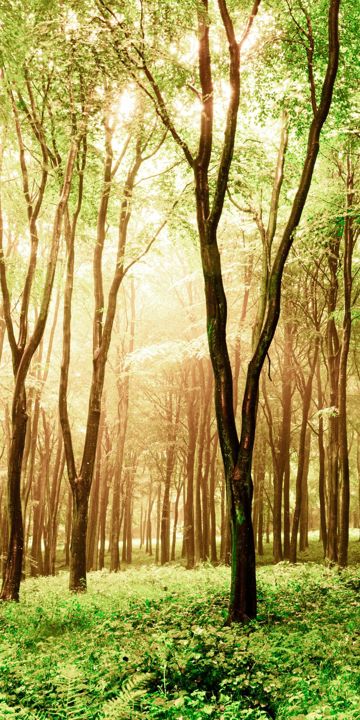
Roots for the future
A 20m woodland rue, from Halnaker to Lavant, was planted by our forestry teams & volunteers, featuring native species like oak, beech, & hornbeam
-
Dog Walking Field
-
Careers
Filming at Goodwood
We have been host to many incredible film crews using Goodwood as a backdrop for shows like Downton Abbey, Hollywood Blockbusters like Venom: let there be Carnage and the Man from U.N.C.L.E.
-
Goodwood Art Foundation
-
Farm Shop
-
What's on
- Christmas


Upcoming Events
Tee To Green July
Find out the latest from our Greenkeepers in this month's Tee to Green.
The Downs course
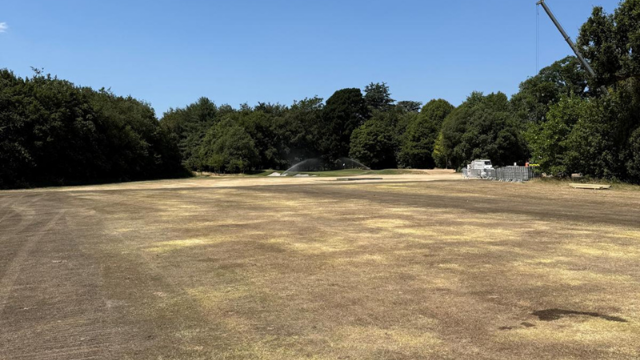
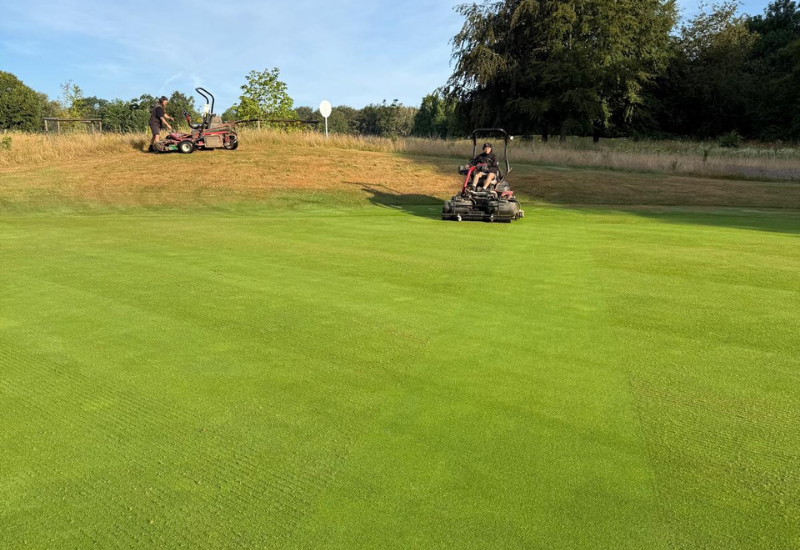
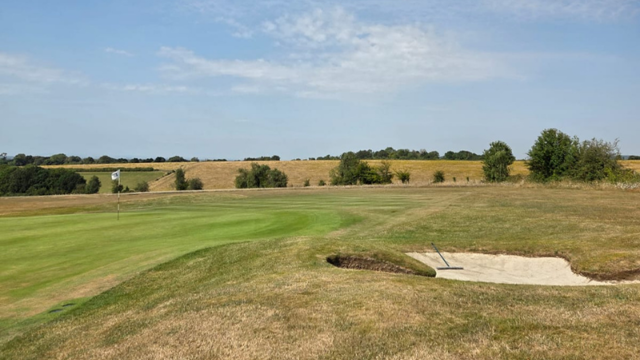
July has certainly tested both the course and the greenkeeping team. We have experienced three consecutive weeks of temperatures above 30°C, along with an extended dry spell of around a month with virtually no meaningful rainfall across the Chichester area. It has been relentless, and while many have been enjoying the sunshine, the course has definitely been feeling the effects.
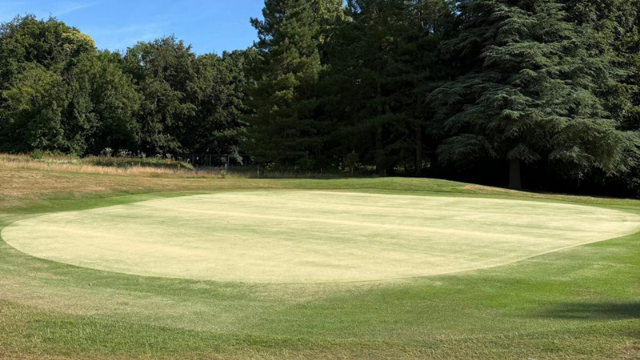
Our fairways are now beginning to show signs of burning out, which is to be expected in these conditions. However, the fertiliser application we carried out earlier in the summer has certainly helped slow this process compared with previous years, allowing us to retain better colour and coverage for much longer.
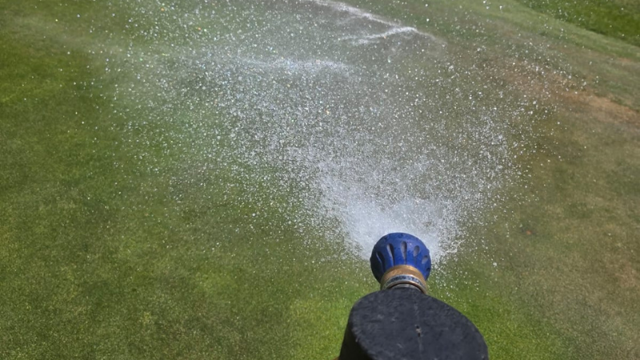
One of the real positives has been our new irrigation system. It has been performing exceptionally well, and we are particularly pleased to see several greens that would normally struggle in prolonged hot weather remaining healthy and strong. You will also notice the team hand watering certain greens throughout the day. This isn't because the irrigation isn't working. This is a targeted approach that allows us to apply concentrated wetting agents and moisture exactly where it's needed, particularly on the high spots that naturally dry out much faster.
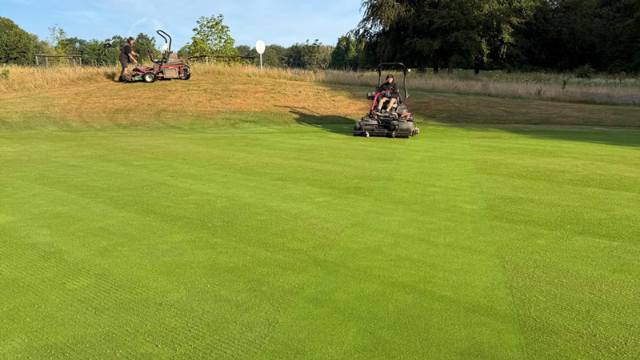
The greens continue to perform extremely well and are consistently rolling at around 9.5 feet on the Stimpmeter. For those unfamiliar, the Stimpmeter is the industry-standard tool used to measure green speed by recording how far a golf ball rolls on a smooth putting surface. As we approach Club Championships, we'll gradually increase green speeds, with our aim being between 10 and 10.5 feet, so there's your friendly warning to start practicing those downhill putts!
The tees are now in a very good place, with good coverage and colour. This has been down to us protecting the main tees throughout the playing season and only putting the tees back when tournaments dictate. We appreciate that this sometimes interferes with your general play rounds but is necessary due to the amount of footfall we get.
On a personal note, July also marked a milestone as I celebrated my 40th birthday. It certainly gave me a moment to reflect. If someone had told me ten years ago that I would have the privilege of being Head Greenkeeper on the Downs Course, I would have laughed and called them a liar. It really is an honour to look after such a special golf course, and I'd like to thank both the team for their hard work and all of you for your continued support and understanding throughout what has been a challenging summer.
Finally, I think I can safely say we're all hoping for the same thing now… please join me in praying for some rain and a spell of cooler temperatures for the rest of the summer!
Dan Cornish, Head Greenkeeper, The Downs course
The Park and Copse courses
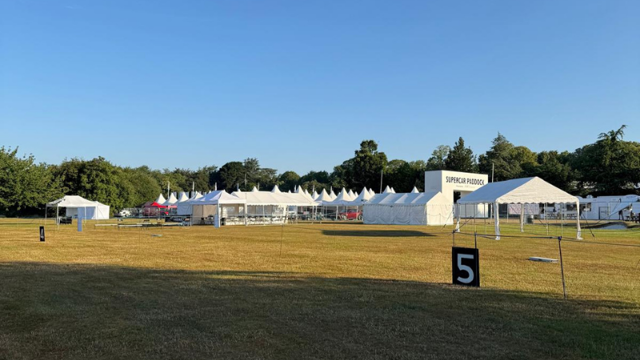
What a brutal month of weather we have experienced with extreme temperatures and no rain. Since the rain at the beginning of June there hasn't been a drop since. It's been very tough conditions, not only to work in but also to try to keep turf in a healthy condition. Most of the course is burnt out now, with only areas we can irrigate staying green. The irrigation is flat out from 9.30pm until 7am the next morning. The team is hand watering hotspots daily on the greens. On the plus side for the Festival of Speed build and breakdown, it's been ideal. A wet build/breakdown can have a massive effect on the course and more work repairing it.
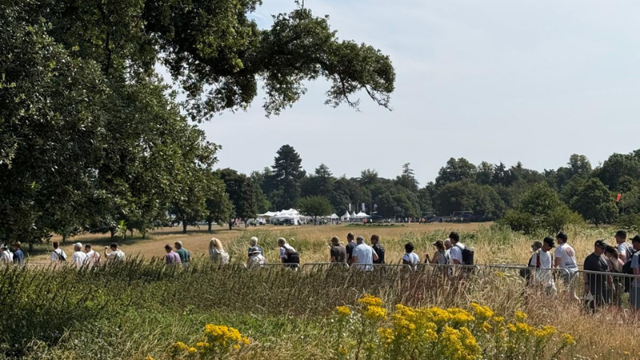
It's not ideal to shut the course in the middle of July for a week, but we do take advantage of having a greens maintenance during it. During that week, we scarified the greens to a depth of 6mm to remove thatch, followed by a brush cut and then a 10mm solid tine to a depth of 5 inches. This was then followed by 15 tons of sand dressing across all the greens and then dragged in. The greens were then cut on Wednesday then left until the following Monday. Effectively from Wednesday afternoon until Monday, access across the course during FOS is extremely difficult with thousands of people attending the event through the Park. With a live mini airport also situated on 1st/9th fairways, it’s a completely no-go area, as well as the 18th fairway. On the days of the event, the team split into areas and stay in them areas for the morning to avoid crossing over through the public walkways.
The event went well with just one hiccup during the build. They hit the irrigation pipe by the 10th tee, not once, but twice, resulting in 2 nights of no water. This was not ideal with the heat over the FOS weekend. The greens remained in good condition, but the tees, aprons and The Copse suffered and we’ve been playing catch up ever since with the watering.
With the weather the way it is, areas are not growing, so we are concentrating on hand watering, applying wetting agents to keep the irrigated areas healthy. Hoses have been put out on the 10th fairway to aid recovery from the foot traffic and flooring. Once we get the area moist enough, we will then terra rake to stand up the grass and remove all the dead material.
We are now concentrating on Club Championship week. Greens have been verti-cut and another light dressing. This will help with getting trueness and speeds up for the week. As said above, lots of hand watering and trying our best to present the course with conditions we are having.
The Copse had the same maintenance as the Park during FOS. Some greens suffered quite badly during the extreme heat. We have been hand watering constantly, and they are slowly coming back. During FOS we have to shut off a lot of irrigation due to the public accessing the site, so some of the surrounding areas have dried out. We will be applying a wetting agent to these areas to help recover in the coming week. Hopefully some much needed rain soon, fingers crossed.
See you on the course.
Scott Peterson, Head Greenkeeper of The Park and Copse courses