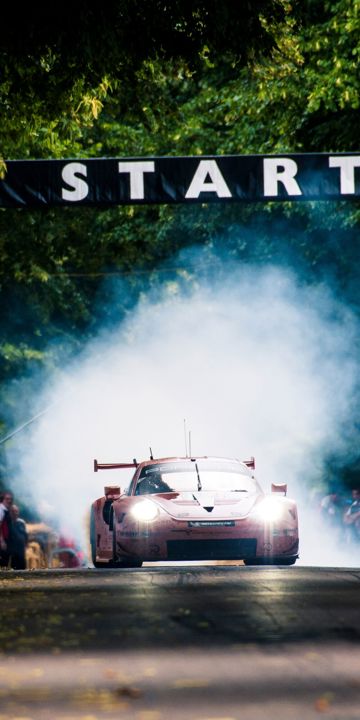
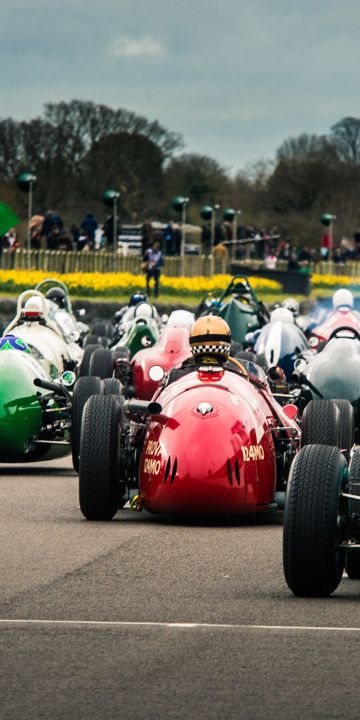

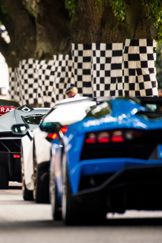

For safety reasons F1 cars can no longer do official timed runs so instead perform stunning demonstrations!


Sir Stirling Moss was one of the founding patrons of the Festival of Speed, and a regular competitor at the Revival.


The first ever horsebox was used from Goodwood to Doncaster for the 1836 St. Leger. Elis arrived fresh and easily won his owner a £12k bet.


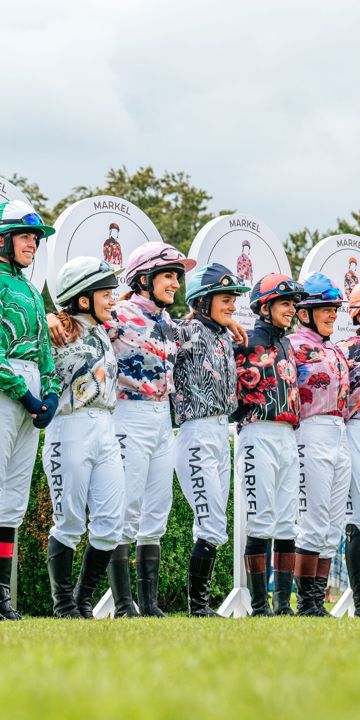
One Summer, King Edward VII turned his back on the traditional morning suit, and donned a linen suit and Panama hat. Thus the Glorious Goodwood trend was born.


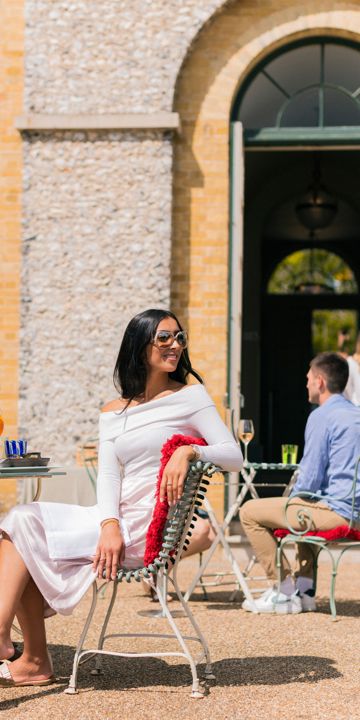
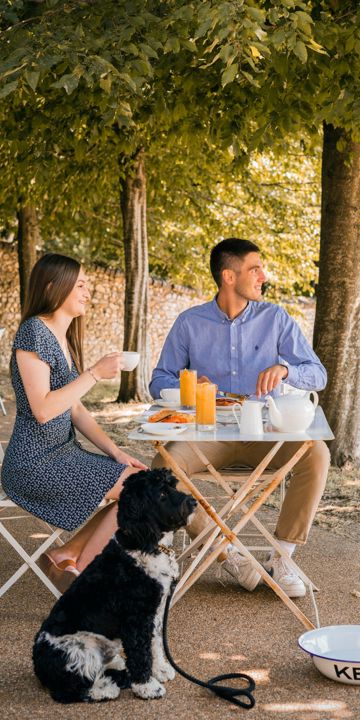
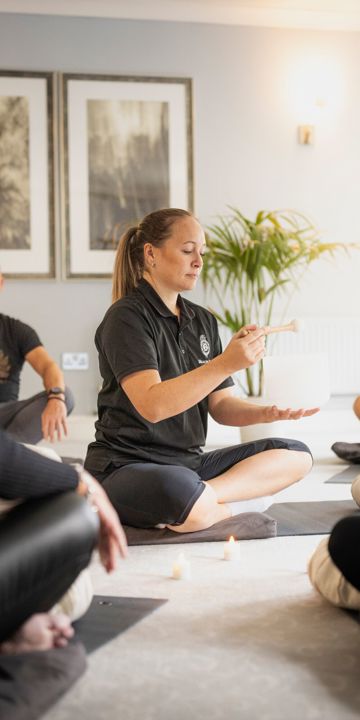
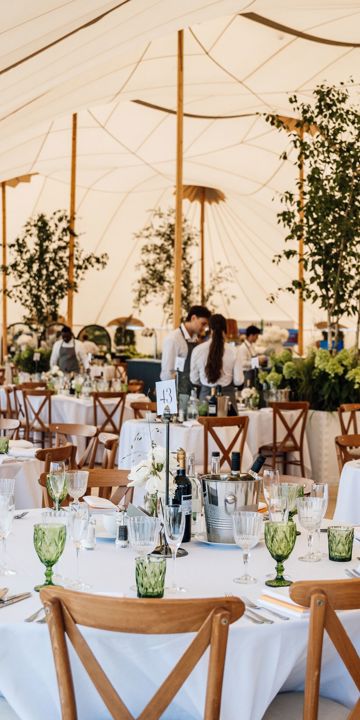
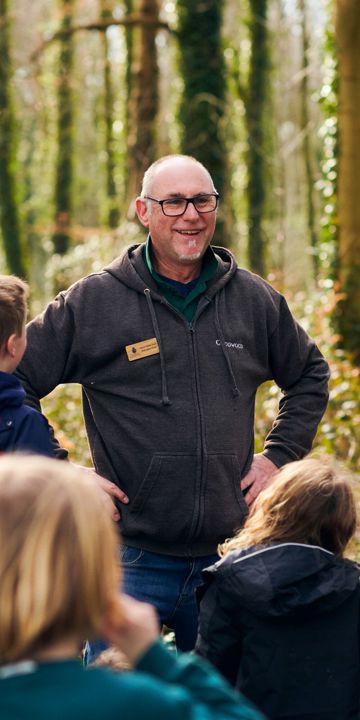
...plan strategy in an ancient woodland, enjoy award-winning dining then drive around a racetrack?


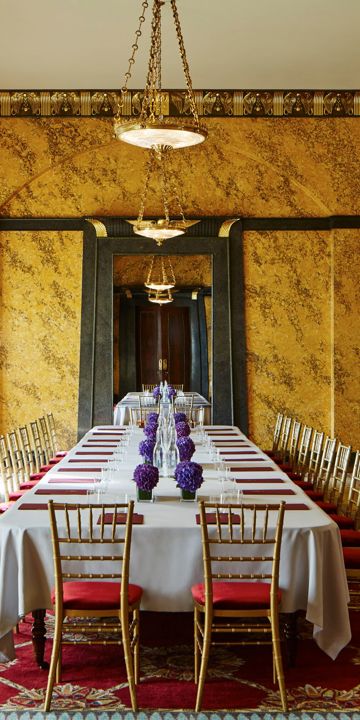
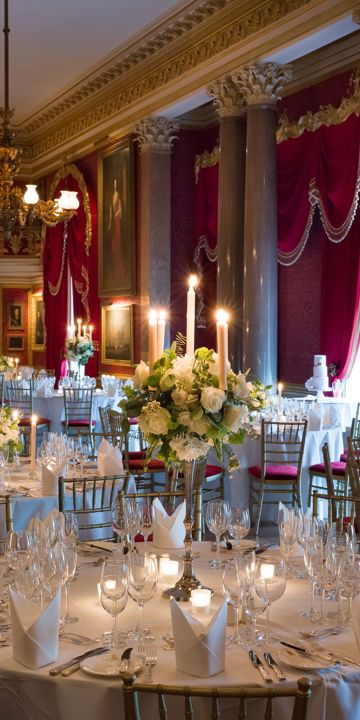
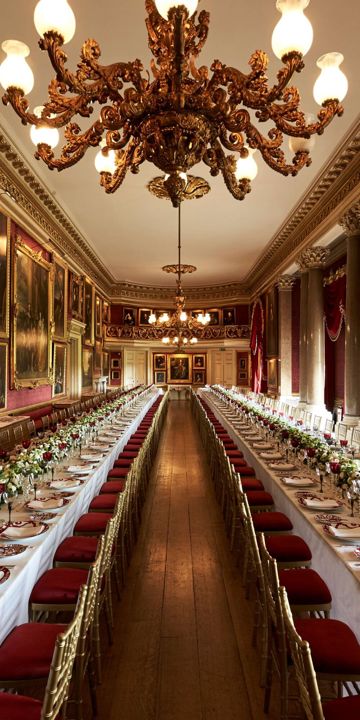
Just beyond Goodwood House along the Hillclimb, the 2nd Dukes banqueting house was also known as "one of the finest rooms in England" (George Vertue 1747).


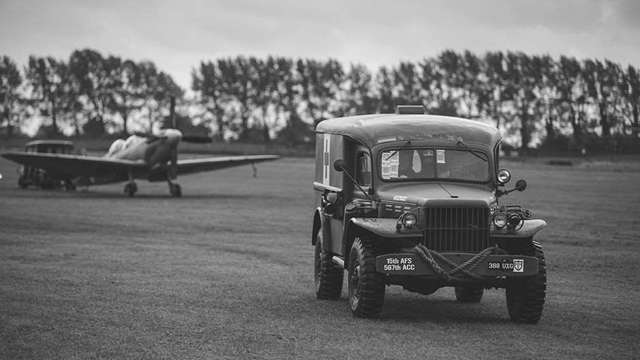
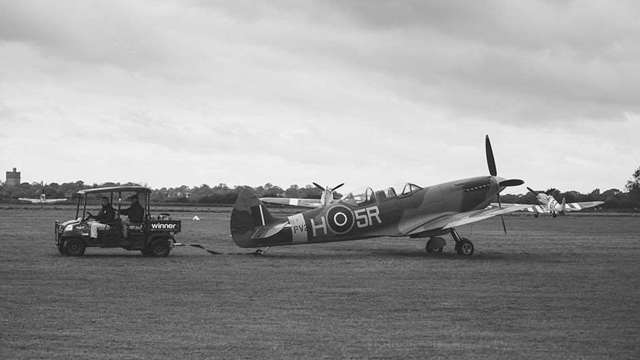
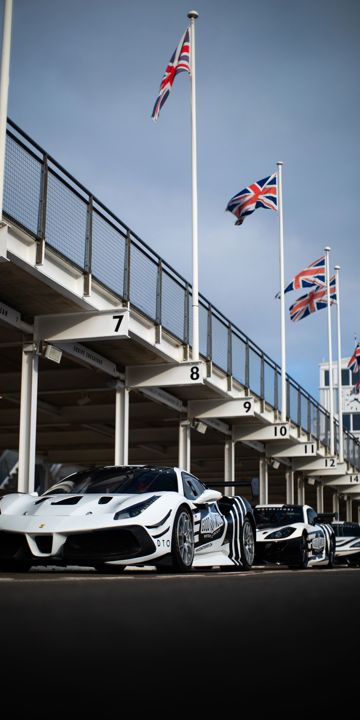
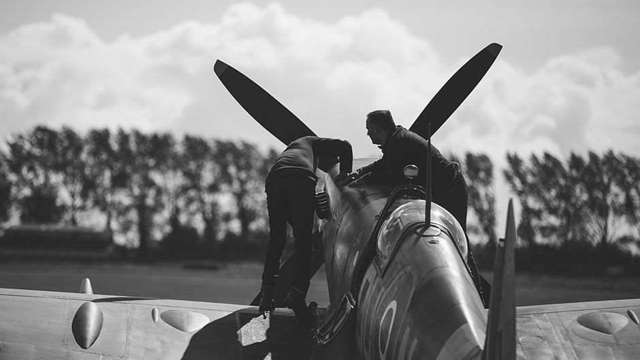
The Motor Circuit was known as RAF Westhampnett, active from 1940 to 1946 as a Battle of Britain station.


David Edney, head Butler dons a morning suit "and a smile" every day and has been woking at Goodwood for over 25 years!


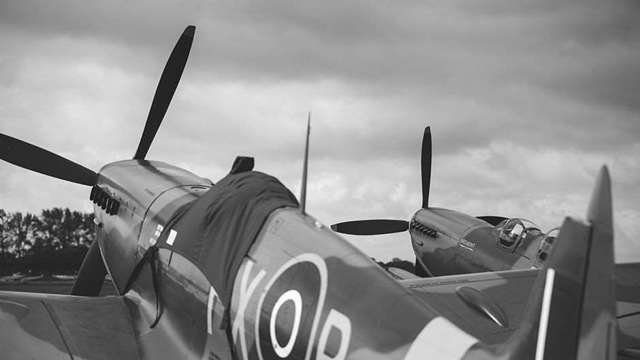
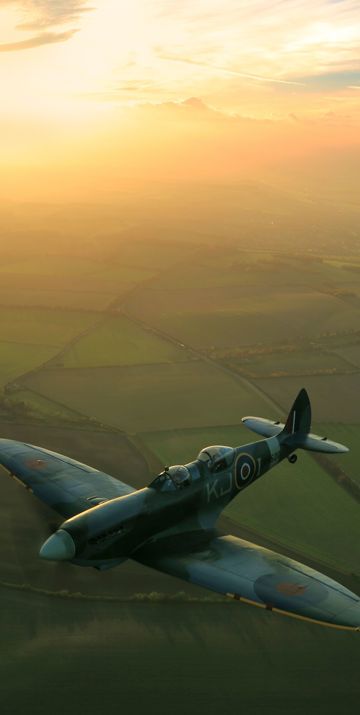
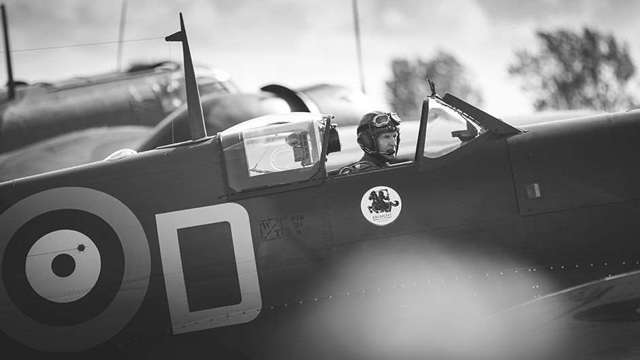
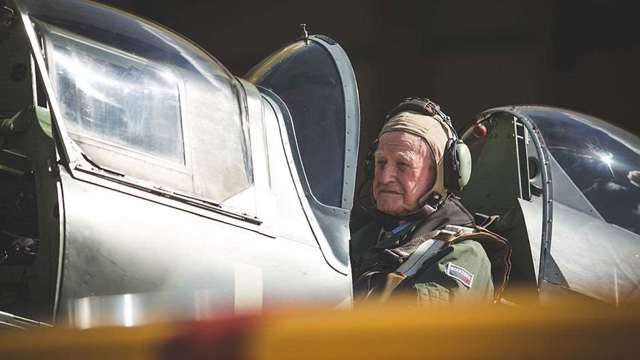
The iconic spitfire covered almost 43,000 kilometres and visited over 20 countries on its epic journey and currently resides at our Aerodrome.


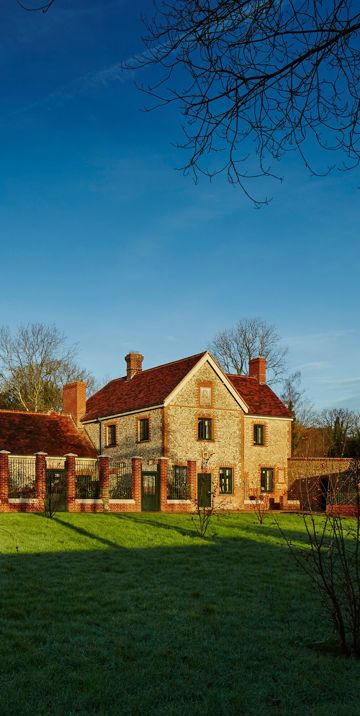
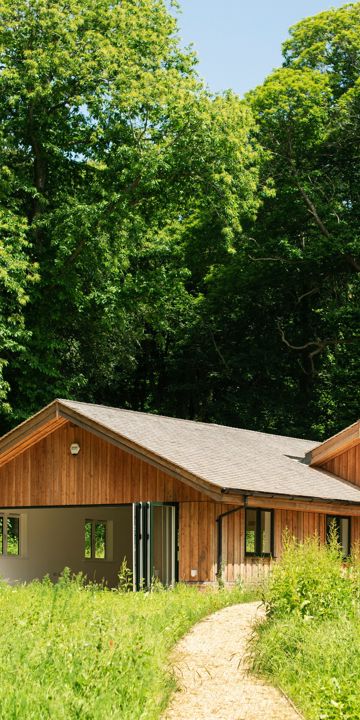
4 doors in the lodge were rescued from salvage and expertly split to ensure they meet modern fire standards before being fitted.


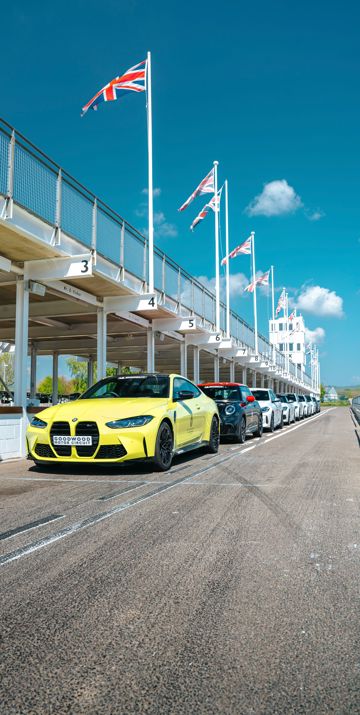
The bricks lining the Festival of Speed startline are 100 years old and a gift from the Indianapolis Speedway "Brickyard" in 2011 to mark their centenary event!


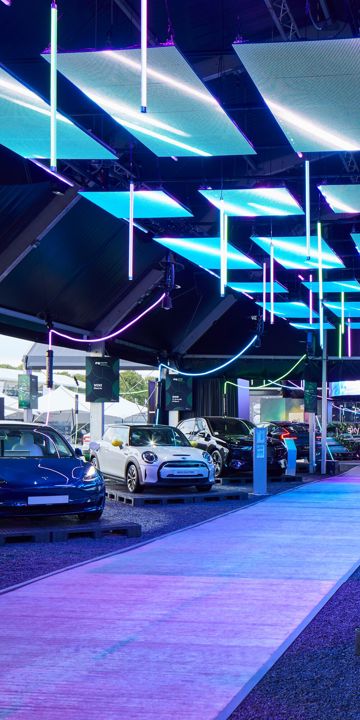
Our replica of the famous motor show showcases the "cars of the future" in true Revival style


Festival of Speed is our longest-standing Motorsport event, starting in 1993 when it opened to 25,00 people. We were expecting 2000!


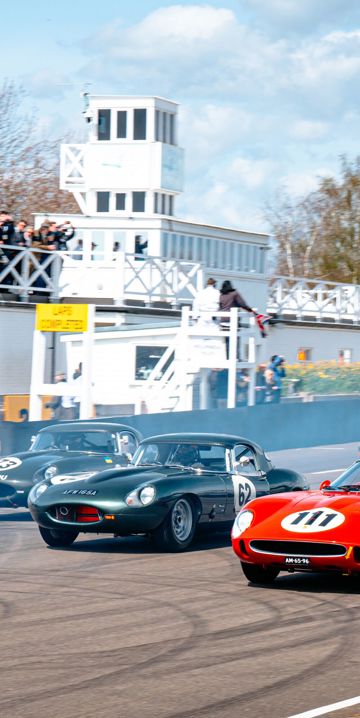
Spectate from the chicane at the Revival to see plenty of classic cars going sideways as they exit this infamous point of our Motor Circuit.


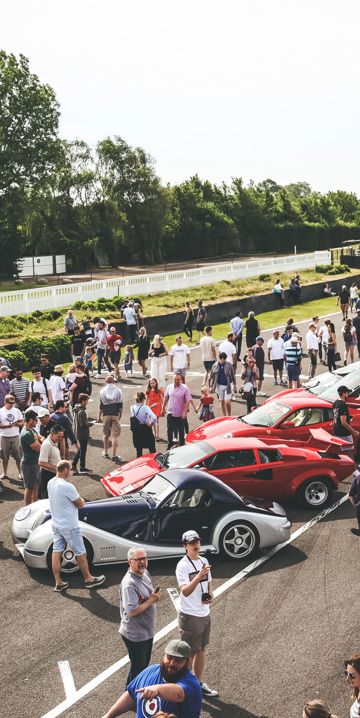
The Fiat S76 or "Beast of Turin" is a Goodwood favourite and can usually be heard before it is seen at #FOS


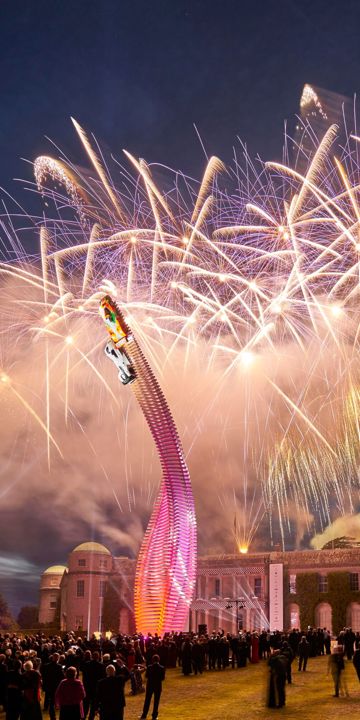
For safety reasons F1 cars can no longer do official timed runs so instead perform stunning demonstrations!


For the last two years, 5,800 bales have been recylced into the biomass energy centre to be used for energy generation


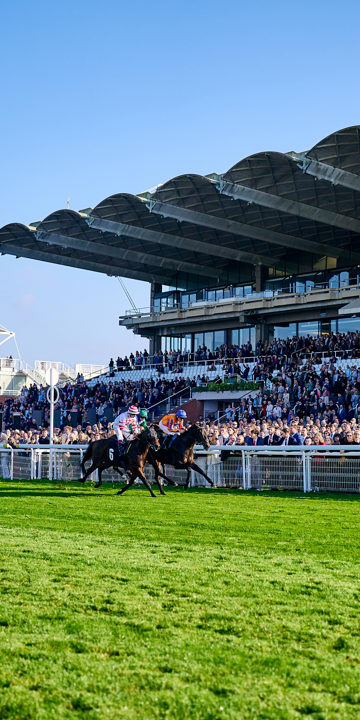
King Edward VII (who came almost every year) famously dubbed Glorious Goodwood “a garden party with racing tacked on”.


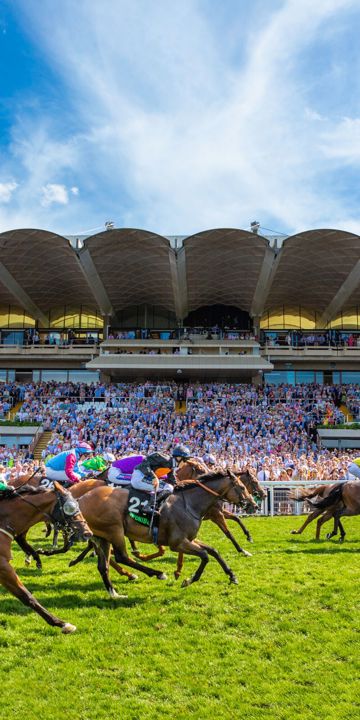
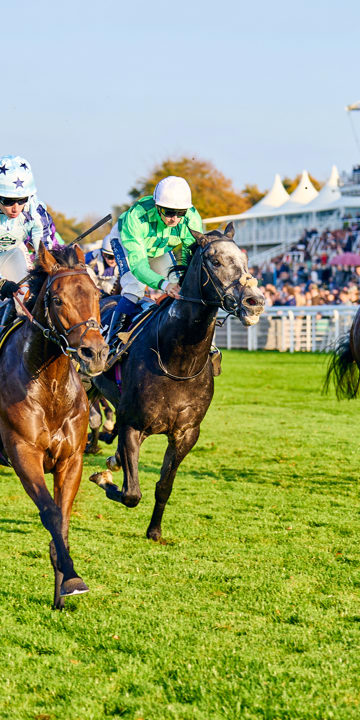
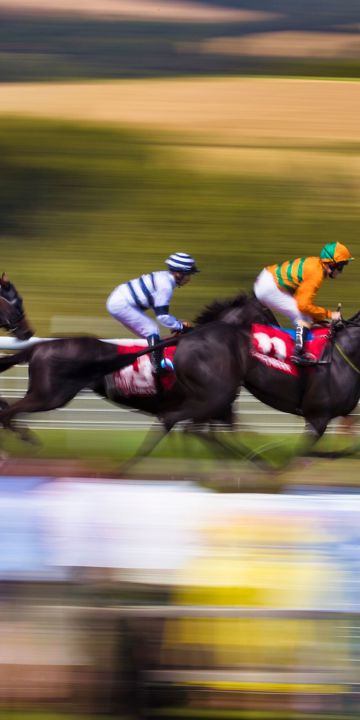
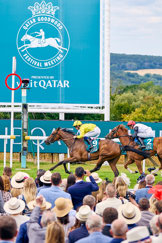
Whoa Simon! A horse so determined and headstrong, he not only won the 1883 Goodwood Cup by 20 lengths, but couldn't be stopped and carried on running over the top of Trundle hill


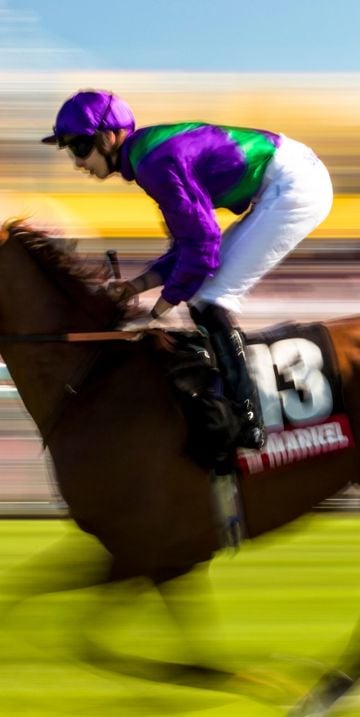
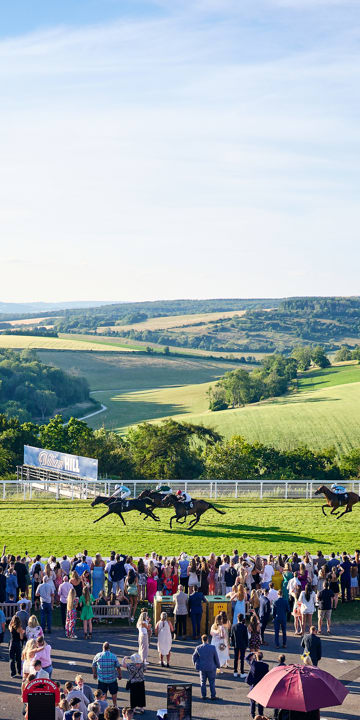
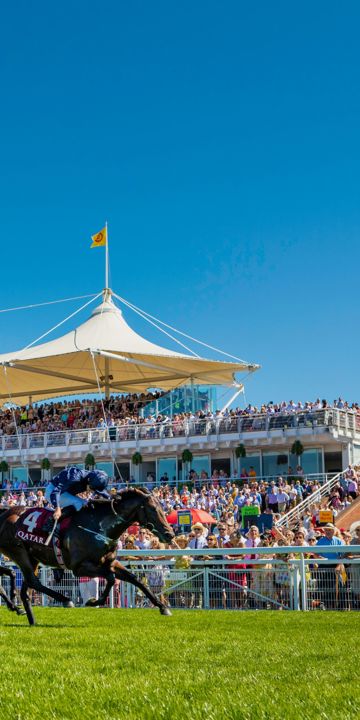
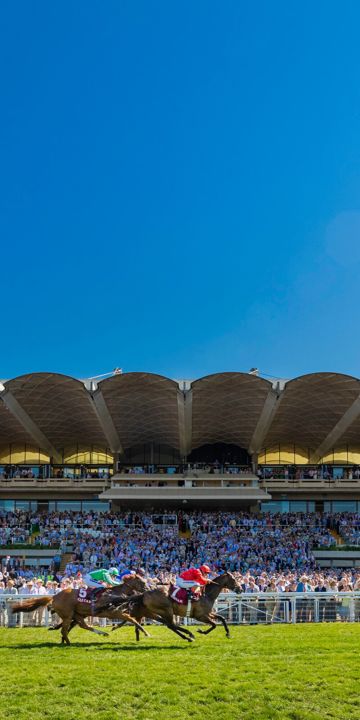
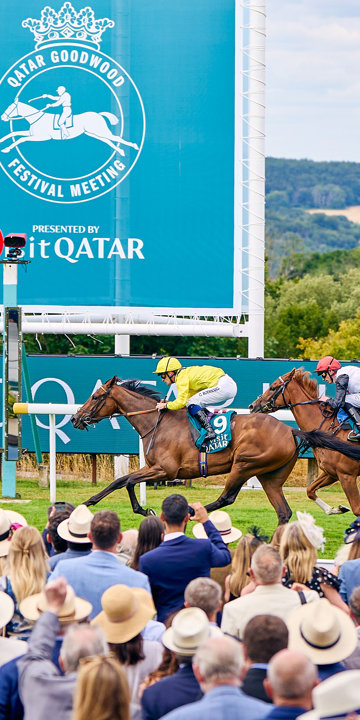
The first public race meeting took place in 1802 and, through the nineteenth century, ‘Glorious Goodwood,’ as the press named it, became a highlight of the summer season


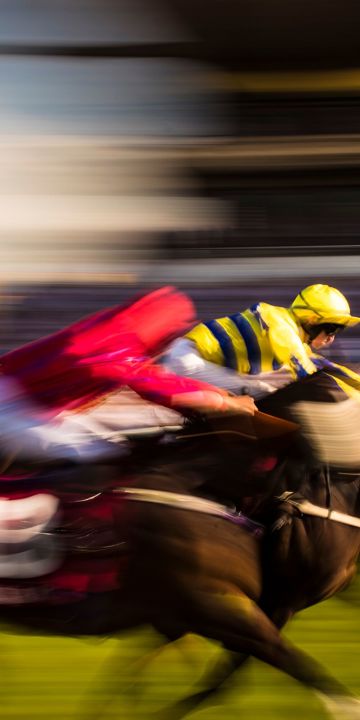
The red & yellow of the Racecourse can be traced back hundreds of years, even captured in our stunning Stubbs paintings in the Goodwood Collection


The first ever horsebox was used from Goodwood to Doncaster for the 1836 St. Leger. Elis arrived fresh and easily won his owner a £12k bet.


The red & yellow of the Racecourse can be traced back hundreds of years, even captured in our stunning Stubbs paintings in the Goodwood Collection


The Fiat S76 or "Beast of Turin" is a Goodwood favourite and can usually be heard before it is seen at #FOS


The first thing ever dropped at Goodwood was a cuddly elephant which landed in 1932 just as the 9th Duke of Richmonds passion for flying was taking off.


...plan strategy in an ancient woodland, enjoy award-winning dining then drive around a racetrack?


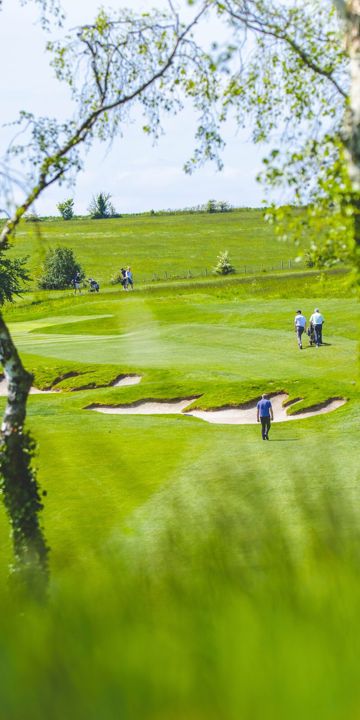
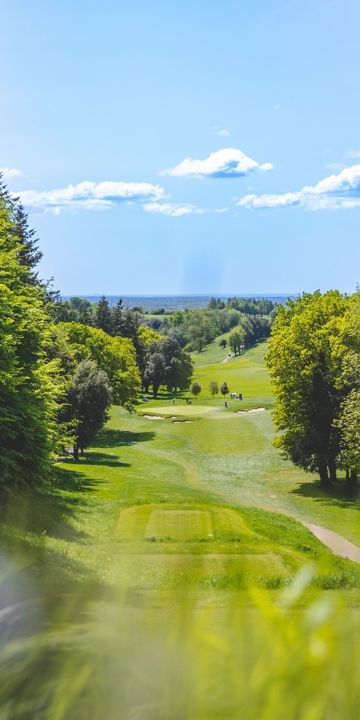
The first ever round of golf played at Goodwood was in 1914 when the 6th Duke of Richmond opened the course on the Downs above Goodwood House.


The first ever round of golf played at Goodwood was in 1914 when the 6th Duke of Richmond opened the course on the Downs above Goodwood House.


The famous fighter ace, who flew his last sortie from Goodwood Aerodrome, formerly RAF Westhampnett has a statue in his honor within the airfield.


The first thing ever dropped at Goodwood was a cuddly elephant which landed in 1932 just as the 9th Duke of Richmonds passion for flying was taking off.


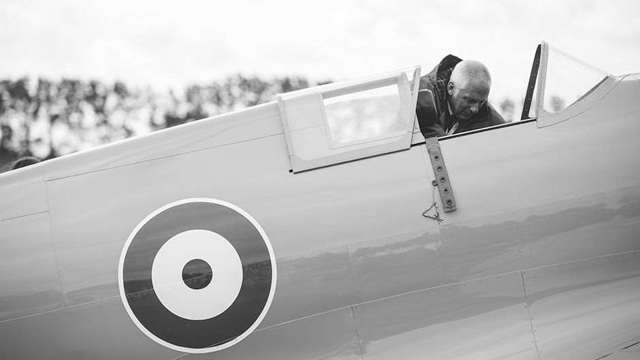
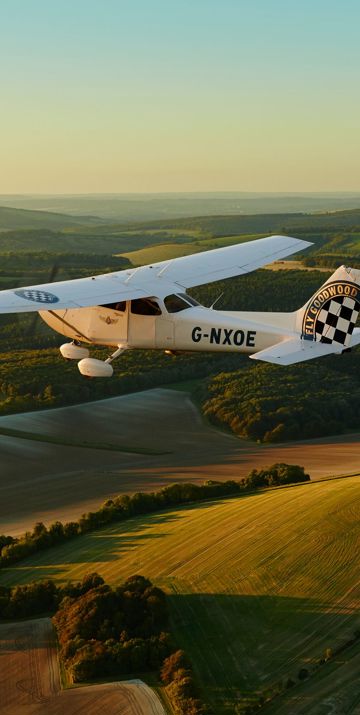
Flying training began at Goodwood in 1940 when pilots were taught operational flying techniques in Hurricanes and Spitfires.


...plan strategy in an ancient woodland, enjoy award-winning dining then drive around a racetrack?


...plan strategy in an ancient woodland, enjoy award-winning dining then drive around a racetrack?


...plan strategy in an ancient woodland, enjoy award-winning dining then drive around a racetrack?


...plan strategy in an ancient woodland, enjoy award-winning dining then drive around a racetrack?


David Edney, head Butler dons a morning suit "and a smile" every day and has been woking at Goodwood for over 25 years!


...plan strategy in an ancient woodland, enjoy award-winning dining then drive around a racetrack?


Whoa Simon! A horse so determined and headstrong, he not only won the 1883 Goodwood Cup by 20 lengths, but couldn't be stopped and carried on running over the top of Trundle hill


The first ever round of golf played at Goodwood was in 1914 when the 6th Duke of Richmond opened the course on the Downs above Goodwood House.


The iconic spitfire covered almost 43,000 kilometres and visited over 20 countries on its epic journey and currently resides at our Aerodrome.


Our gin uses wild-grown botanicals sourced from the estate, and is distilled with mineral water naturally chalk-filtered through the South Downs.


Inspired by the legendary racer, Masten Gregory, who famously leapt from the cockpit of his car before impact when approaching Woodcote Corner in 1959.


Whoa Simon! A horse so determined and headstrong, he not only won the 1883 Goodwood Cup by 20 lengths, but couldn't be stopped and carried on running over the top of Trundle hill


Flying training began at Goodwood in 1940 when pilots were taught operational flying techniques in Hurricanes and Spitfires.


Testament to the 19th-century fascination with ancient Egypt and decorative opulence. The room is richly detailed with gilded cartouches, sphinxes, birds and crocodiles.


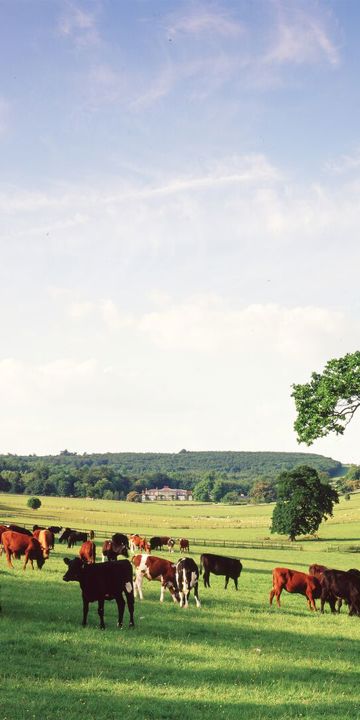
Goodwood’s pigs are a mix of two rare breeds (Gloucester Old Spots and Saddlebacks) plus the Large White Boar.


Our gin uses wild-grown botanicals sourced from the estate, and is distilled with mineral water naturally chalk-filtered through the South Downs.


"En la rose je fleurie" or "Like the rose, I flourish" is part of the Richmond coat of Arms and motto
There was a virtually defeatist conviction then that ‘the bomber will always get through’, and Tangmere’s distinctive appearance from the air, and so close to the south coast – labeled it an obvious – and vulnerable – target. In contrast what would become RAF Westhampnett – today’s Goodwood Aerodrome – would be a grass field virtually indistinguishable from the thousands of agricultural acres stretching away in all directions upon the coastal plain.
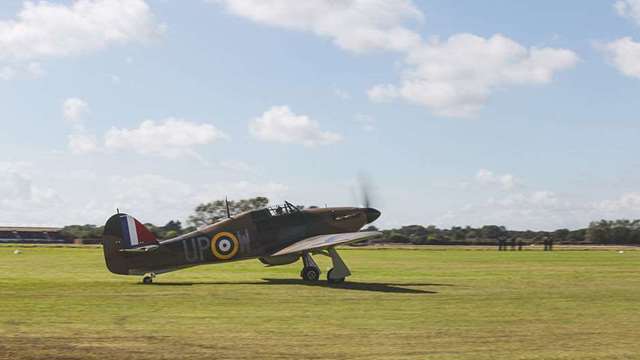
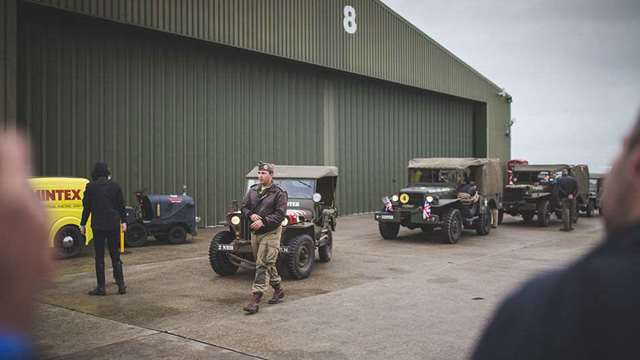
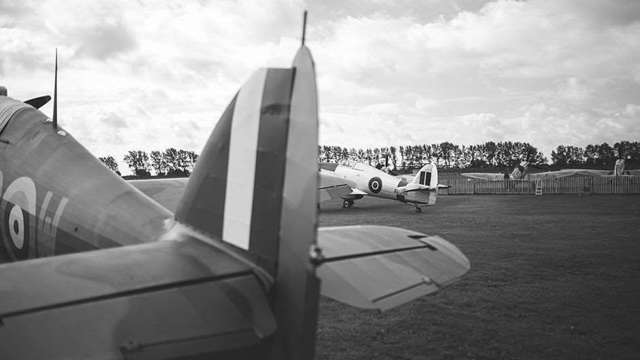
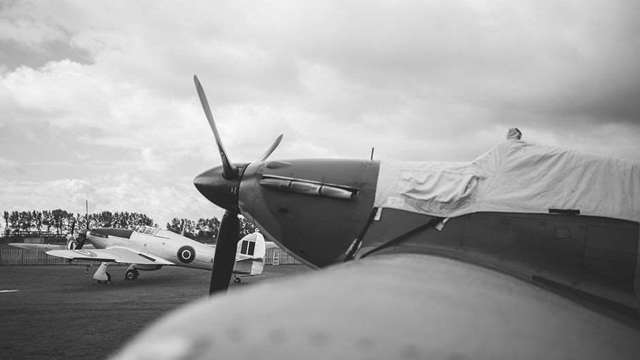
Famously now, Freddie Richmond readily agreed to the Ministy of War’s request for use of land while pointedly retaining ownership of the site rather than donating it. Consequently the Estate farm, which stood there, was demolished, hedgerows grubbed out and the grass field prepared for the Royal Air Force’s use. The first RAF personnel moved in during 1940, some officers taking residence in the farm cottages near today’s Woodcote Corner while ground crews, admin staff and general ‘erks’ discovered life under canvas and in hurriedly converted pig-sties and barns close by the current Claypit Lane/New Road roundabout. Through the Battle of Britain period, which extended from July 10 to October 31 1940, two Squadrons became fully operational from RAF Westhampnett, initially No.145 equipped with Hawker Hurricanes and from August 1940 No.602 with Supermarine Spitfires.
The action was hectic, and the cost was high. During the Battle period Tangmere Sector – which was RAF Fighter Command’s ‘A Sector’ in its overall south-east England command structure – comprised the RAF aerodromes at Tangmere, Westhampnett, Shoreham and RNAS Ford, while also controlling twin-engined Blenheims converted as interceptors and operated by Coastal Command from nearby Thorney Island. And overall during the Battle, Tangmere Sector lost 57 pilots.
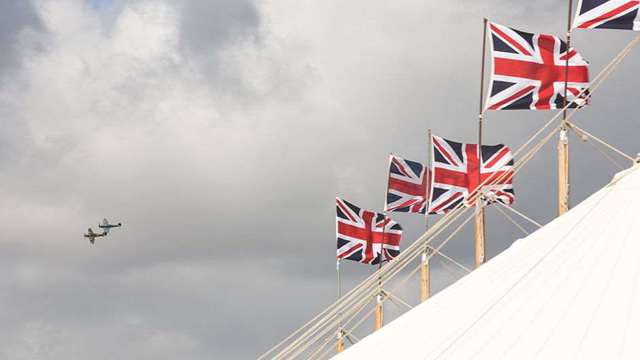
Of these unfortunate few, 18 flew their final, fatal missions from ‘our’ aerodrome at Westhampnett. And that is why we felt it was so important to mark the 75th anniversary of the Battle during this year’s Revival Meeting. And why it was even more important to commemorate each one of those young men individually by name – so movingly presented by Nimmy March, with each lost pilot honoured by local-unit air cadets lowering the relevant national flag. While our Union flag predominated, it was notable how the Polish, Australian, Belgian, South African and American flags also featured.
Our country then in effect stood alone against the invasion threat but, most emphatically, not friendless…
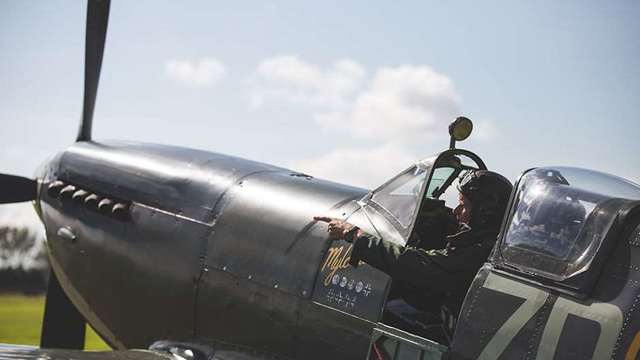
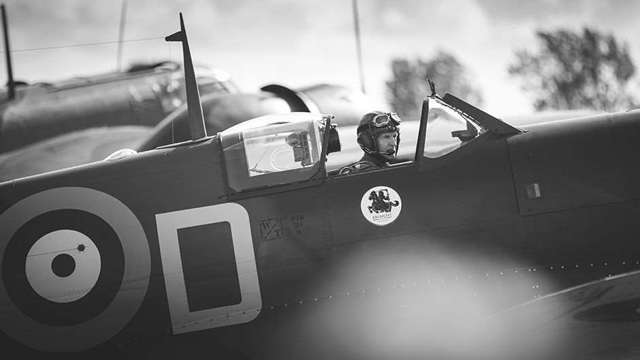
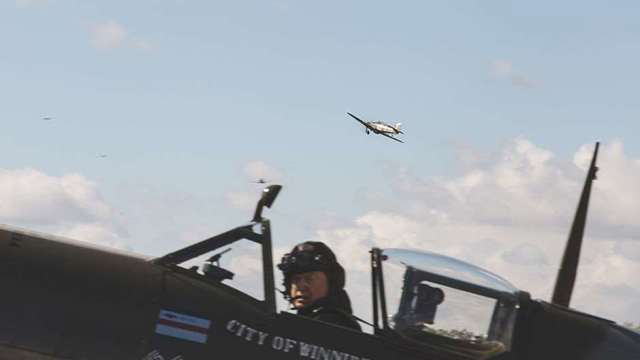
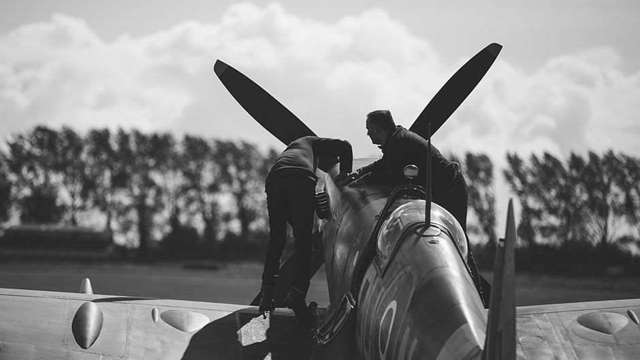
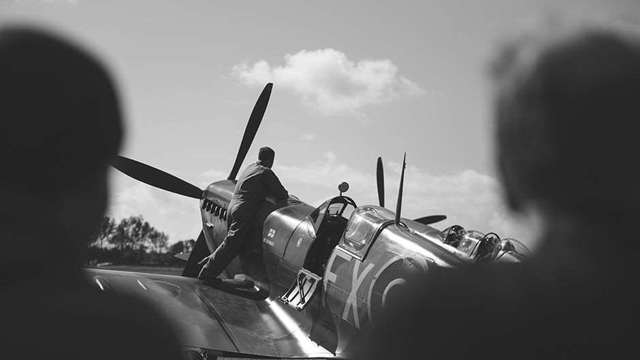
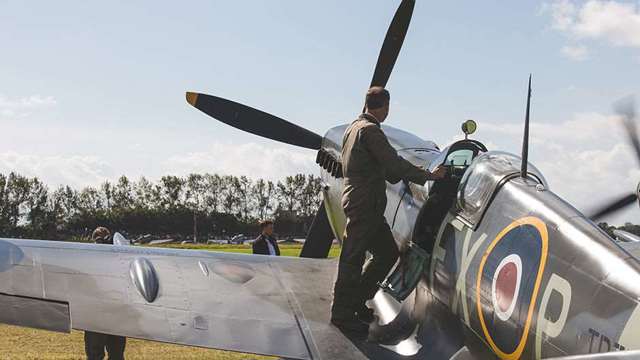
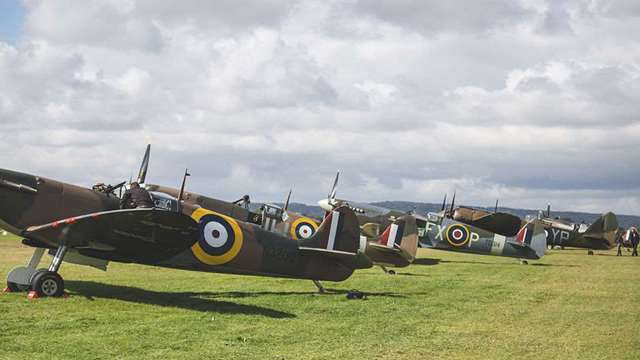
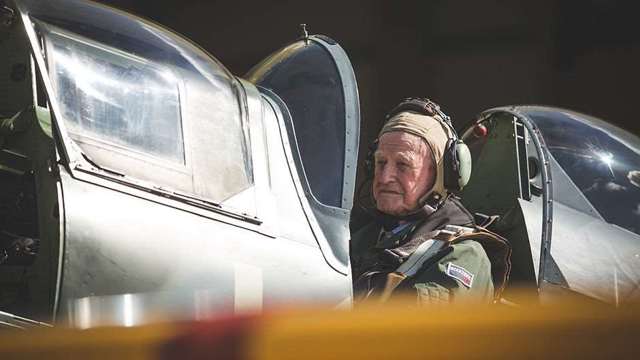
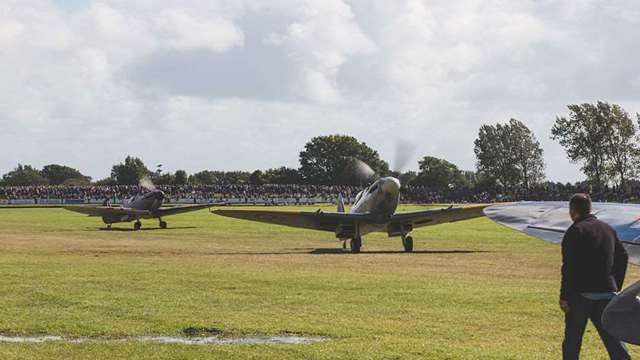
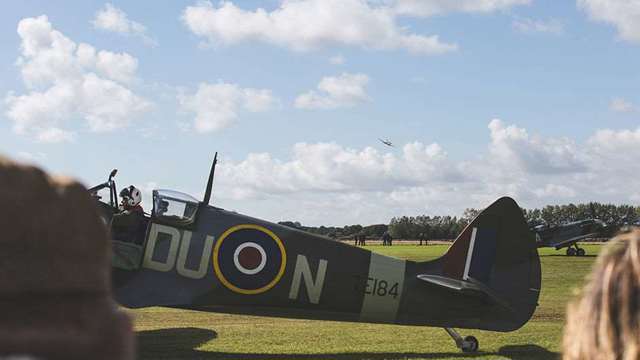
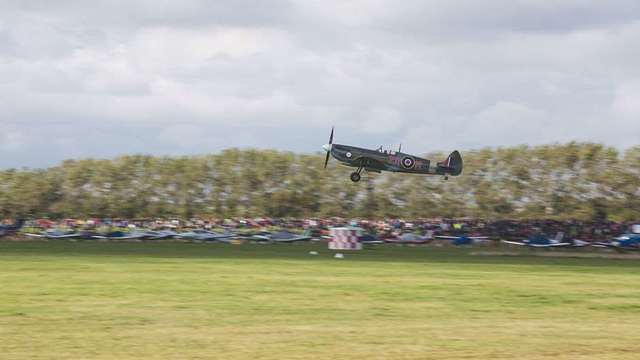
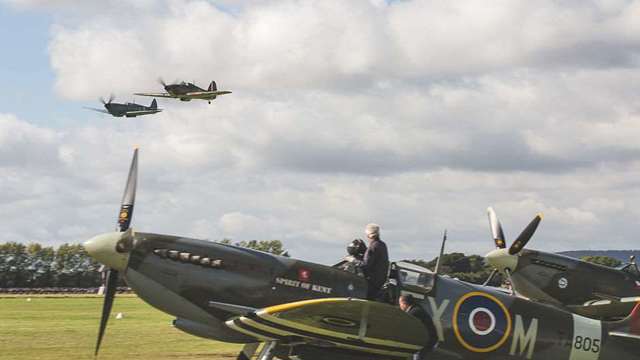
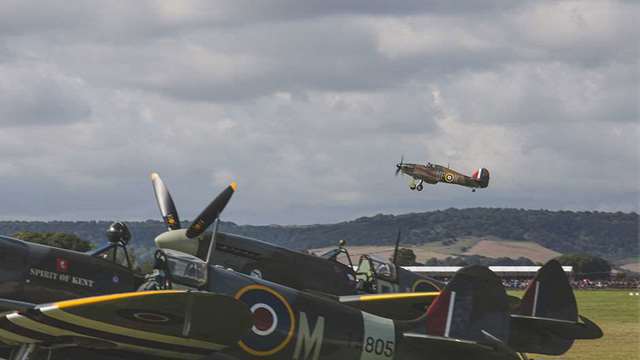
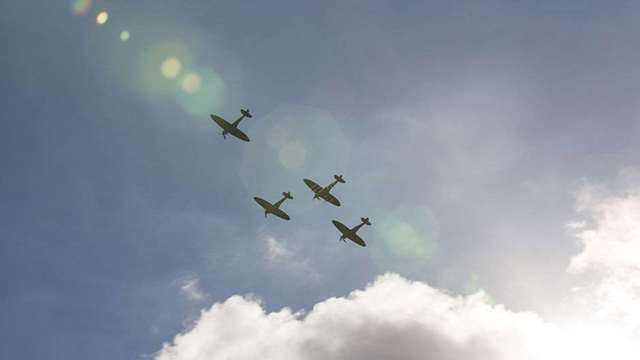
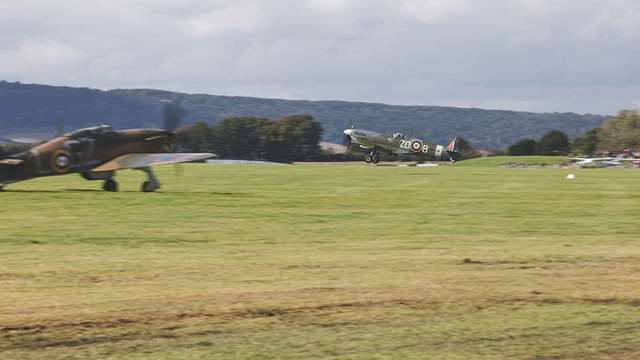
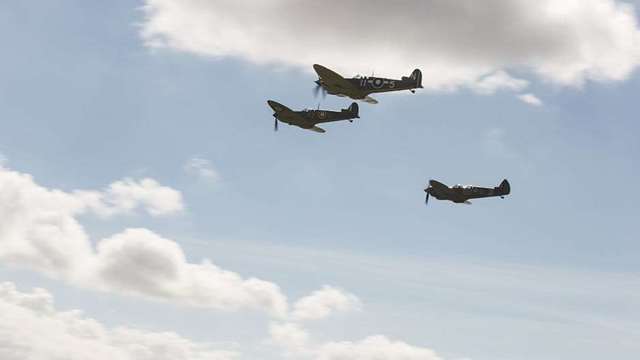
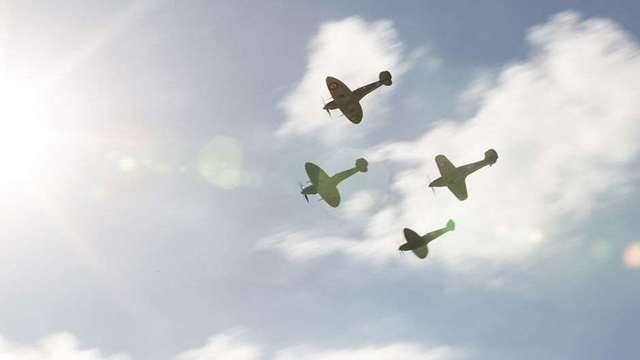
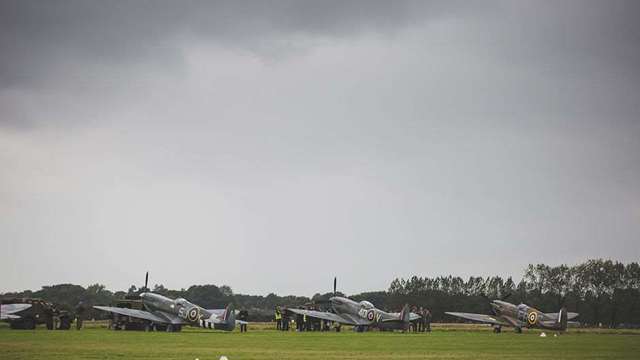
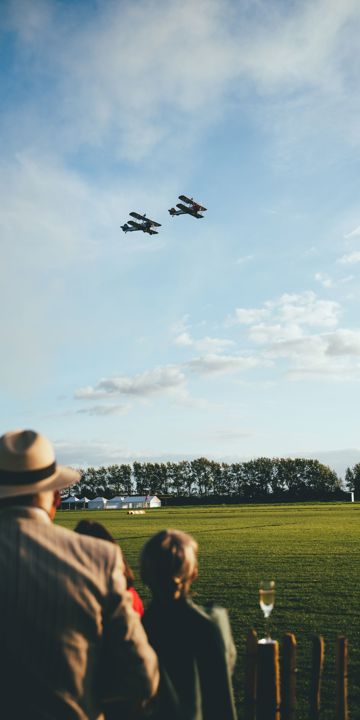
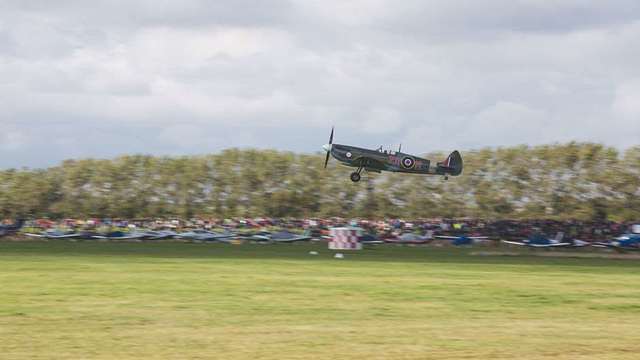
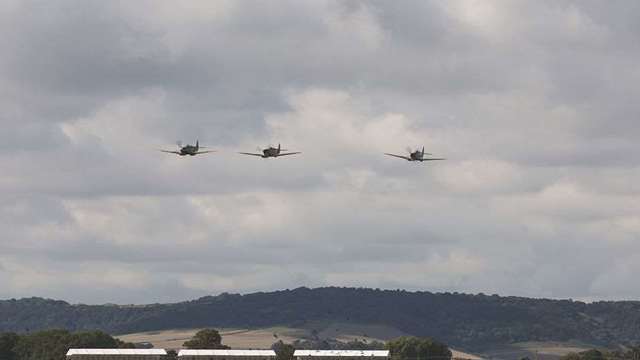
And on the Tuesday following Revival – Battle of Britain Day – Goodwood then hosted assembly and take off for what we believe was the biggest group of Spitfire and Hurricane aircraft brought together since the 1940s. Credit for much of this fantastically evocative tribute’s organisation is owed to Matt Jones and his colleagues at The Boultbee Flight Academy – the Goodwood-based organisation celebrated for its Supermarine Spitfire training and conversion courses, and flight experience programmes.
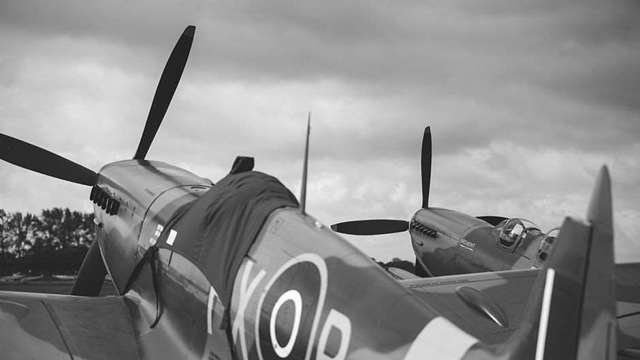
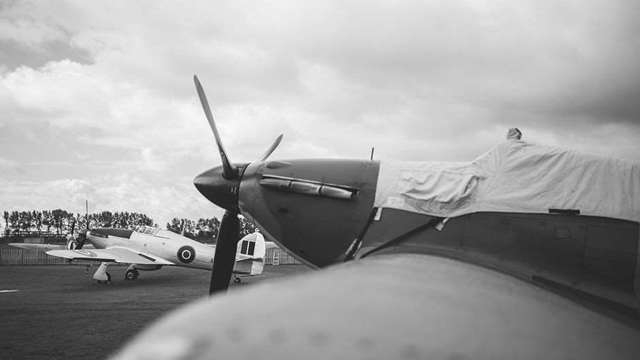
Some 32,000 spectators packed the Motor Circuit outfield to witness that Tuesday’s spectacle once morning rains had blown clear and 1940-type summer sun prevailed. Surveying the scene from the brand-new Aero Club building’s roof gallery, it struck me that more Spitfire and Hurricane aircraft were visible upon the aerodrome than probably at any time during the Battle itself. Just those two Squadrons were based here then, maybe 25-30 aircraft at most – and now before us in 2015 were 35-40 – plus John Romaine’s magnificent and unique flying Bristol Blenheim.
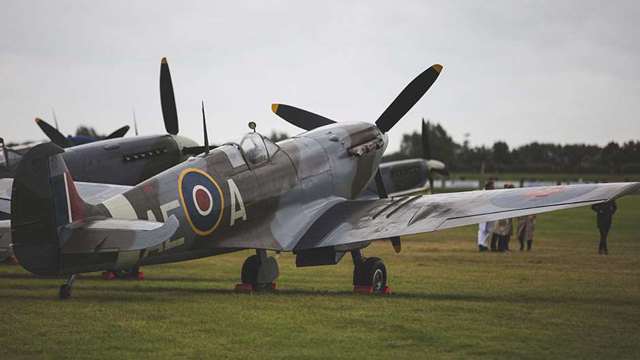
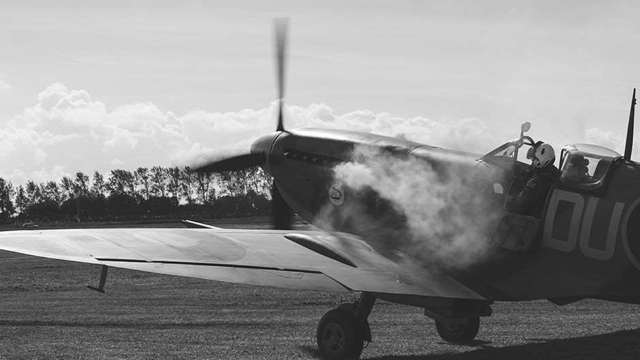
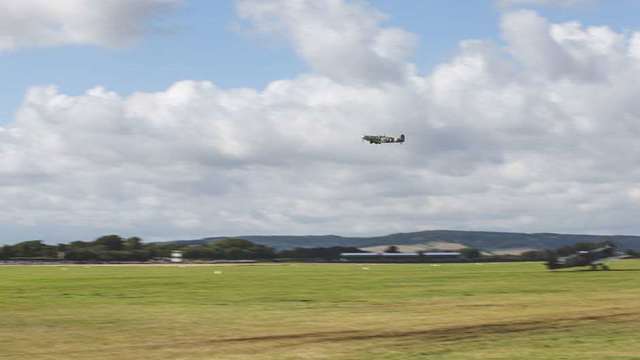
As the aircraft coughed into life – initially flickering exhaust flame and billowing blue smoke before start-up rich mixtures burned off – then began to taxi out across the bumpy grass to line-up for takeoff on the infield near Woodcote Corner, those were real lump-in-the-throat moments.
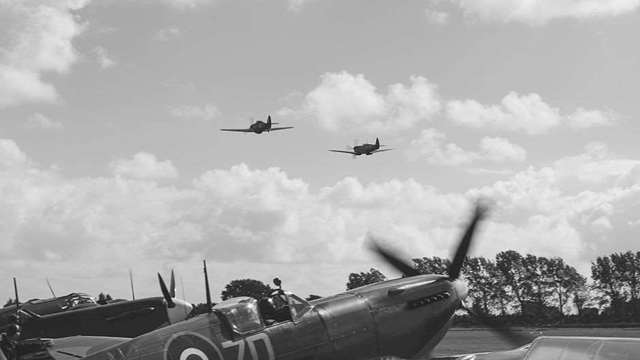
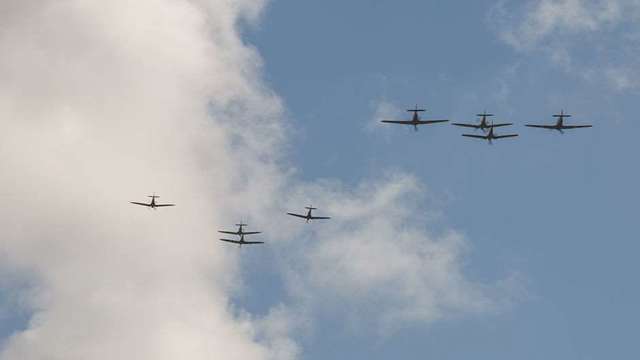
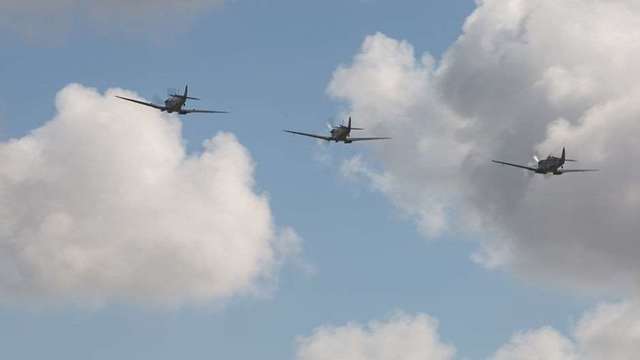
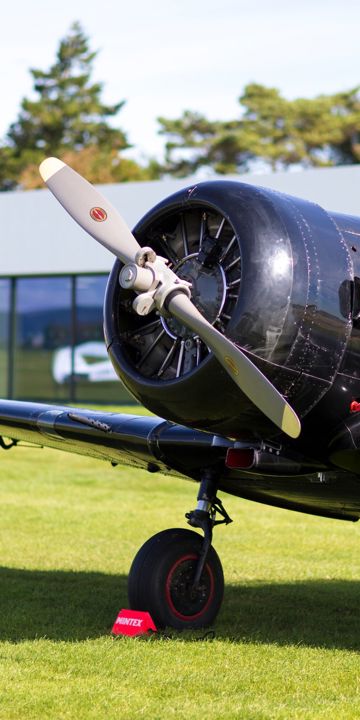
The roar of multiple Rolls-Royce Merlin engines once again bounced back from Trundle Hill and Bow Hill. As – one-by-one – the aircraft climbed away between Lavant and Chichester, banking right to clear the town – the south-westerly sun flashed off cockpit canopies and tail fins. And – once assembled into their Section formations above Selsey Bill – each fly-by of three, four, six or eight radiated a sight and sound surely to be cherished.
Having spent long hours with specialist historian Andy Saunders verifying the list of Tangmere Sector’s losses that long-gone summer – the names were still flickering through my mind… Sergeant Eric Debnam Baker, Flying Officer Guy Raustrom Branch (Empire Gallantry Medal), Flying Officer The Lord Richard Ughtred Paul Kay-Shuttleworth, Flying-Officer Antoni Ostowicz, Sergeant Mervyn Sprague… and on… and on… and still further formations came winging in above us, more great classic aircraft wheeling low across the Aerodrome.
And looking up towards the Race Course one could see the crowds lining the crest of the hills – and out in the lanes all around were thousands more. This was simply a fantastic 75th anniversary tribute, and once home my young grandchildren were full of how, when leaving school, they had glimpsed the Spitfires and Hurricanes flying over, 25-miles north – and further accounts kept emerging from far and wide of how ‘they’ had been seen clear across the country, from Devon to Dover – absolutely the object of the commemorative exercise; mission accomplished.
Setting any Goodwood interest aside – what a fabulous event this was. And in such volume all made possible by private owners, private individuals, and private enterprise; certainly some of the freedoms those predecessors whose brief, brave lives we commemorate and honour, were defending in our skies, 75 long years ago.
Photography courtesy of The GP Library and Tom Shaxon