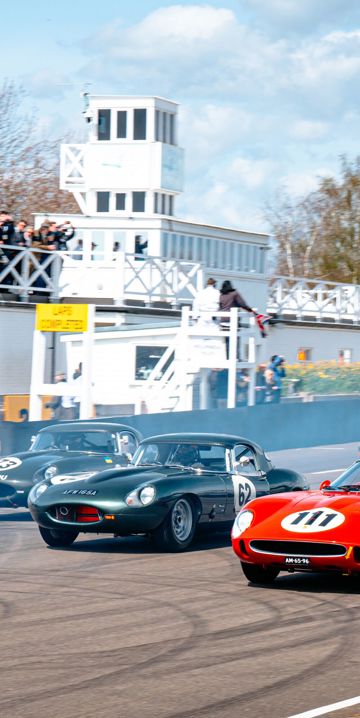
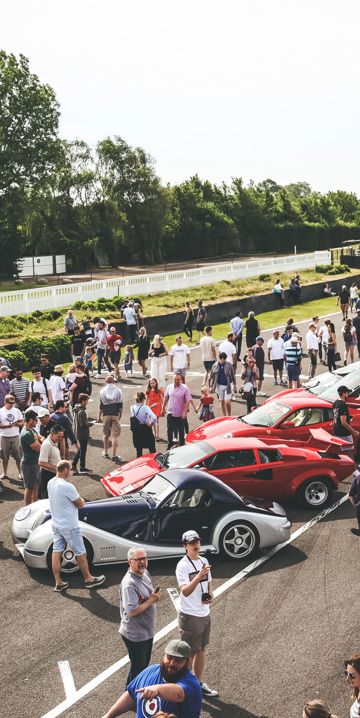

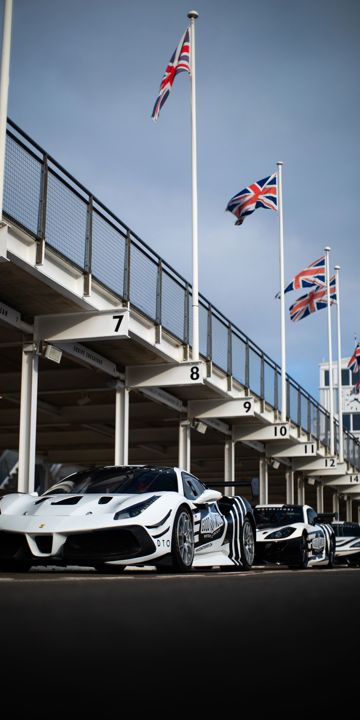
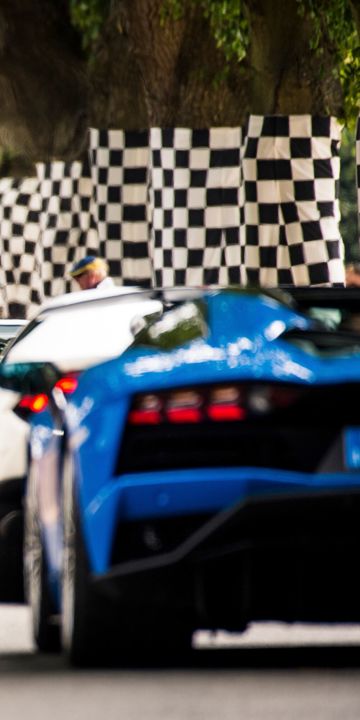
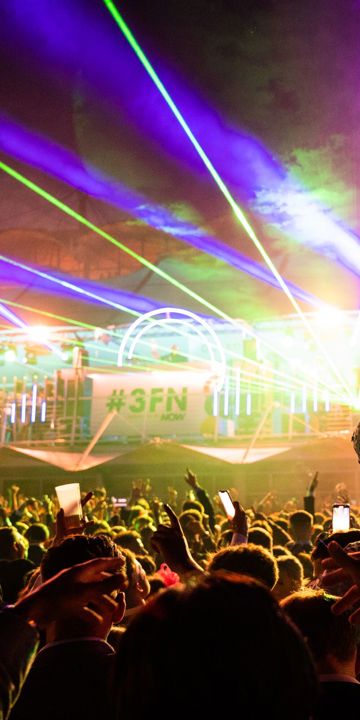
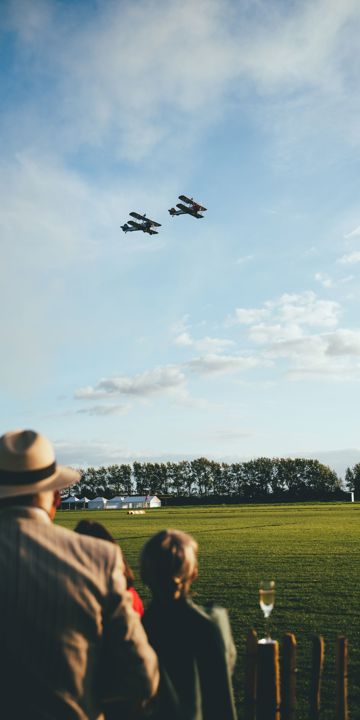
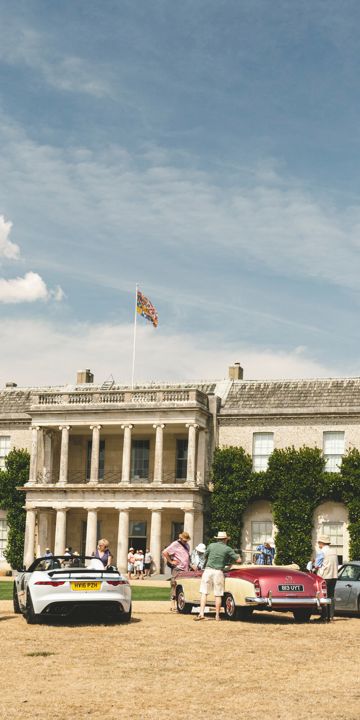
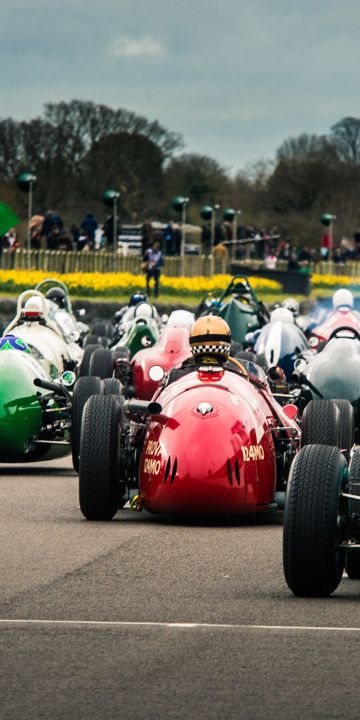

The Fiat S76 or "Beast of Turin" is a Goodwood favourite and can usually be heard before it is seen at #FOS


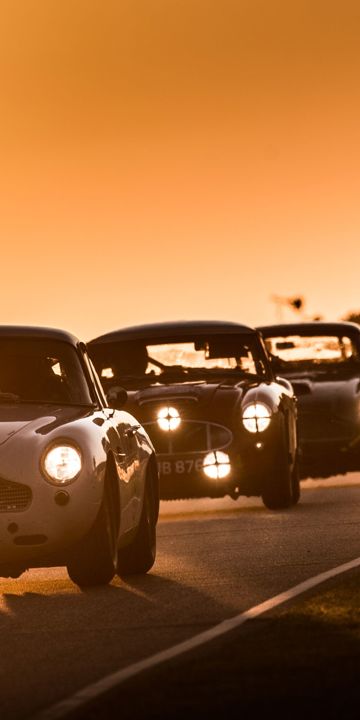
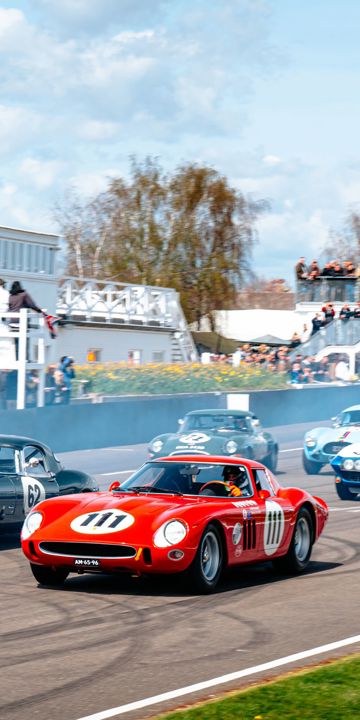
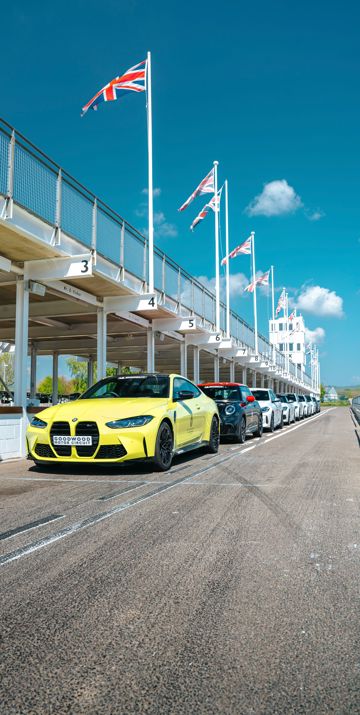
Spectate from the chicane at the Revival to see plenty of classic cars going sideways as they exit this infamous point of our Motor Circuit.


The first ever horsebox was used from Goodwood to Doncaster for the 1836 St. Leger. Elis arrived fresh and easily won his owner a £12k bet.


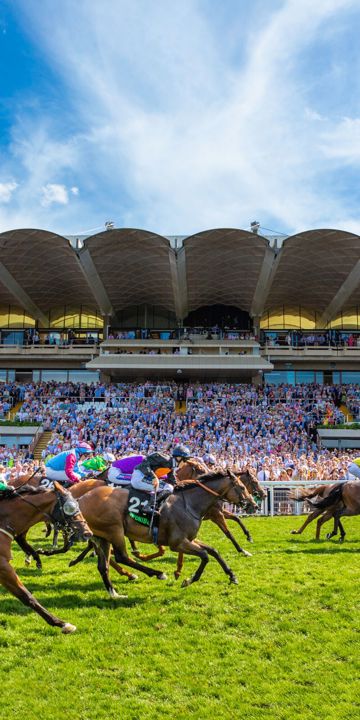
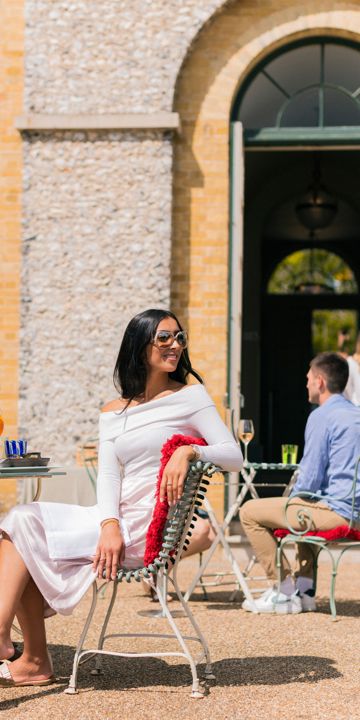
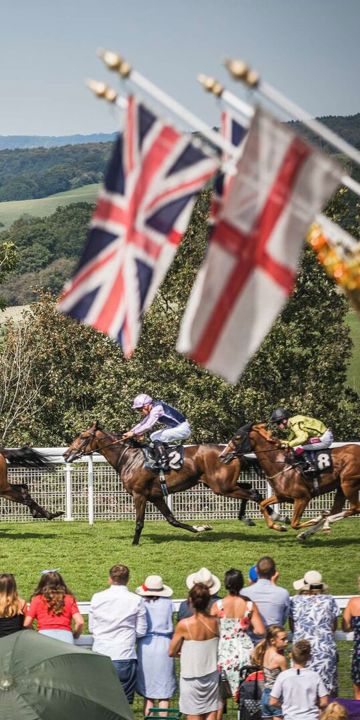
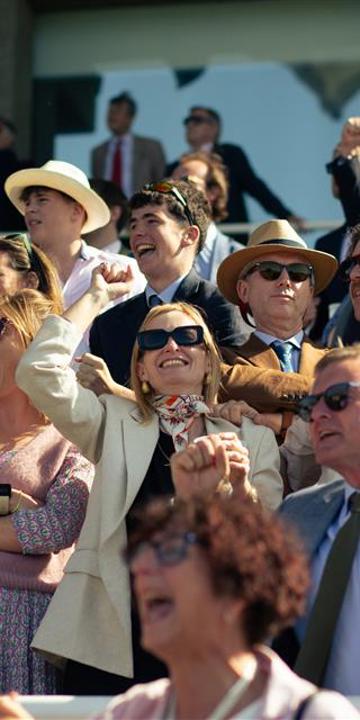
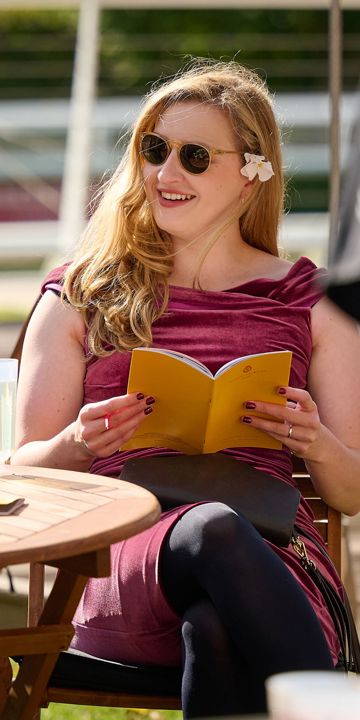
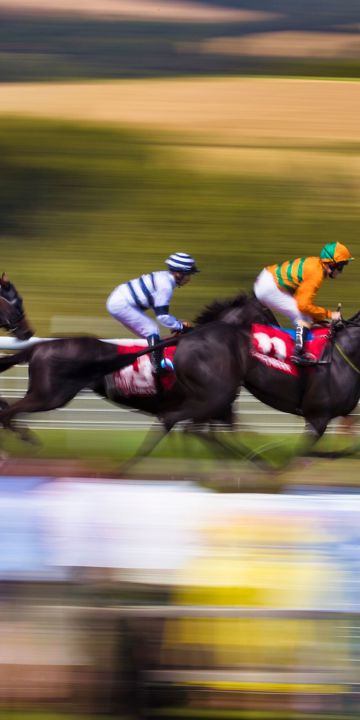
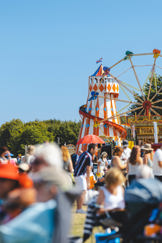
King Edward VII (who came almost every year) famously dubbed Glorious Goodwood “a garden party with racing tacked on”.


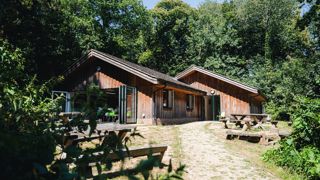
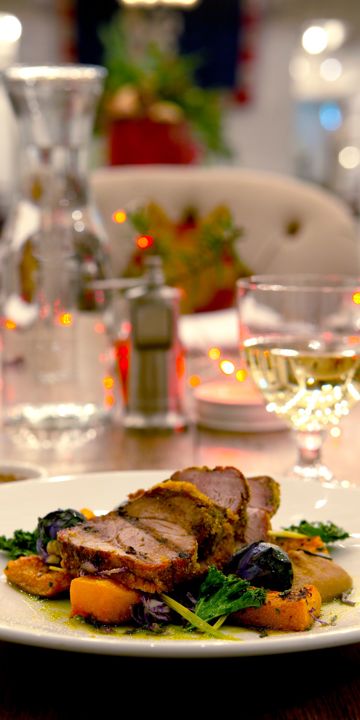
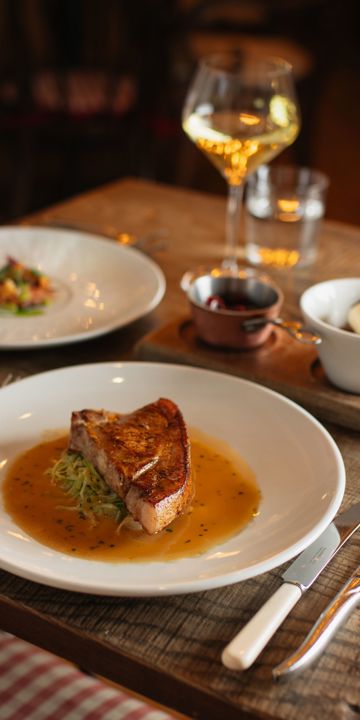
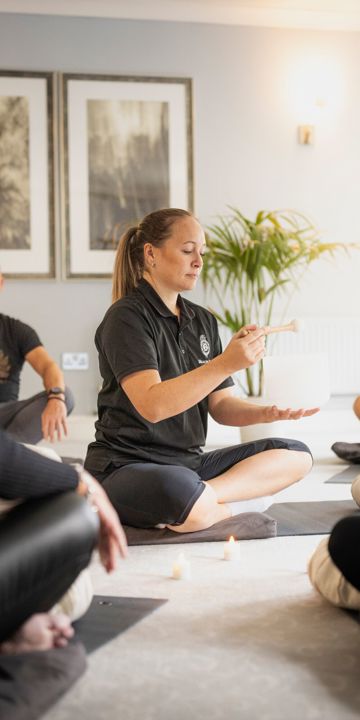
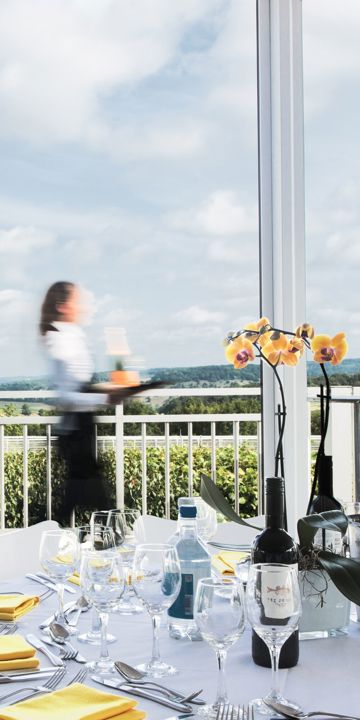
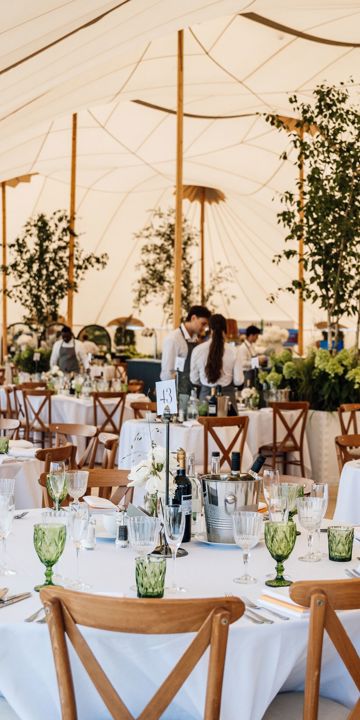
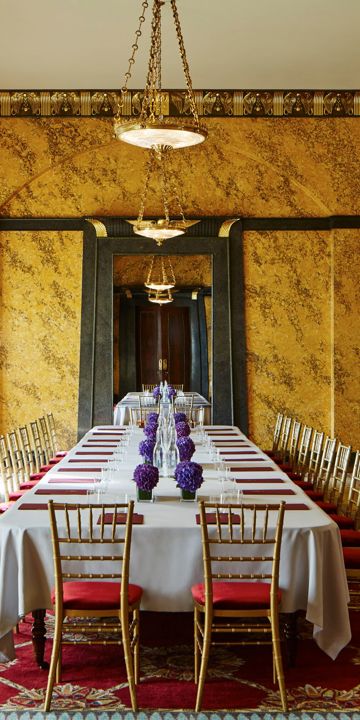
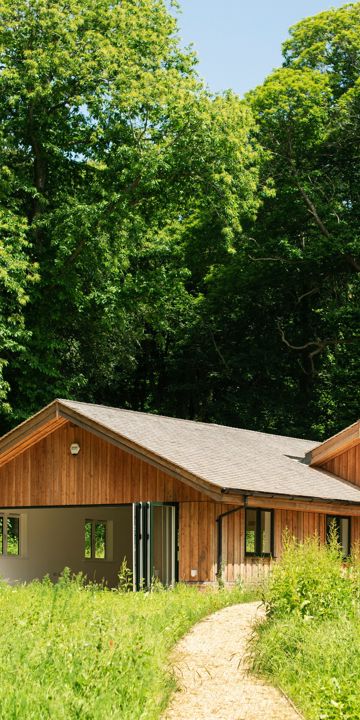
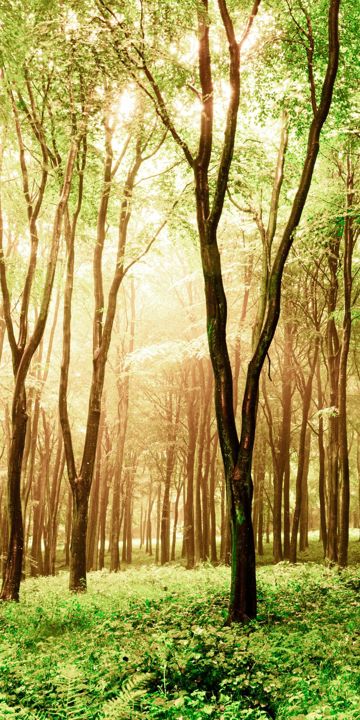
...plan strategy in an ancient woodland, enjoy award-winning dining then drive around a racetrack?


Testament to the 19th-century fascination with ancient Egypt and decorative opulence. The room is richly detailed with gilded cartouches, sphinxes, birds and crocodiles.


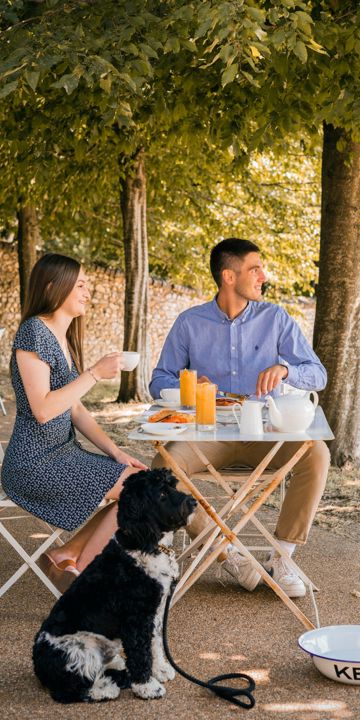
Easy boy! The charismatic Farnham Flyer loved to celebrate every win with a pint of beer. His Boxer dog, Grogger, did too and had a tendancy to steal sips straight from the glass.


According to Head Butler at Goodwood House David Edney "Class, sophistication and discretion".


Built in 1787 by celebrated architect James Wyatt to house the third Duke of Richmond’s prized fox hounds, The Kennels was known as one of the most luxurious dog houses in the world!


Many items came from Gordon castle in Scotland when it left family ownership, coming out from storage exclusively for Hound Lodge.


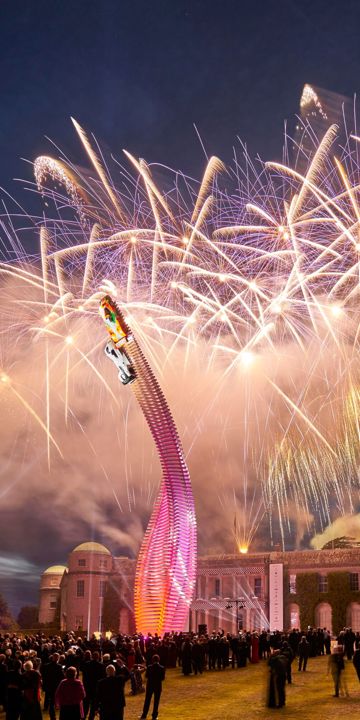
Inspired by the legendary racer, Masten Gregory, who famously leapt from the cockpit of his car before impact when approaching Woodcote Corner in 1959.


Sir Stirling Moss was one of the founding patrons of the Festival of Speed, and a regular competitor at the Revival.


From 2005 to present there has been a demonstration area for the rally cars at the top of the hill


Our replica of the famous motor show showcases the "cars of the future" in true Revival style


Whoa Simon! A horse so determined and headstrong, he not only won the 1883 Goodwood Cup by 20 lengths, but couldn't be stopped and carried on running over the top of Trundle hill


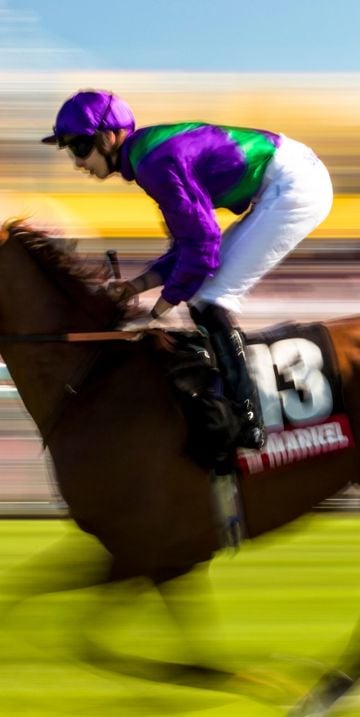
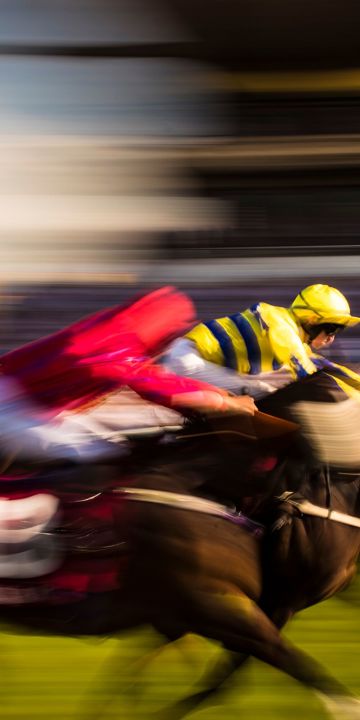
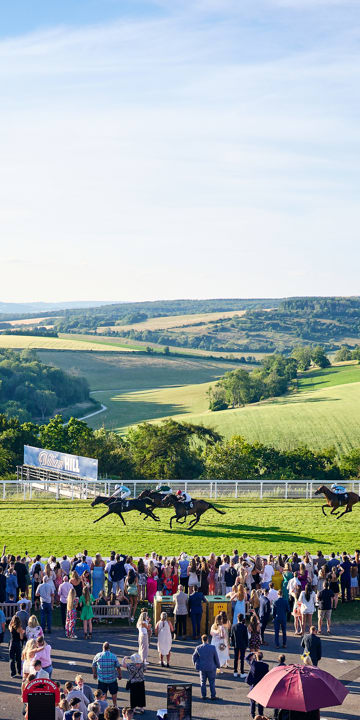
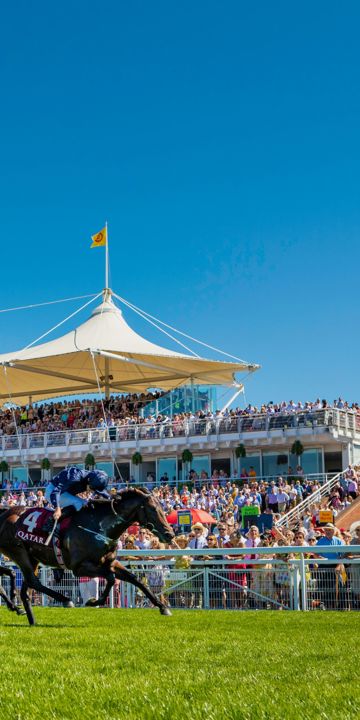
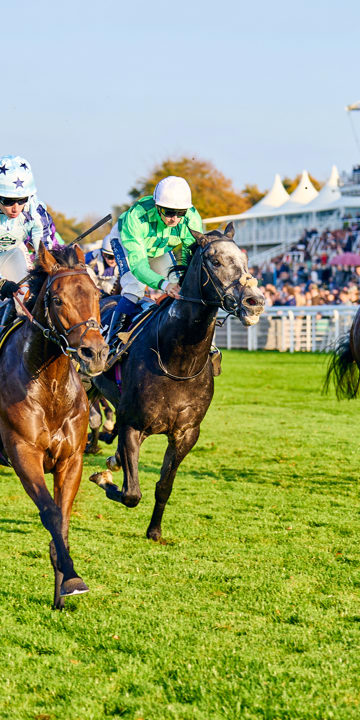
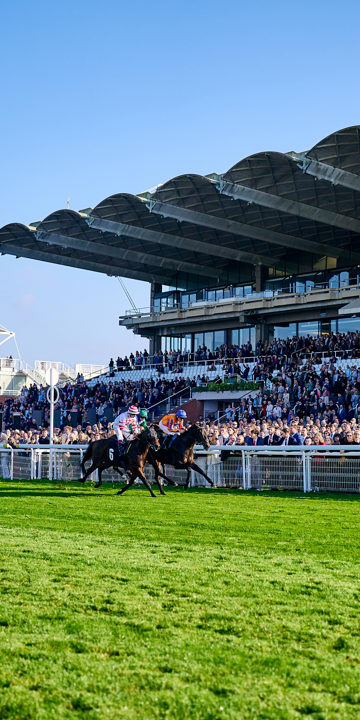
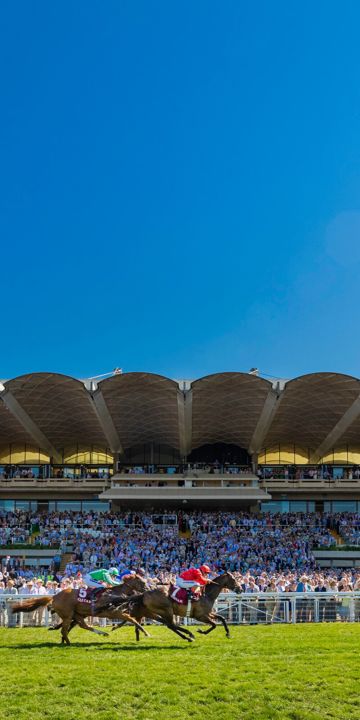
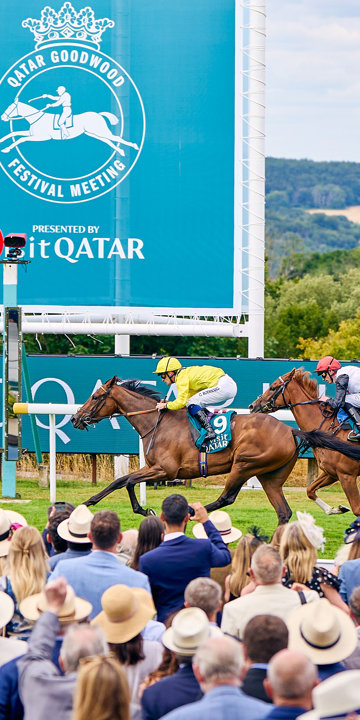
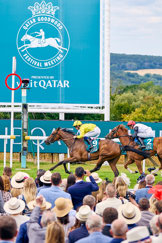
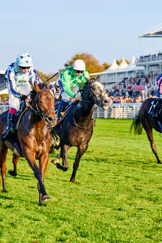
The first public race meeting took place in 1802 and, through the nineteenth century, ‘Glorious Goodwood,’ as the press named it, became a highlight of the summer season


King Edward VII (who came almost every year) famously dubbed Glorious Goodwood “a garden party with racing tacked on”.


The red & yellow of the Racecourse can be traced back hundreds of years, even captured in our stunning Stubbs paintings in the Goodwood Collection


The red & yellow of the Racecourse can be traced back hundreds of years, even captured in our stunning Stubbs paintings in the Goodwood Collection


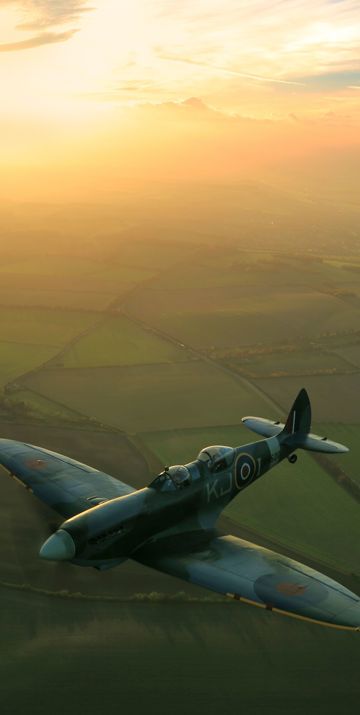
The iconic spitfire covered almost 43,000 kilometres and visited over 20 countries on its epic journey and currently resides at our Aerodrome.


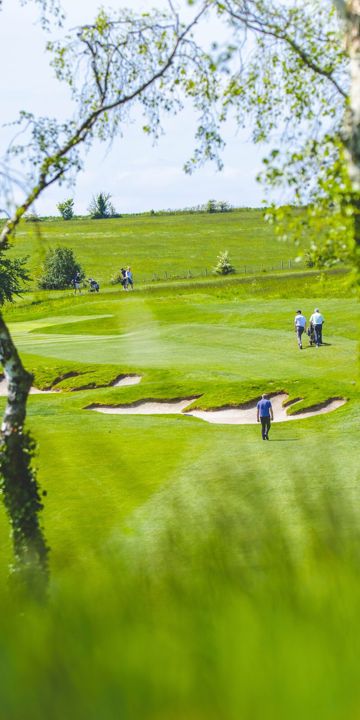
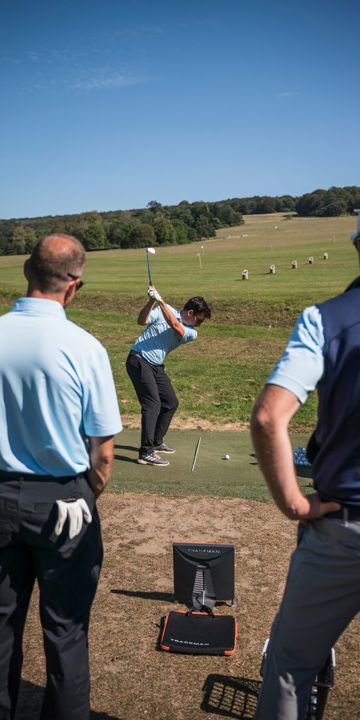
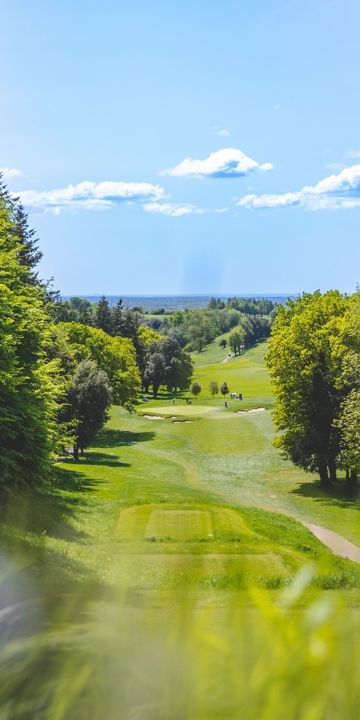
One of the greatest golfers of all time, James Braid designed Goodwood’s iconic Downland course, opened in 1914.


The oldest existing rules for the game were drawn up for a match between the 2nd Duke and a neighbour


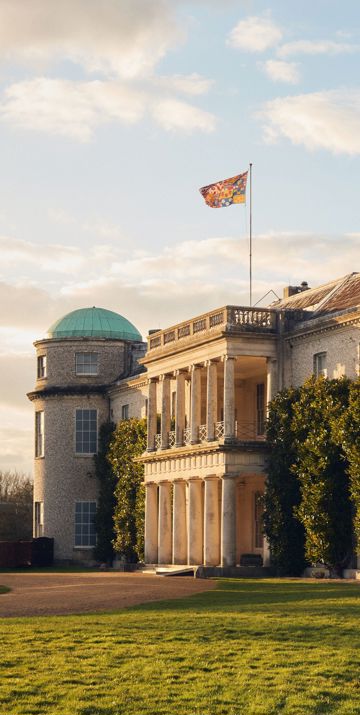
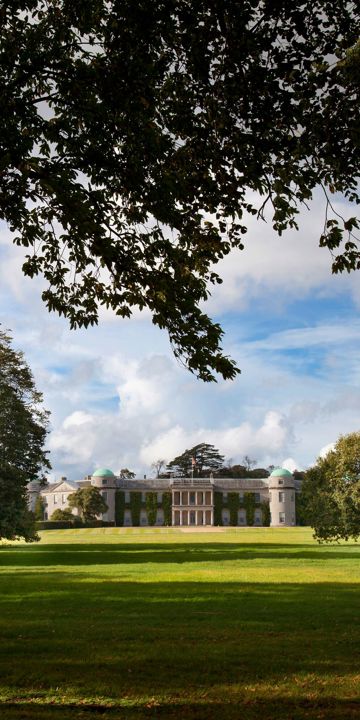
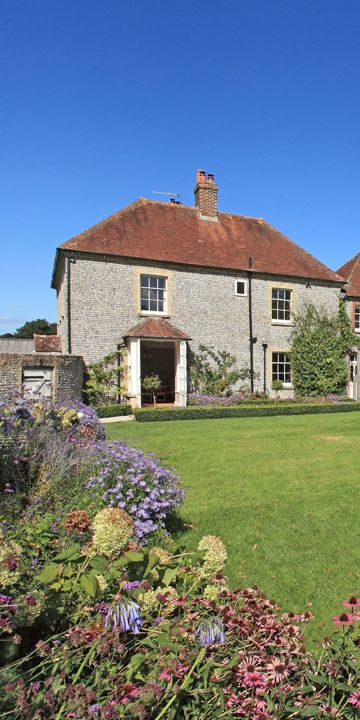
After a fire in 1791 at Richmond House in Whitehall, London, James Wyatt added two great wings to showcase the saved collection at Goodwood. To give unity to the two new wings, Wyatt added copper-domed turrets framing each façade.


The Motor Circuit was known as RAF Westhampnett, active from 1940 to 1946 as a Battle of Britain station.


...plan strategy in an ancient woodland, enjoy award-winning dining then drive around a racetrack?


One of the greatest golfers of all time, James Braid designed Goodwood’s iconic Downland course, opened in 1914.


One of the greatest golfers of all time, James Braid designed Goodwood’s iconic Downland course, opened in 1914.


The first ever round of golf played at Goodwood was in 1914 when the 6th Duke of Richmond opened the course on the Downs above Goodwood House.


The famous fighter ace, who flew his last sortie from Goodwood Aerodrome, formerly RAF Westhampnett has a statue in his honor within the airfield.


The iconic spitfire covered almost 43,000 kilometres and visited over 20 countries on its epic journey and currently resides at our Aerodrome.


The Motor Circuit was known as RAF Westhampnett, active from 1940 to 1946 as a Battle of Britain station.


...plan strategy in an ancient woodland, enjoy award-winning dining then drive around a racetrack?


...plan strategy in an ancient woodland, enjoy award-winning dining then drive around a racetrack?


...plan strategy in an ancient woodland, enjoy award-winning dining then drive around a racetrack?


...plan strategy in an ancient woodland, enjoy award-winning dining then drive around a racetrack?


The exquisite mirror in the Ballroom of Goodwood House it so big they had to raise the ceiling to get it inside!


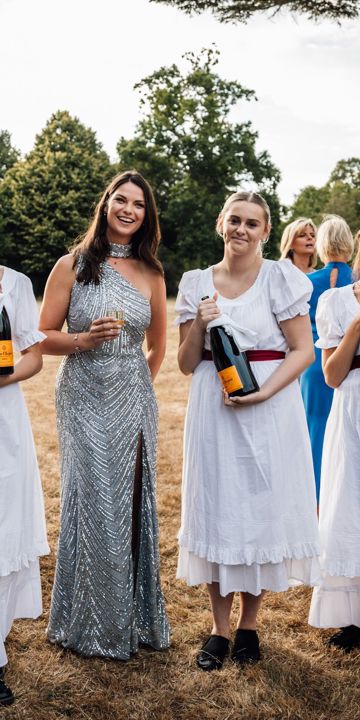
Ensure you take a little time out together to pause and take in the celebration of all the hard work you put in.


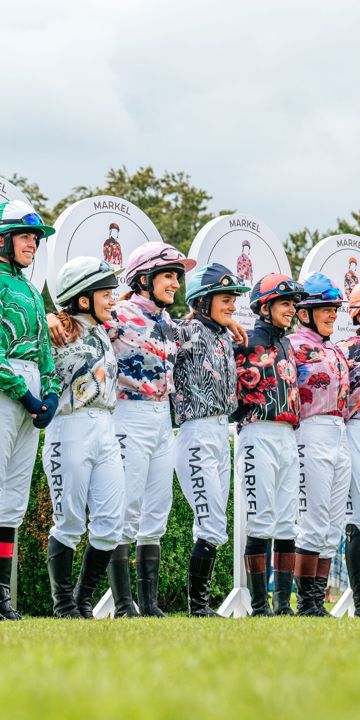
Leading women of business, sport, fashion and media, take part in one of the most exciting horseracing events in the world.


One of the greatest golfers of all time, James Braid designed Goodwood’s iconic Downland course, opened in 1914.


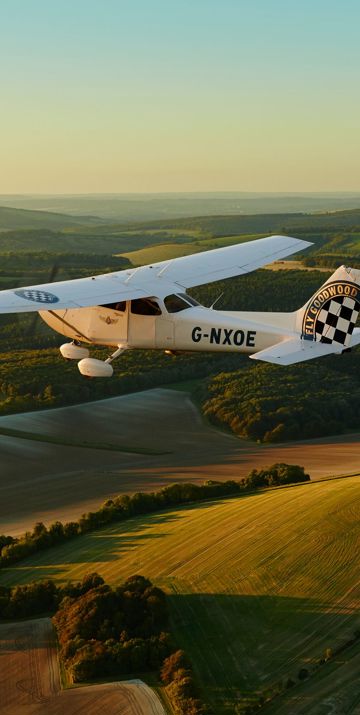
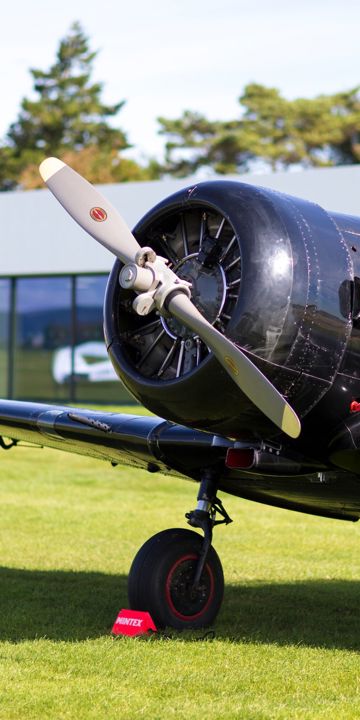
Flying training began at Goodwood in 1940 when pilots were taught operational flying techniques in Hurricanes and Spitfires.


Built in 1787 by celebrated architect James Wyatt to house the third Duke of Richmond’s prized fox hounds, The Kennels was known as one of the most luxurious dog houses in the world!


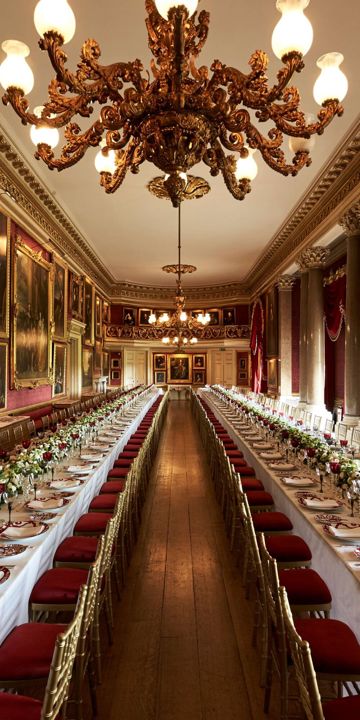
Just beyond Goodwood House along the Hillclimb, the 2nd Dukes banqueting house was also known as "one of the finest rooms in England" (George Vertue 1747).


The iconic spitfire covered almost 43,000 kilometres and visited over 20 countries on its epic journey and currently resides at our Aerodrome.


The oldest existing rules for the game were drawn up for a match between the 2nd Duke and a neighbour


Our gin uses wild-grown botanicals sourced from the estate, and is distilled with mineral water naturally chalk-filtered through the South Downs.


The first thing ever dropped at Goodwood was a cuddly elephant which landed in 1932 just as the 9th Duke of Richmonds passion for flying was taking off.


The oldest existing rules for the game were drawn up for a match between the 2nd Duke and a neighbour


The first thing ever dropped at Goodwood was a cuddly elephant which landed in 1932 just as the 9th Duke of Richmonds passion for flying was taking off.


Since the first Duke of Richmond came to Goodwood in 1697, the estate has successfully adapted to ever changing socio-economic and natural environmental conditions.
Today, Goodwood addresses current challenges through innovative methods, drawing inspiration from its sporting heritage and the picturesque South Downs landscape, ensuring that future generations can cherish Goodwood as we all do today.

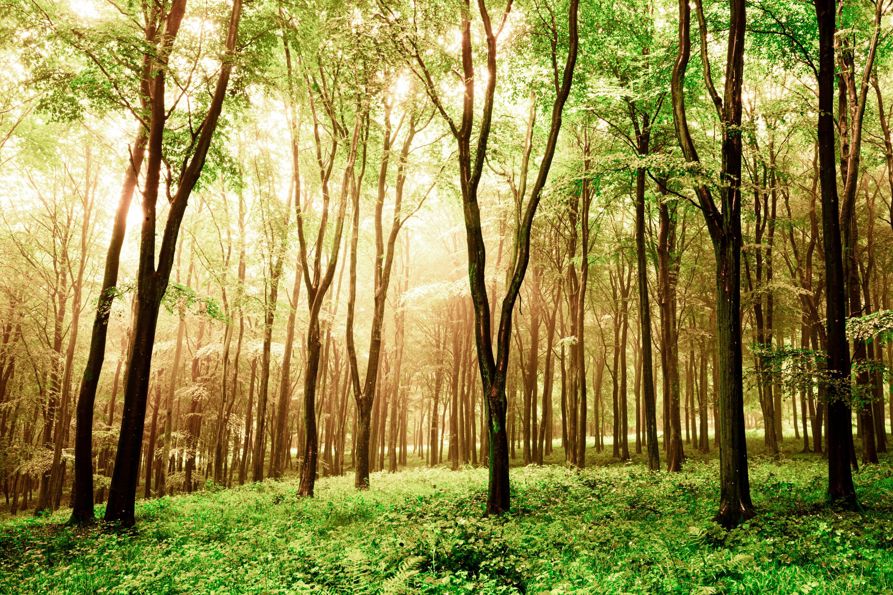

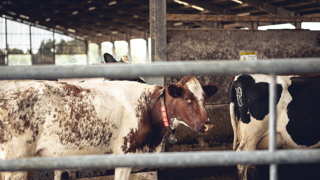
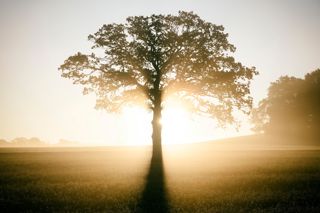
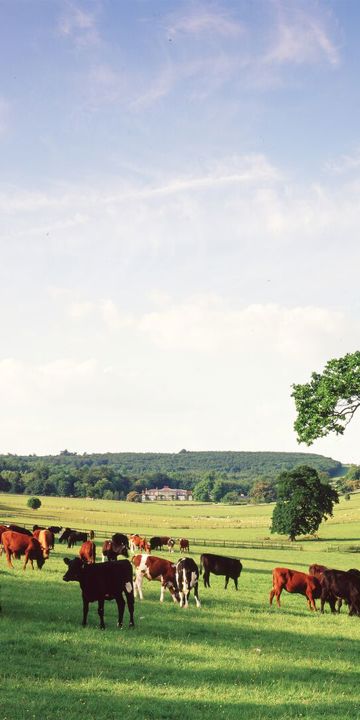
The resources and environmental features of the estate include plant and animal life.
The measurement of our emissions and carbon footprint in addition to our use of green energy.
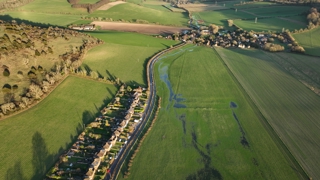
The natural water features of the landscape as well as our manmade supply and irrigation systems.
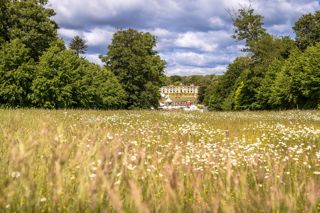
The relationship between the individual business units and the estate as a whole as well as supply chains and procurement.
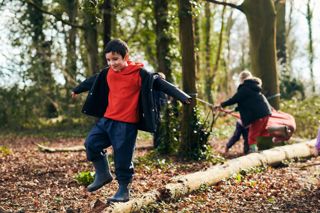
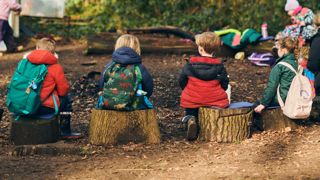
Community and charity collaboration including fundraising and local educational and social projects.
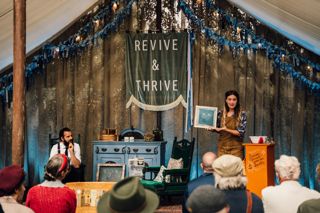
Considers resource management and the ways of prolonging the life cycle of materials we use.
We are delighted to present the annual Goodwood Sustainability Report for 2025. The report highlights our sustainable accomplishments over the past year and addressees the challenges we've faced in striving to become as sustainable as we possibly can. Read the report here.

We are keenly aware of the changing climatic conditions, and therefore how imperative it is that we work towards becoming a sustainable, carbon positive estate.
The Duke of Richmond and Gordon, CBE DL
All the latest news, offers, announcements and highlights.
News
Goodwood Estate has published its 2025 Sustainability Report, sharing the next chapter in its long-standing commitment to caring for the land, supporting its community and shaping a more sustainable future across the estate’s diverse businesses and experiences.
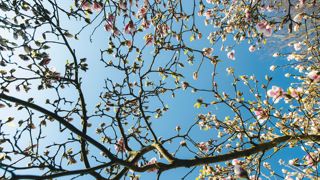
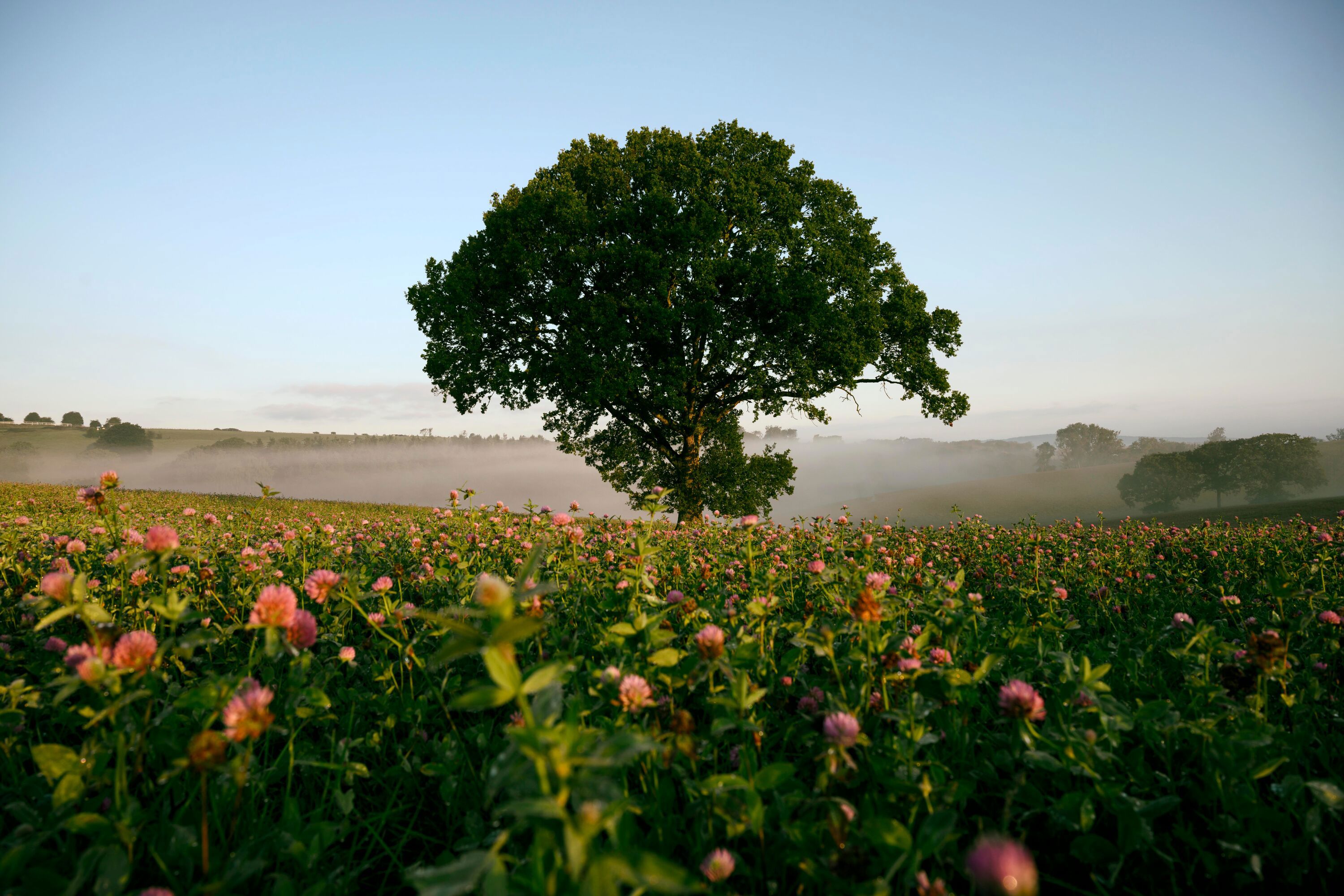
As spring settles across the Estate, May brings with it a remarkable transformation. Meadows begin to sway, woodland bursts into vibrant colours and the skies fill with returning seasonal birds. It is a time when nature comes to life and one of the most rewarding moments of the year to experience the landscape in full flourish.
News
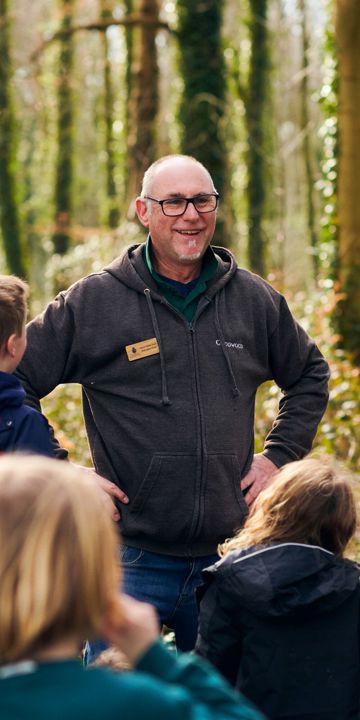
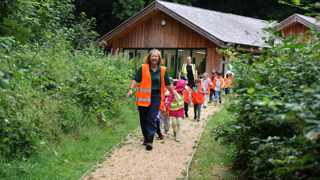
New partnership announced between the Goodwood Education Trust and the South of England Agricultural Society to promote free farm trips and support with travel for underserved primary and secondary schools