-
Events
-
Festival of Speed
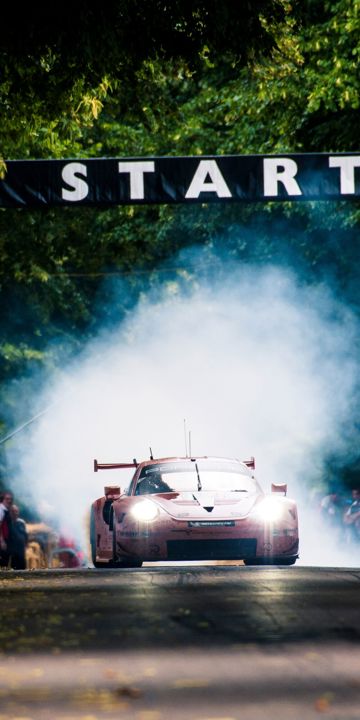

What's that on the startline?
The Hill Start Line is marked by bricks taken from the Indianapolis Motor Speedway.
-
Goodwood Revival

Freddie's Famous Scarf
When the 9th Duke won the Double Twelve at Brooklands in 1931 he never drove without it throughout his successful driving career.
-
Members' Meeting
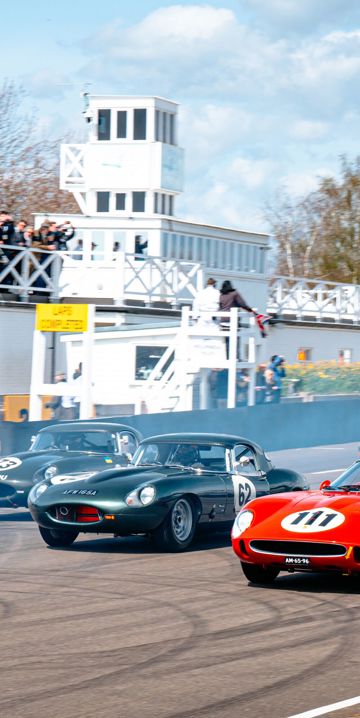

The return of the Members' Meeting
The 72nd Goodwood Members' Meeting was run for GRRC Members in 2014, the first since 1966.
-
Qatar Goodwood Festival
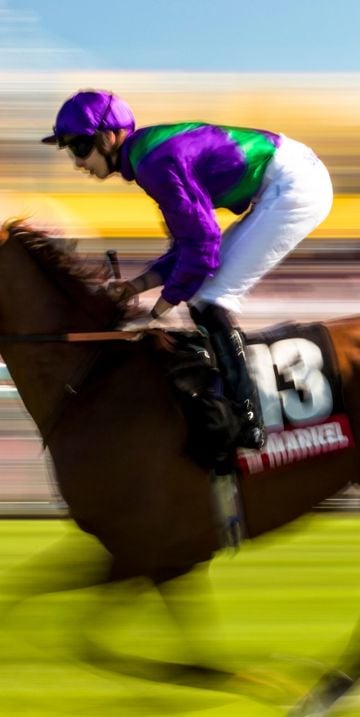

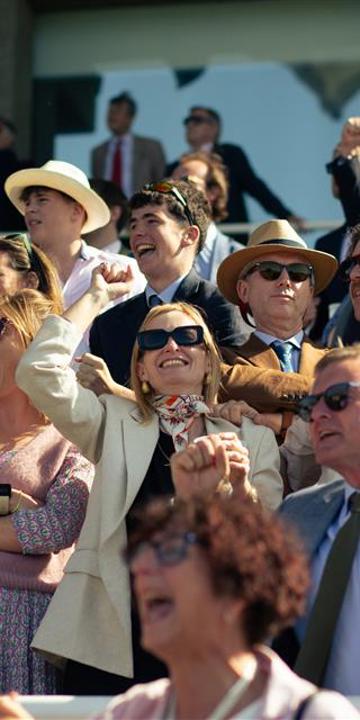
Why does everyone wear hats?
King Edward VII turned his back on the traditional morning suit and donned a linen suit and Panama hat. Thus the Glorious Goodwood trend was born.
-
Goodwoof
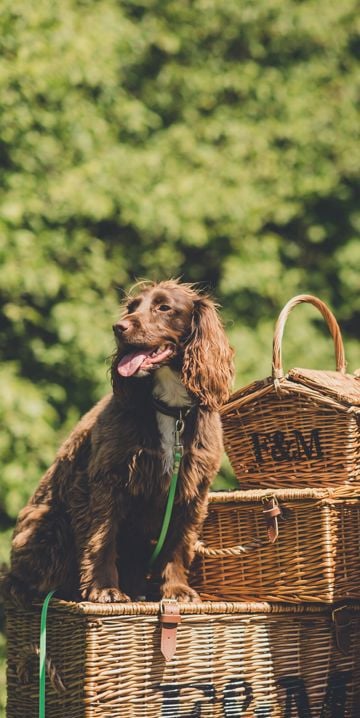

Start in style
The breed parade sees hundreds of dogs and their owners walk from Goodwood House down to The Kennels to kick start the Goodwoof weekend. -
Horseracing
-
Season Opener
-
May Festival
-
Family Race Day
-
Three Friday Nights
-
August Bank Holiday
-
Autumn Racing
-
Season Finale
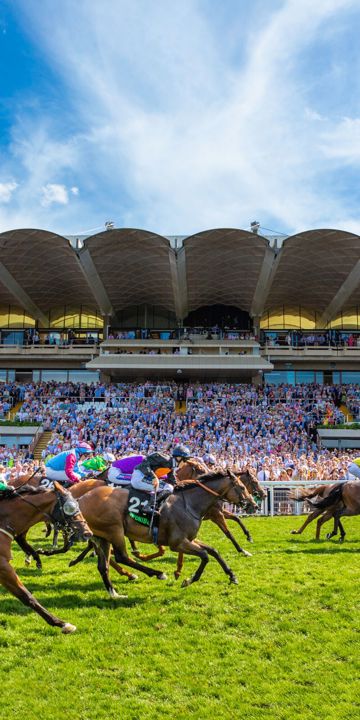
Why does everyone wear hats?
King Edward VII turned his back on the traditional morning suit and donned a linen suit and Panama hat. Thus the Glorious Goodwood trend was born.
-
Season Opener
-
Breakfast Club
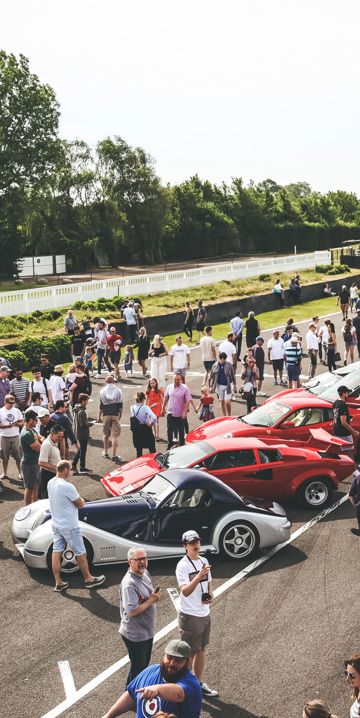

A perfect Sunday morning?
A no-cost, all-welcome motoring show where the visitors and their machines are the stars -
Health Summit
-
Hospitality
-
Exhibiting
-
Partnerships


Where else can you...
...plan strategy in an ancient woodland, enjoy award-winning dining then drive around a racetrack?
-
What's on
-
Festival of Speed
-
Visit, Eat, Stay
-
The Goodwood Hotel
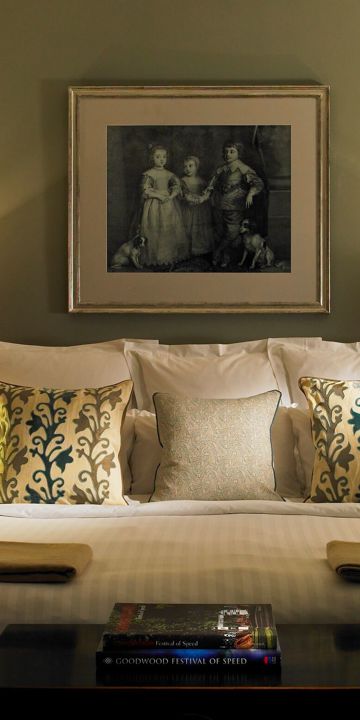

Battle of Britain
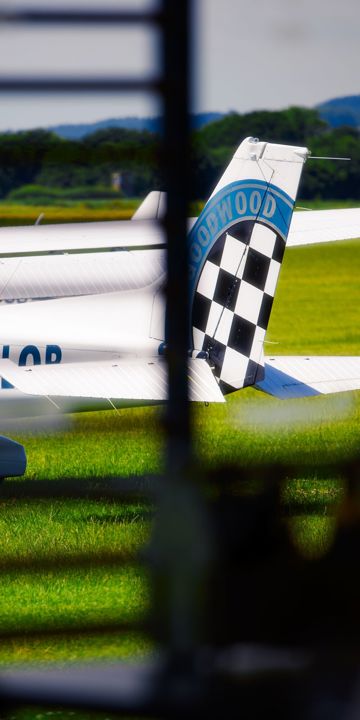
Flying training began at Goodwood in 1940 when pilots were taught operational flying techniques in Hurricanes and Spitfires.
-
Goodwood Cottages


Cricketers since 1702
The oldest existing rules for the game were drawn up for a match between the 2nd Duke and a neighbour
-
Goodwood House
-
Afternoon Tea & Tour
-
The Collection
-
Christmas Afternoon Tea & Tour
-
Exhibitions
-
History
-
Weddings
-
Copper Dome Restoration
-
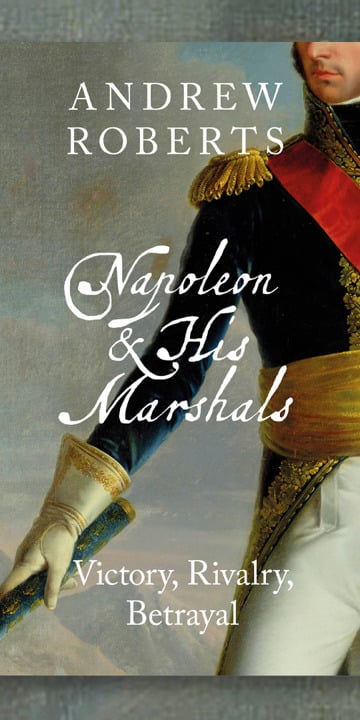
Napoleon & His Marshals Book Talk with Andrew Roberts
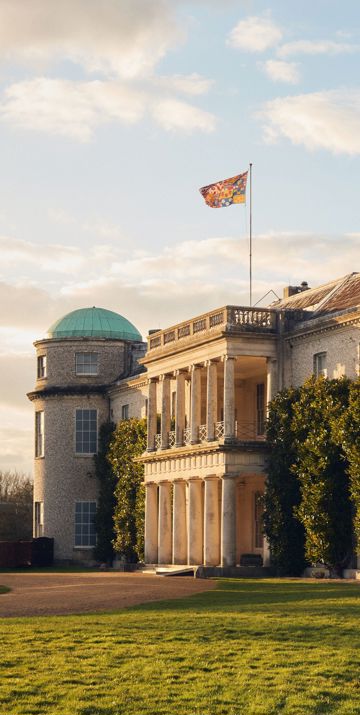

Our Paintings Collection
The origins of the collection lay in the possessions of Louise de Keroualle, Duchess of Portsmouth, and Duchess of Aubigny in France, to whom some of the paintings originally belonged.
-
Afternoon Tea & Tour
-
Restaurants
-
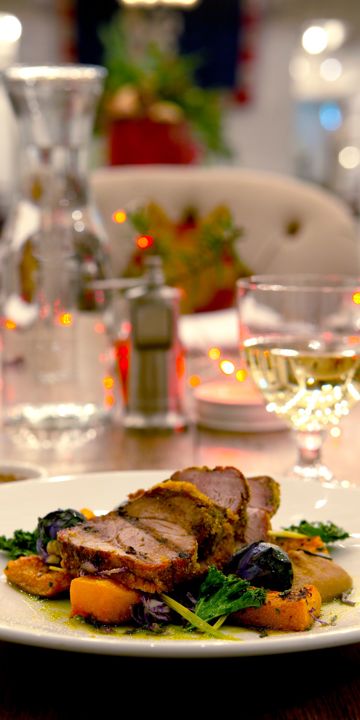
Farmer, Butcher, Chef
-
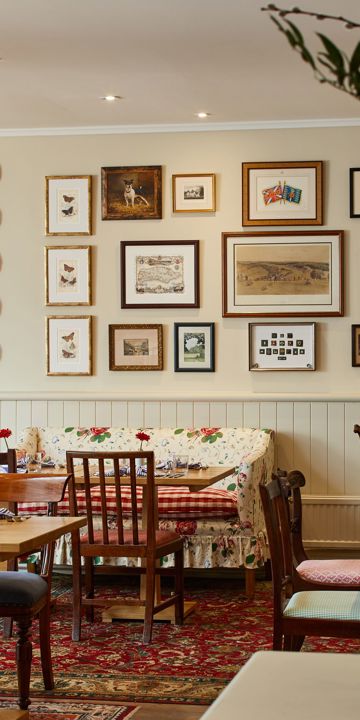
The Goodwood Bar & Grill
-
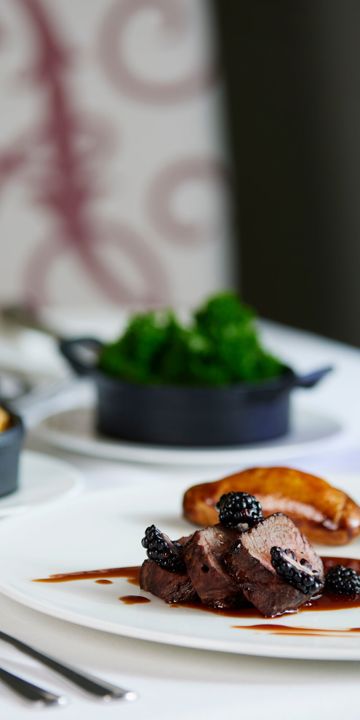
The Kennels
-
Aerodrome Café
-
Motor Circuit Café

-
Cafe 24

Sustainable state-of-mind
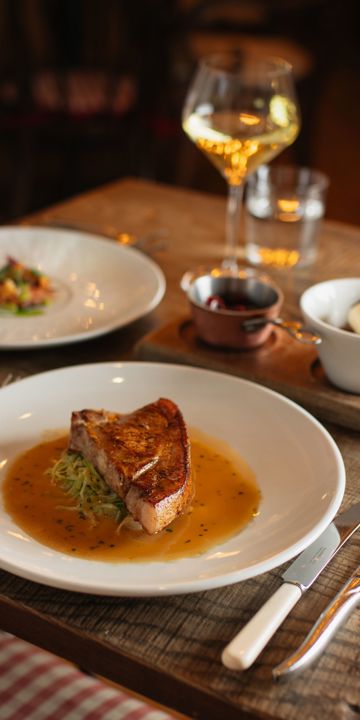
When Farmer, Butcher, Chef opened in 2016 it was awarded the UK’s first-ever Royal Academy of Culinary Arts ‘Sustainable Food Philosophy Seal’. -
Farmer, Butcher, Chef
-
The Kennels

Fashionable foxhounds
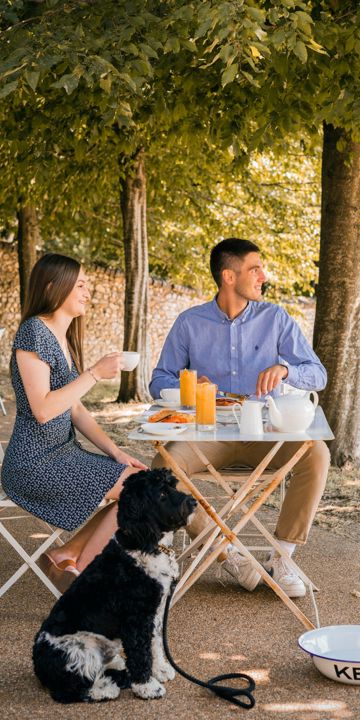
The 1st Duke of Richmond bought Goodwood in 1697 as a place to stay to go foxhunting with the fashionable Charlton Hunt. -
Motor Circuit

Egyptian Dining Room
Testament to the 19th-century fascination with ancient Egypt and decorative opulence. The room is richly detailed with gilded cartouches, sphinxes, birds and crocodiles.
-
Health & Wellbeing
-
Membership
-
Health Club
-
Gym
-
Run Series
-
Spa Treatments
-
Wellness Retreats
-
Events Calendar
-
Corporate Wellbeing
-
Health Summit
-
Latest News

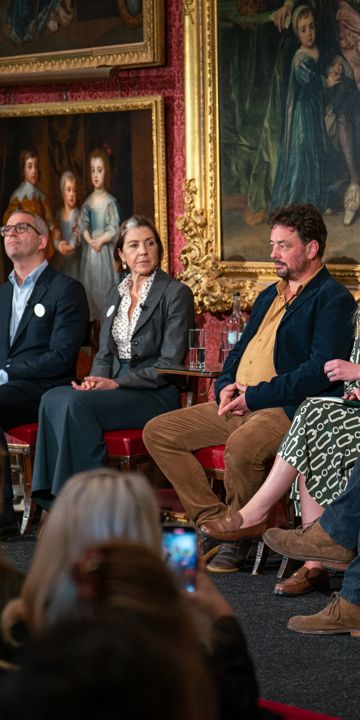
Goodwood's first Health Summit...
...took place in 2023 with industry experts discussing nutrition costs and food systems for a healthier future. -
Membership
-
Hound Lodge
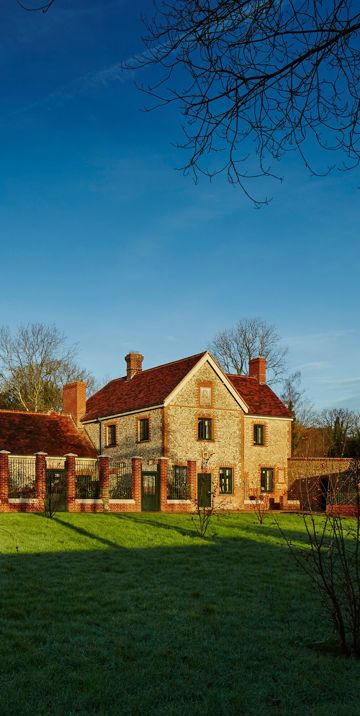

Leveson Design
Hound lodge is one of our wonderful lcoations designed by Cindy, whose incredible eye for detail can be seen in every inch.
-
Goodwood Farm Shop


St Simon
Whoa Simon! A horse so determined and headstrong, he not only won the 1883 Goodwood Cup by 20 lengths, but couldn't be stopped and carried on running over the top of Trundle hill
-
Parties
-
Goodwood Art Foundation
-
The Goodwood Hotel
-
Motorsport
-
Festival of Speed
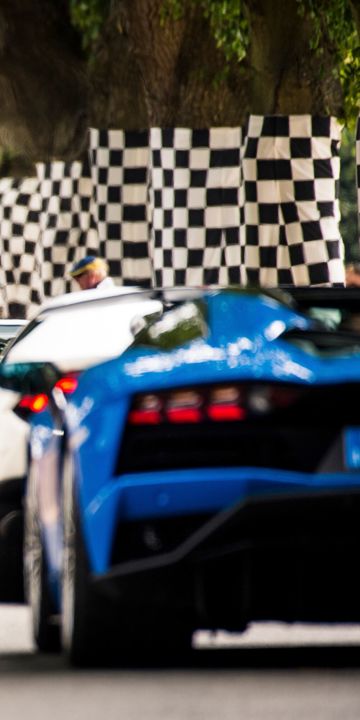

The Hillclimb
The 1.16-mile hillclimb has been the centre of the action since the first festival in 1993. -
Goodwood Revival
-
Tickets & Packages
-
Hospitality
-
Explore
-
Plan Your Day
-
Buy Merchandise
-
Charity
-
Partners
-
Accessibility
-
FAQs
Freddie's Famous Scarf
When the 9th Duke won the Double Twelve at Brooklands in 1931 he never drove without it throughout his successful driving career.
-
Tickets & Packages
-
Members' Meeting
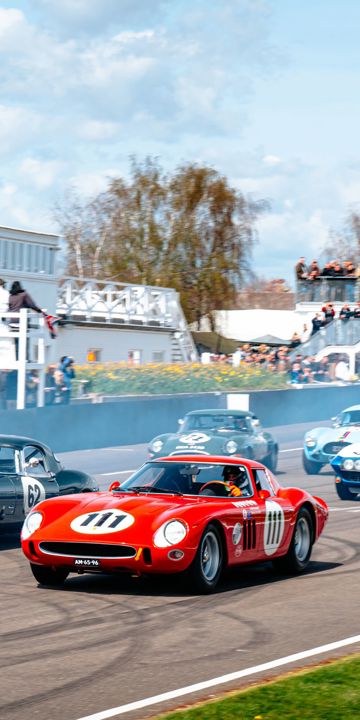

More than motorsport...
Ferret racing and duck herding are two of the many off-track activities at Members' Meeting -
Breakfast Club
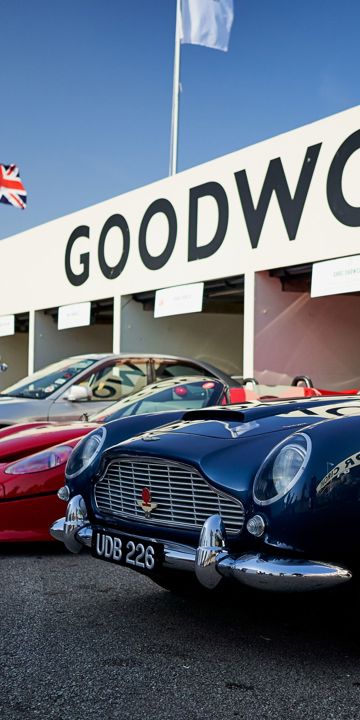

Earls Court replica
Our replica of the famous motor show showcases the "cars of the future" in true Revival style
-
Motor Circuit

Filming at Goodwood
We have been host to many incredible film crews using Goodwood as a backdrop for shows like Downton Abbey, Hollywood Blockbusters like Venom: let there be Carnage and the Man from U.N.C.L.E.
-
Driving Experiences
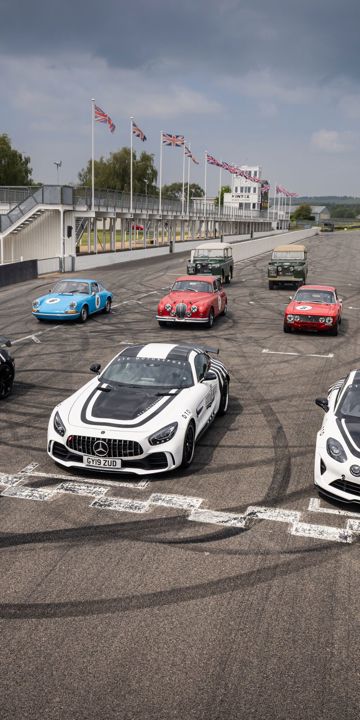
What's that on the startline?
The Hill Start Line is marked by bricks taken from the Indianapolis Motor Speedway.
-
Goodwood Road Racing Club
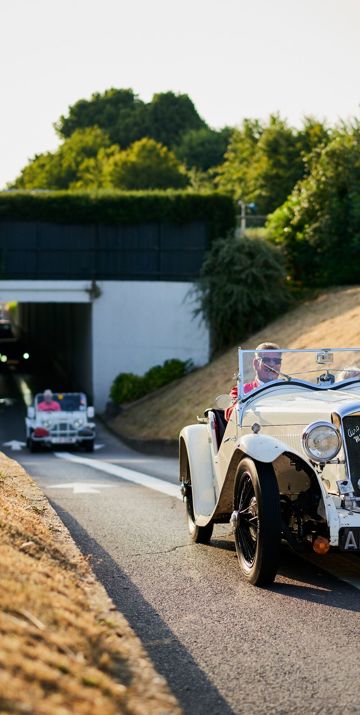

Why don't the F1 cars race the hill?
For safety reasons F1 cars can no longer do official timed runs so instead perform stunning demonstrations!
-
Latest News
-
Festival of Speed
-
Horseracing
-
Tickets & Packages
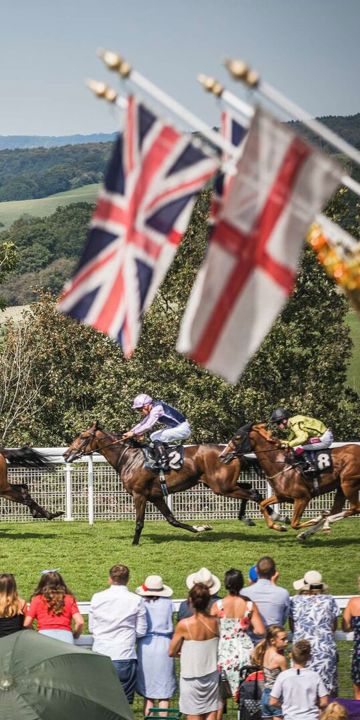

Why walk when you can drive
The first ever horsebox was used from Goodwood to Doncaster for the 1836 St. Leger. Elis arrived fresh and easily won his owner a £12k bet.
-
Hospitality
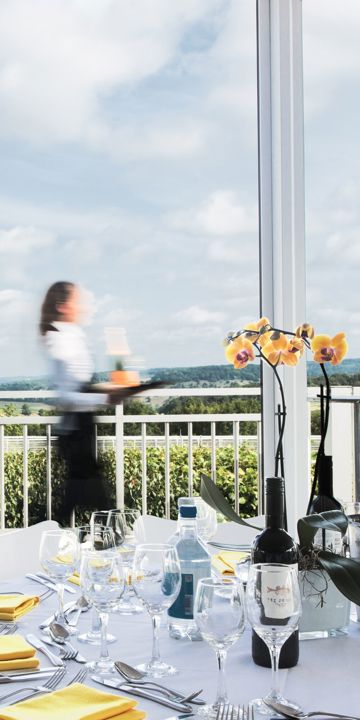
St Simon
Whoa Simon! A horse so determined and headstrong, he not only won the 1883 Goodwood Cup by 20 lengths, but couldn't be stopped and carried on running over the top of Trundle hill
-
Horseracing Club Membership
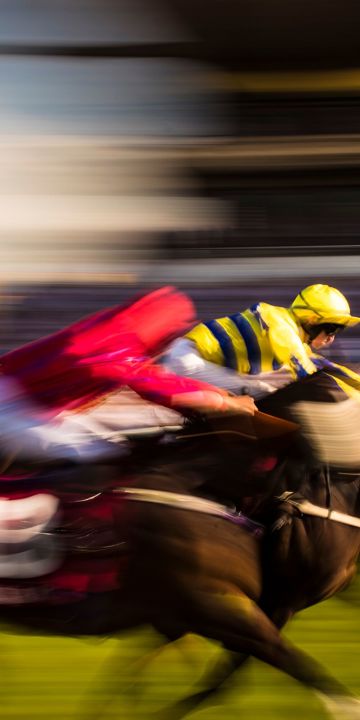

Royal approval
King Edward VII (who came almost every year) famously dubbed Glorious Goodwood “a garden party with racing tacked on”.
-
Fixtures & Events
-
Season Opener
-
May Festival
-
Family Race Day
-
Three Friday Nights
-
Qatar Goodwood Festival
-
August Bank Holiday
-
Autumn Racing
-
Season Finale
Why does everyone wear hats?
King Edward VII turned his back on the traditional morning suit and donned a linen suit and Panama hat. Thus the Glorious Goodwood trend was born.
-
Season Opener
-
Qatar Goodwood Festival
-
Tickets & Packages
-
Hospitality
-
Day by Day Guide
-
Ladies Day
-
Magnolia Cup
-
The Earl's Lawn
-
Timetable
-
Partners
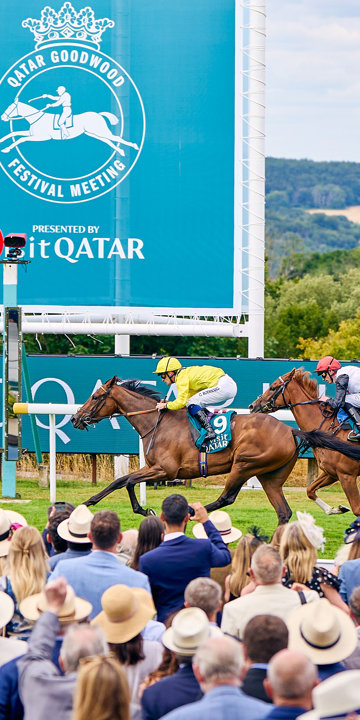

The Magnolia Cup
Leading women of business, sport, fashion and media, take part in one of the most exciting horseracing events in the world.
-
Tickets & Packages
-
Three Friday Nights
St Simon
Whoa Simon! A horse so determined and headstrong, he not only won the 1883 Goodwood Cup by 20 lengths, but couldn't be stopped and carried on running over the top of Trundle hill
-
Plan Your Day
-
Enclosures
-
Event Map
-
Going Report
-
Getting Here
-
Betting at Goodwood
-
Dress Code
-
Accessibility
-
Food & Drink
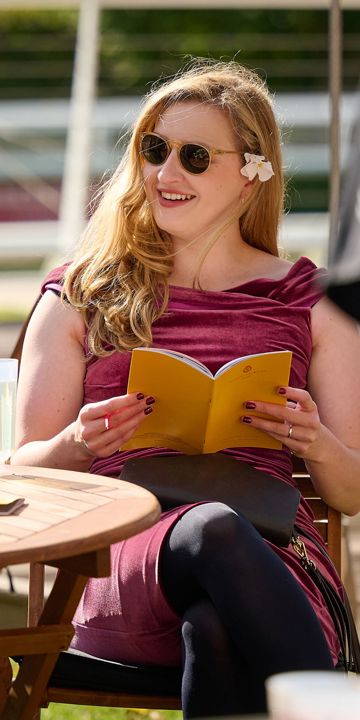

"Glorious Goodwood"
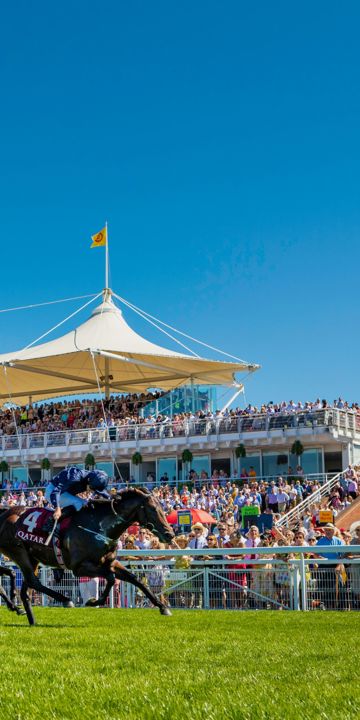
After the first public race meeting in 1902, 'Glorious Goodwood' became a highlight of the summer season.
-
Enclosures
-
Buy Merchandise
-
Partners
-
Owners & Trainers
-
Latest News
-
FAQs
-
Accessibility
-
Tickets & Packages
-
Experiences
-
Driving

The RAC TT Celebration
The most prestigious event in historic motorsport, the race that everyone wants to win.
-
Flying
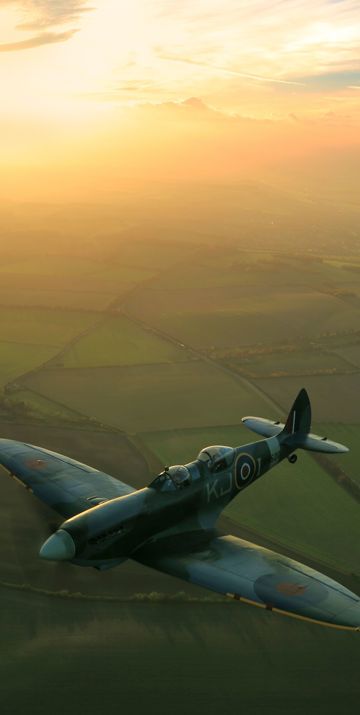

Ace Pilot
Ray Hanna famously flew straight down Goodwood’s pit straight below the height of the grandstands at the first Revival in 1998
-
Golf

A sporting Estate
Goodwood has two 18-hole championship courses, a modern clubhouse and an impressive Academy. -
Shooting
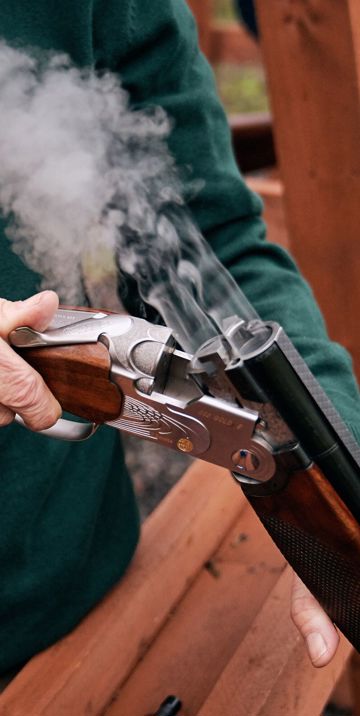
Filming at Goodwood
We have been host to many incredible film crews using Goodwood as a backdrop for shows like Downton Abbey, Hollywood Blockbusters like Venom: let there be Carnage and the Man from U.N.C.L.E.
-
Afternoon Tea
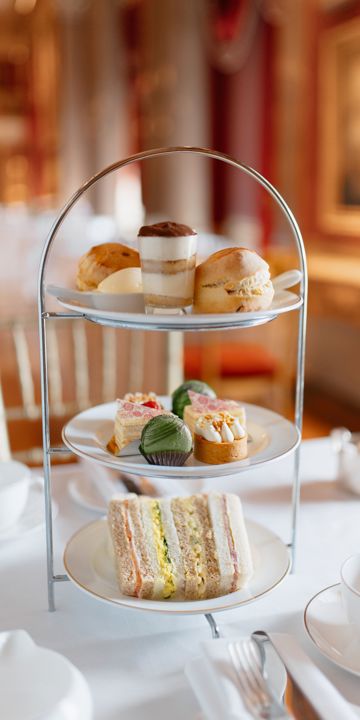
Fashionable foxhounds
The 1st Duke of Richmond bought Goodwood in 1697 as a place to stay to go foxhunting with the fashionable Charlton Hunt. -
Corporate Wellbeing
Goodwood's first Health Summit...
...took place in 2023 with industry experts discussing nutrition costs and food systems for a healthier future. -
Cycling
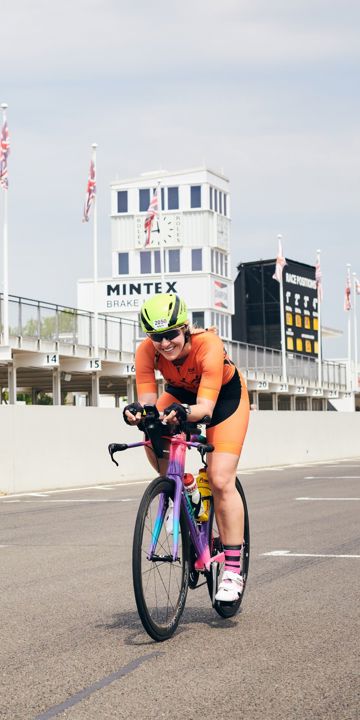
Motorsport Since 1948
Goodwood Motor Circuit was officially opened in September 1948 when Freddie March, the 9th Duke and renowned amateur racer, tore around the track in a Bristol 400
-
Corporate Experiences
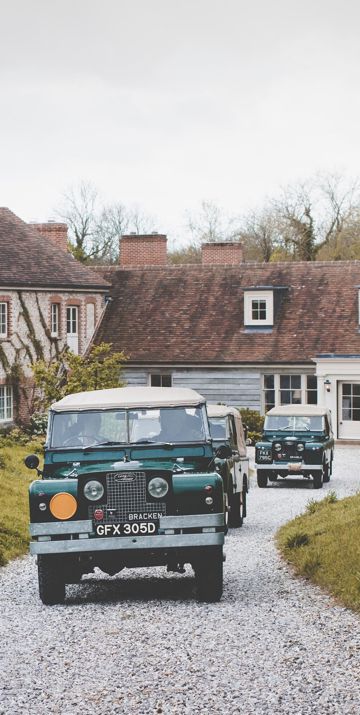
Where else can you...
...plan strategy in an ancient woodland, enjoy award-winning dining then drive around a racetrack?
-
Spa Treatments
-
Driving
- Hospitality
-
Golf
-
Golf Courses
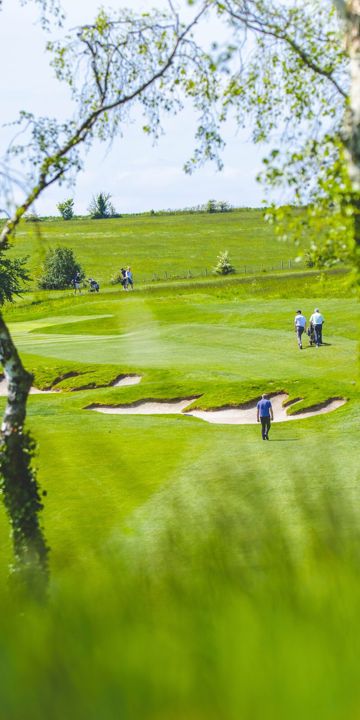
A sporting Estate
Goodwood has two 18-hole championship courses, a modern clubhouse and an impressive Academy. -
Golf Membership
-
Credit Membership
-
Application Form
-
Braid Membership
-
Intermediate Membership
-
Junior Membership
-
Corporate Membership
-
Get Into Golf
-
Copse Membership

A sporting Estate
Goodwood has two 18-hole championship courses, a modern clubhouse and an impressive Academy. -
Credit Membership
-
The Academy
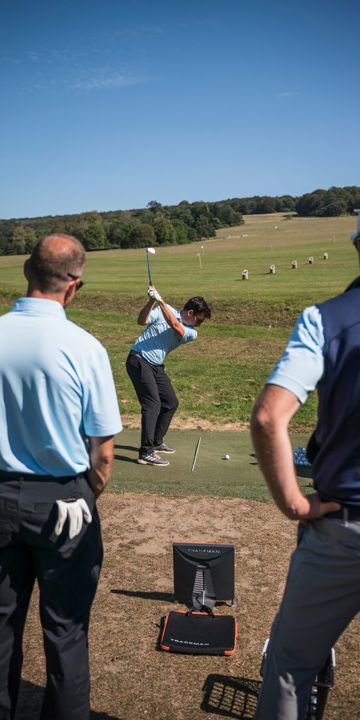

Over 100 years of Golf
The first ever round of golf played at Goodwood was in 1914 when the 6th Duke of Richmond opened the course on the Downs above Goodwood House.
-
Golf Experiences


Braid’s Masterpiece
One of the greatest golfers of all time, James Braid designed Goodwood’s iconic Downland course, opened in 1914.
-
Golf Courses
-
Flying
-
Flying School
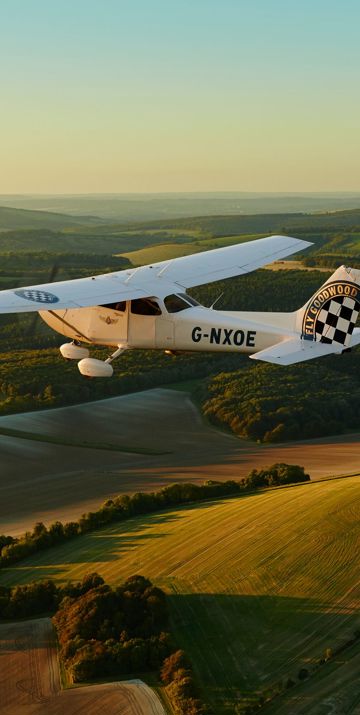

During the war...
The Motor Circuit was known as RAF Westhampnett, active from 1940 to 1946 as a Battle of Britain station.
-
Aero Club Membership
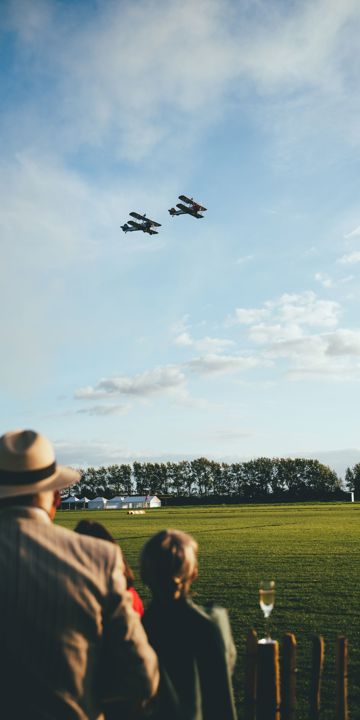
Battle of Britain
Flying training began at Goodwood in 1940 when pilots were taught operational flying techniques in Hurricanes and Spitfires.
-
Flying Experiences
-
Pilot Information
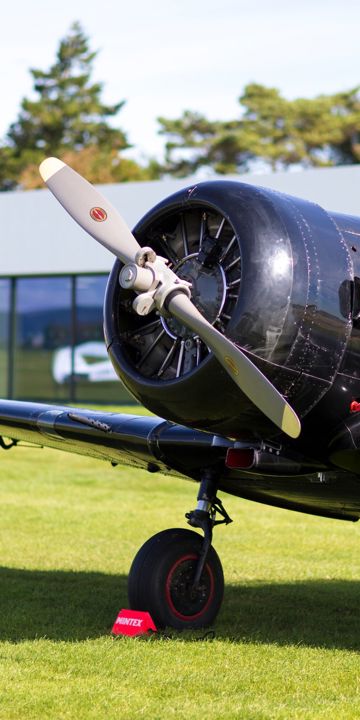
During the war...
The Motor Circuit was known as RAF Westhampnett, active from 1940 to 1946 as a Battle of Britain station.
-
Flying School
-
Meetings
-
Venue Hire
-
Goodwood House
-
The Racecourse
-
The Goodwood Hotel
-
The Motor Circuit
-
The Kennels
-
The Aerodrome
-
The Great Outdoors
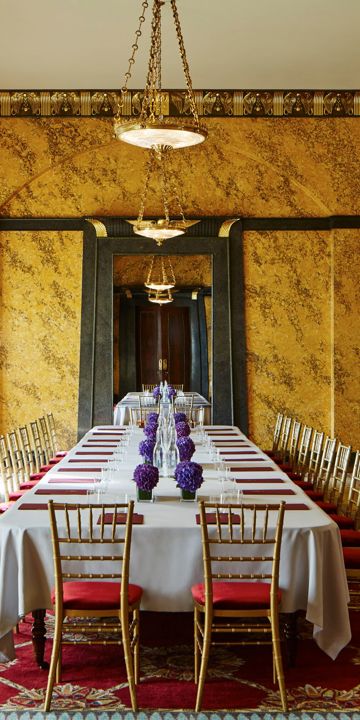
Where else can you...
...plan strategy in an ancient woodland, enjoy award-winning dining then drive around a racetrack?
-
Goodwood House
-
Plan Your Meeting
-
Parties
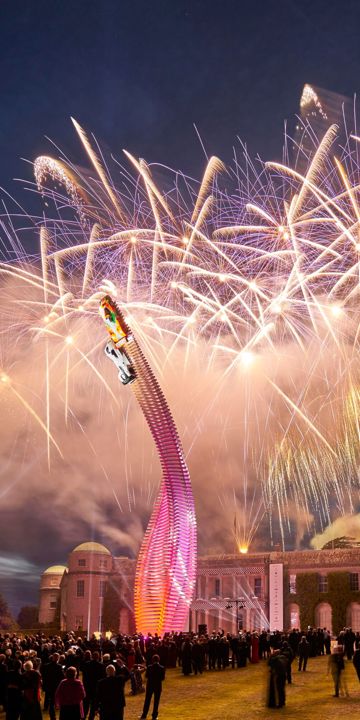
Where else can you...
...plan strategy in an ancient woodland, enjoy award-winning dining then drive around a racetrack?
-
Hospitality

-
Corporate Experiences
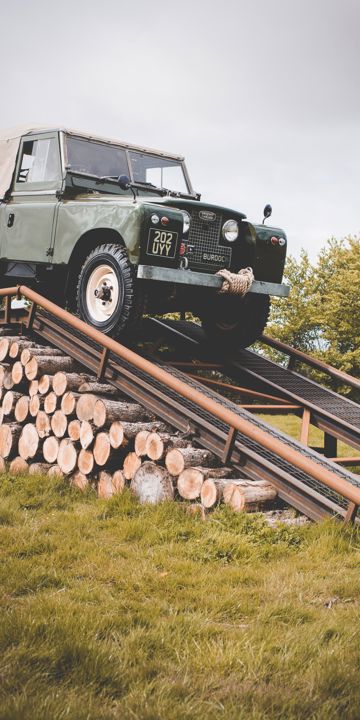
Where else can you...
...plan strategy in an ancient woodland, enjoy award-winning dining then drive around a racetrack?
-
Christmas Parties
-
Film Locations
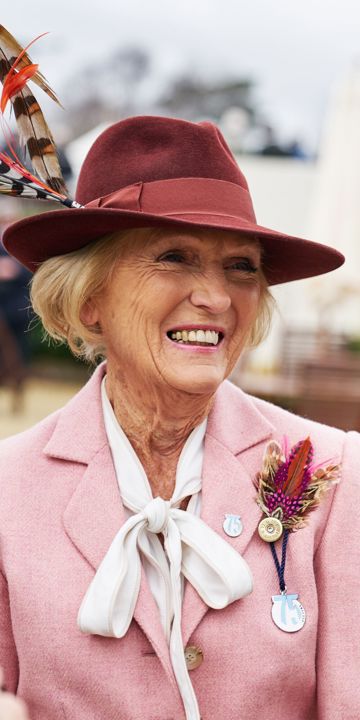
Filming at Goodwood
We have been host to many incredible film crews using Goodwood as a backdrop for shows like Downton Abbey, Hollywood Blockbusters like Venom: let there be Carnage and the Man from U.N.C.L.E.
-
Venue Hire
-
Weddings
-
Goodwood House
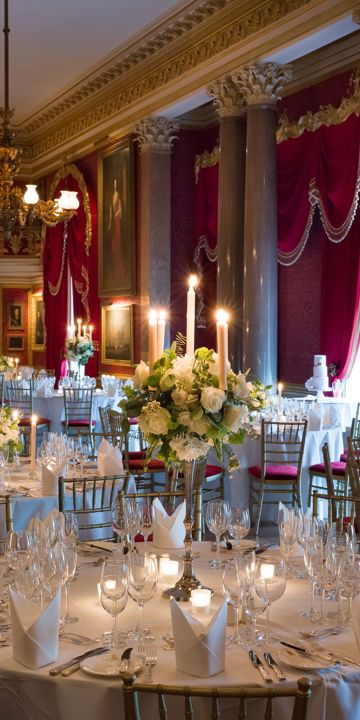
Carne's Seat
Just beyond Goodwood House along the Hillclimb, the 2nd Dukes banqueting house was also known as "one of the finest rooms in England" (George Vertue 1747).
-
The Kennels


Advice from our Head Butler
Ensure you take a little time out together to pause and take in the celebration of all the hard work you put in.
-
Parties
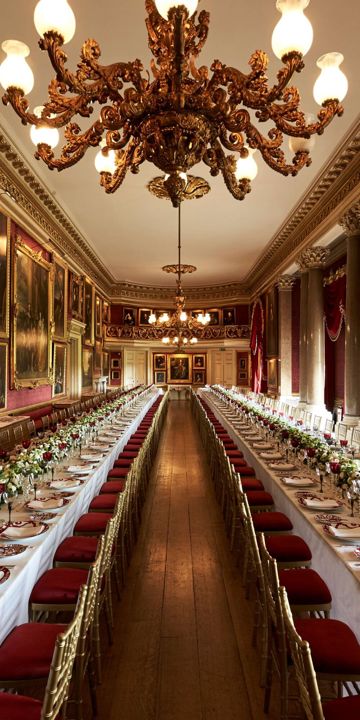
Where else can you...
...plan strategy in an ancient woodland, enjoy award-winning dining then drive around a racetrack?
-
Goodwood House
-
Memberships
-
Goodwood Road Racing Club
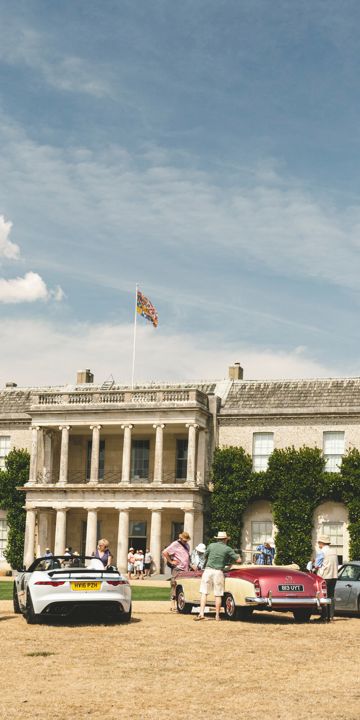
When was the GRRC founded?
Established in 1998 by the Duke of Richmond, the Goodwood Road Racing Club offers exclusive benefits across the estate year-round -
Goodwood Horseracing Club
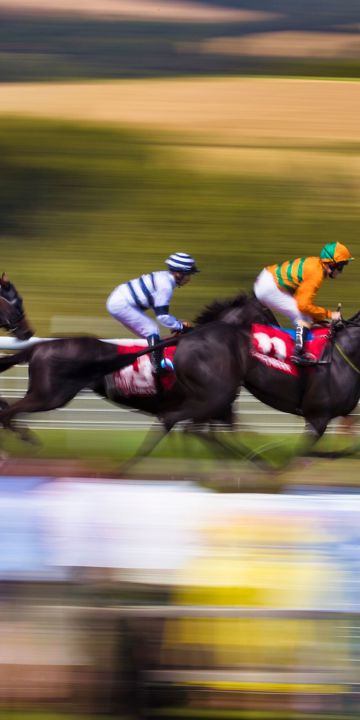
"Glorious Goodwood"
After the first public race meeting in 1902, 'Glorious Goodwood' became a highlight of the summer season.
-
Golf At Goodwood
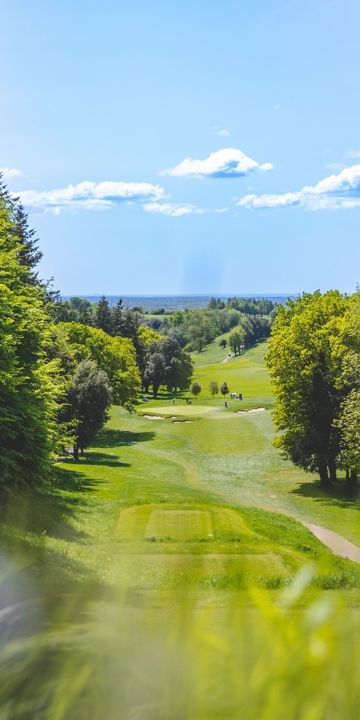
Over 100 years of Golf
The first ever round of golf played at Goodwood was in 1914 when the 6th Duke of Richmond opened the course on the Downs above Goodwood House.
-
Goodwood Aero Club

Flying Elephant
The first thing ever dropped at Goodwood was a cuddly elephant which landed in 1932 just as the 9th Duke of Richmonds passion for flying was taking off.
-
Goodwood Health Club
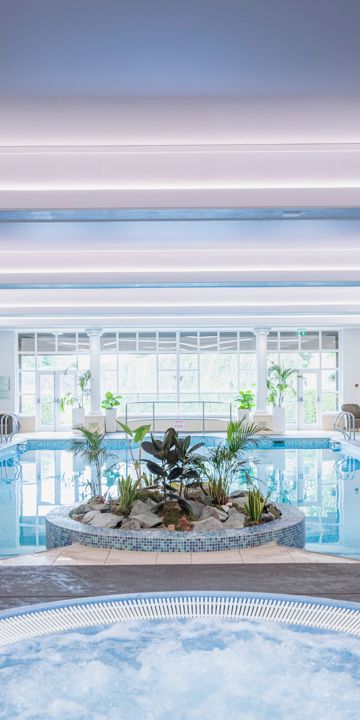
Goodwood's first Health Summit...
...took place in 2023 with industry experts discussing nutrition costs and food systems for a healthier future. -
The Kennels


How old is The Kennels?
Built in 1787 by celebrated architect James Wyatt to house the third Duke of Richmond’s prized fox hounds, The Kennels was known as one of the most luxurious dog houses in the world!
-
Sporting Membership

Estate Crest
"En la rose je fleurie" or "Like the rose, I flourish" is part of the Richmond coat of Arms and motto
-
Goodwood Racehorse Owners Group
-
Goodwood Art Foundation
-
Goodwood Road Racing Club
- Classic Car Insurance
- Health & Wellbeing
- Buy Merchandise
-
Our Estate
-
What's on
-
Estate Map
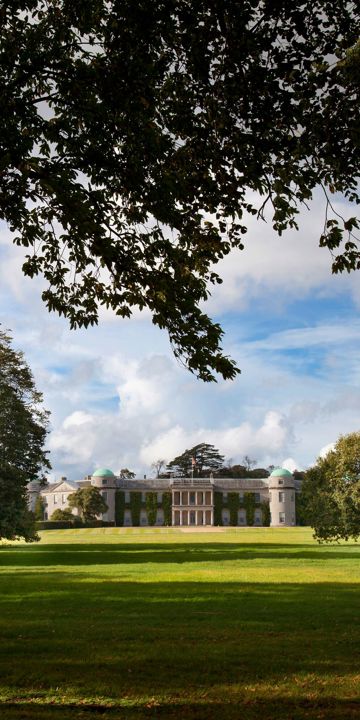
During the war...
The Motor Circuit was known as RAF Westhampnett, active from 1940 to 1946 as a Battle of Britain station.
-
Stories from the Estate
Flying Elephant
The first thing ever dropped at Goodwood was a cuddly elephant which landed in 1932 just as the 9th Duke of Richmonds passion for flying was taking off.
-
Sports
-
Goodwood Education Trust

21,000 litres...
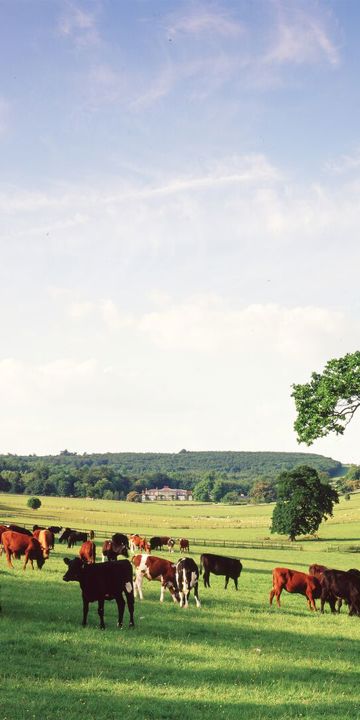
Alongside the award-winning meat, we also produce 21,000 litres of milk a week, used to make our cheeses. -
Charities
Cricketers since 1702
The oldest existing rules for the game were drawn up for a match between the 2nd Duke and a neighbour
-
Sustainability
Estate Crest
"En la rose je fleurie" or "Like the rose, I flourish" is part of the Richmond coat of Arms and motto
-
Diversity, Equity & inclusion
-
Property
During the war...
The Motor Circuit was known as RAF Westhampnett, active from 1940 to 1946 as a Battle of Britain station.
-
Walking Guide

Cricketers since 1702
The oldest existing rules for the game were drawn up for a match between the 2nd Duke and a neighbour
-
Dog Walking Field
-
Careers
Estate Crest
"En la rose je fleurie" or "Like the rose, I flourish" is part of the Richmond coat of Arms and motto
-
Goodwood Art Foundation
-
Farm Shop
-
What's on
- Christmas


Upcoming Events
The Art Of Weaving
For centuries, tapestries have depicted epic tales and grand events in textile form. Now contemporary artists are embracing this ancient craft to tell their own, very modern, stories
Words by Oliver Bennett
Magazine
Art
History
A fully rounded trip to Goodwood House should take in its artistic treasures, including masterpieces by Stubbs and Canaletto. But whatever you do, don’t forget the Tapestry Drawing Room. This neoclassical chamber is home to a remarkable set of Gobelins tapestries, commissioned by Louis XV, depicting Don Quixote. “They’re so important,” says James Peill, curator of Goodwood House. “They were part of a series of 30 made for the French king and given to the 3rd Duke when he was French ambassador.”
They're like pixels, with 3000 threads making up the image
These textile treasures are undeniably glorious, but as an art form, hasn’t tapestry had its day? Not a bit of it. The ultimate “slow art”, painstakingly woven and often recounting an epic tale, tapestry has made an enthusiastic return among today’s creative luminaries. “Artists’ and designers’ contemporary rugs have become very collectable in recent years,” confirms Christopher Sharp, CEO and co-founder of The Rug Company, which has made one-off tapestries designed by a number of high-profile names, including Kara Walker, Sir Peter Blake and Sir Paul Smith.
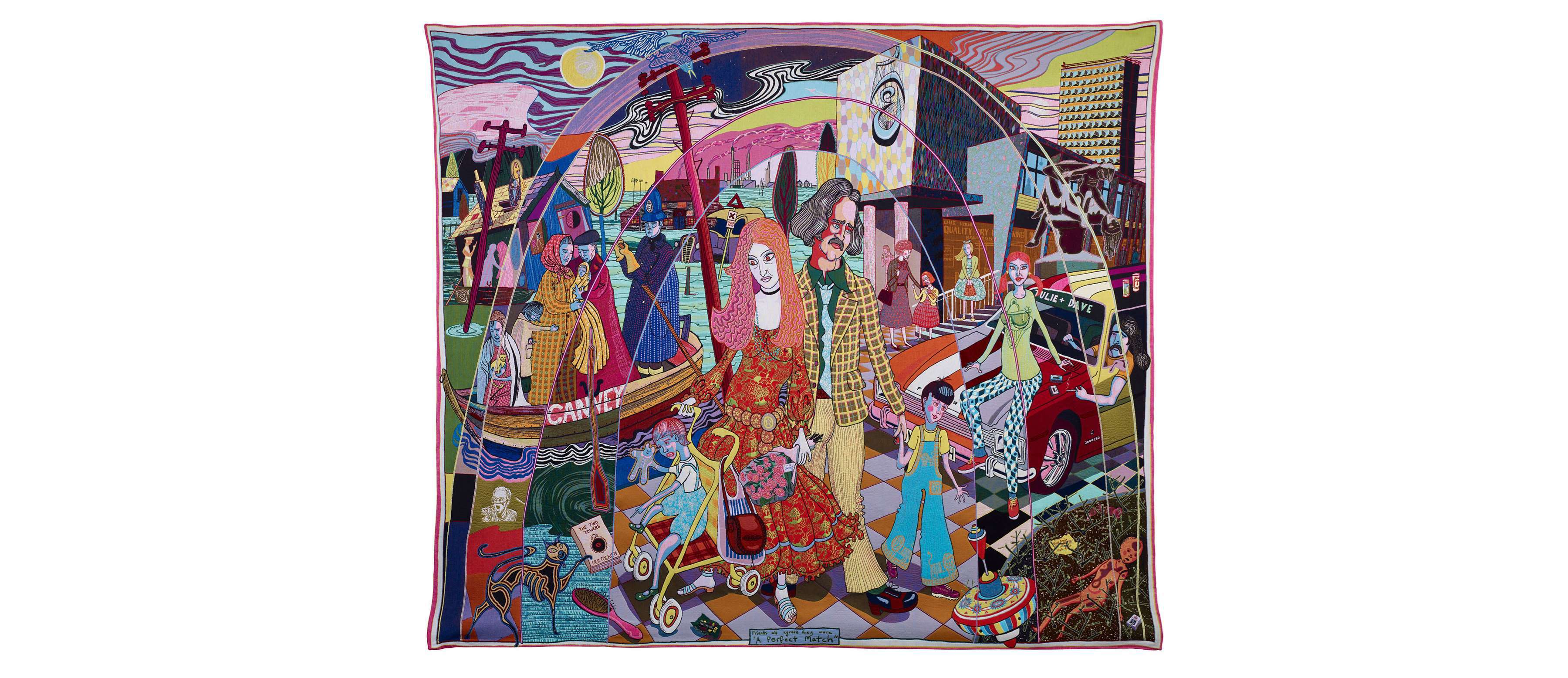
One of the leading exponents of this newfound passion is Grayson Perry, whose four tapestries about fictional Essex everywoman Julie Cope’s Grand Tour were recently on show at Colchester’s Firstsite gallery. Perry is not alone in his love of warp and weft. Last year, Chris Ofili showed his tapestry The Caged Bird’s Song at National Gallery show Weaving Magic – a transposition of a tropical watercolour into tapestry form. And the tapestry trend continues elsewhere. Pae White’s Pomona, comprising three huge tapestries, decorates Bloomberg’s new City of London HQ, while celebrated South African artist William Kentridge’s tapestry Dare/Avere has just been unveiled at Ermenegildo Zegna’s London store. Gavin Turk, Tracey Emin and Martin Creed are among the other art-world stars who have recently embraced the woven medium.
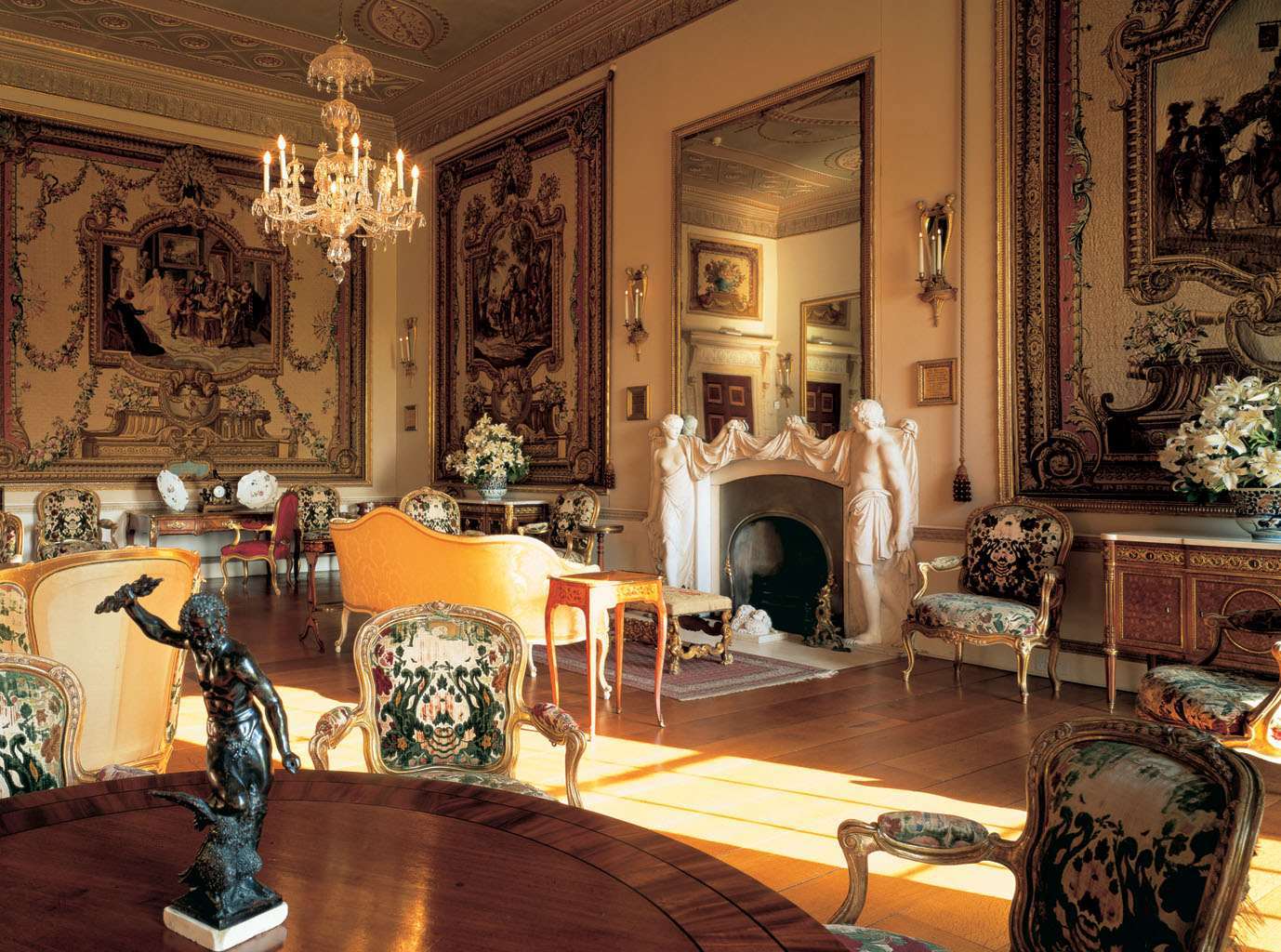
View our very own collection of tapestries with a guided tour of Goodwood House
Why tapestry, and why now? One reason is the revival of interest in time-honoured craft techniques – what Matthew Bourne of Chelsea-based rug-master Christopher Farr attributes to “a search for new and durable art forms that are useful as well as beautiful”. Whatever, tapestry-making is back in the ascendant. The fabled Edinburgh tapestry workshop Dovecot reopened in 2001 after a period in the doldrums and is now riding high; it made Ofili’s tapestry and is currently showing Garry Fabian Miller’s Voyage into the deepest, darkest blue – a grand return for a company that commissioned David Hockney, Graham Sutherland and Frank Stella in the 20th century.
Tapestries are also making waves in the saleroom. In 2012, Bonhams achieved £540,000 for Ghanaian artist El Anatsui’s New World Map, a tapestry made from flattened bottle tops and wire. A return, perhaps, to the art form’s Tudor heyday. “Tapestries back then were judged as a higher art than paintings and were more expensive,” says Bourne. “Henry VIII had a lot of his wealth wrapped up in them.”
For some, tapestry’s resurgence isn’t just about the revival of old skills; it has a new relevance in the digital era. Garry Fabian Miller’s work draws an explicit link between digital photography and tapestry, as does William Kentridge, who likens tapestries to film projections. “You can fill a wall with a 3m x 4m tapestry,” he says. “They’re strangely contemporary, like a primitive digital form. On one hand they refer back to Gobelins; on another they’re like pixels, with 3,000 threads making up the image.”
Tapestries back then were judged as a higher art than paintings and were more expensive
Woven artworks are regaining their old prestige. As art historian Thomas P Campbell has said, in the Middle Ages they were more expensive than paintings (Henry VIII owned 300 paintings but 2,500 tapestries) and were used as “portable propaganda” – diplomatic gifts par excellence – which loops us back to the Tapestry Drawing Room, host to many Royal Privy Council meetings overlooked by the Gobelins tapestries.
Intriguingly, Campbell has also likened this historic “gamesmanship” to television hit Game of Thrones. Surely Henry VIII would enjoy the fact that a GoT tapestry has, since last autumn, adorned the Ulster Museum in Belfast. Full of fights, romances, valour and victories, it’s not that far removed from the Bayeux Tapestry, now set to visit the UK as part of a new entente cordiale between the UK and France, indicating tapestry’s enduring merit as an epic storytelling format – not to mention, as Peill puts it, “a very grand way of decorating a room”.
This article is taken from the Goodwood magazine, Spring 2018 issue
Magazine
Art
History