-
Events
-
Festival of Speed
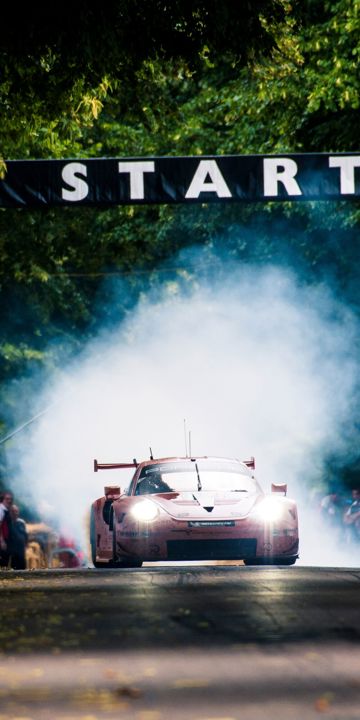

Mad Mike
FOS Favourite Mad Mike Whiddett can be caught melting tyres in his incredible collection of cars (and trucks) up the hillclimb
-
Goodwood Revival
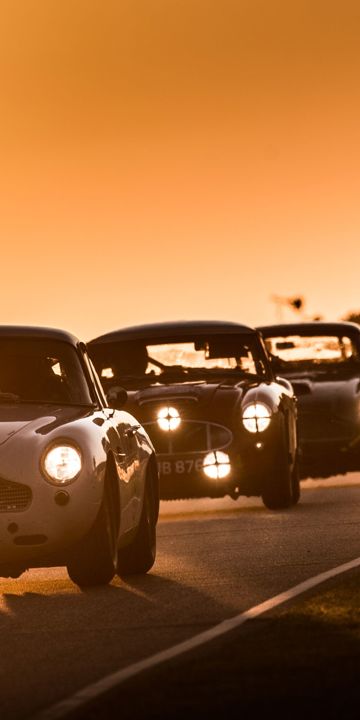

Spectators Favourite
Spectate from the chicane at the Revival to see plenty of classic cars going sideways as they exit this infamous point of our Motor Circuit.
-
Members' Meeting
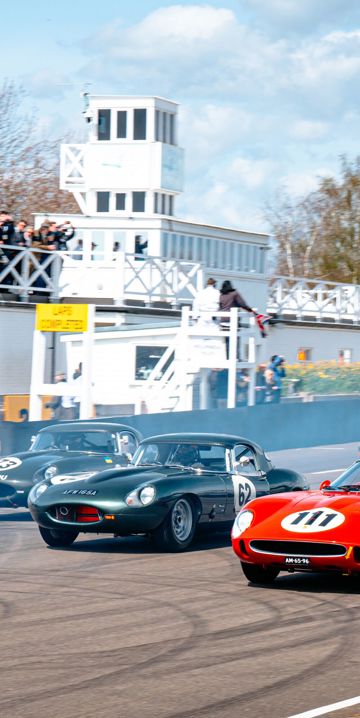

More than motorsport...
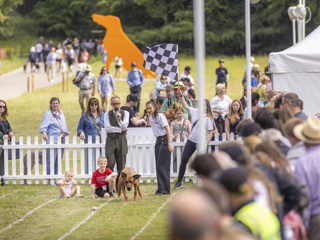
Ferret racing and duck herding are two of the many off-track activities at Members' Meeting -
Qatar Goodwood Festival
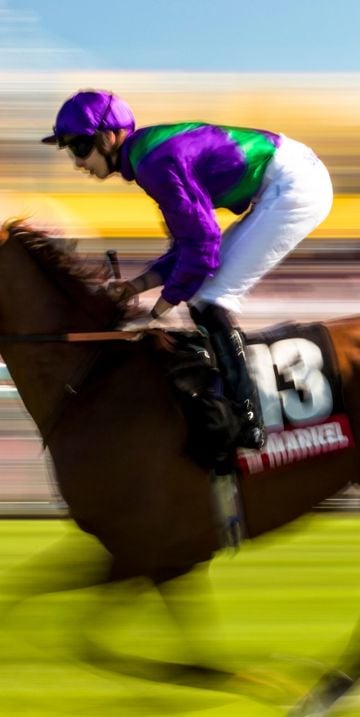

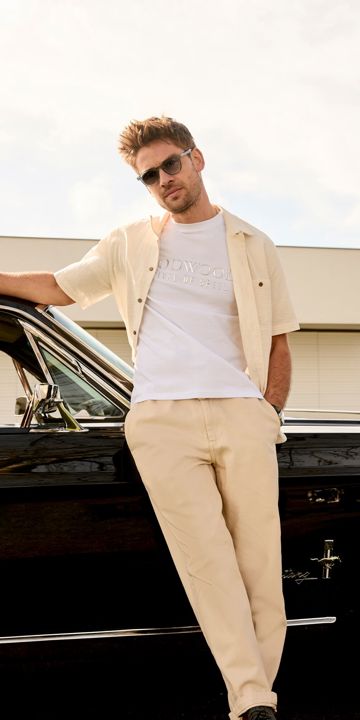
Wearing Linen at the Races
Ever since King Edward VII relaxed the dress code in the 19th century, we have enjoyed a carefree holiday feel here, unlike any other racecourse. -
Goodwoof
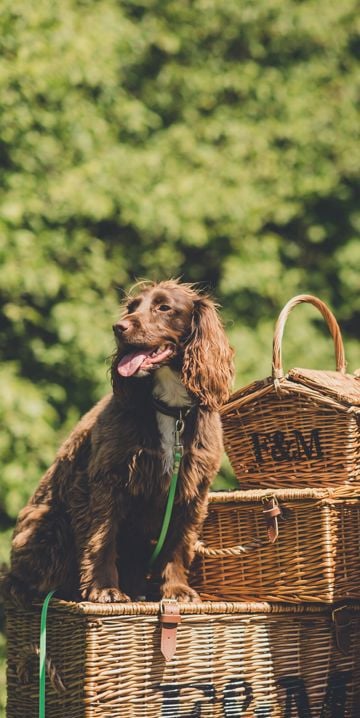

Start in style
The breed parade sees hundreds of dogs and their owners walk from Goodwood House down to The Kennels to kick start the Goodwoof weekend. -
Horseracing
-
Season Opener
-
May Festival
-
Family Race Day
-
Three Friday Nights
-
August Bank Holiday
-
Autumn Racing
-
Season Finale
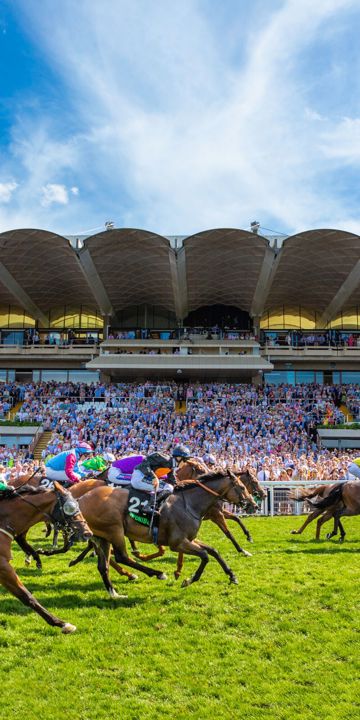

Why does everyone wear hats?
One Summer, King Edward VII turned his back on the traditional morning suit, and donned a linen suit and Panama hat. Thus the Glorious Goodwood trend was born.
-
Season Opener
-
Breakfast Club
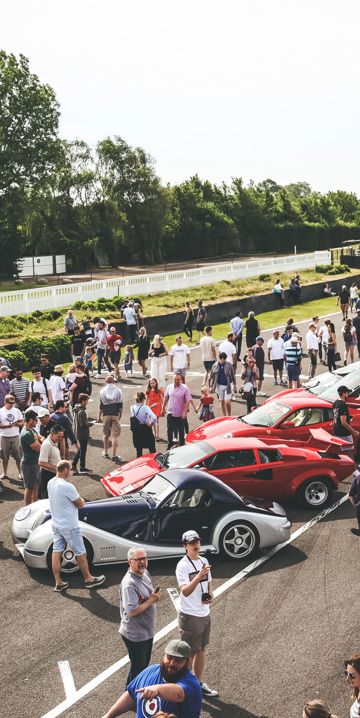

A perfect Sunday morning?
A no-cost, all-welcome motoring show where the visitors and their machines are the stars -
Health Summit
-
Hospitality
-
Exhibiting
-
Partnerships
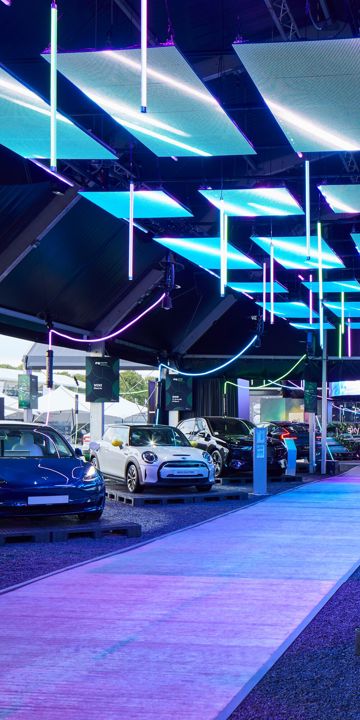

Where else can you...
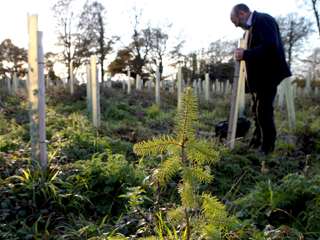
...plan strategy in an ancient woodland, enjoy award-winning dining then drive around a racetrack?
-
What's on
-
Festival of Speed
-
Visit, Eat, Stay
-
The Goodwood Hotel
-
Rooms
-
Contact Us
-
Christmas
-
New Year's Eve
-
Weddings
-
Kids Activities
-
Offers
-
Local Attractions
-
Plan your stay

Estate Crest
"En la rose je fleurie" or "Like the rose, I flourish" is part of the Richmond coat of Arms and motto
-
Rooms
-
Goodwood Cottages


21,000 litres...
Alongside the award-winning meat, we also produce 21,000 litres of milk a week, used to make our cheeses. -
Goodwood House
-
Afternoon Tea & Tour
-
The Collection
-
Exhibitions
-
History
-
Weddings
-
Copper Dome Restoration
-
Secrets of a Radical Duke Talk by Professor Danielle Allen

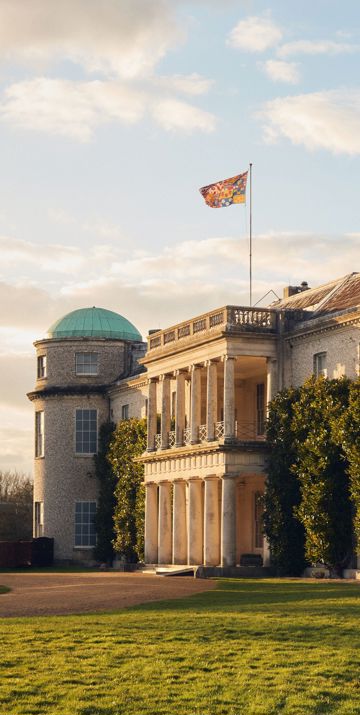
Copper Turrets
After a fire in 1791 at Richmond House in Whitehall, London, James Wyatt added two great wings to showcase the saved collection at Goodwood. To give unity to the two new wings, Wyatt added copper-domed turrets framing each façade.
-
Afternoon Tea & Tour
-
Restaurants
-
Farmer, Butcher, Chef
-
The Goodwood Bar & Grill
-
The Kennels
-
Aerodrome Café
-
Motor Circuit Café

-
Cafe 24

Sustainable state-of-mind
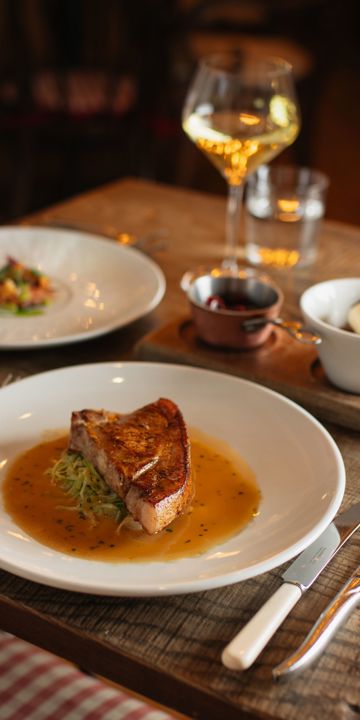
When Farmer, Butcher, Chef opened in 2016 it was awarded the UK’s first-ever Royal Academy of Culinary Arts ‘Sustainable Food Philosophy Seal’. -
Farmer, Butcher, Chef
-
The Kennels

How old is The Kennels?
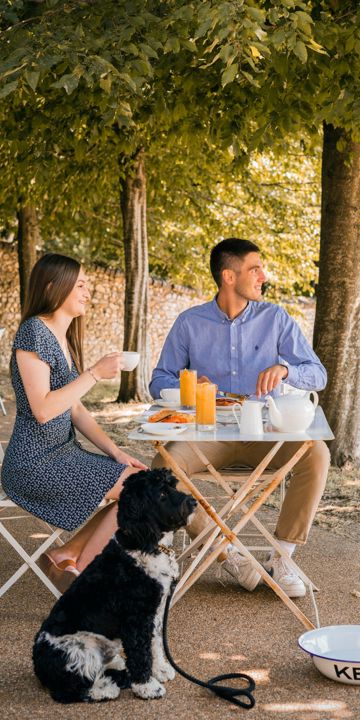
Built in 1787 by celebrated architect James Wyatt to house the third Duke of Richmond’s prized fox hounds, The Kennels was known as one of the most luxurious dog houses in the world!
-
Motor Circuit
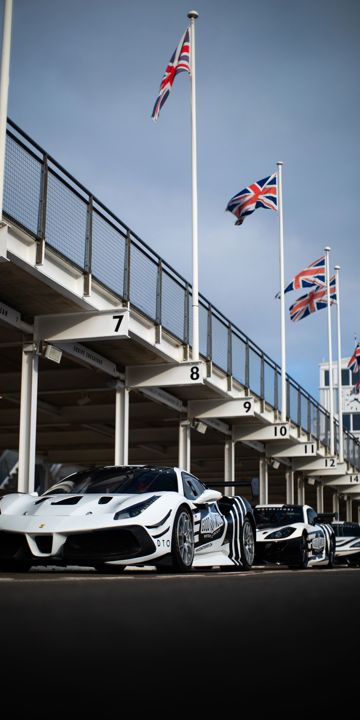

When was the GRRC founded?
Established in 1998 by the Duke of Richmond, the Goodwood Road Racing Club offers exclusive benefits across the estate year-round -
Health & Wellbeing
-
Membership
-
Health Club
-
Gym
-
Run Series
-
Spa Treatments
-
Wellness Retreats
-
Events Calendar
-
Corporate Wellbeing
-
Health Summit
-
Latest News
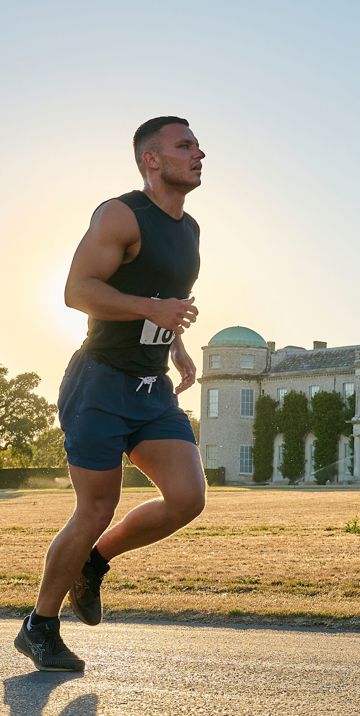

Goodwood's first Health Summit...
...took place in 2023 with industry experts discussing nutrition costs and food systems for a healthier future. -
Membership
-
Hound Lodge
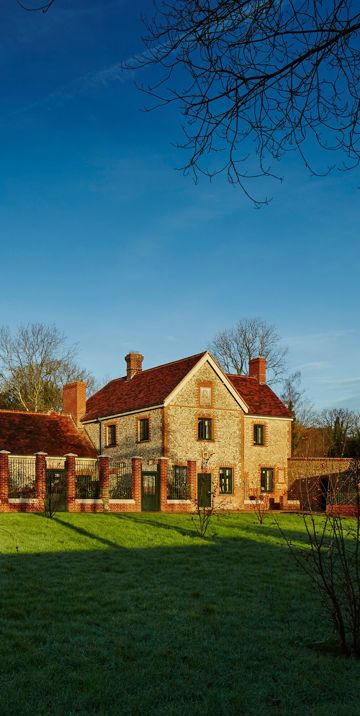

Privacy is paramount
A bell under each place at the table to signal if butlers can come back in to the dining room, a guests privacy is always paramount.
-
Goodwood Farm Shop


Lucky Leap
Inspired by the legendary racer, Masten Gregory, who famously leapt from the cockpit of his car before impact when approaching Woodcote Corner in 1959.
-
Parties
-
Goodwood Art Foundation
-
The Goodwood Hotel
-
Motorsport
-
Festival of Speed
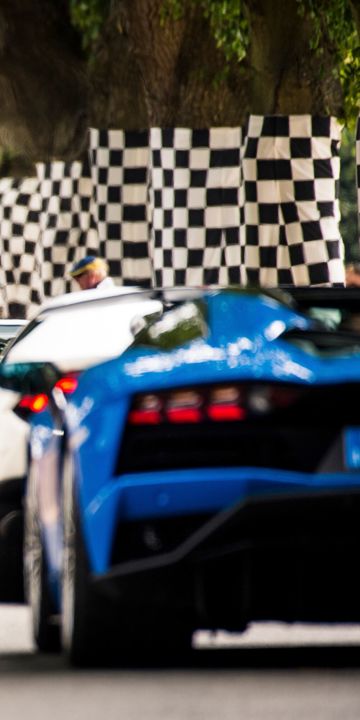

Have you visited our Forest Rally Stage?
From 2005 to present there has been a demonstration area for the rally cars at the top of the hill
-
Goodwood Revival
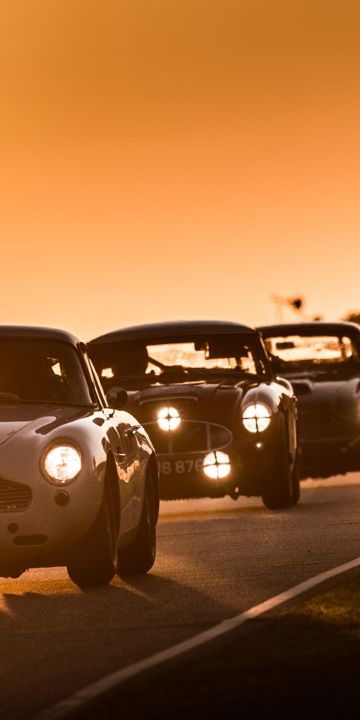

"Mr Goodwood"
Sir Stirling Moss was one of the founding patrons of the Festival of Speed, and a regular competitor at the Revival.
-
Members' Meeting
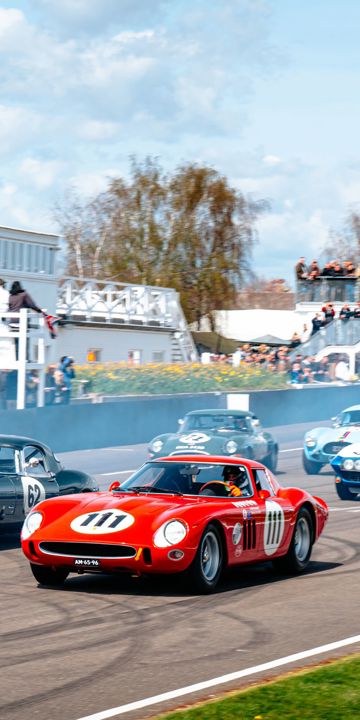

A bright future at #FOS
Future Lab is Goodwood's innovation pavilion, inspiring industry enthusiasts and future scientists with dynamic tech
-
Breakfast Club
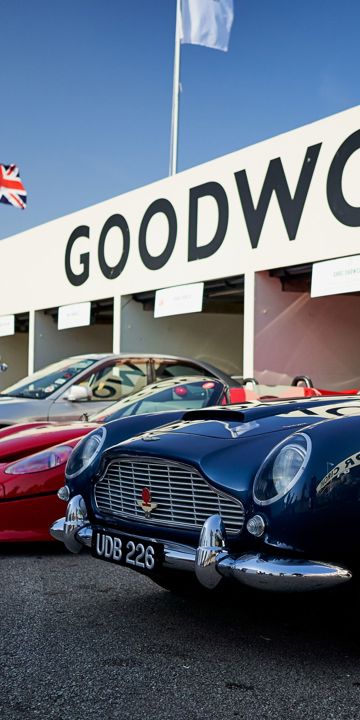

Taming the "Beast"
The Fiat S76 or "Beast of Turin" is a Goodwood favourite and can usually be heard before it is seen at #FOS
-
Motor Circuit

Roots for the future
A 20m woodland rue, from Halnaker to Lavant, was planted by our forestry teams & volunteers, featuring native species like oak, beech, & hornbeam
-
Driving Experiences
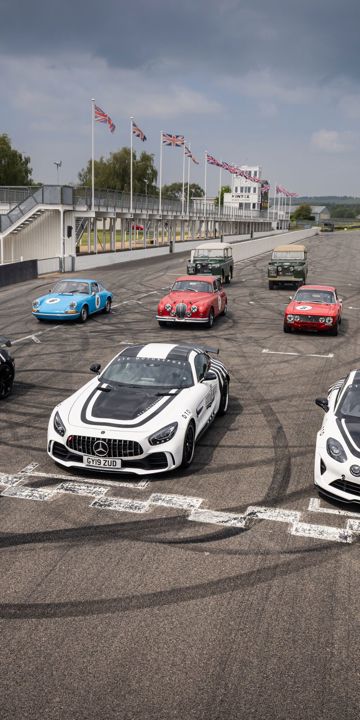

"Motorsport garden party of the gods"
Festival of Speed is our longest-standing Motorsport event, starting in 1993 when it opened to 25,00 people. We were expecting 2000!
-
Goodwood Road Racing Club
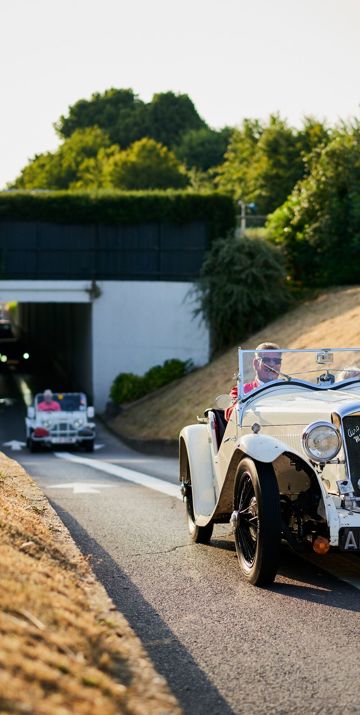
When was the GRRC founded?
Established in 1998 by the Duke of Richmond, the Goodwood Road Racing Club offers exclusive benefits across the estate year-round -
Latest News
-
Festival of Speed
-
Horseracing
-
Tickets & Packages
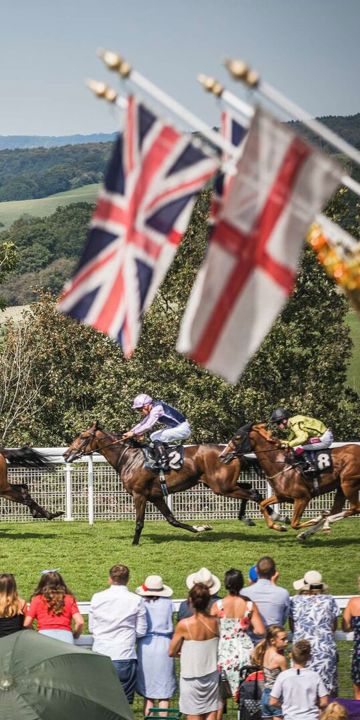

Why walk when you can drive
The first ever horsebox was used from Goodwood to Doncaster for the 1836 St. Leger. Elis arrived fresh and easily won his owner a £12k bet.
-
Hospitality
St Simon
Whoa Simon! A horse so determined and headstrong, he not only won the 1883 Goodwood Cup by 20 lengths, but couldn't be stopped and carried on running over the top of Trundle hill
-
Goodwood Horseracing Club
St Simon
Whoa Simon! A horse so determined and headstrong, he not only won the 1883 Goodwood Cup by 20 lengths, but couldn't be stopped and carried on running over the top of Trundle hill
-
Fixtures & Events
-
Season Opener
-
May Festival
-
Family Race Day
-
Three Friday Nights
-
Qatar Goodwood Festival
-
August Bank Holiday
-
Autumn Racing
-
Season Finale

Royal approval
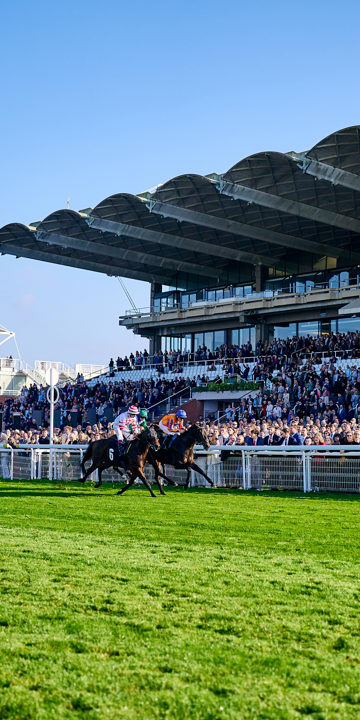
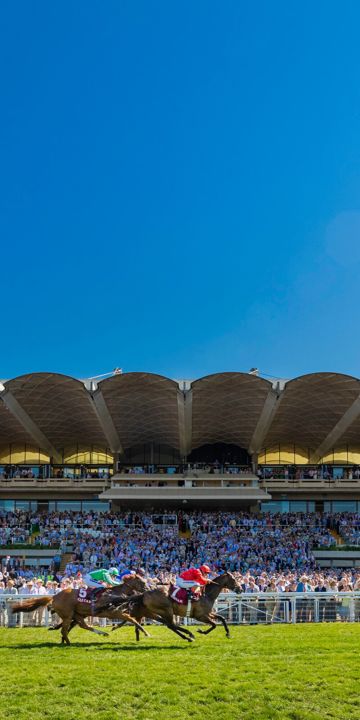
King Edward VII (who came almost every year) famously dubbed Glorious Goodwood “a garden party with racing tacked on”.
-
Season Opener
-
Qatar Goodwood Festival

Racing Colours
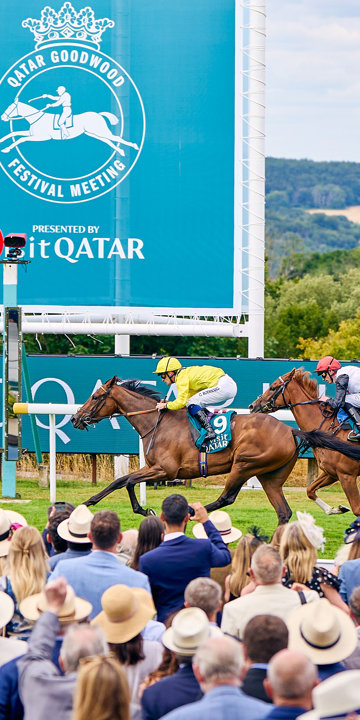
The red & yellow of the Racecourse can be traced back hundreds of years, even captured in our stunning Stubbs paintings in the Goodwood Collection
-
Three Friday Nights
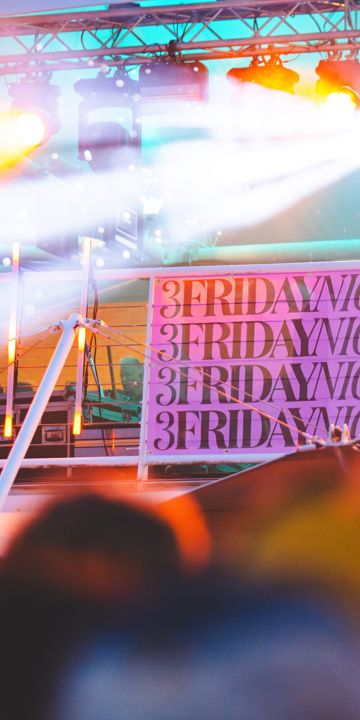
St Simon
Whoa Simon! A horse so determined and headstrong, he not only won the 1883 Goodwood Cup by 20 lengths, but couldn't be stopped and carried on running over the top of Trundle hill
-
Plan Your Day
-
Enclosures
-
Event Map
-
Going Report
-
Getting Here
-
Betting at Goodwood
-
Dress Code
-
Accessibility
-
Food & Drink
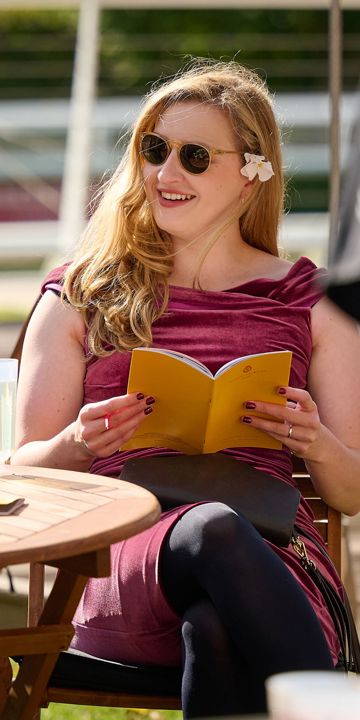

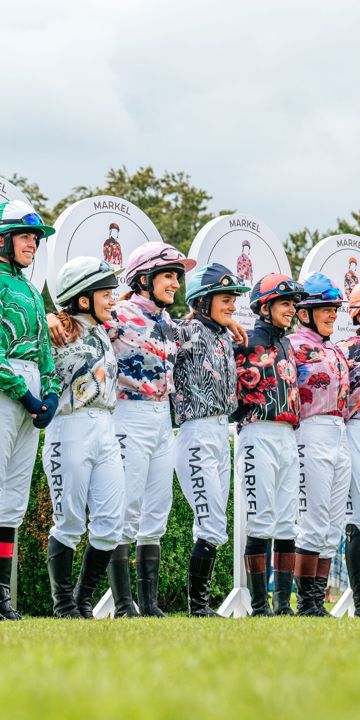
The Magnolia Cup
Leading women of business, sport, fashion and media, take part in one of the most exciting horseracing events in the world.
-
Enclosures
-
Buy Merchandise
-
Partners
-
Owners & Trainers
-
Latest News
-
FAQs
-
Accessibility
-
Tickets & Packages
-
Experiences
-
Driving
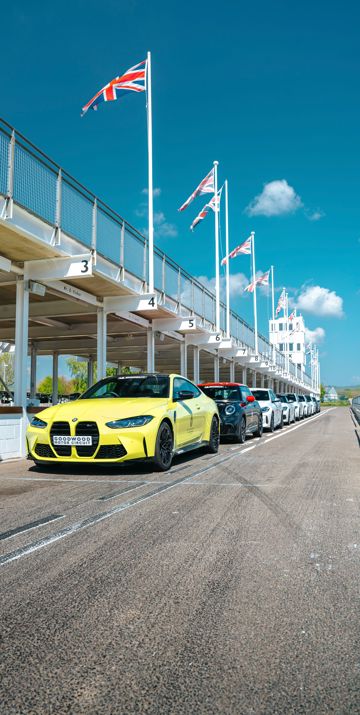
Mad Mike
FOS Favourite Mad Mike Whiddett can be caught melting tyres in his incredible collection of cars (and trucks) up the hillclimb
-
Flying
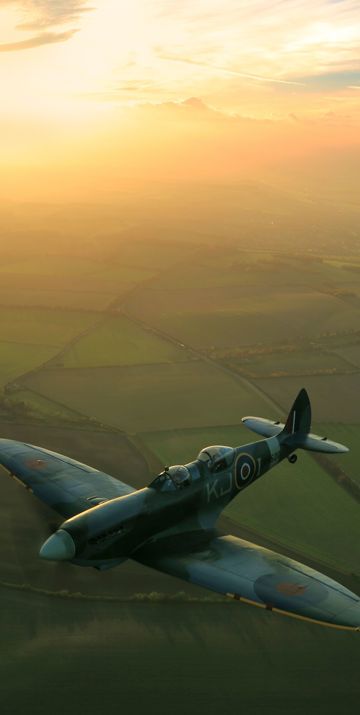

Flying Elephant
The first thing ever dropped at Goodwood was a cuddly elephant which landed in 1932 just as the 9th Duke of Richmonds passion for flying was taking off.
-
Golf
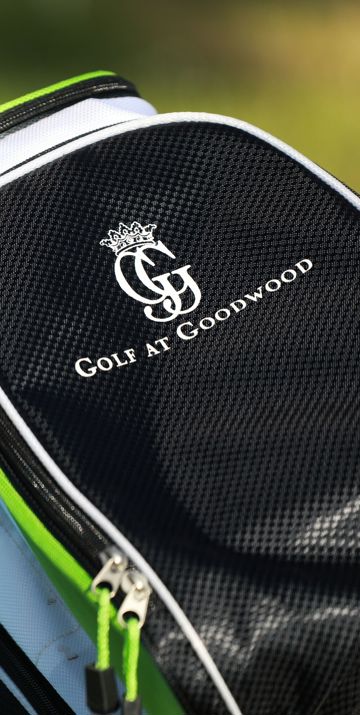

Braid’s Masterpiece
One of the greatest golfers of all time, James Braid designed Goodwood’s iconic Downland course, opened in 1914.
-
Shooting
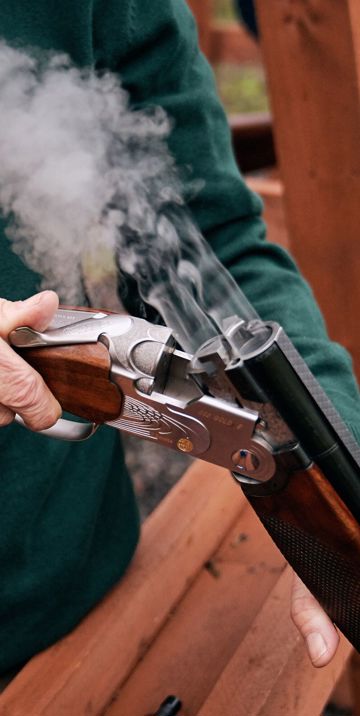
Carne's Seat
Just beyond Goodwood House along the Hillclimb, the 2nd Dukes banqueting house was also known as "one of the finest rooms in England" (George Vertue 1747).
-
Afternoon Tea
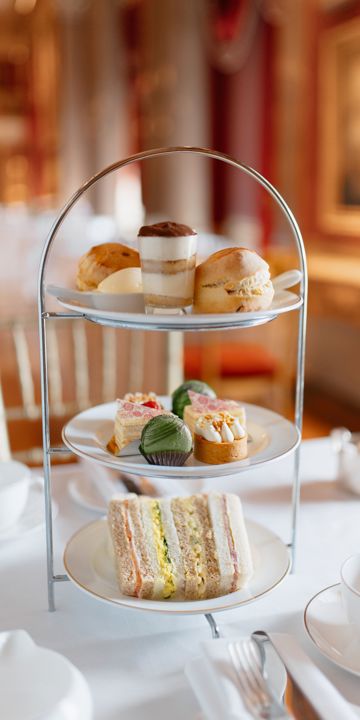

Our Paintings Collection
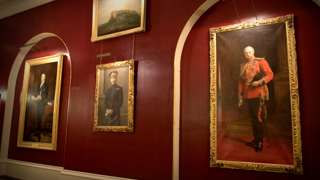
The origins of the collection lay in the possessions of Louise de Keroualle, Duchess of Portsmouth, and Duchess of Aubigny in France, to whom some of the paintings originally belonged.
-
Corporate Wellbeing
Goodwood's first Health Summit...
...took place in 2023 with industry experts discussing nutrition costs and food systems for a healthier future. -
Cycling
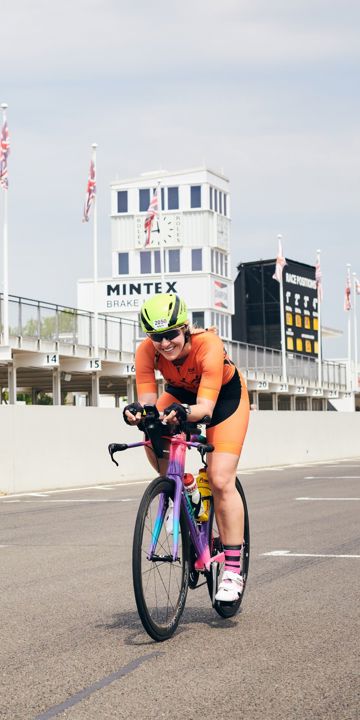

Ace Pilot
Ray Hanna famously flew straight down Goodwood’s pit straight below the height of the grandstands at the first Revival in 1998
-
Corporate Experiences
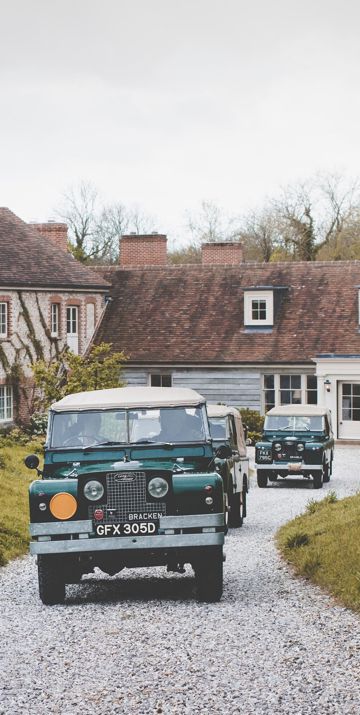
Where else can you...
...plan strategy in an ancient woodland, enjoy award-winning dining then drive around a racetrack?
-
Spa Treatments
-
Driving
- Hospitality
-
Golf
-
Golf Courses
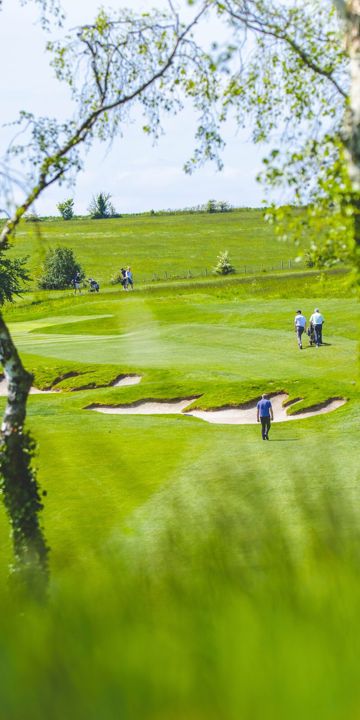

Over 100 years of Golf
The first ever round of golf played at Goodwood was in 1914 when the 6th Duke of Richmond opened the course on the Downs above Goodwood House.
-
Golf Membership
-
Credit Membership
-
Application Form
-
Intermediate Membership
-
Junior Membership
-
Corporate Membership
-
Copse Membership


A sporting Estate
Goodwood has two 18-hole championship courses, a modern clubhouse and an impressive Academy. -
Credit Membership
-
The Academy
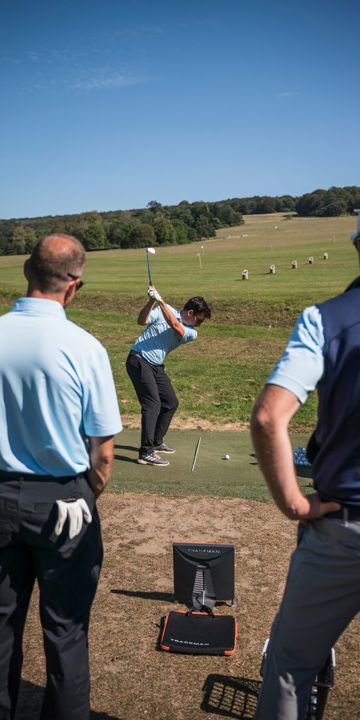
A sporting Estate
Goodwood has two 18-hole championship courses, a modern clubhouse and an impressive Academy. -
Golf Experiences

Braid’s Masterpiece
One of the greatest golfers of all time, James Braid designed Goodwood’s iconic Downland course, opened in 1914.
-
Golf Courses
-
Flying
-
Flying School
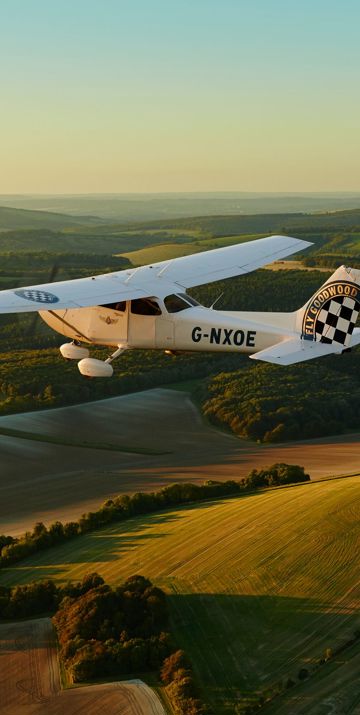
Flying Elephant
The first thing ever dropped at Goodwood was a cuddly elephant which landed in 1932 just as the 9th Duke of Richmonds passion for flying was taking off.
-
Aero Club Membership
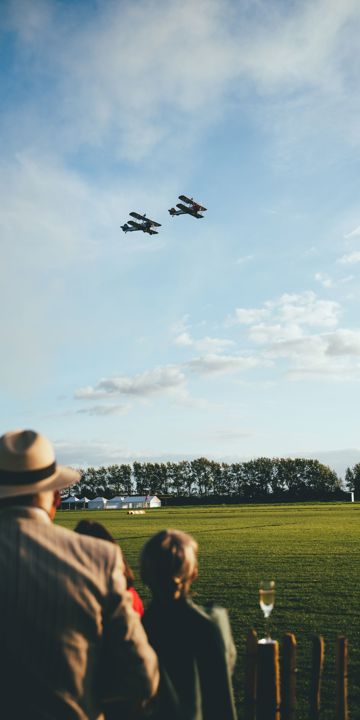

The Silver Spitfire
The iconic spitfire covered almost 43,000 kilometres and visited over 20 countries on its epic journey and currently resides at our Aerodrome.
-
Flying Experiences
-
Pilot Information
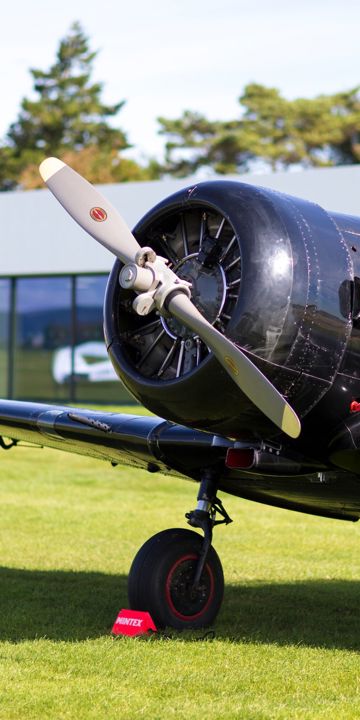

During the war...
The Motor Circuit was known as RAF Westhampnett, active from 1940 to 1946 as a Battle of Britain station.
-
Flying School
-
Meetings
-
Venue Hire
-
Goodwood House
-
The Racecourse
-
The Goodwood Hotel
-
The Motor Circuit
-
The Kennels
-
The Aerodrome
-
The Great Outdoors
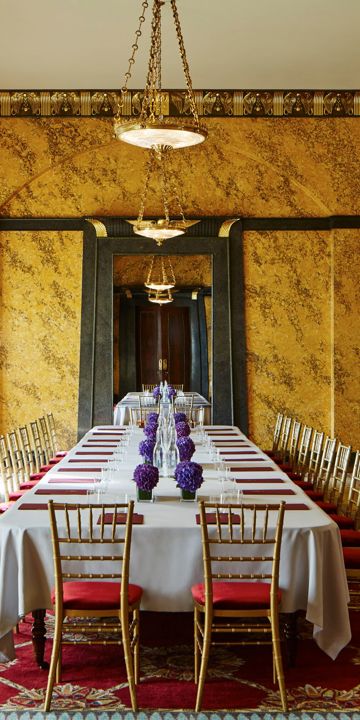
Where else can you...
...plan strategy in an ancient woodland, enjoy award-winning dining then drive around a racetrack?
-
Goodwood House
-
Plan Your Meeting
-
Parties
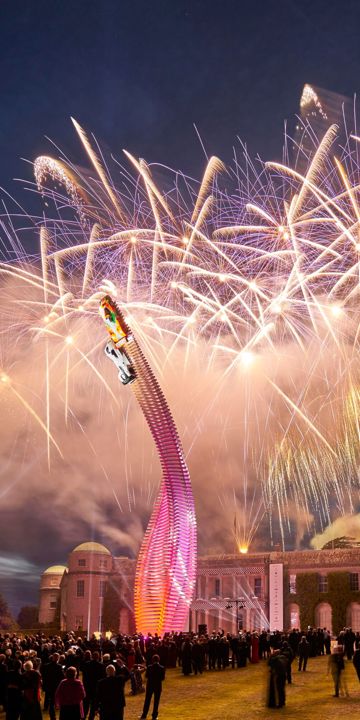
Where else can you...
...plan strategy in an ancient woodland, enjoy award-winning dining then drive around a racetrack?
-
Hospitality

-
Corporate Experiences
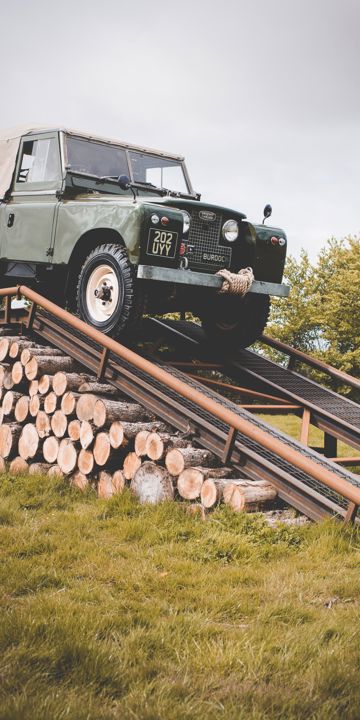
Where else can you...
...plan strategy in an ancient woodland, enjoy award-winning dining then drive around a racetrack?
-
Christmas Parties
-
Film Locations
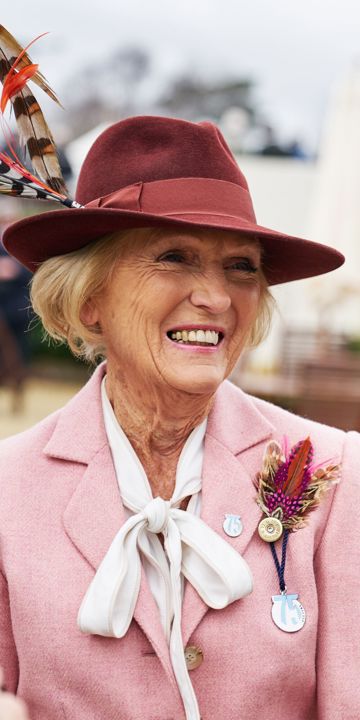
Filming at Goodwood
We have been host to many incredible film crews using Goodwood as a backdrop for shows like Downton Abbey, Hollywood Blockbusters like Venom: let there be Carnage and the Man from U.N.C.L.E.
-
Venue Hire
-
Weddings
-
Goodwood House
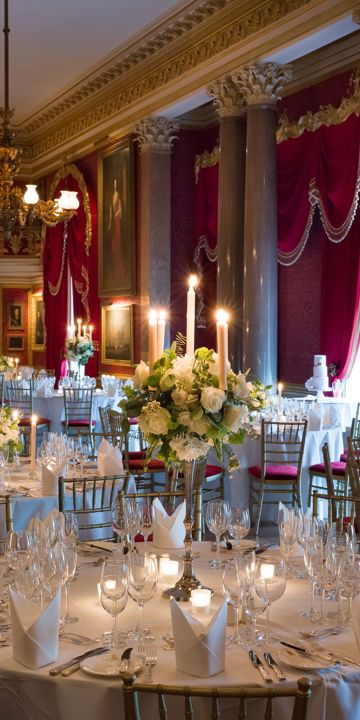
Minor furniture details
The exquisite mirror in the Ballroom of Goodwood House it so big they had to raise the ceiling to get it inside!
-
The Kennels


Fashionable foxhounds
The 1st Duke of Richmond bought Goodwood in 1697 as a place to stay to go foxhunting with the fashionable Charlton Hunt. -
Parties
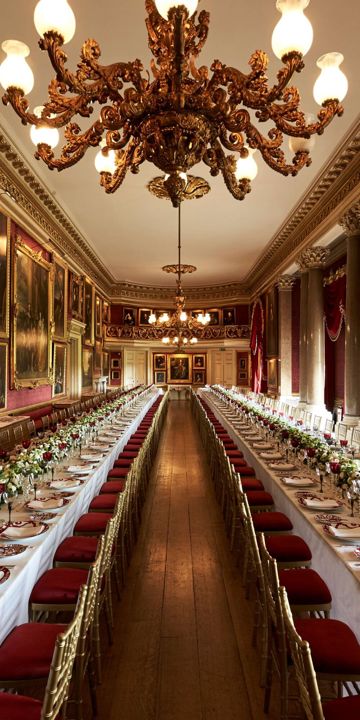


A destination for all seasons
We're well known for our iconic motorsport and horseracing events. But there's a lot more happening at Goodwood...
-
Goodwood House
-
Memberships
-
Goodwood Road Racing Club
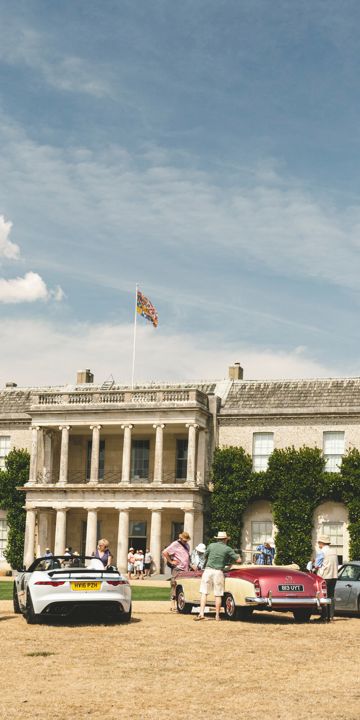
When was the GRRC founded?
Established in 1998 by the Duke of Richmond, the Goodwood Road Racing Club offers exclusive benefits across the estate year-round -
Goodwood Horseracing Club
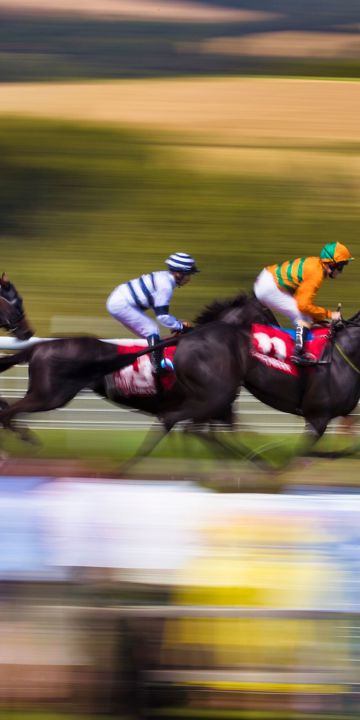
Wearing Linen at the Races
Ever since King Edward VII relaxed the dress code in the 19th century, we have enjoyed a carefree holiday feel here, unlike any other racecourse. -
Golf At Goodwood
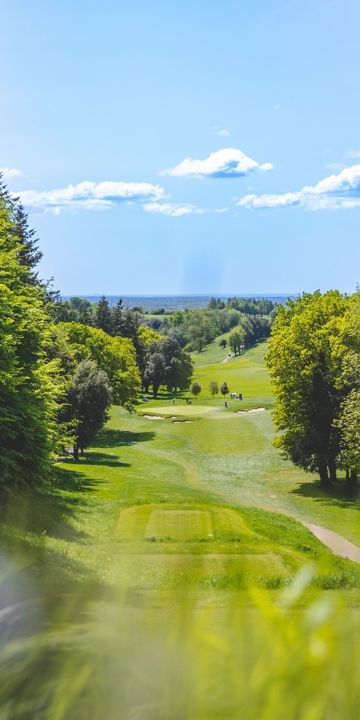
Braid’s Masterpiece
One of the greatest golfers of all time, James Braid designed Goodwood’s iconic Downland course, opened in 1914.
-
Goodwood Aero Club
The Silver Spitfire
The iconic spitfire covered almost 43,000 kilometres and visited over 20 countries on its epic journey and currently resides at our Aerodrome.
-
Goodwood Health Club
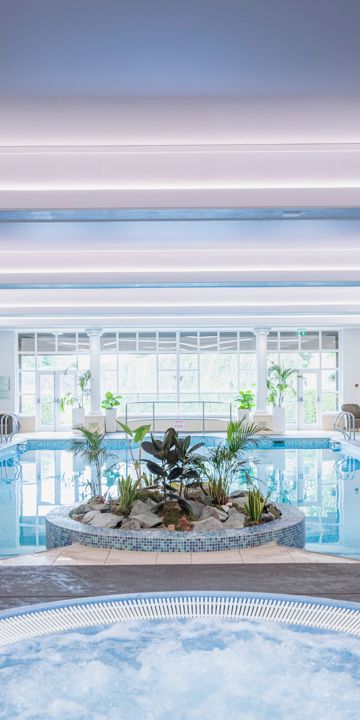
Goodwood's first Health Summit...
...took place in 2023 with industry experts discussing nutrition costs and food systems for a healthier future. -
The Kennels

Fashionable foxhounds
The 1st Duke of Richmond bought Goodwood in 1697 as a place to stay to go foxhunting with the fashionable Charlton Hunt. -
Sporting Membership


Levin Down Gin
Our gin uses wild-grown botanicals sourced from the estate, and is distilled with mineral water naturally chalk-filtered through the South Downs.
-
Goodwood Racehorse Owners Group
-
Goodwood Art Foundation
-
Goodwood Road Racing Club
- Classic Car Insurance
- Health & Wellbeing
- Buy Merchandise
-
Our Estate
-
What's on
-
Estate Map
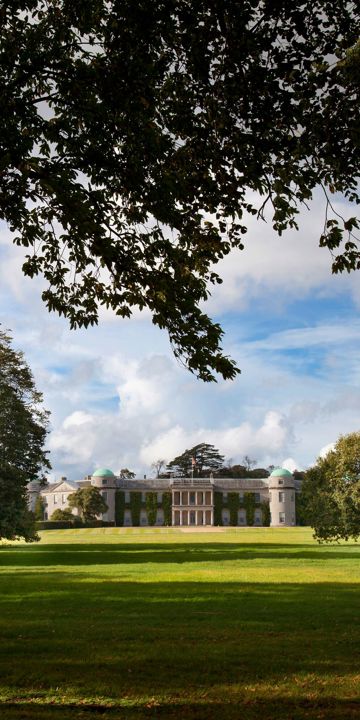
Fashionable foxhounds
The 1st Duke of Richmond bought Goodwood in 1697 as a place to stay to go foxhunting with the fashionable Charlton Hunt. -
Stories from the Estate
Levin Down Gin
Our gin uses wild-grown botanicals sourced from the estate, and is distilled with mineral water naturally chalk-filtered through the South Downs.
-
Sports
-
Goodwood Education Trust
Filming at Goodwood
We have been host to many incredible film crews using Goodwood as a backdrop for shows like Downton Abbey, Hollywood Blockbusters like Venom: let there be Carnage and the Man from U.N.C.L.E.
-
Charities
Estate Crest
"En la rose je fleurie" or "Like the rose, I flourish" is part of the Richmond coat of Arms and motto
-
Sustainability

How many hay bales are used at FOS?
For the last two years, 5,800 bales have been recylced into the biomass energy centre to be used for energy generation
-
Diversity, Equity & inclusion
-
Property
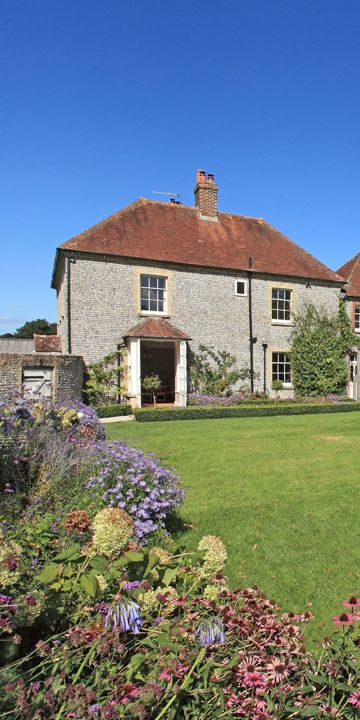

Grogger
Easy boy! The charismatic Farnham Flyer loved to celebrate every win with a pint of beer. His Boxer dog, Grogger, did too and had a tendancy to steal sips straight from the glass.
-
Walking Guide

Lucky Leap
Inspired by the legendary racer, Masten Gregory, who famously leapt from the cockpit of his car before impact when approaching Woodcote Corner in 1959.
-
Dog Walking Field
-
Careers
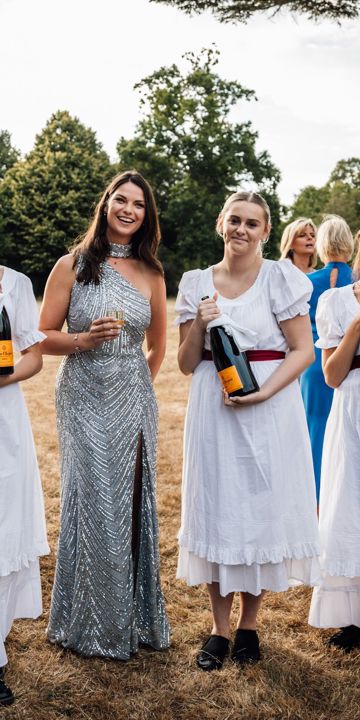
Estate Crest
"En la rose je fleurie" or "Like the rose, I flourish" is part of the Richmond coat of Arms and motto
-
Goodwood Art Foundation
-
Farm Shop
-
What's on



Upcoming Events

Spring Awakens at Goodwood
Spring at Goodwood is a season of renewal, when every corner of the Estate begins to move again. From wildlife emerging in ancient woodland and new life on Home Farm, to seasonal menus in the kitchens, the reopening of Goodwood House, and the return of motorsport, racing and much-loved events, this is a behind-the-scenes glimpse into how the landscape, and the people who care for it, bring Goodwood to life after winter.
latest news
E&H
Spring
Goodwood House
what to do
Estate
Goodwoof
Season Opener
Members Meeting
Goodwood House Tea and Tour
Breakfast Club
things to do
home farm
There is a moment each year at Goodwood Estate when everything changes.
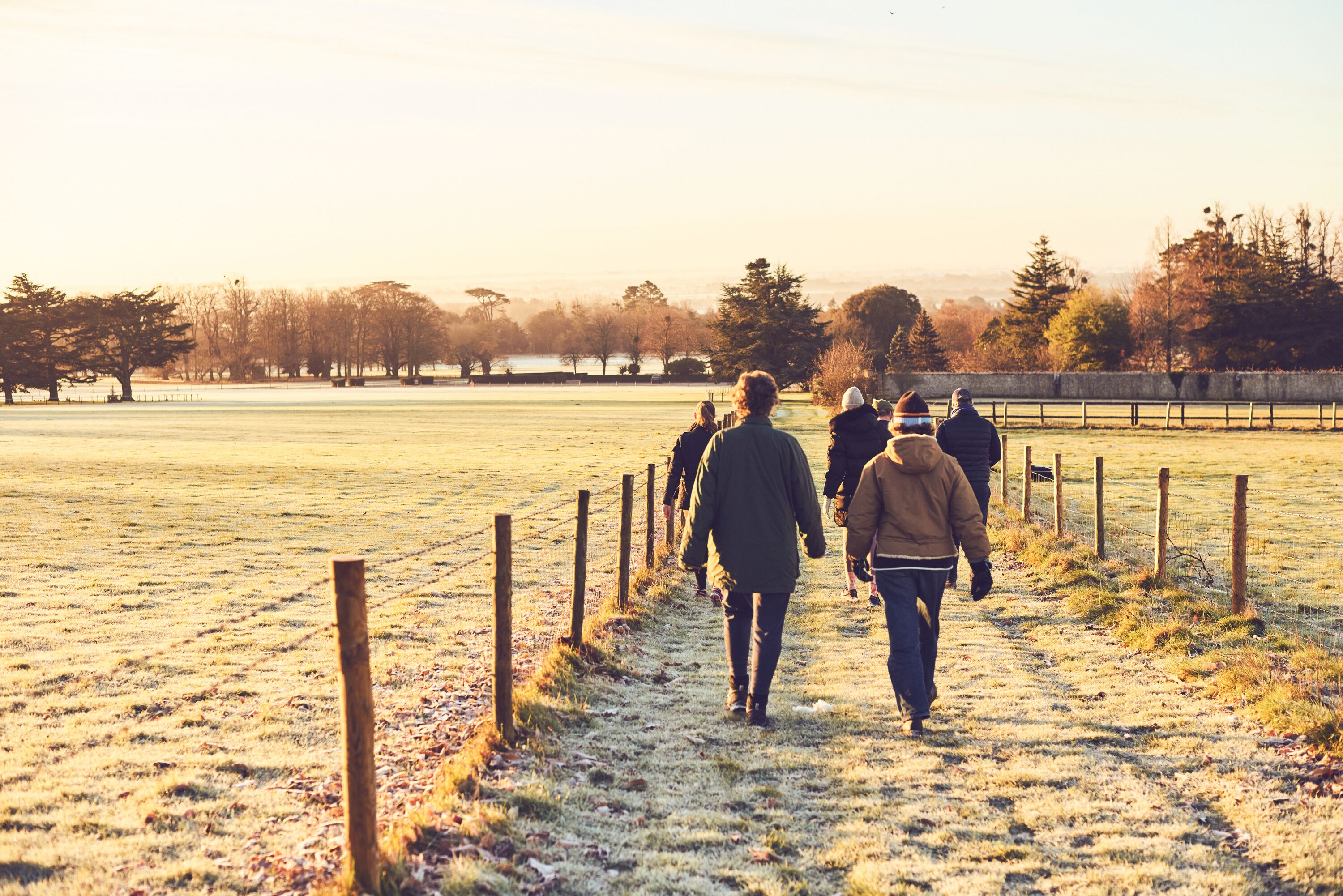
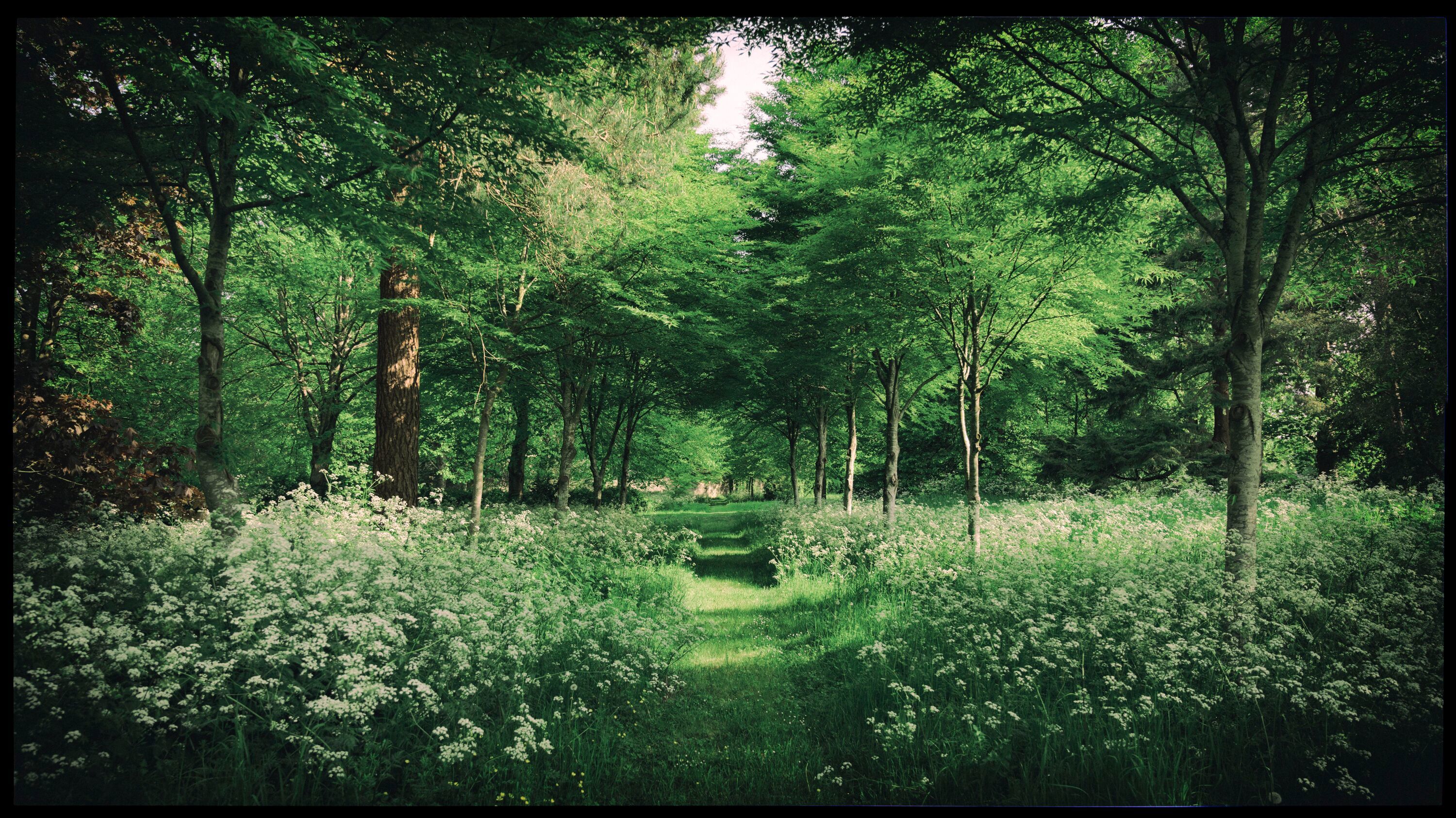
It is not loud. It does not arrive with fanfare. It begins with birdsong carried a little further on softer air, with the first lambs finding their feet, with frost giving way to green. After the hush of winter, spring feels like a gentle unfurling and across the Estate’s 11,000 acres, life begins again in ways both subtle and spectacular.
A landscape waking up
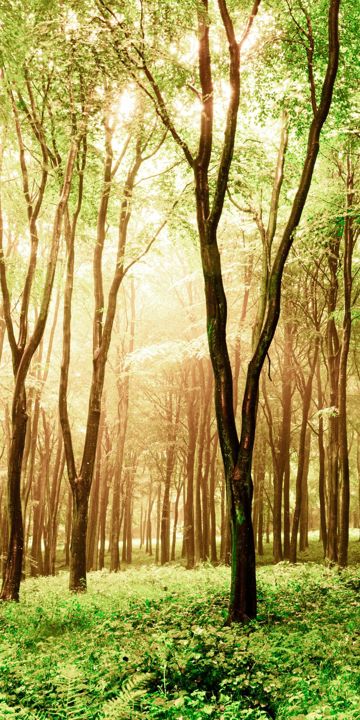
Along hedgerows and ancient woodland edges, blackthorn blossom foams white against still-bare branches. Bluebells begin their quiet takeover of shaded banks. Daffodils shine brightly on the verges. In the parkland, brown hares grow bolder at dusk, while skylarks hover and sing high above the fields.
Spring is a critical time for conservation here. As insects emerge, queen bumblebees search for nesting sites and early butterflies warm themselves amongst the budding wildflowers of the Trundle. This is where the Estate’s careful stewardship of soil, pasture and woodland comes into its own. Areas are left undisturbed for ground-nesting birds. Margins and cover crops planted the previous year provide habitat and food. What can look effortless from afar is, in truth, deeply considered: a landscape managed not just for beauty, but for biodiversity.
The result? A place that feels alive in the truest sense.
New life at Home Farm
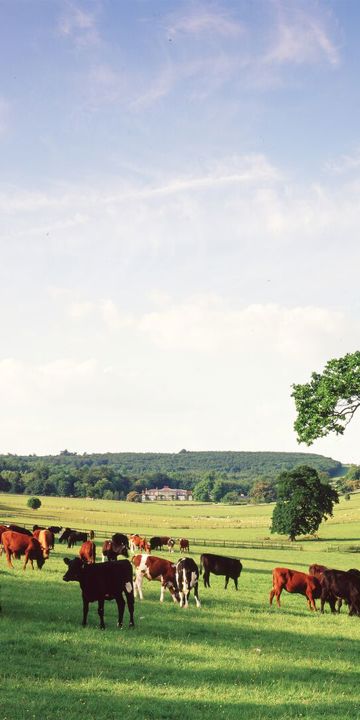
Nowhere is spring more tangible than at Home Farm. Lambing season is in full swing and the fields are animated by small, determined bursts of energy as newborns stay close to their mothers. Calving follows close behind. It is a time of long days for the farming team watchful, practical, deeply attuned to the rhythms of the land.
Spring also marks the shift in the farm’s organic cycle. Cover crops that have protected and nourished the soil over winter are incorporated back into the ground, building fertility naturally. The focus is always on soil health first, because healthy soil produces healthy pasture, which in turn supports healthy livestock. It is a philosophy that connects the unseen microbial world beneath our feet to the food eventually served on the plate.
What looks effortless in the landscape is the result of generations of careful stewardship.
Kate Taylor
A season on the plate
As the land changes, so too do the menus.
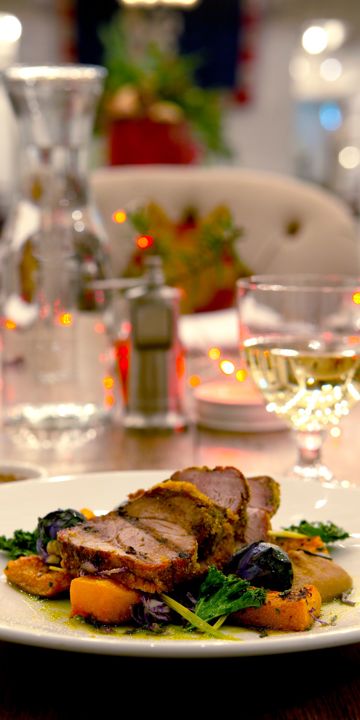
Within The Kennels, Farmer, Butcher, Chef and Café 24 kitchens, the chefs work with the spoils of the season, peppery wild garlic, tender estate-reared lamb, the first vibrant shoots and herbs. Dishes become lighter, greener, more expressive. It is food that mirrors the landscape outside.
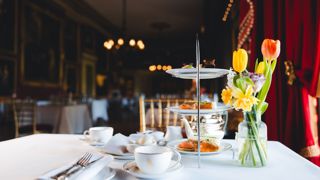
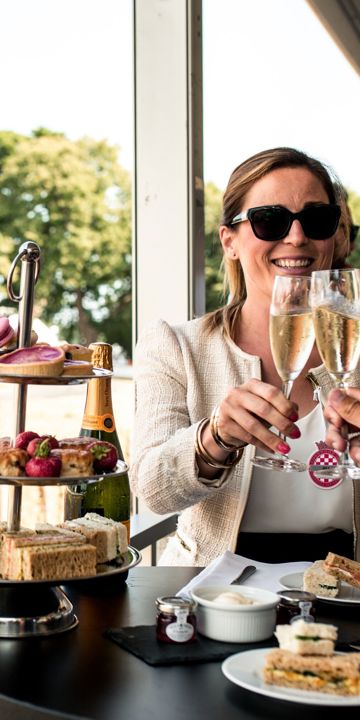
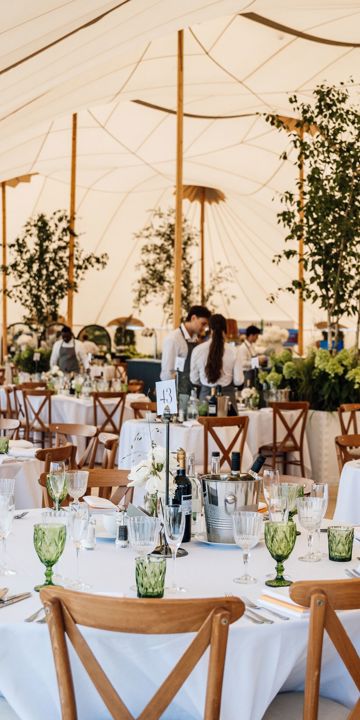
Mother’s Day preparations bring an added sense of occasion. Tables are set for Sunday lunches in the restaurants and scones are freshly baked for afternoon teas within The Kennels and Goodwood House. The simple act of gathering together feels especially meaningful at this time of year.
Doors reopening
Spring also sees the doors of Goodwood House open once more and guests being welcomed into the grand Front Hall ahead of an afternoon of high tea and tour. Dust sheets are swept off, silver is polished and spring flowers adorn tables. After the winter pause, there is something deeply special about stepping back into its state rooms filled with history and stories waiting to be told.
Art in rhythm with nature
At the Goodwood Art Foundation, the landscape itself becomes part of the exhibition. Rooted in the concept of 24 seasonal moments, the Foundation invites visitors to notice change, not just in exhibitions, but in the living canvas that surrounds them. Spring is perhaps the most dramatic expression of that philosophy: colour returning, grasses shifting, trees in bud, all add to the creative flow of the 70 acre landscape.
Preparing the greens
As spring gathers pace, attention turns to the fairways. Across the golf courses, the greenkeeping team work quietly behind the scenes, coaxing the turf back to strength after winter’s damp and frost. Guided by agronomy, they monitor soil temperatures, manage aeration and encourage steady recovery beneath the surface. What appears effortless, is in fact the result of months of considered stewardship.
Engines, hooves and anticipation
And then, almost imperceptibly at first, the tempo lifts.
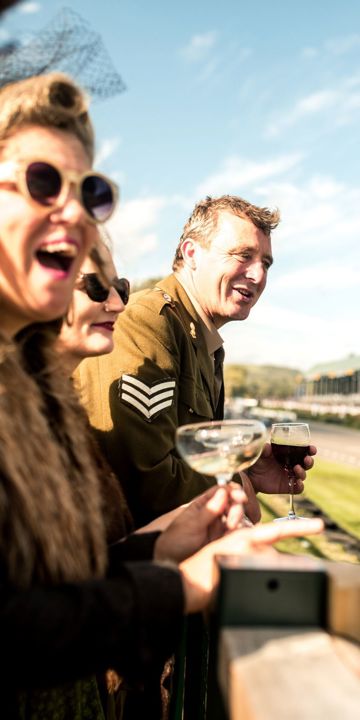
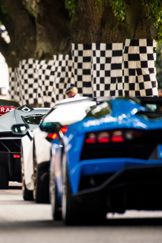
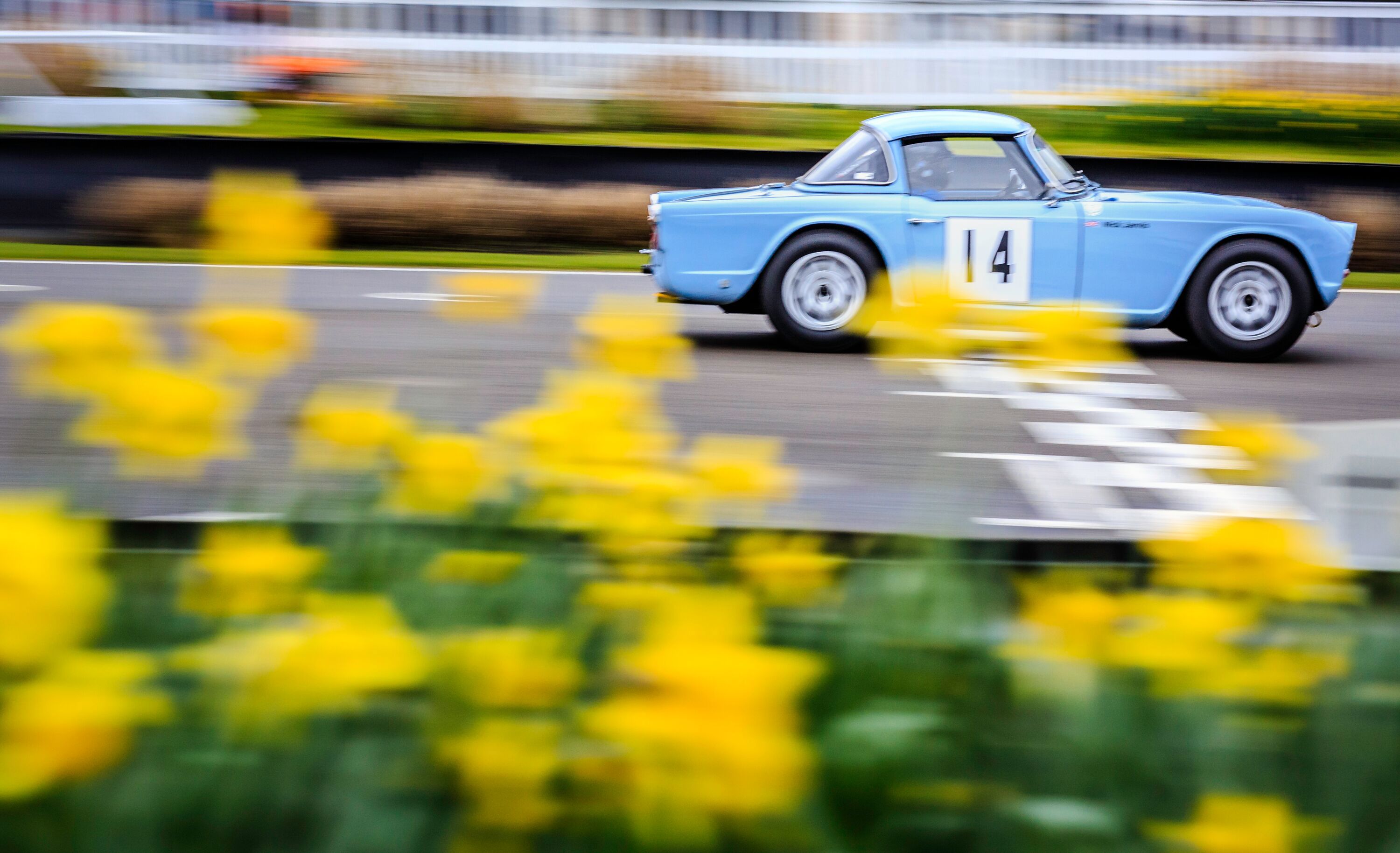
April brings the much-anticipated Goodwood Members' Meeting at the historic Goodwood Motor Circuit, a celebration of motorsport heritage that feels all the more exhilarating against a backdrop of fresh green grass and crisp spring skies. From May, Breakfast Clubs return, early-morning gatherings that pair polished chrome with coffee, hearty food and conversation.
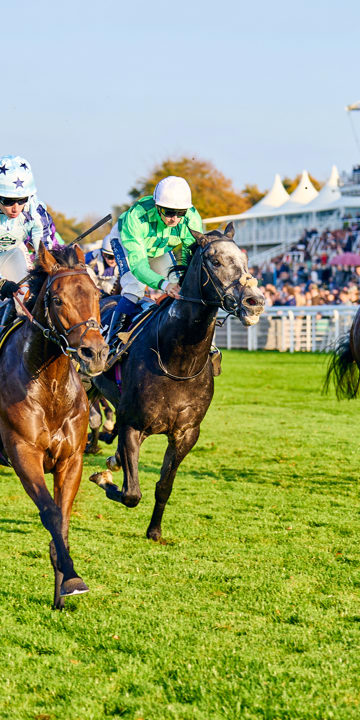
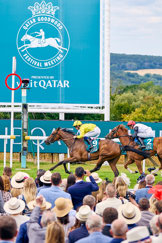
On the turf at Goodwood Racecourse, the Season Opener signals the return of flat racing, a different kind of horsepower, but no less stirring. From the first break of the stalls to the elegance of timeless surroundings, the Season Opener is shaped for those who appreciate sport at its most graceful.
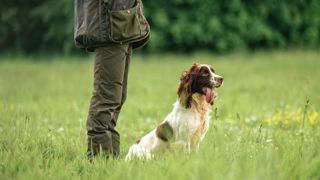
Meanwhile, at The Kennels, May welcomes Goodwoof, a joyful celebration of dogs and their devoted humans. After winter’s quieter, muddier walks, it is a fittingly exuberant way to mark the season.
The feeling of it all
What makes spring at the Goodwood Estate so special is not any single moment. It is the layering of them.
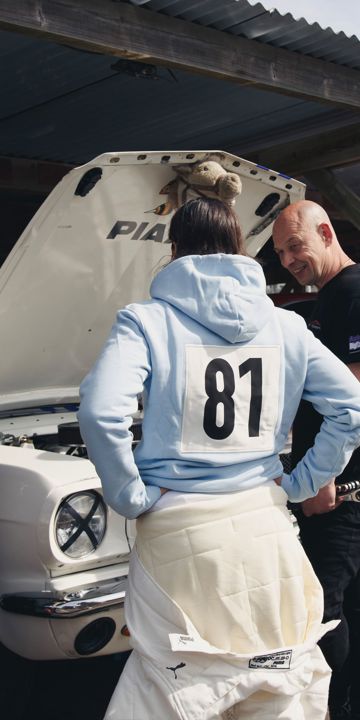
It is the farmer checking ewes at dawn while, a few miles away, a chef tastes the first wild garlic of the year. It is skylarks above the gallops, lambs in parkland fields, mechanics fine-tuning engines as blossom drifts across the Circuit. It is tea poured in silver teapots at Goodwood House as history comes to life through shared stories once more.
After the introspection of the darker months, the whole estate seems to breathe in, lift its face to the light and begin again.
To truly understand spring here, you have to feel it: the softness in the air, the energy quietly building before the first race, the hum of life returning to the fields.
Join us for lunch, linger over dinner at Farmer, Butcher Chef, or turn your visit into a countryside escape with a stay at The Goodwood Hotel. After winter, everything feels possible and there is a place waiting for you at the table.
latest news
E&H
Spring
Goodwood House
what to do
Estate
Goodwoof
Season Opener
Members Meeting
Goodwood House Tea and Tour
Breakfast Club
things to do
home farm