-
Events
-
Festival of Speed
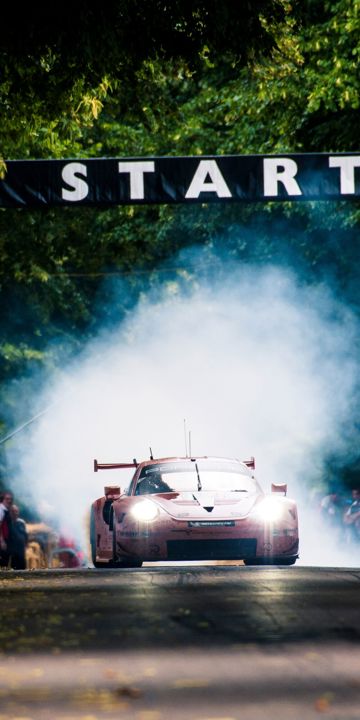

Why don't the F1 cars race the hill?
For safety reasons F1 cars can no longer do official timed runs so instead perform stunning demonstrations!
-
Goodwood Revival
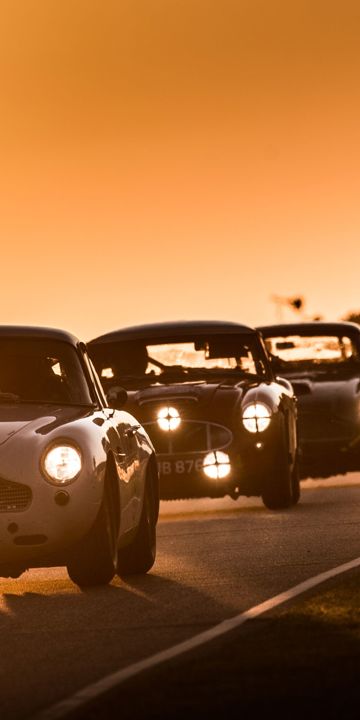

Spectators Favourite
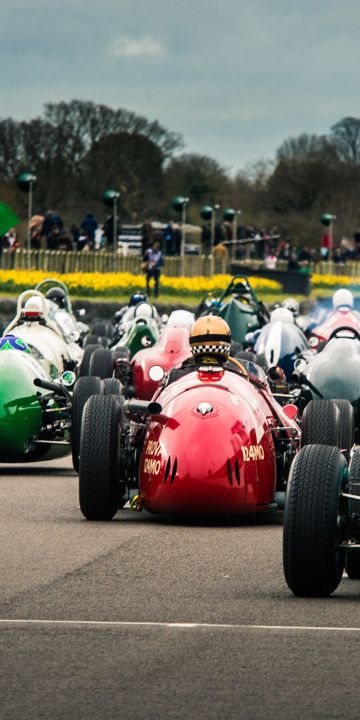
Spectate from the chicane at the Revival to see plenty of classic cars going sideways as they exit this infamous point of our Motor Circuit.
-
Members' Meeting
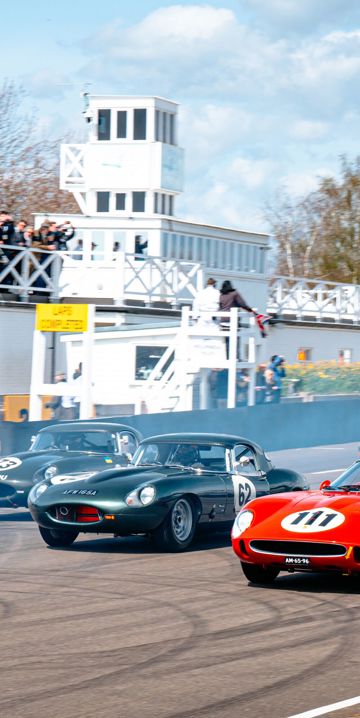

More than motorsport...
Ferret racing and duck herding are two of the many off-track activities at Members' Meeting -
Qatar Goodwood Festival
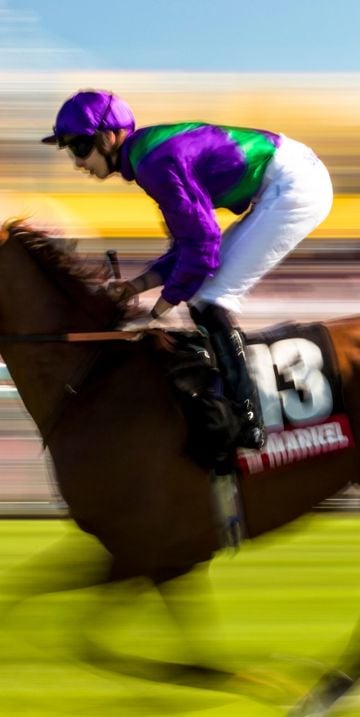

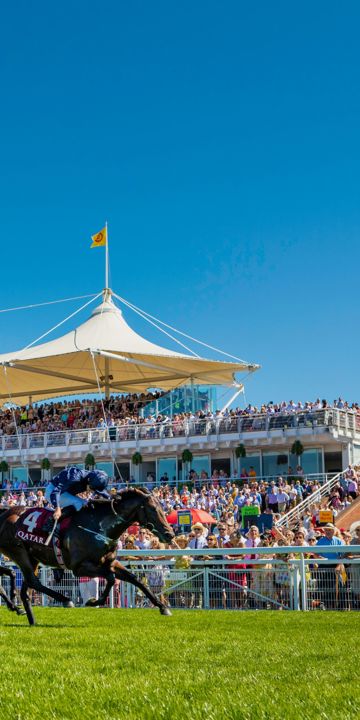
Royal approval
King Edward VII (who came almost every year) famously dubbed Glorious Goodwood “a garden party with racing tacked on”.
-
Goodwoof
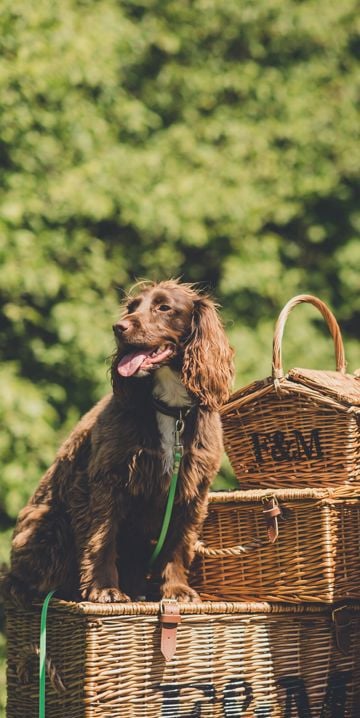

Start in style
The breed parade sees hundreds of dogs and their owners walk from Goodwood House down to The Kennels to kick start the Goodwoof weekend. -
Horseracing
-
Season Opener
-
May Festival
-
Family Race Day
-
Three Friday Nights
-
August Bank Holiday
-
Autumn Racing
-
Season Finale
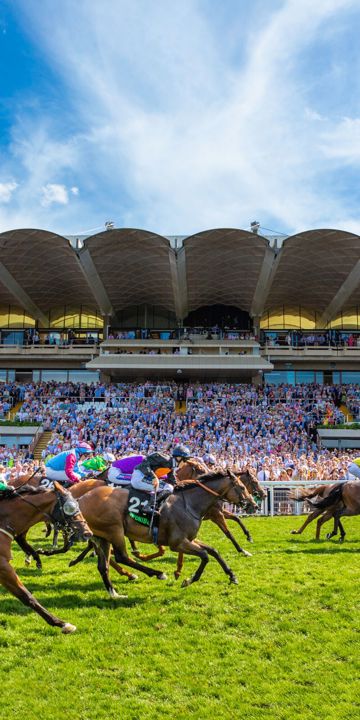

Racing Colours
The red & yellow of the Racecourse can be traced back hundreds of years, even captured in our stunning Stubbs paintings in the Goodwood Collection
-
Season Opener
-
Breakfast Club
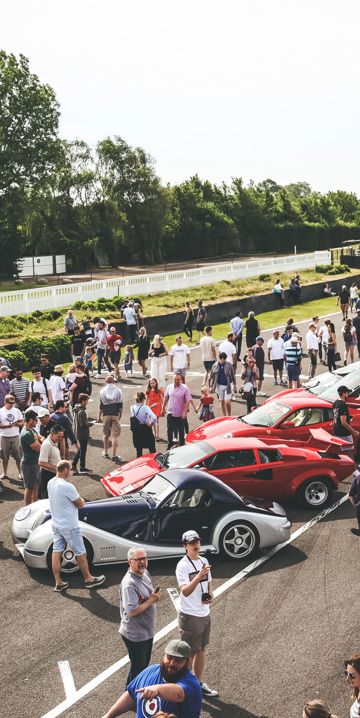

A perfect Sunday morning?
A no-cost, all-welcome motoring show where the visitors and their machines are the stars -
Health Summit
-
Hospitality
-
Exhibiting
-
Partnerships
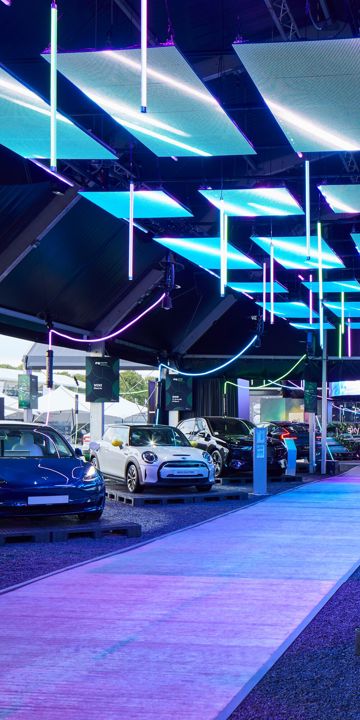

Where else can you...
...plan strategy in an ancient woodland, enjoy award-winning dining then drive around a racetrack?
-
What's on
-
Festival of Speed
-
Visit, Eat, Stay
-
The Goodwood Hotel
-
Rooms
-
Contact Us
-
Christmas
-
New Year's Eve
-
Weddings
-
Kids Activities
-
Offers
-
Local Attractions
-
Plan your stay

During the war...
The Motor Circuit was known as RAF Westhampnett, active from 1940 to 1946 as a Battle of Britain station. -
Rooms
-
Goodwood Cottages


A different breed...
Goodwood’s pigs are a mix of two rare breeds (Gloucester Old Spots and Saddlebacks) plus the Large White Boar.
-
Goodwood House
-
Afternoon Tea & Tour
-
The Collection
-
Exhibitions
-
History
-
Weddings
-
Copper Dome Restoration
-
Secrets of a Radical Duke Talk by Professor Danielle Allen

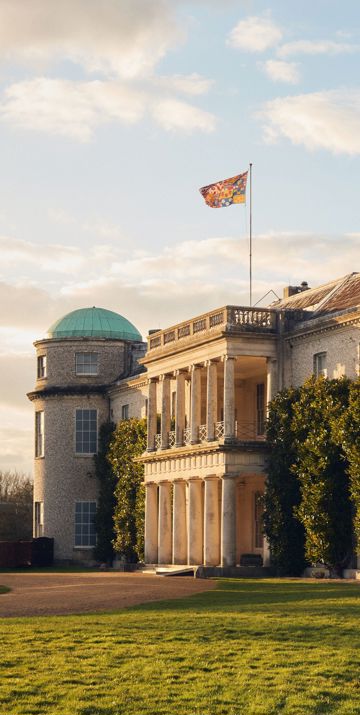

George Stubbs
G. Stubbs (1724–1806) created some of the animal portraiture masterpieces at Goodwood House, combining anatomical exactitude with expressive details
-
Afternoon Tea & Tour
-
Restaurants
-
Farmer, Butcher, Chef
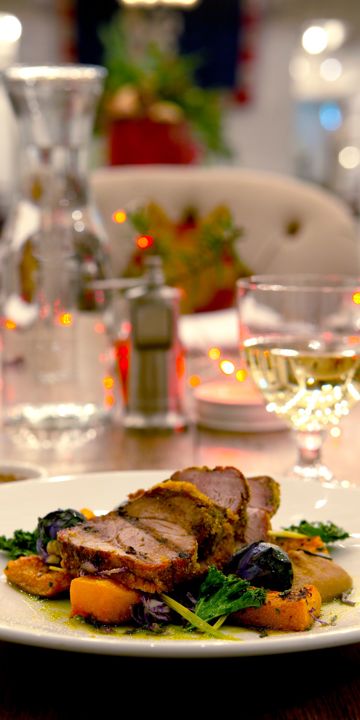
-
The Goodwood Bar & Grill
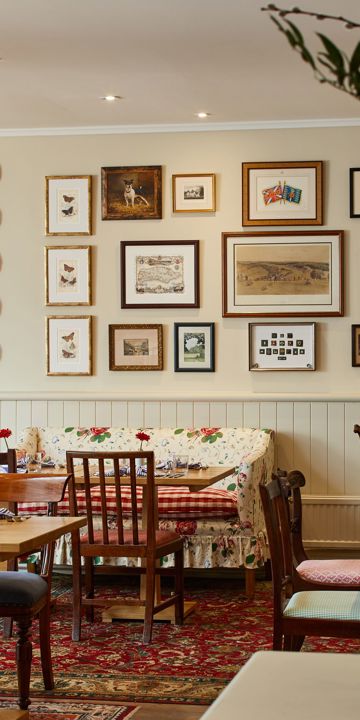
-
The Kennels
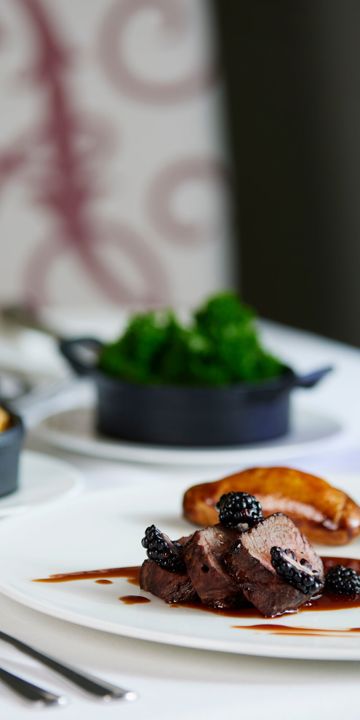
-
Aerodrome Café
-
Motor Circuit Café

-
Cafe 24

Sustainable state-of-mind
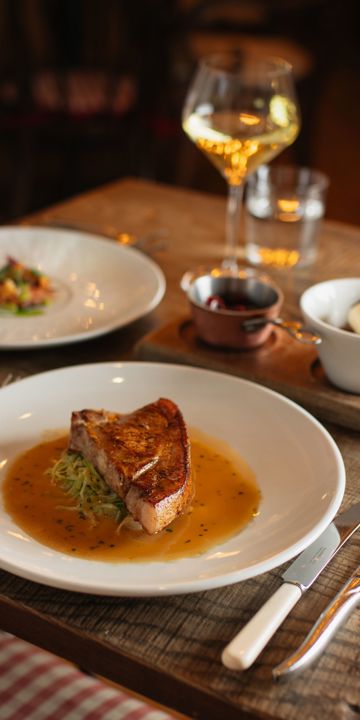
When Farmer, Butcher, Chef opened in 2016 it was awarded the UK’s first-ever Royal Academy of Culinary Arts ‘Sustainable Food Philosophy Seal’. -
Farmer, Butcher, Chef
-
The Kennels

Fashionable foxhounds
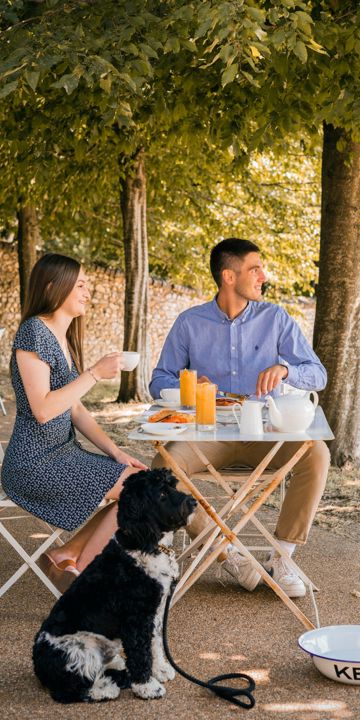
The 1st Duke of Richmond bought Goodwood in 1697 as a place to stay to go foxhunting with the fashionable Charlton Hunt. -
Motor Circuit

The Hillclimb Record
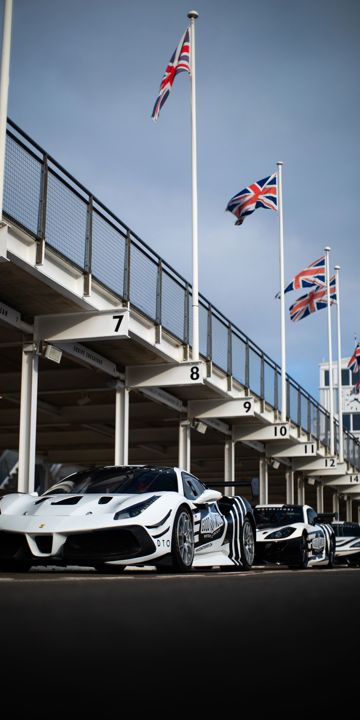
Nick Heidfelds 1999 (41.6s) hillclimb record was beaten after Max Chilton in his McMurtry Spéirling fan car tore it to shreds at 39.08s in 2022!
-
Health & Wellbeing
-
Membership
-
Health Club
-
Gym
-
Run Series
-
Spa Treatments
-
Wellness Retreats
-
Events Calendar
-
Corporate Wellbeing
-
Health Summit
-
Latest News

Goodwood's first Health Summit...
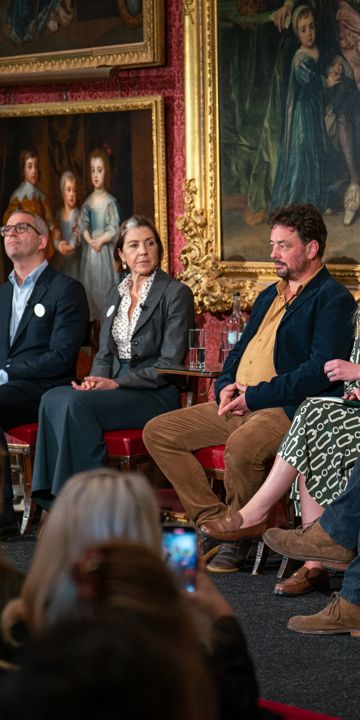
...took place in 2023 with industry experts discussing nutrition costs and food systems for a healthier future. -
Membership
-
Hound Lodge

Red letter days...
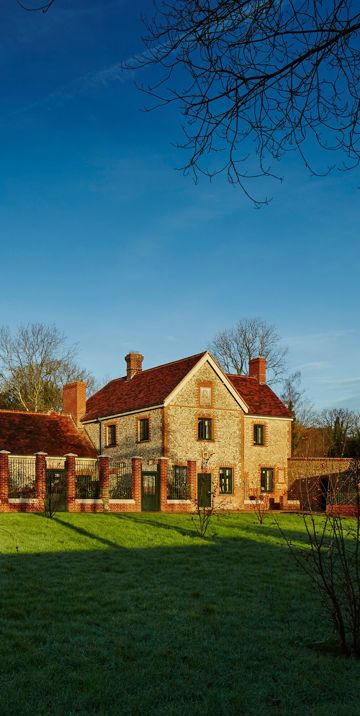
Extracts from the 4th & 5th Dukes diaries are on display with red ink used to highlight great things that had happened.
-
Goodwood Farm Shop


St Simon
Whoa Simon! A horse so determined and headstrong, he not only won the 1883 Goodwood Cup by 20 lengths, but couldn't be stopped and carried on running over the top of Trundle hill
-
Parties
-
Goodwood Art Foundation
-
The Goodwood Hotel
-
Motorsport
-
Festival of Speed
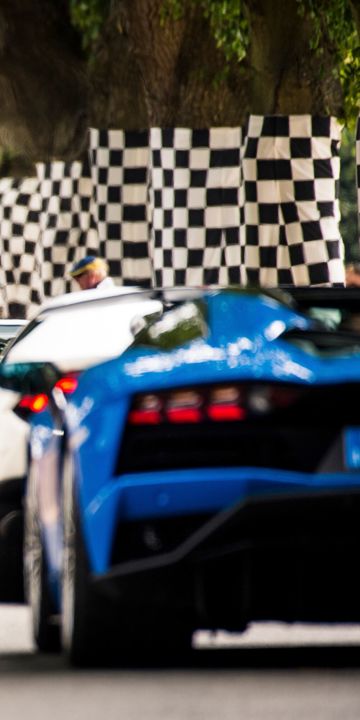

The Hillclimb
The 1.16-mile hillclimb has been the centre of the action since the first festival in 1993. -
Goodwood Revival
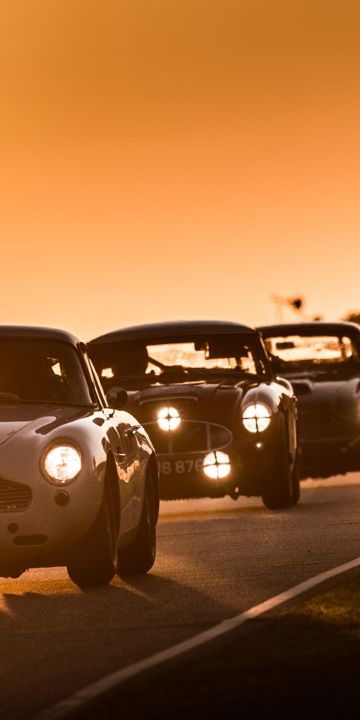

"Mr Goodwood"
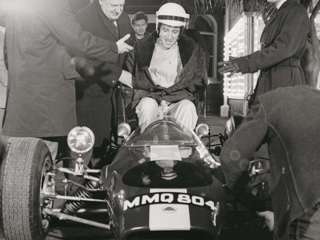
Sir Stirling Moss was one of the founding patrons of the Festival of Speed, and a regular competitor at the Revival.
-
Members' Meeting
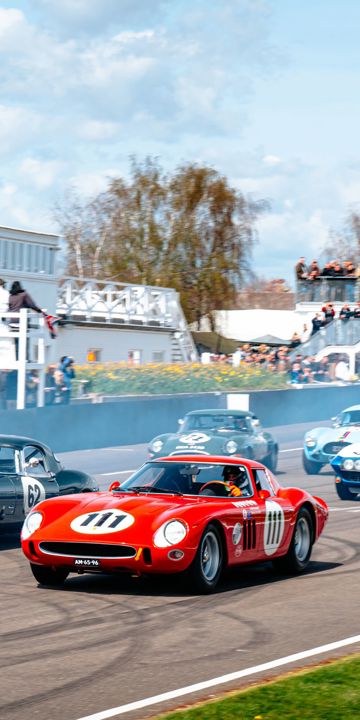

Have you visited our Forest Rally Stage?
From 2005 to present there has been a demonstration area for the rally cars at the top of the hill
-
Breakfast Club
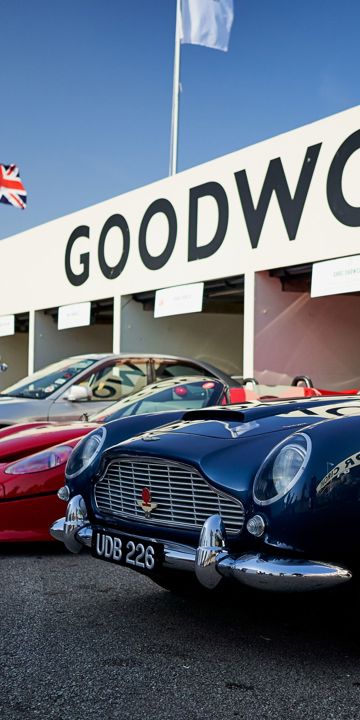
The Hillclimb Record
Nick Heidfelds 1999 (41.6s) hillclimb record was beaten after Max Chilton in his McMurtry Spéirling fan car tore it to shreds at 39.08s in 2022!
-
Motor Circuit
The Hillclimb
The 1.16-mile hillclimb has been the centre of the action since the first festival in 1993. -
Driving Experiences
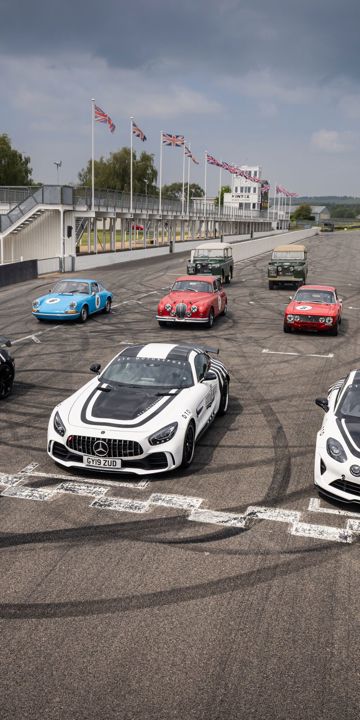

Motorsport Since 1948
Goodwood Motor Circuit was officially opened in September 1948 when Freddie March, the 9th Duke and renowned amateur racer, tore around the track in a Bristol 400
-
Goodwood Road Racing Club
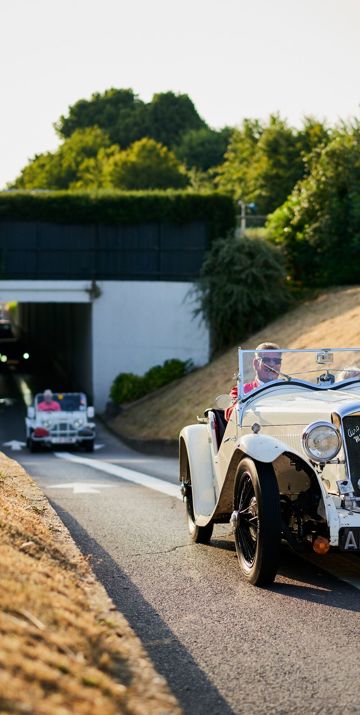

What's that on the startline?
The bricks lining the Festival of Speed startline are 100 years old and a gift from the Indianapolis Speedway "Brickyard" in 2011 to mark their centenary event!
-
Latest News
-
Festival of Speed
-
Horseracing
-
Tickets & Packages
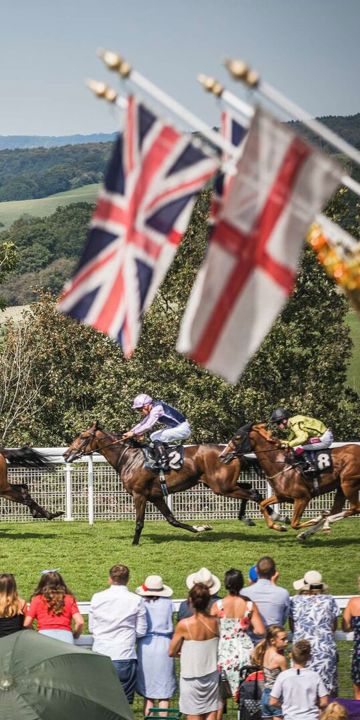

Why walk when you can drive
The first ever horsebox was used from Goodwood to Doncaster for the 1836 St. Leger. Elis arrived fresh and easily won his owner a £12k bet.
-
Hospitality
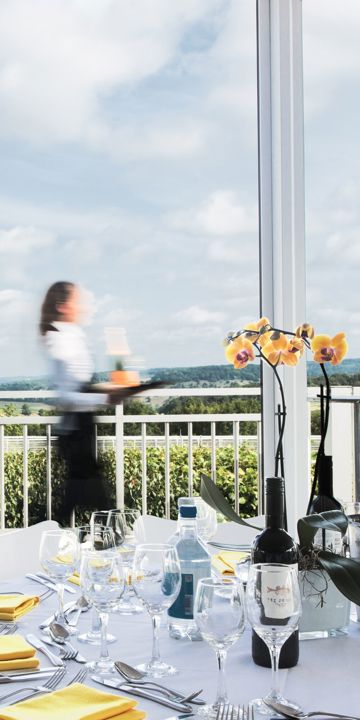
Racing Colours
The red & yellow of the Racecourse can be traced back hundreds of years, even captured in our stunning Stubbs paintings in the Goodwood Collection
-
Membership
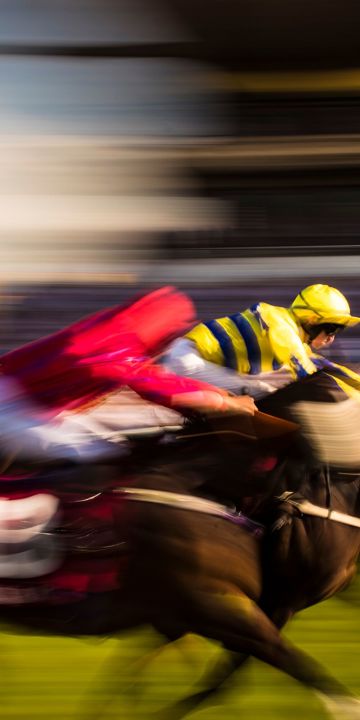
Racing Colours
The red & yellow of the Racecourse can be traced back hundreds of years, even captured in our stunning Stubbs paintings in the Goodwood Collection
-
Fixtures & Events
-
Season Opener
-
May Festival
-
Family Race Day
-
Three Friday Nights
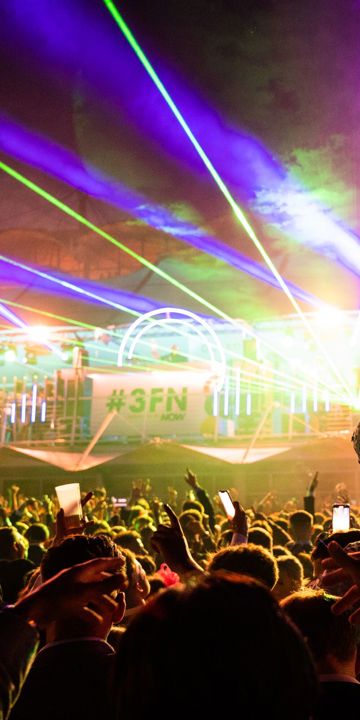
-
Qatar Goodwood Festival
-
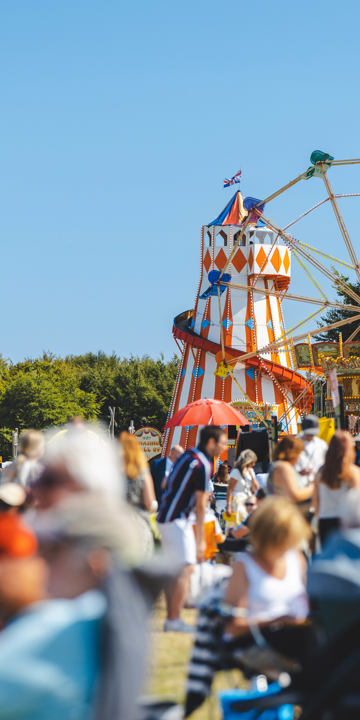
August Bank Holiday
-
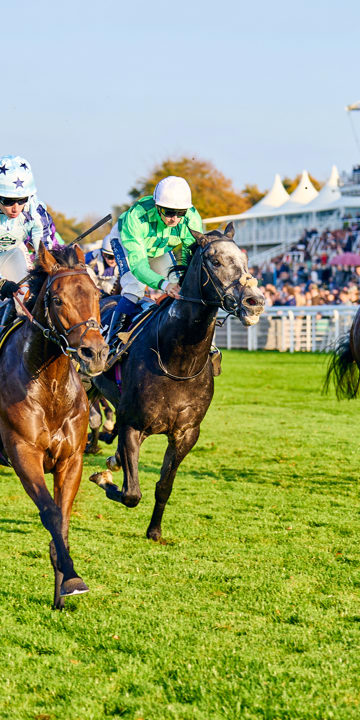
Autumn Racing
-
Season Finale
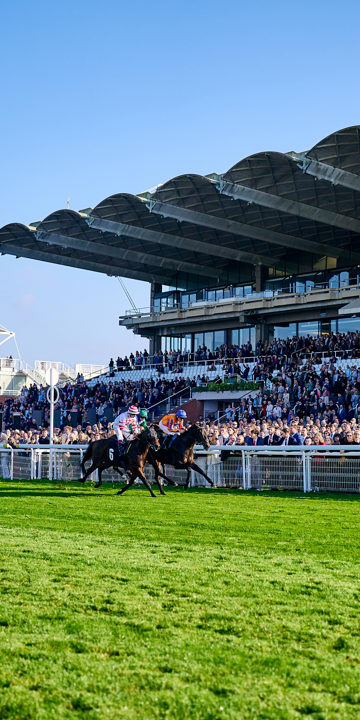
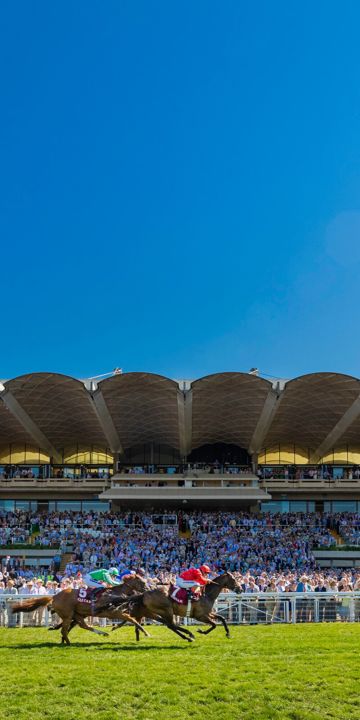
Why walk when you can drive
The first ever horsebox was used from Goodwood to Doncaster for the 1836 St. Leger. Elis arrived fresh and easily won his owner a £12k bet.
-
Season Opener
-
Qatar Goodwood Festival
-
Tickets & Packages
-
Hospitality
-
Day by Day Guide
-
Ladies Day
-
Magnolia Cup
-
The Earl's Lawn
-
Timetable
-
Partners
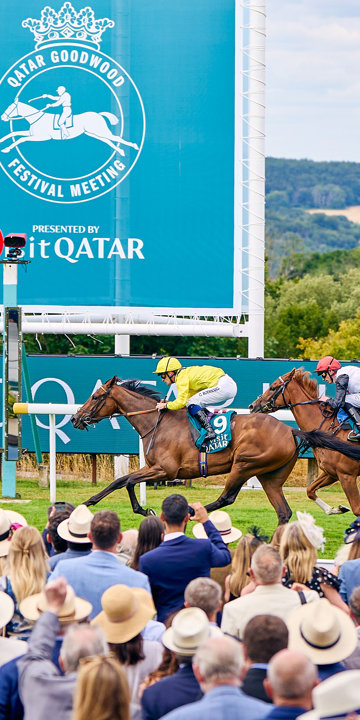
Racing Colours
The red & yellow of the Racecourse can be traced back hundreds of years, even captured in our stunning Stubbs paintings in the Goodwood Collection
-
Tickets & Packages
-
Three Friday Nights
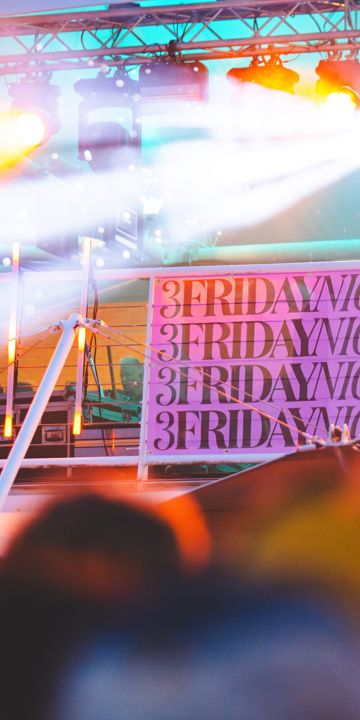
Racing Colours
The red & yellow of the Racecourse can be traced back hundreds of years, even captured in our stunning Stubbs paintings in the Goodwood Collection
-
Plan Your Day
-
Enclosures
-
Event Map
-
Going Report
-
Getting Here
-
Betting at Goodwood
-
Dress Code
-
Accessibility
-
Food & Drink
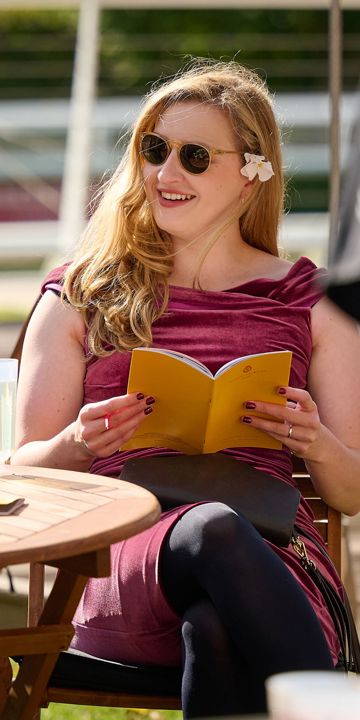

Wearing Linen at the Races
Ever since King Edward VII relaxed the dress code in the 19th century, we have enjoyed a carefree holiday feel here, unlike any other racecourse. -
Enclosures
-
Buy Merchandise
-
Partners
-
Owners & Trainers
-
Latest News
-
FAQs
-
Accessibility
-
Tickets & Packages
-
Experiences
-
Driving

The Silver Spitfire
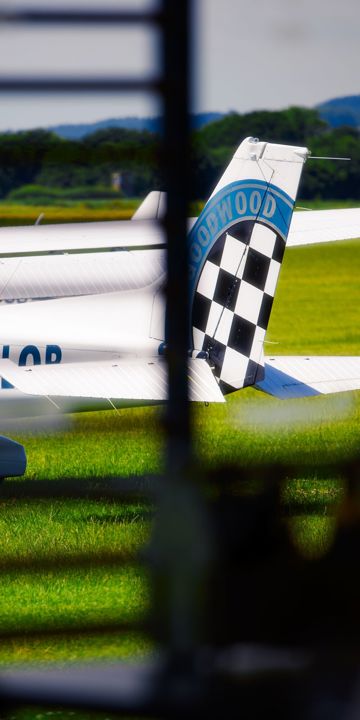
The iconic spitfire covered almost 43,000 kilometres and visited over 20 countries on its epic journey and currently resides at our Aerodrome.
-
Flying
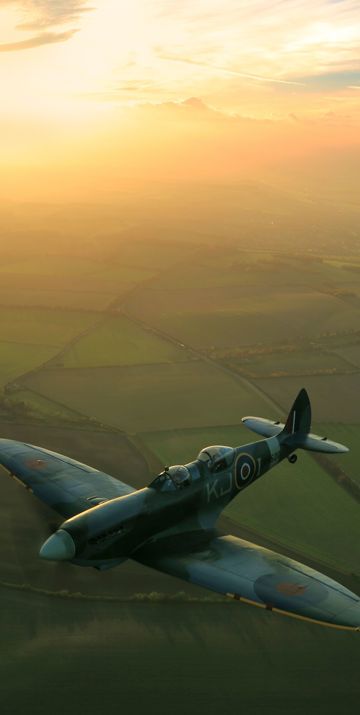
The Silver Spitfire
The iconic spitfire covered almost 43,000 kilometres and visited over 20 countries on its epic journey and currently resides at our Aerodrome.
-
Golf

Braid’s Masterpiece
One of the greatest golfers of all time, James Braid designed Goodwood’s iconic Downland course, opened in 1914.
-
Shooting
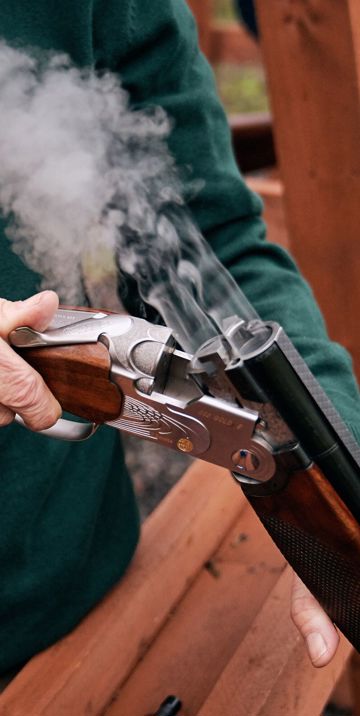

Grogger
Easy boy! The charismatic Farnham Flyer loved to celebrate every win with a pint of beer. His Boxer dog, Grogger, did too and had a tendancy to steal sips straight from the glass.
-
Afternoon Tea
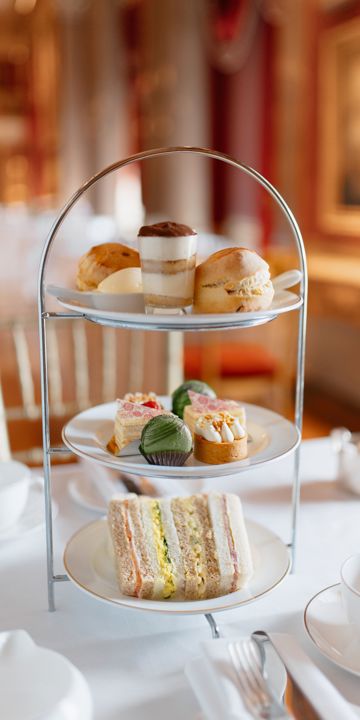
George Stubbs
G. Stubbs (1724–1806) created some of the animal portraiture masterpieces at Goodwood House, combining anatomical exactitude with expressive details
-
Corporate Wellbeing
Goodwood's first Health Summit...
...took place in 2023 with industry experts discussing nutrition costs and food systems for a healthier future. -
Cycling
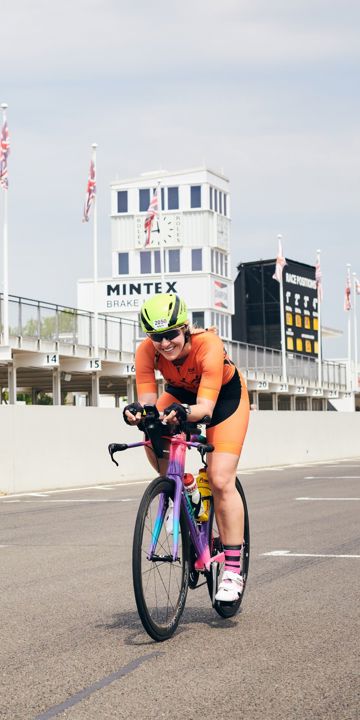

Battle of Britain
Flying training began at Goodwood in 1940 when pilots were taught operational flying techniques in Hurricanes and Spitfires.
-
Corporate Experiences
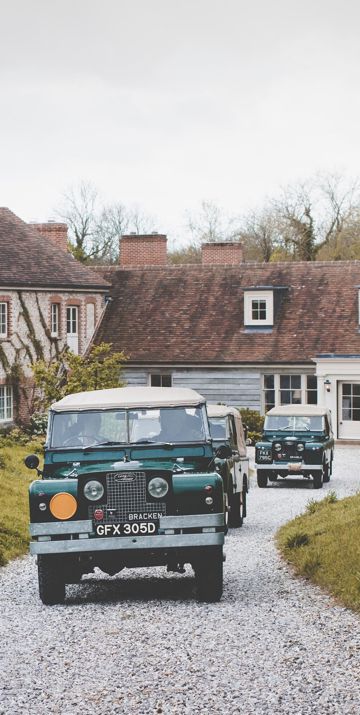
Where else can you...
...plan strategy in an ancient woodland, enjoy award-winning dining then drive around a racetrack?
-
Spa Treatments
-
Driving
- Hospitality
-
Golf
-
Golf Courses
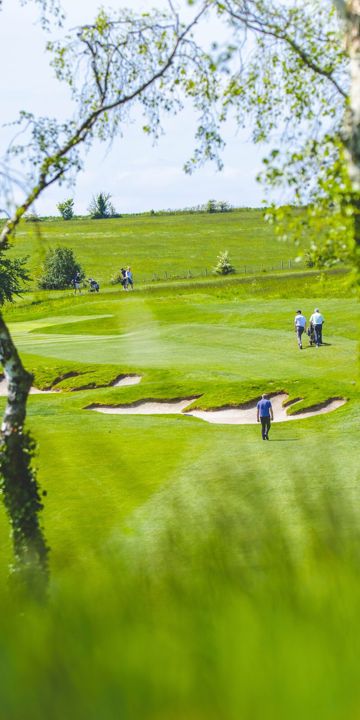

Over 100 years of Golf
The first ever round of golf played at Goodwood was in 1914 when the 6th Duke of Richmond opened the course on the Downs above Goodwood House.
-
Golf Membership
-
Credit Membership
-
Application Form
-
Braid Membership
-
Intermediate Membership
-
Junior Membership
-
Corporate Membership
-
Get Into Golf
-
Copse Membership

Over 100 years of Golf
The first ever round of golf played at Goodwood was in 1914 when the 6th Duke of Richmond opened the course on the Downs above Goodwood House.
-
Credit Membership
-
The Academy
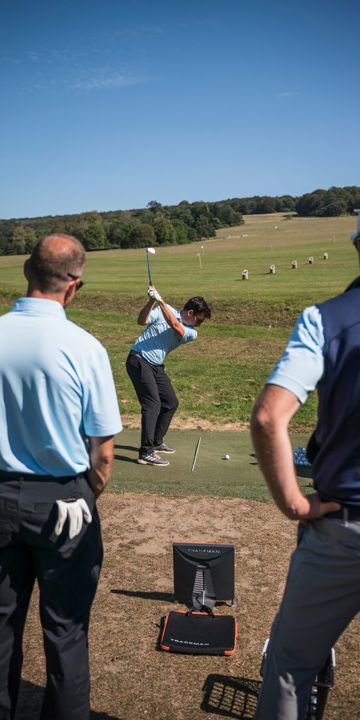
Braid’s Masterpiece
One of the greatest golfers of all time, James Braid designed Goodwood’s iconic Downland course, opened in 1914.
-
Golf Experiences

Braid’s Masterpiece
One of the greatest golfers of all time, James Braid designed Goodwood’s iconic Downland course, opened in 1914.
-
Golf Courses
-
Flying
-
Flying School
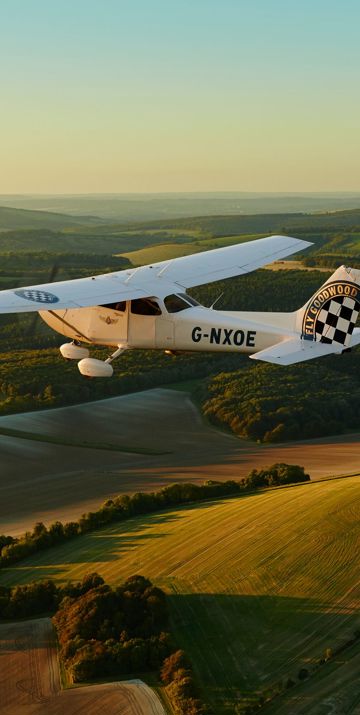
During the war...
The Motor Circuit was known as RAF Westhampnett, active from 1940 to 1946 as a Battle of Britain station. -
Aero Club Membership
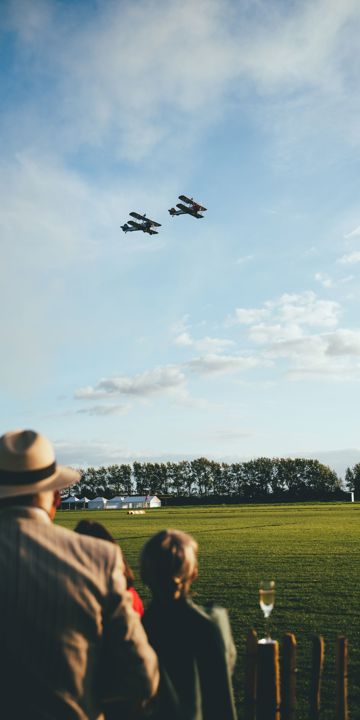

Flying with Goodwood
Come with us for an epic journey. -
Flying Experiences
-
Pilot Information
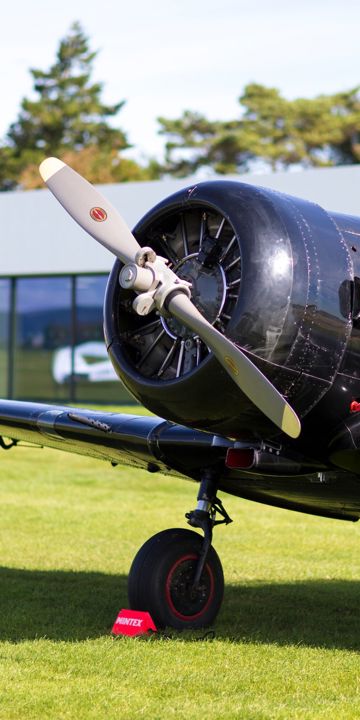

During the war...
The Motor Circuit was known as RAF Westhampnett, active from 1940 to 1946 as a Battle of Britain station.
-
Flying School
-
Meetings
-
Venue Hire
-
Goodwood House
-
The Racecourse
-
The Goodwood Hotel
-
The Motor Circuit
-
The Kennels
-
The Aerodrome
-
The Great Outdoors
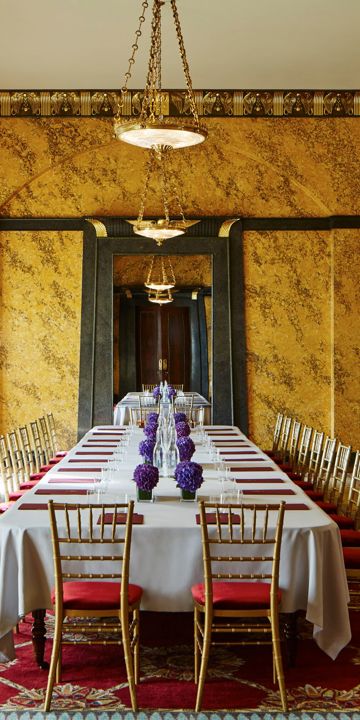
Where else can you...
...plan strategy in an ancient woodland, enjoy award-winning dining then drive around a racetrack?
-
Goodwood House
-
Plan Your Meeting
-
Parties
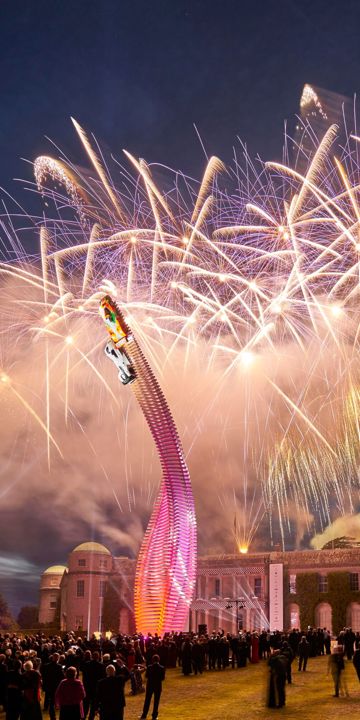
Where else can you...
...plan strategy in an ancient woodland, enjoy award-winning dining then drive around a racetrack?
-
Hospitality

-
Corporate Experiences
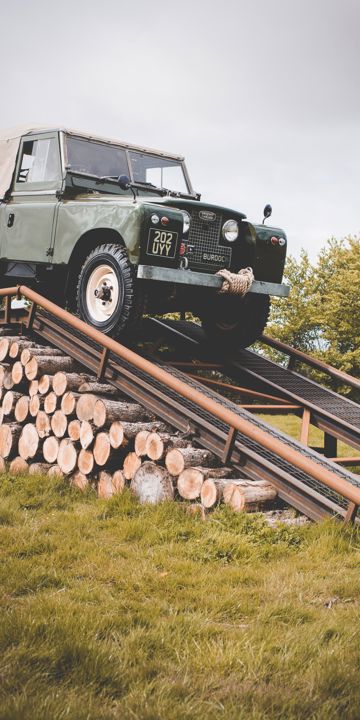
Where else can you...
...plan strategy in an ancient woodland, enjoy award-winning dining then drive around a racetrack?
-
Christmas Parties
-
Film Locations
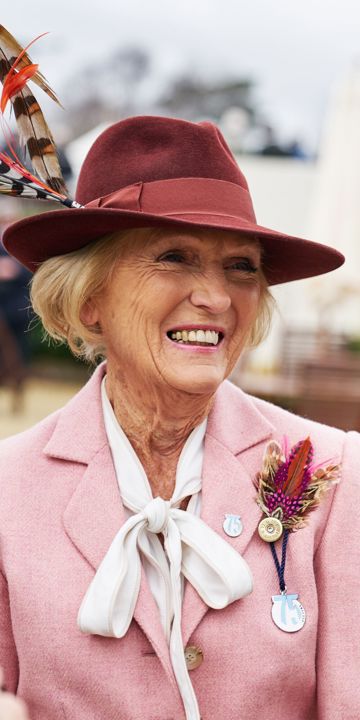
Where else can you...
...plan strategy in an ancient woodland, enjoy award-winning dining then drive around a racetrack?
-
Venue Hire
-
Weddings
-
Goodwood House
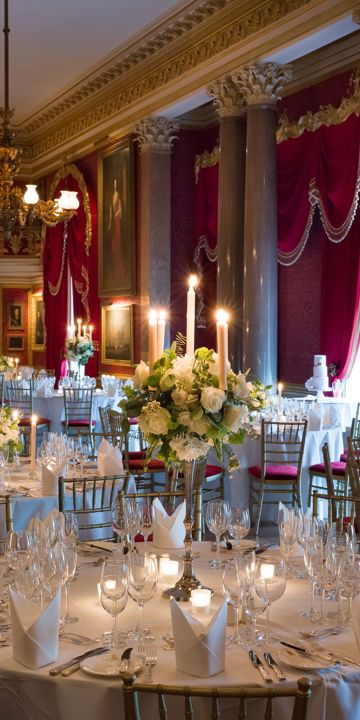

Yellow drawing room
The replica of the original Axminster carpet is so lavish that the President of Bulgaria came to visit it before its departure!
-
The Kennels

Fashionable foxhounds
The 1st Duke of Richmond bought Goodwood in 1697 as a place to stay to go foxhunting with the fashionable Charlton Hunt. -
Parties
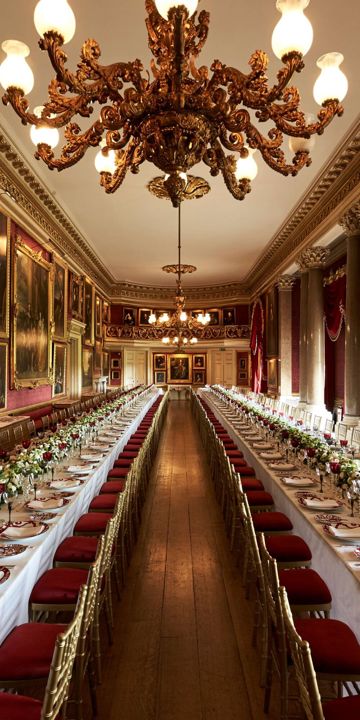


A destination for all seasons
We're well known for our iconic motorsport and horseracing events. But there's a lot more happening at Goodwood...
-
Goodwood House
-
Memberships
-
Goodwood Road Racing Club
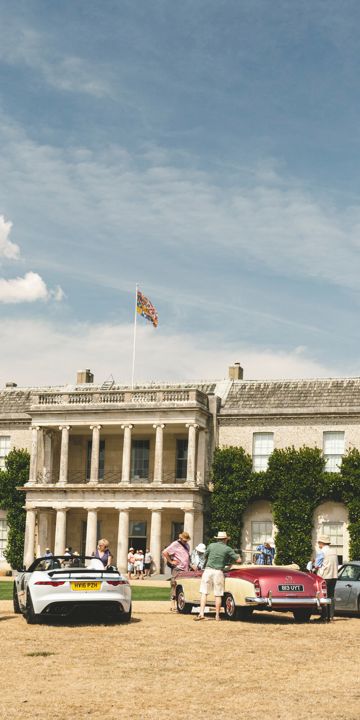
When was the GRRC founded?
Established in 1998 by the Duke of Richmond, the Goodwood Road Racing Club offers exclusive benefits across the estate year-round -
Goodwood Horseracing Club
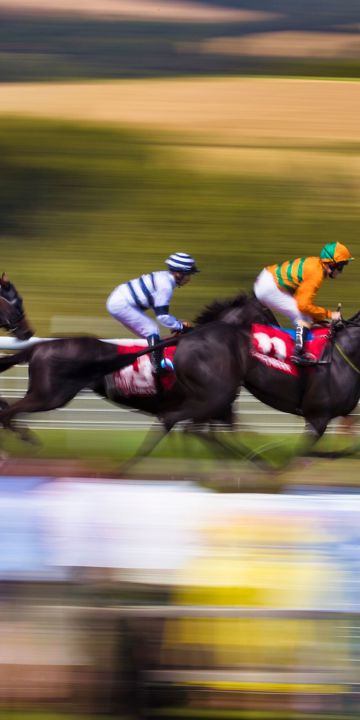
Royal approval
King Edward VII (who came almost every year) famously dubbed Glorious Goodwood “a garden party with racing tacked on”.
-
Golf At Goodwood
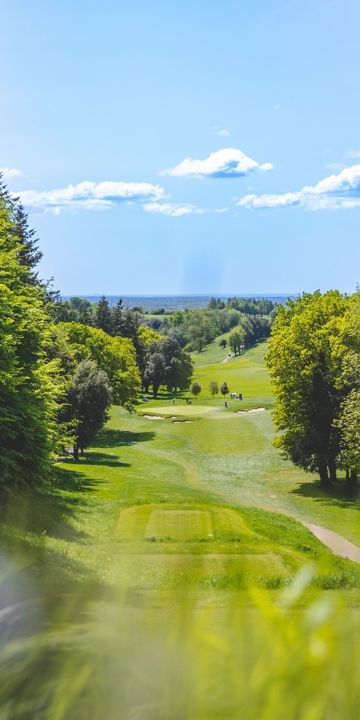
Over 100 years of Golf
The first ever round of golf played at Goodwood was in 1914 when the 6th Duke of Richmond opened the course on the Downs above Goodwood House.
-
Goodwood Aero Club

Flying Elephant
The first thing ever dropped at Goodwood was a cuddly elephant which landed in 1932 just as the 9th Duke of Richmonds passion for flying was taking off.
-
Goodwood Health Club
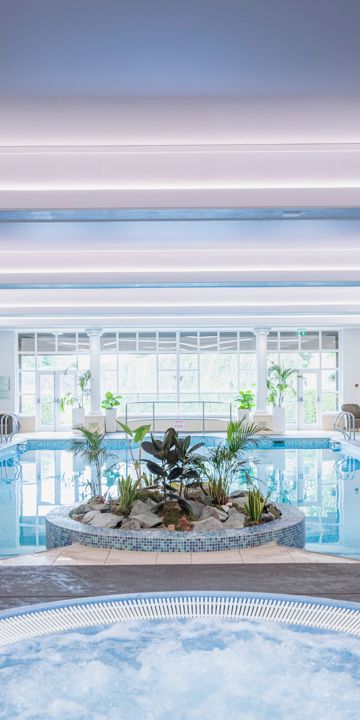
Goodwood's first Health Summit...
...took place in 2023 with industry experts discussing nutrition costs and food systems for a healthier future. -
The Kennels


An exclusive clubhouse
As the private clubhouse for all of the Estate’s sporting and social members, it offers personal service and a relaxed atmosphere
-
Sporting Membership

Grogger
Easy boy! The charismatic Farnham Flyer loved to celebrate every win with a pint of beer. His Boxer dog, Grogger, did too and had a tendancy to steal sips straight from the glass.
-
Goodwood Racehorse Owners Group
-
Goodwood Art Foundation
-
Goodwood Road Racing Club
- Classic Car Insurance
- Health & Wellbeing
- Buy Merchandise
-
Our Estate
-
What's on
-
Estate Map
During the war...
The Motor Circuit was known as RAF Westhampnett, active from 1940 to 1946 as a Battle of Britain station. -
Stories from the Estate

Egyptian Dining Room
Testament to the 19th-century fascination with ancient Egypt and decorative opulence. The room is richly detailed with gilded cartouches, sphinxes, birds and crocodiles.
-
Sports
-
Goodwood Education Trust
Egyptian Dining Room
Testament to the 19th-century fascination with ancient Egypt and decorative opulence. The room is richly detailed with gilded cartouches, sphinxes, birds and crocodiles.
-
Charities
Grogger
Easy boy! The charismatic Farnham Flyer loved to celebrate every win with a pint of beer. His Boxer dog, Grogger, did too and had a tendancy to steal sips straight from the glass.
-
Sustainability
Grogger
Easy boy! The charismatic Farnham Flyer loved to celebrate every win with a pint of beer. His Boxer dog, Grogger, did too and had a tendancy to steal sips straight from the glass.
-
Diversity, Equity & inclusion
-
Property
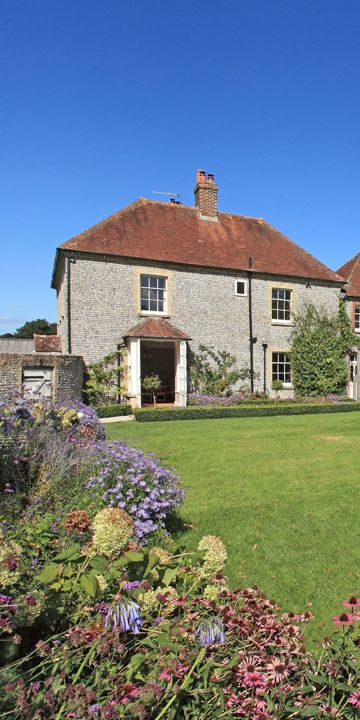
Lucky Leap
Inspired by the legendary racer, Masten Gregory, who famously leapt from the cockpit of his car before impact when approaching Woodcote Corner in 1959.
-
Walking Guide

Battle of Britain
Flying training began at Goodwood in 1940 when pilots were taught operational flying techniques in Hurricanes and Spitfires.
-
Dog Walking Field
-
Careers
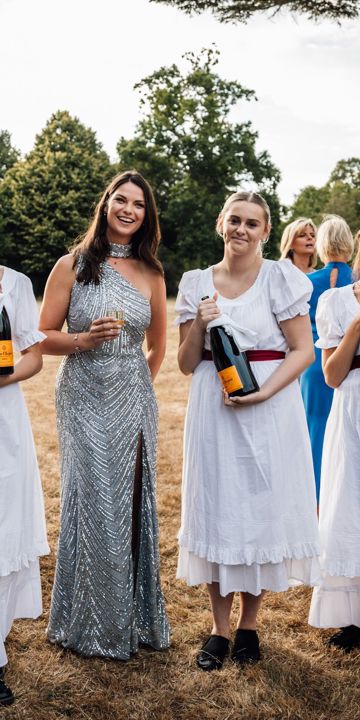
Egyptian Dining Room
Testament to the 19th-century fascination with ancient Egypt and decorative opulence. The room is richly detailed with gilded cartouches, sphinxes, birds and crocodiles.
-
Goodwood Art Foundation
-
Farm Shop
-
What's on
- Father's Day



Memory Lane
Fifty years have passed since the Beatles released Abbey Road , yet fans still flock to that fabled north London zebra crossing to recreate the album’s cover – which became the focus of a bizarre conspiracy theory
Words by Will Hodgkinson
goodwood news
goodwood magazine
estate newsletter
revival
goodwood revival
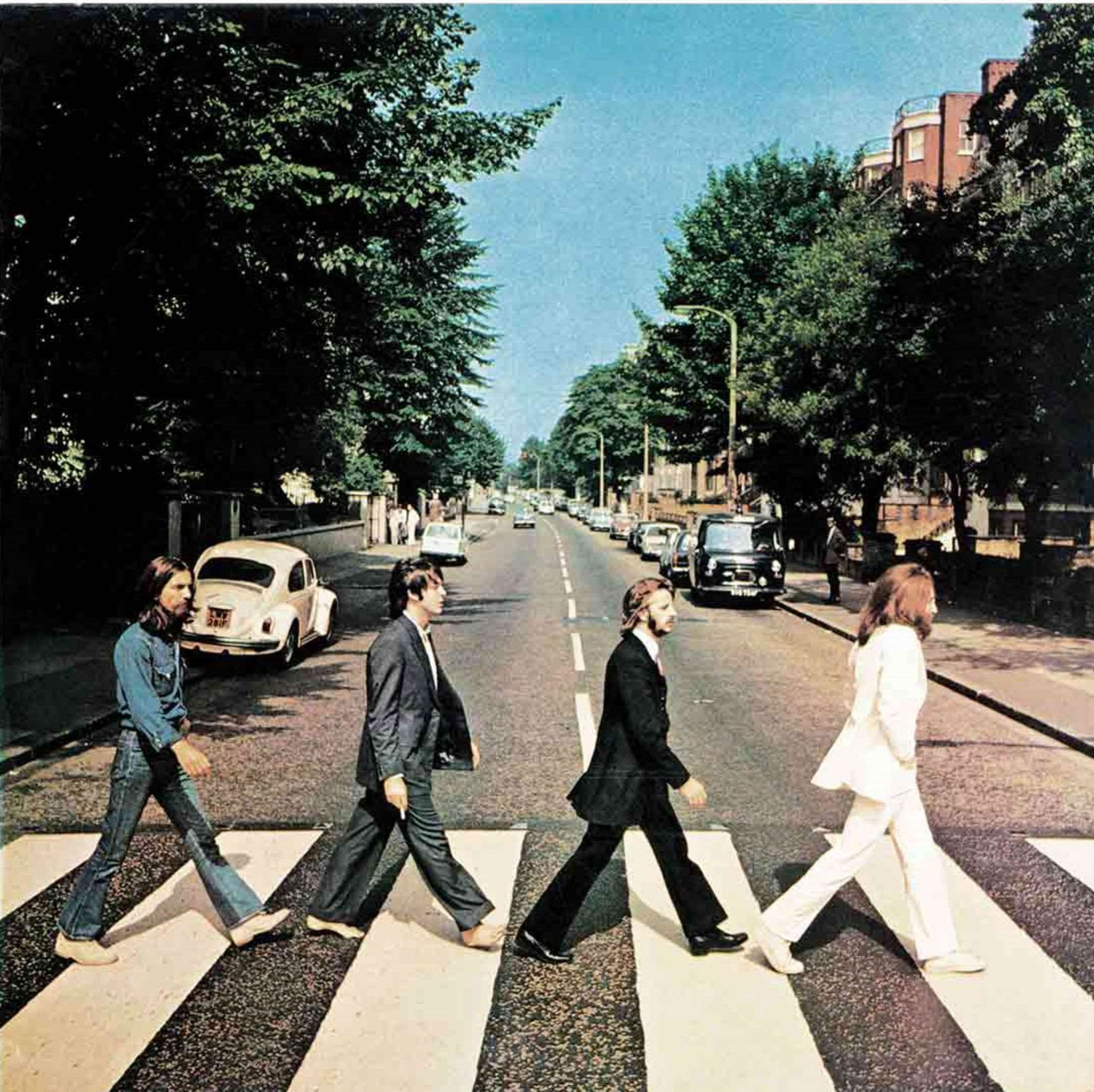
It is a cover image so iconic, you can visit the zebra crossing outside Abbey Road Studios in St John’s Wood at any time and you’ll be sure to find four tourists irritating drivers by recreating it. Abbey Road was once just a dull residential street in an upscale part of Northwest London. Now it is forever associated with The Beatles’ penultimate album, recorded after Let It Be but released before it… although it very nearly wasn’t the case.
The original title for Abbey Road was “Everest”, named after sound engineer Geoff Emerick’s brand of cigarettes. There were plans to shoot the band at the foot of Mount Everest, but no one could be bothered to travel to Nepal so Paul McCartney sketched up a concept that involved shooting them outside their regular studio instead. John Kosh, the art director of their record label, Apple, had the idea of featuring The Beatles without album title or band name. By 1969, he said, everyone knew what they looked like. And so, at 11.35am on August 8, photographer Iain Macmillan was given 10 minutes to complete the shoot.
He stood on a stepladder while police held up the traffic.
Perhaps the image would not have been so universally, instantly impactful had it not been fuel for the “Paul Is Dead” conspiracy theory bouncing around American college campuses at the time. McCartney (or rather, his double) holding a cigarette in his right hand when he was left-handed and being barefoot, Lennon dressed in white and therefore leading a funeral procession, and the number plate of a VW Beetle – 28IF – supposedly McCartney’s age if he were alive (even though he was actually 27), were all taken as signs of McCartney’s death.
Paul died in a car crash in 1966, the theory claimed, and the Abbey Road cover featured a lookalike. In fact, McCartney had been out of view because The Beatles were splitting up, he was estranged from his bandmates, and he was trying to recover some semblance of normality with his young family on a farm in Scotland. So fervent was Beatles obsession in 1969, however, that every aspect of Abbey Road ’s cover was mined for symbolism.
Why does it work? Perhaps it’s the juxtaposition of the four most remarkable young men in the world crossing an unremarkable road on a sunny day in London. Most of all though, it’s the simplicity of the photograph, which has been copied by everyone from Booker T. & the M.G.’s to The Red Hot Chili Peppers to an unending stream of tourists. The music’s pretty good too.
This article was taken from the Autumn 2019 edition of the Goodwood Magazine.
goodwood news
goodwood magazine
estate newsletter
revival
goodwood revival