The 10 best Italian supercars
Italy is inarguably the home of the supercar. The Lamborghini Miura is generally accepted to be the first of the genre, and the Sant' Agata factory has been making a succession of dramatic mid-engined cars ever since. Of course, you can't talk supercars without mentioning Ferrari, which appears numerous times in the list, and there's a bit of space for others marques, too. We attempt to narrow Italy's supercar output to a top ten...
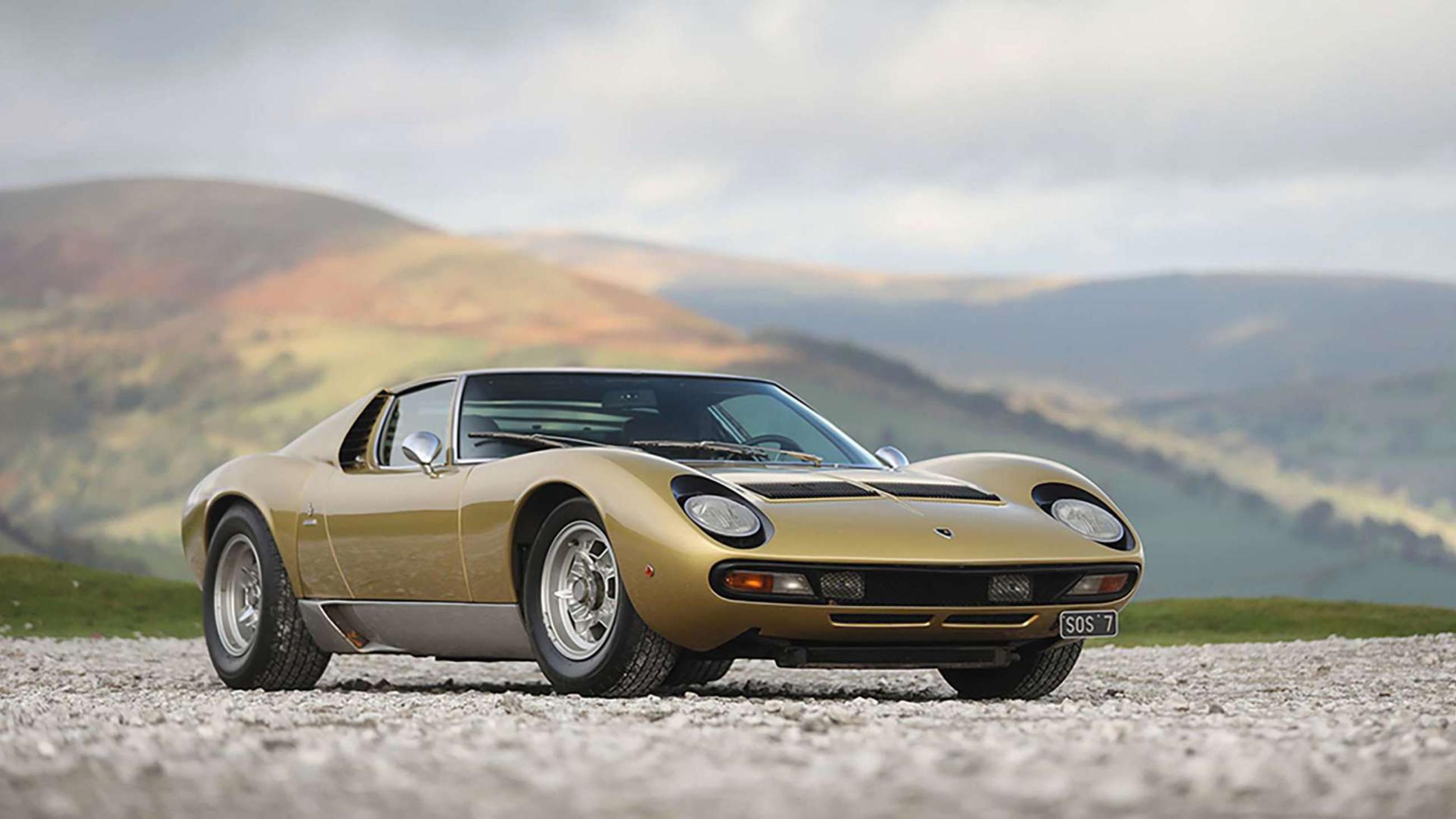
Lamborghini Miura P400 SV
The Lamborghini was the first proper mid-engined supercar. It's the product of some hopped-up engineers moonlighting – that’s right, the Miura started life as an intra-staff passion project rather than a directive from up top. Yet this pipedream racer-for-the-road effectively set the precedent for range-topping Lamborghinis: fast, V12, mid-engined and beautiful.
It was released in 1967 and must have looked outrageous then. It still does today. In 1971, Lamborghini introduced the SV ('Sprinto Veloce') and these ultimate editions are the most sought-after today. Power was up to 390PS (287kW), the rear suspension was improved and the chassis stiffened. Spotters can tell an SV thanks to the absence of 'eyelashes' up front and wider wheelarches at the back.
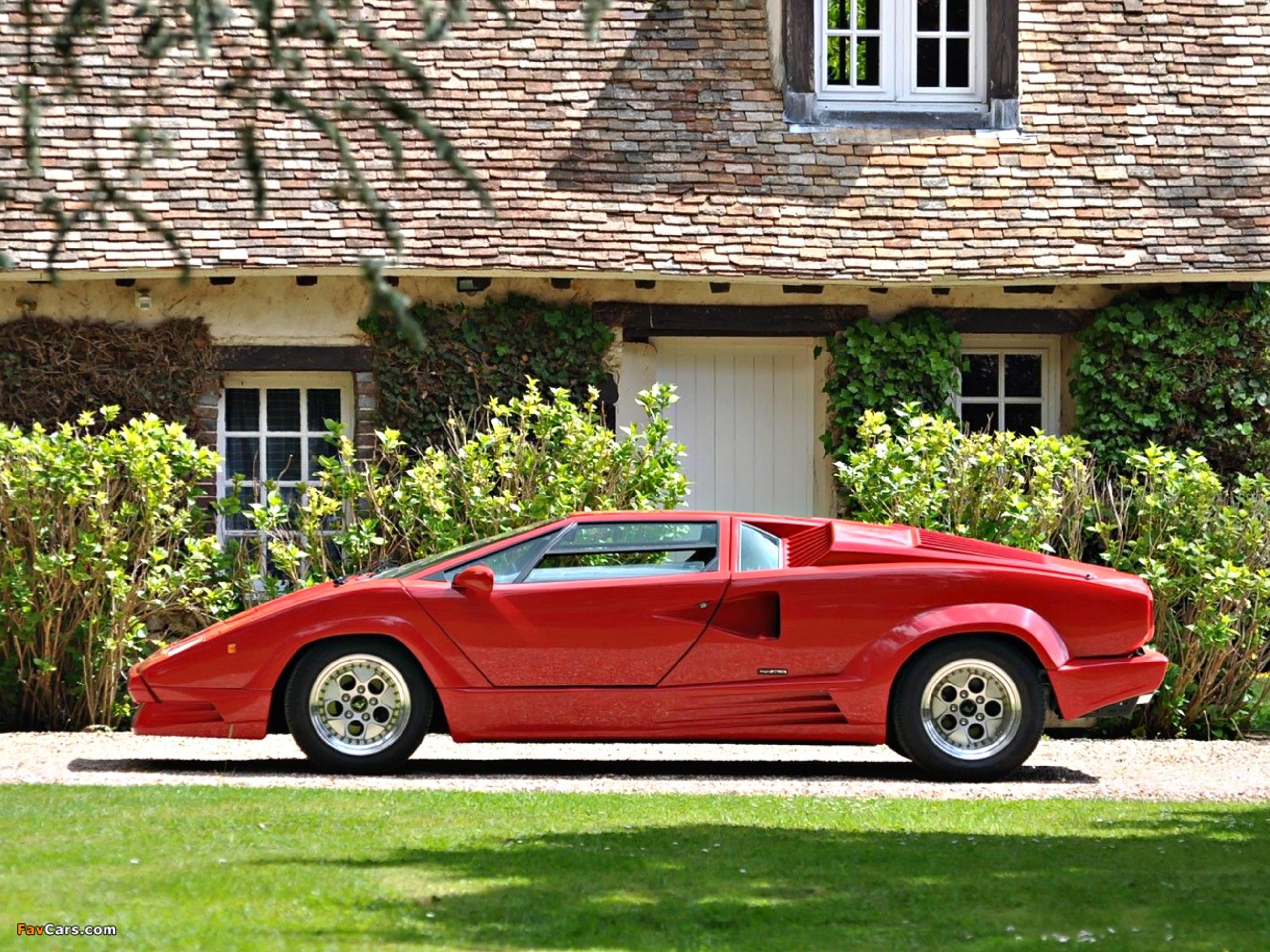
Lamborghini Countach 25th Anniversary Edition
We're courting controversy here by choosing the 25th Anniversary Edition of the Lamborghini Countach over the purity of the Gandini-penned original. However, the Countach is all about drama with its angular wedge shape and scissor doors, and the oh-so-1980s slats and vents of the 25th Anniversary Edition play into that. Besides, those editions were penned by Horacio Pagani who went on to found his eponymous supercar company, so it's not as though they're without credibility.
Like the Miura that came before it, the immortal wedge was flawed. But with those looks and the advancing musculature of the Bizzarrini V12, it’s so difficult to not love the pain. And in 25th Anniversary Edition trim, it was the fastest of the Countach variants. Objectively one of the best Italian supercars? Not even close. But that's to miss the point.
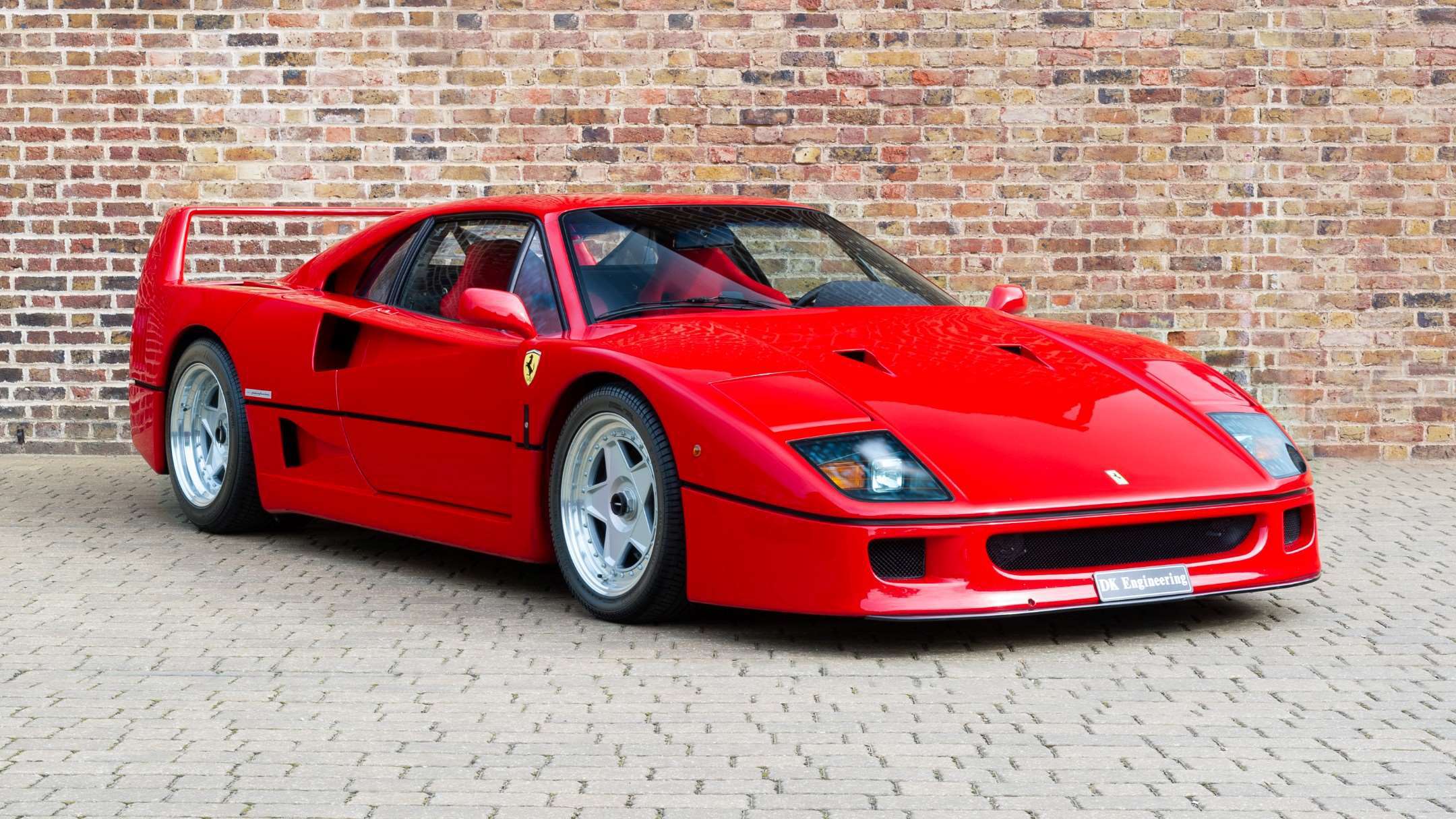
Ferrari F40
Supercars got serious with the Ferrari F40. All of a sudden we could top 200mph, 0-62mph in under 4 seconds in the right conditions and blow the doors off just about anything on the road or on track. The F40 wasn't a classic beauty but lord was it purposeful, with an attitude to boot. The 2.9-litre twin-turbo V8 was conservatively rated at around 478PS (352kW), though most left the factory with more than 500PS. Power delivery was unpredictable, too, given the turbolag that was typical of the era. To top it all off, the Jekyll and Hyde supercar was also the last to get the nod from Enzo himself. For many, it's the definitive poster car – and rightly so.
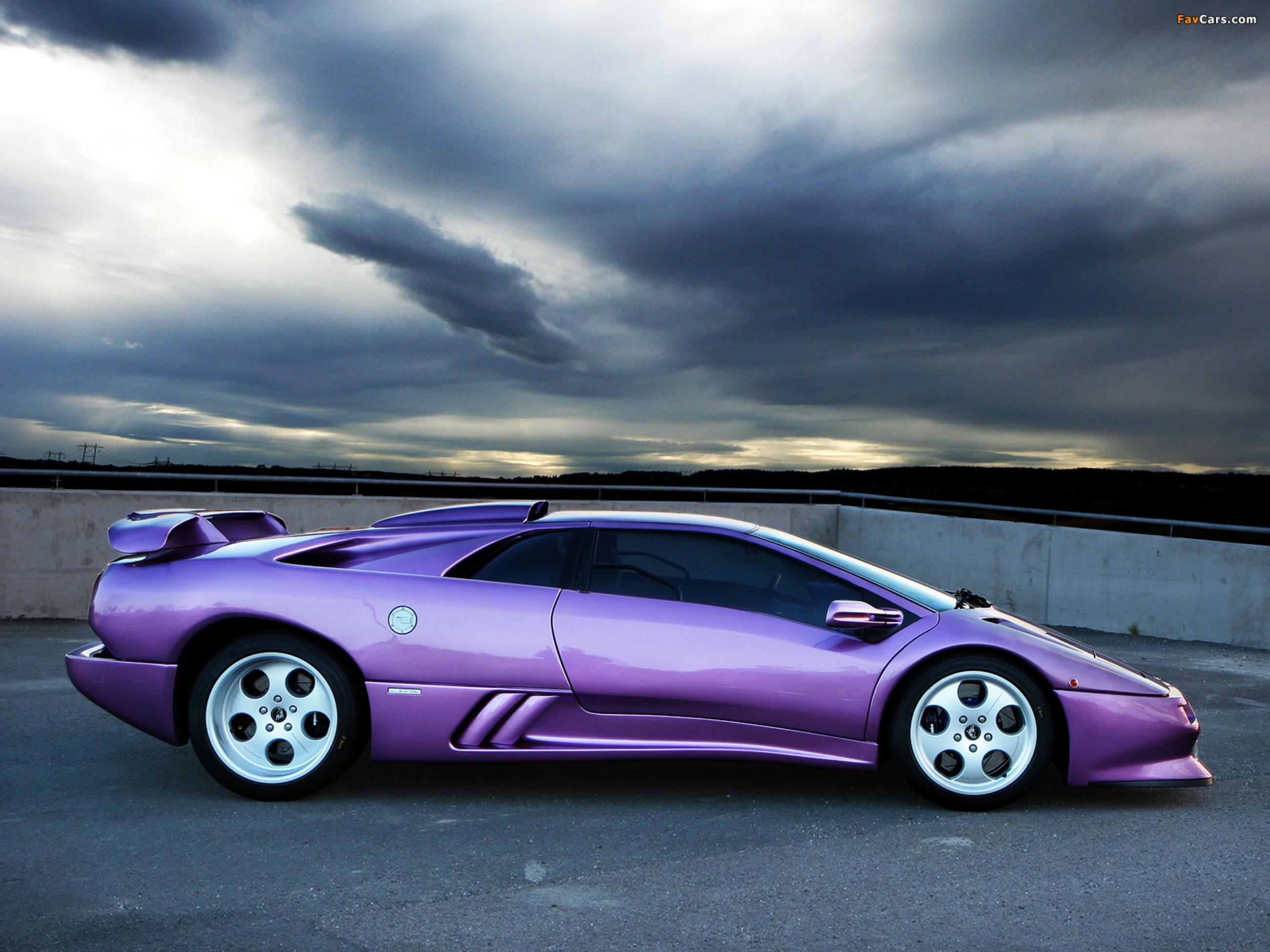
Lamborghini Diablo SE30 Jota
This a special edition of a special edition; the Diablo SE30 was introduced to celebrate Lamborghini's 30th anniversary. As well as a visual nip and tuck and special colours, its 5.7-litre Bizzarrini V12 got an extra 40PS (29kW). Then along came the Jota upgrade pack. This made the Diablo suitable for track use at the price of road legality, making this one of the earliest track special supercars.
Power was now up to 603PS (443kW) with a ramp up in performance to match and, along with the other rear-wheel-drive Diablos, it was as good as it got dynamically. Of the 150 SE30s built, just 28 got the Jota upgrade. It's a rare version of a rarity.
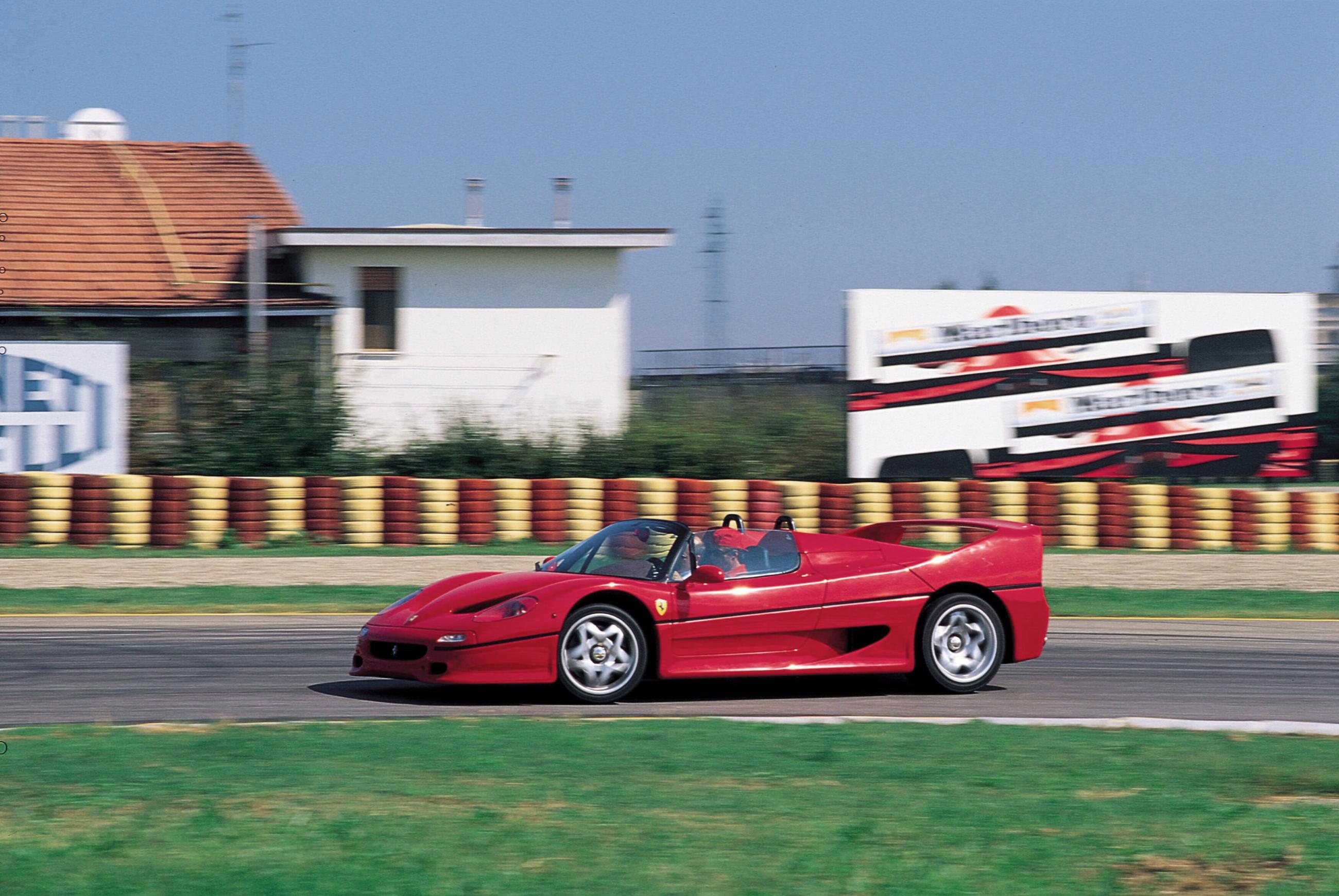
Ferrari F50
Many say the Ferrari F50 is one of the ugliest cars from Maranello’s back catalogue, but it's increasingly finding favour as the generation who had it on their bedroom walls reaches supercar-buying age. This was the opposite of a record-beater. It bested the McLaren F1 in exactly zero objective metrics, and yet, today these are worth over £2million. Why? An F1-derived 4.7-litre V12 with 519PS (382kW), manual gearbox, carbon tub and a structurally-stressed powertrain. This thing was as raw and extreme a Ferrari experience as you could get. Not exactly a 641 for the road as they might have had you believe, but it’s got a special sauce, that you’ll find nowhere else.
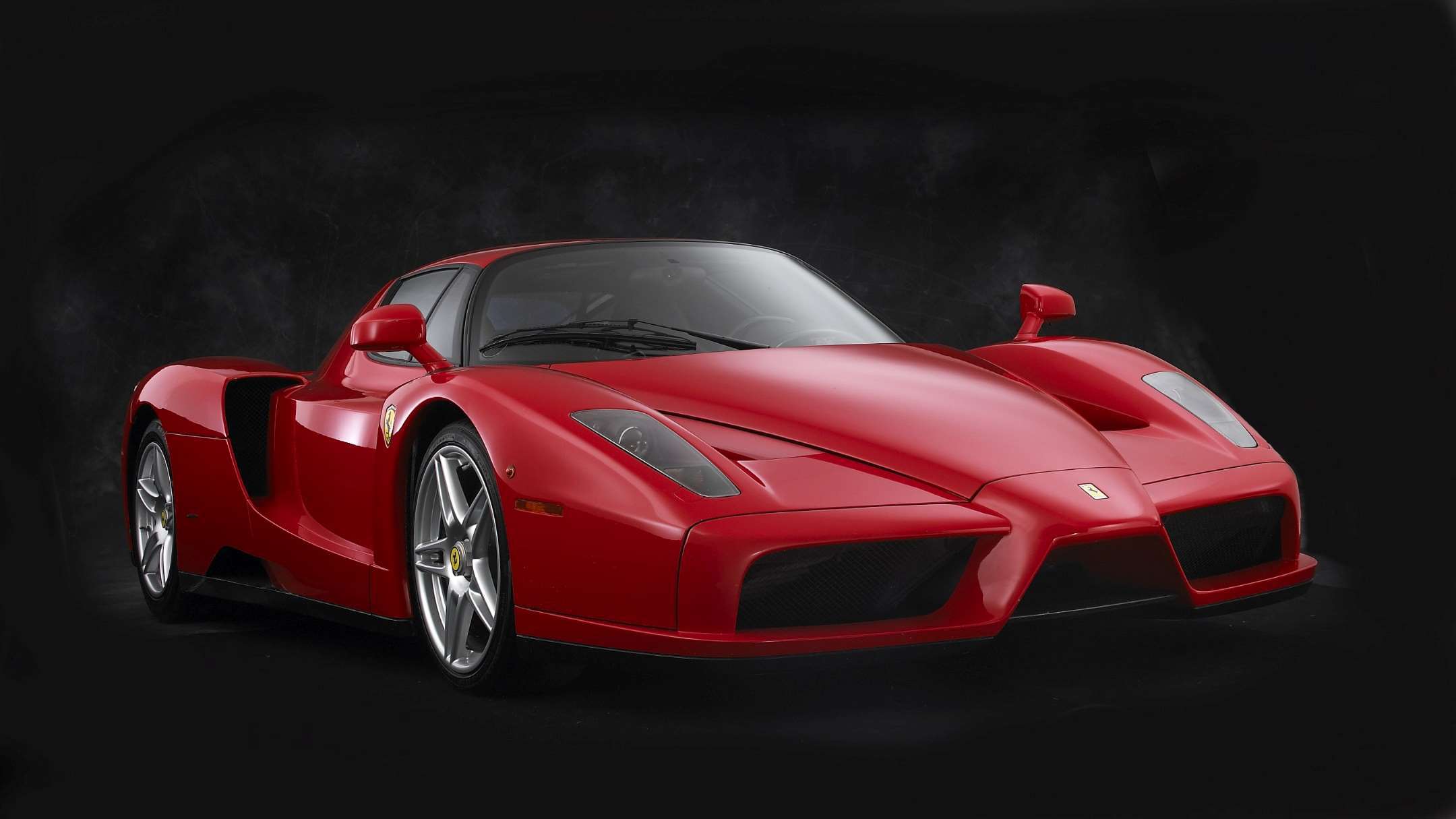
Ferrari Enzo
The Enzo was Ferrari's first hypercar of the 21st century, following a lineage that started with the 288 GTO and continued with the F40 and F50. The name may have jarred a first, but in those days we didn't know the even more strangely named Ferrari LaFerrari was to come.
The purposeful styling has matured well over the decades but it’s still quite extreme. Happily, so was its performance, sporting the first outing for the incredible Tipo F140 V12, the Enzo had 660PS (485kW) putting power to the rear wheels via an F1-style paddle-shift transmission. This thing was the untouchable supercar king for a few years.
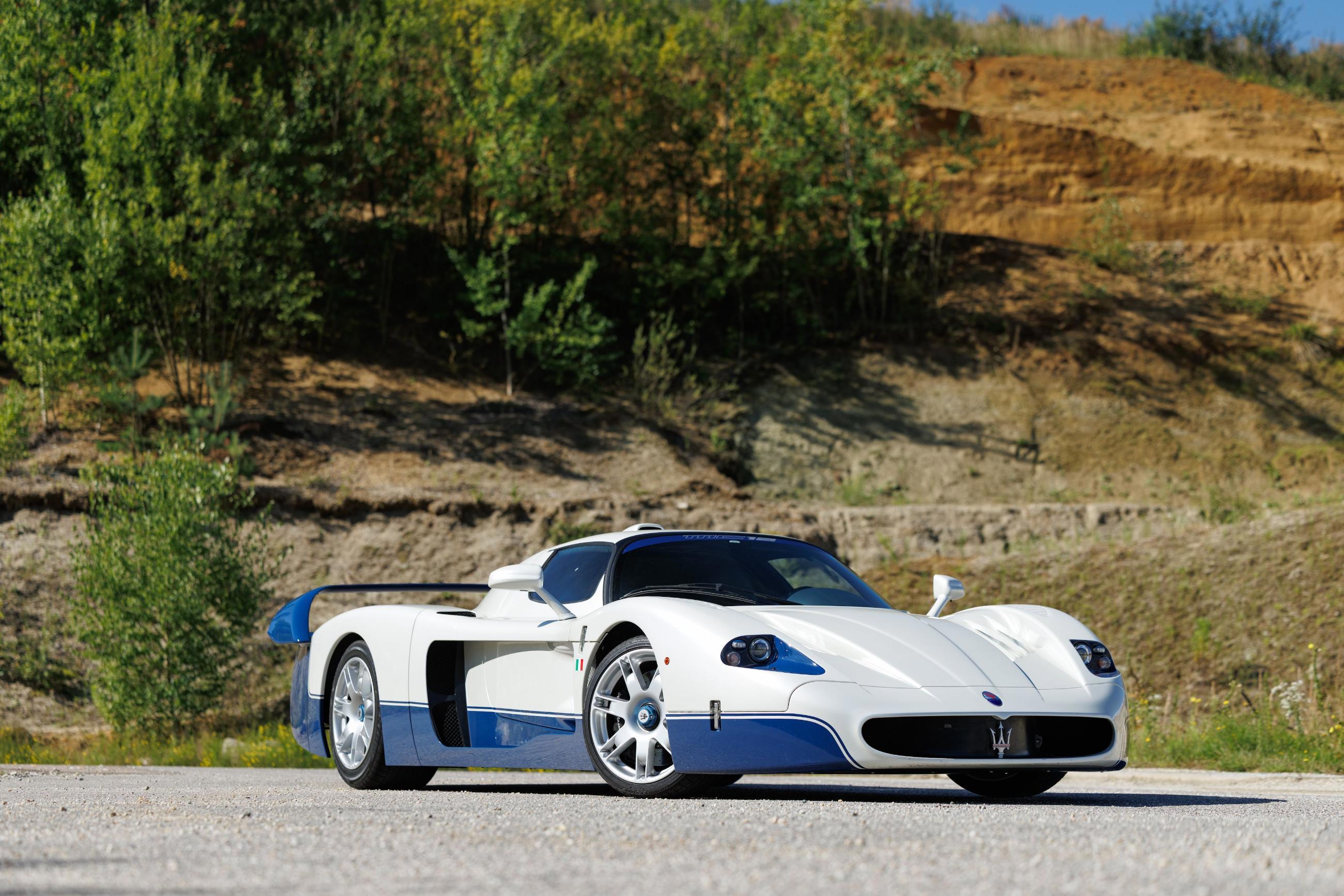
Maserati MC12
You thought the Enzo was done? Well, it was, but Maserati extracted the racing potential from that platform. A couple of GT Championships for the trident’s trophy cabinet, some much-needed kudos and a homologation special for the books secured legend status for the Maserati MC12. It’s rare, too, with just 50 made for the road each finished in the same white and blue livery that called back to Maserati's heritage.
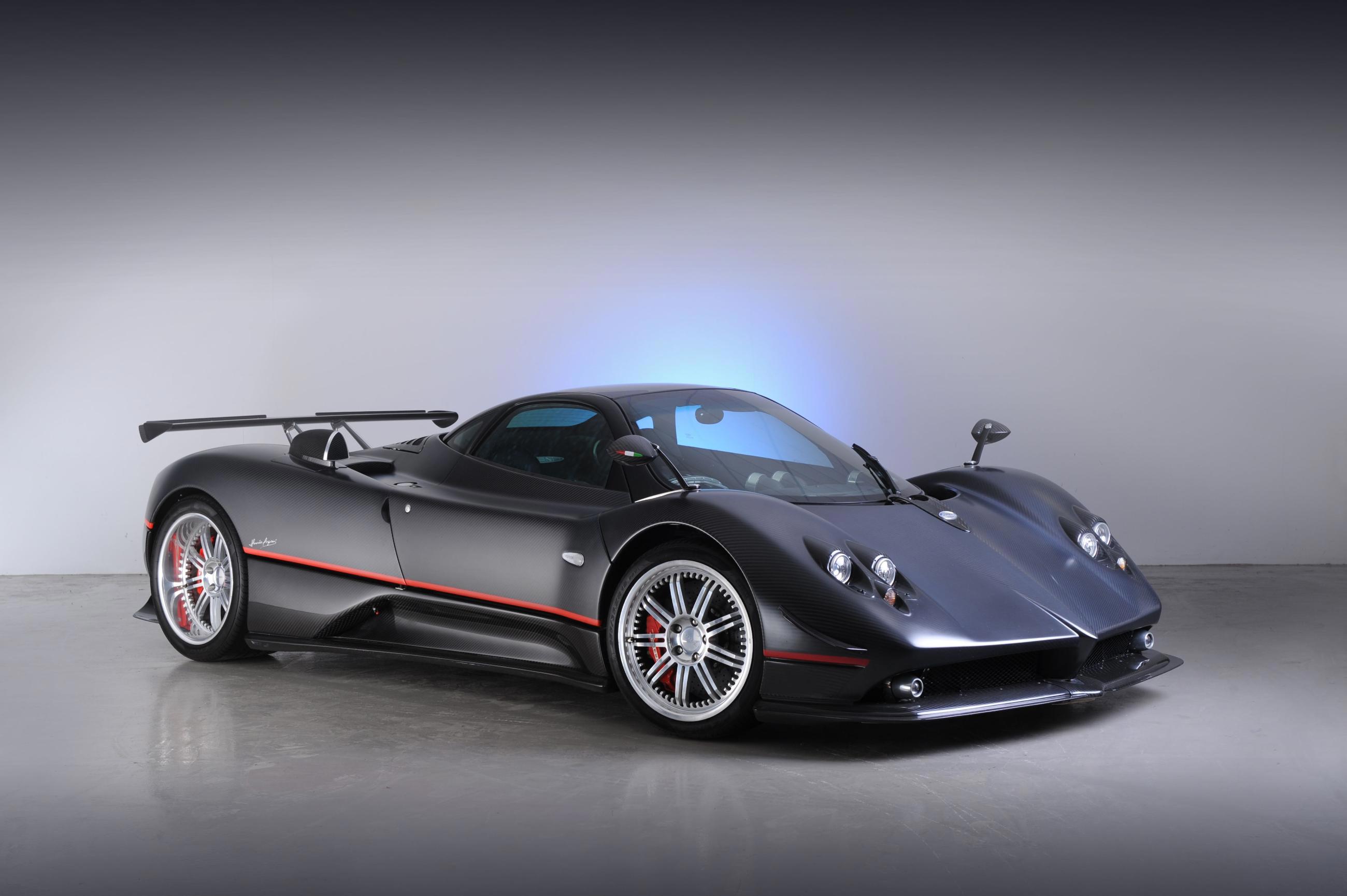
Pagani Zonda Tricolore
The late 1990s were a touch baron for the Italian supercar sphere. Ferrari’s 360 was a soft landing off the back of the 355 and Lamborghini was desperately polishing up the Diablo while its replacement was readied. And then everyone was blown away by a new marque. Pagani, based in a small Modenese industrial estate, redefined extreme design, outstanding performance and delightful driving dynamics with the Zonda. And there have been several iterations of the car in the intervening years.
The Tricolore celebrated the 50th anniversary of Frecce Tricolore, the Italian Air Force's aerobatic team. Fittingly, three were built and to identical specifications. They share underpinnings with the Zonda Cinque and have the same colour scheme as the Frecce Tricolore Aermacchi MB-339 jets. There's a fin on the engine cover, too. While the Zonda Tricolore can't actually fly, it does have a 7.3-litre V12 with 679PS (499kW) so it's not slow.
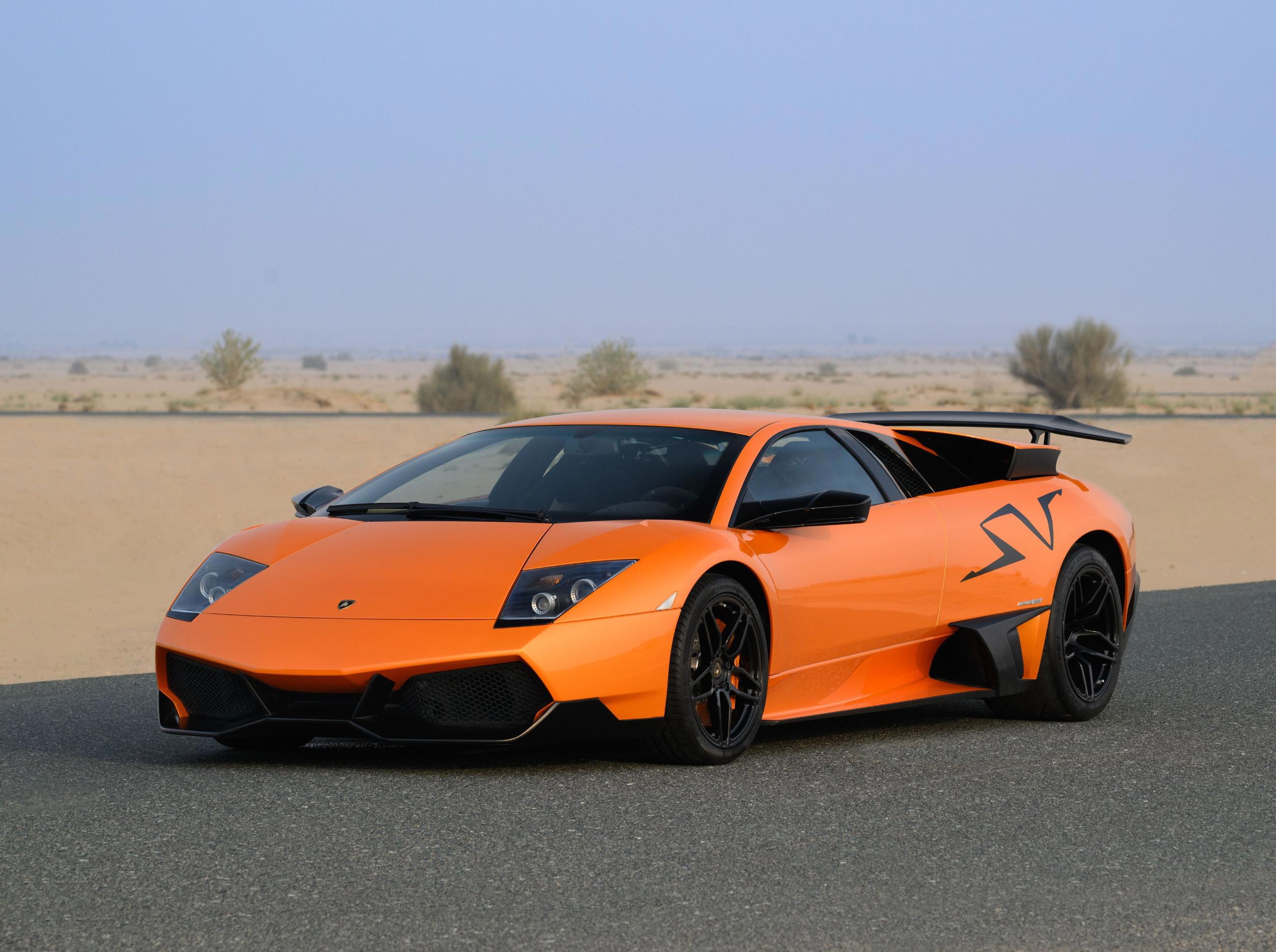
Lamborghini Murcielago LP670-4 Superveloce
Remember when we feared Audi's influence would sanitise Lamborghini? When the Murcielago first arrived in 2001, there was a feeling things had turned a little clinical. We needn't have worried, because whatever is in the water at Sant' Agata is clearly still there, and the LP670-4 Superveloce is evidence of that.
The Superveloce went on a weight-loss programme that shed 100kg, while power from the 6.5-litre V12 was increased to 670PS (492kW). That was enough to propel the car to 60mph from rest in 3.2 seconds and on to 213mph. No questioning its supercar credentials from a performance perspective, then, while that Lamborghini trait of OTT aesthetics remained intact, too.
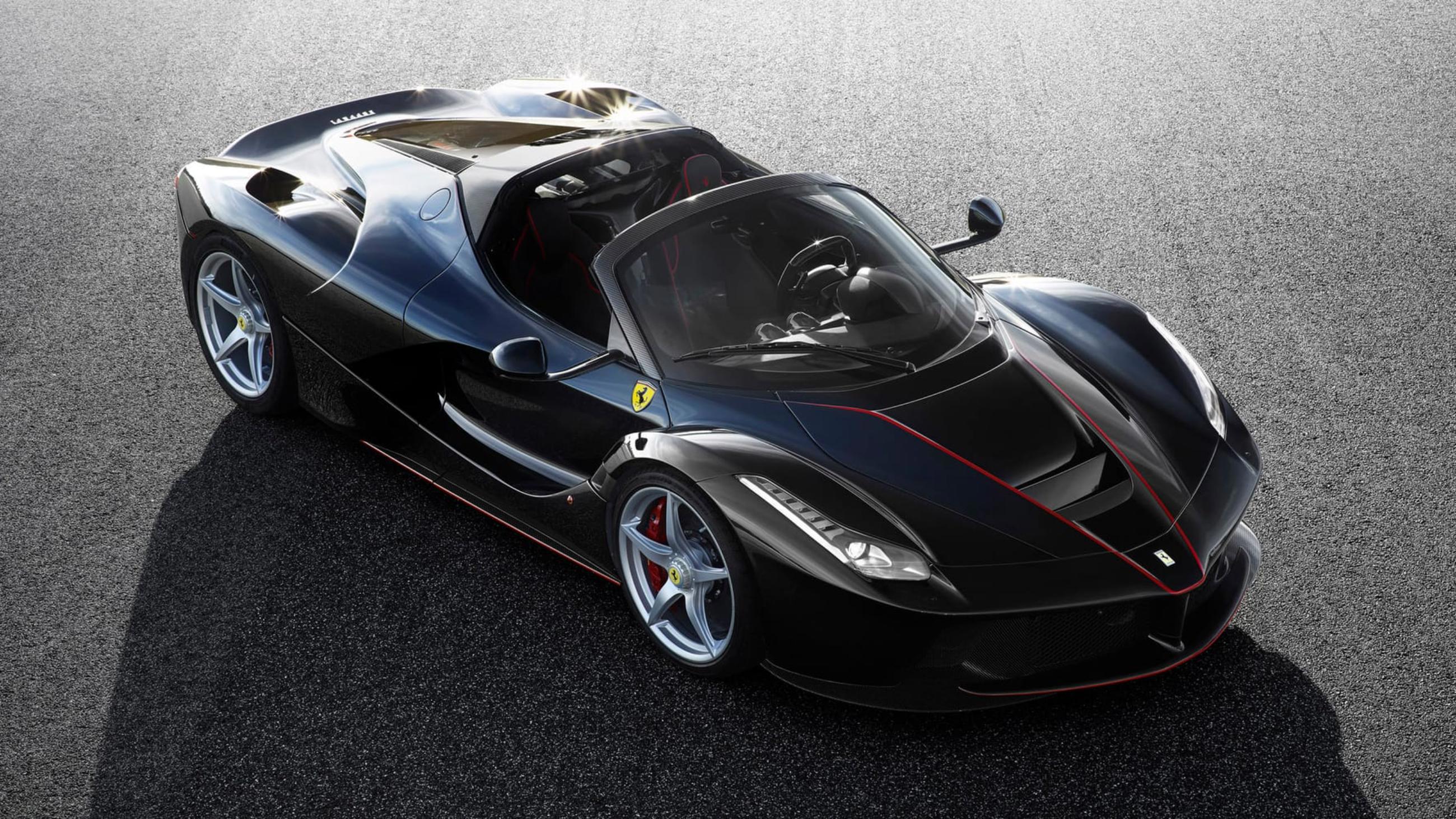
Ferrari LaFerrari Apera
The Ferrari 'The Ferrari' arrived in 2013 as the successor to the Enzo. It followed the expected recipe with a naturally aspirated V12 mounted behind the occupants. It was a development of the Enzo's mill, but now with 963PS (708kW), good for 221mph. It would be the final V12 hypercar from Ferrari as we moved towards the hybrid age we're living in now.
The Aperta – or 'Open' when translated from Italian – version arrived in 2016. Ferrari had pre-sold the 200 run before showing it at the Paris Motor Show, and a further seven were built as part of the company's 70th anniversary celebrations. As the final V12 Ferrari hypercar, its place in history is guaranteed.
list
Lamborghini
Ferrari
Maserati
Pagani
De Tomaso
road
news