The 10 best American cars to buy in 2026
American cars have always sat slightly awkwardly in the European imagination. Too big, too brash, too obsessed with straight lines and cubic inches. Sometimes all of that is true, but when the US gets it right, it does so with a confidence and clarity that feels refreshingly unfiltered. In 2026, America still builds cars that lean into character rather than convention, and that’s precisely why the best remain so compelling. These are the ones that matter.
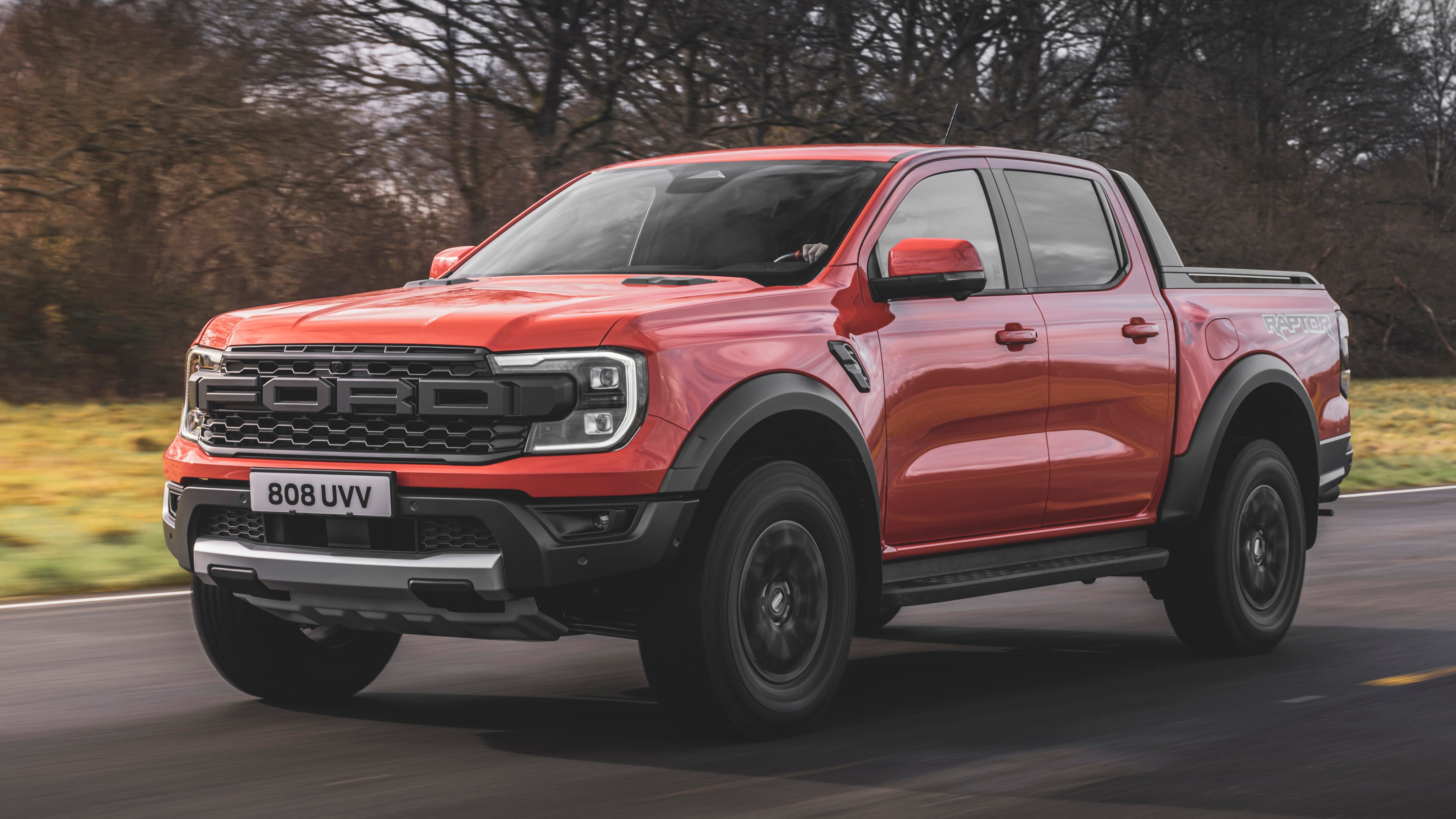
Ford Ranger Raptor
If you’re going to do a pick-up, you may as well do it properly. The Ranger Raptor doesn’t pretend to be subtle or apologetic, and that’s the point. With its pumped-up stance, giant tyres and suspension designed to pummel the landscape, it’s a truck that looks Dakar-ready parked outside a garden centre.
The switch to petrol V6 power only sharpens its sense of theatre. It sounds like a supercar trapped in a truck body and, in its own way, it is one — just one designed to rumble over any terrain you deem fit to stick in front of it.
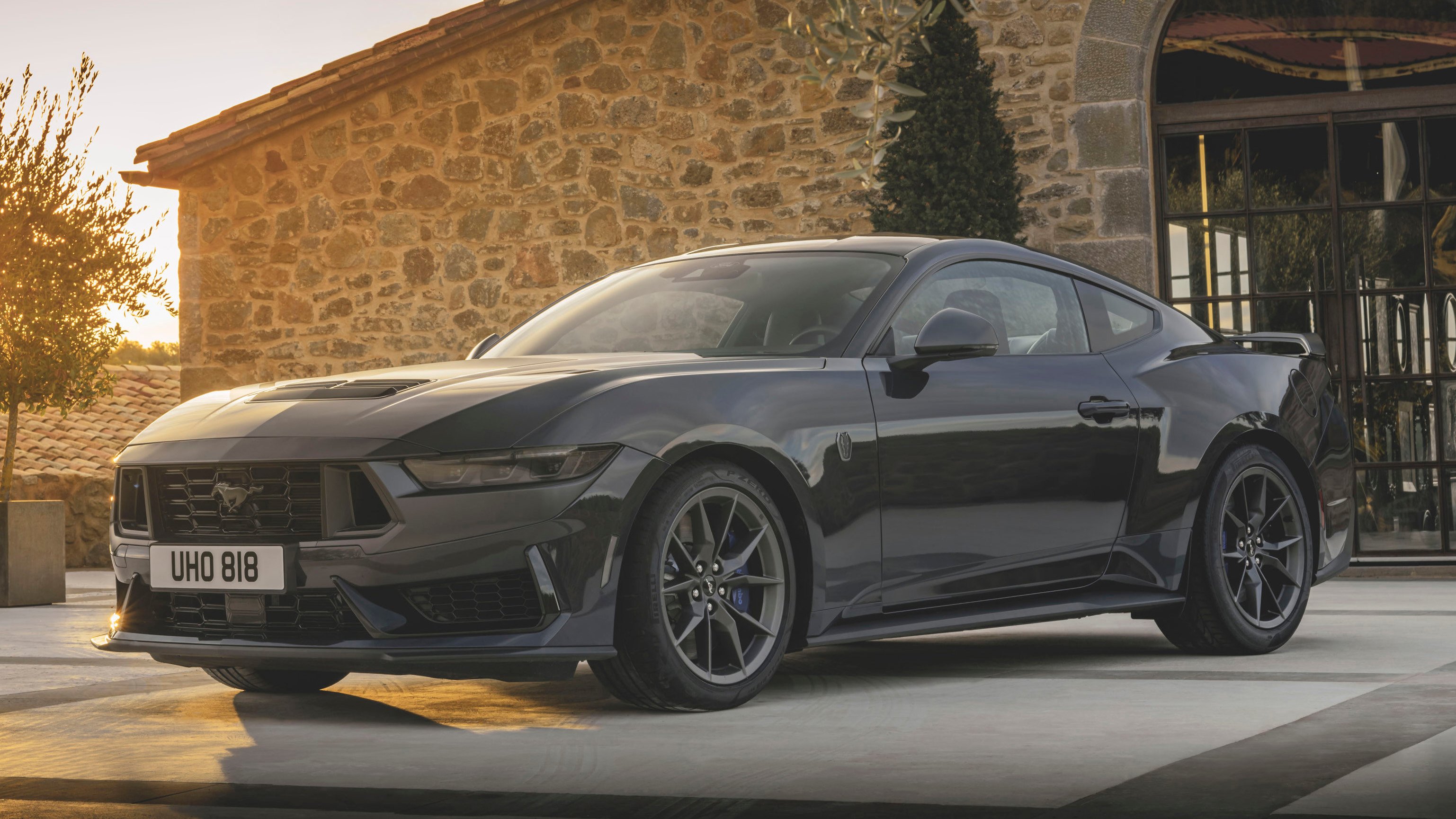
Ford Mustang Dark Horse
This is the Mustang as it should be: loud, muscular and gloriously unashamed of its V8 heart. The Dark Horse sits at the sharp end of the Mustang range, with a naturally aspirated 5.0-litre engine, a proper manual gearbox and a chassis that finally feels able to back up the badge.
It’s not trying to out-Porsche a 911 or chase Nürburgring records. Instead, it leans into the idea of accessible, big-capacity performance, and crucially, it’s officially on sale here in the UK. In a shrinking world of naturally aspirated engines, that alone makes it feel special.
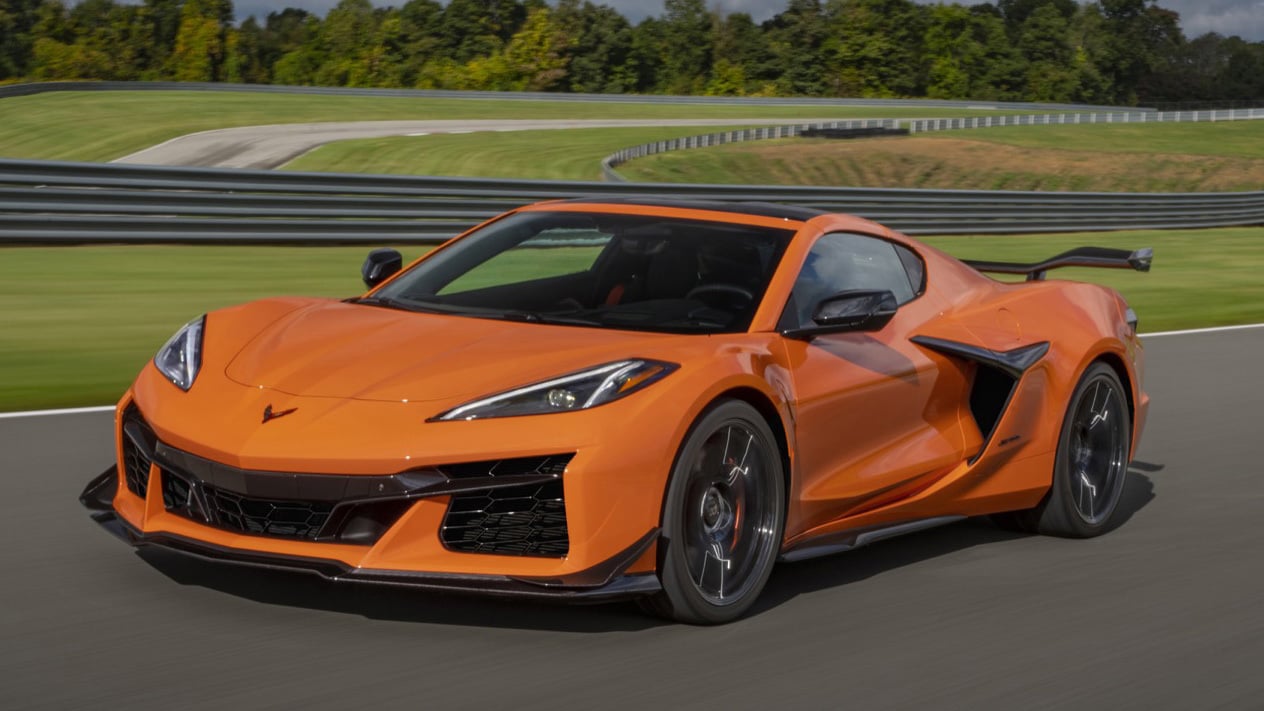
Chevrolet Corvette Z06
The Corvette has spent decades threatening to go full supercar; with the Z06, it finally has. It features a flat-plane-crank V8 mounted behind your head, a spine-tingling redline and styling that looks pleasingly exotic mark a clean break from Corvettes of old.
And yet, it remains unmistakably American in its attitude. There’s no false modesty here, just huge performance, huge noise and a price that makes European rivals look like food shopping at Harrods when you can have much the same from M&S. The fact it’s available in right-hand drive massively sweetens the deal.
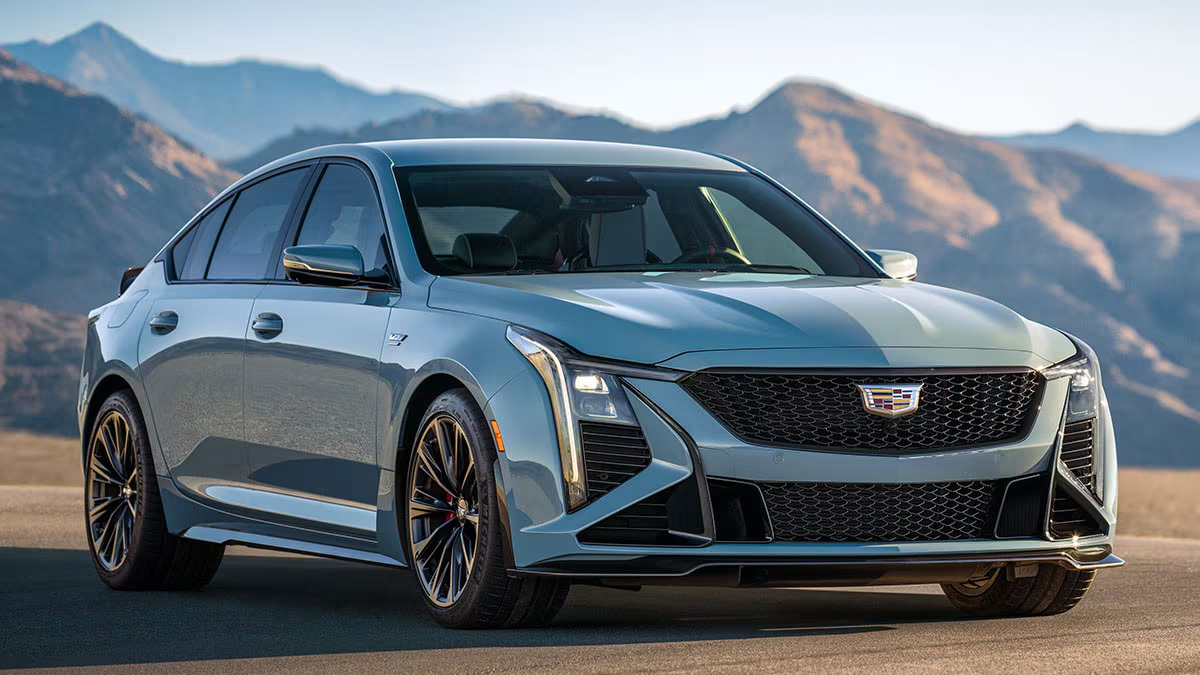
Cadillac CT5-V Blackwing
This is Cadillac throwing the rulebook out of the window and then setting fire to it. While everyone else downsizes, electrifies and sanitises, the CT5-V Blackwing turns up with a supercharged V8, rear-wheel drive and a manual gearbox that’s the automotive equivalent of putting a fist up to authority.
Wrapped in the body of a low-key executive saloon, it’s a glorious anachronism that’s fast, engaging and refreshingly analogue. Cars like this might not exist for much longer, which is exactly why it deserves to be celebrated while it still does.
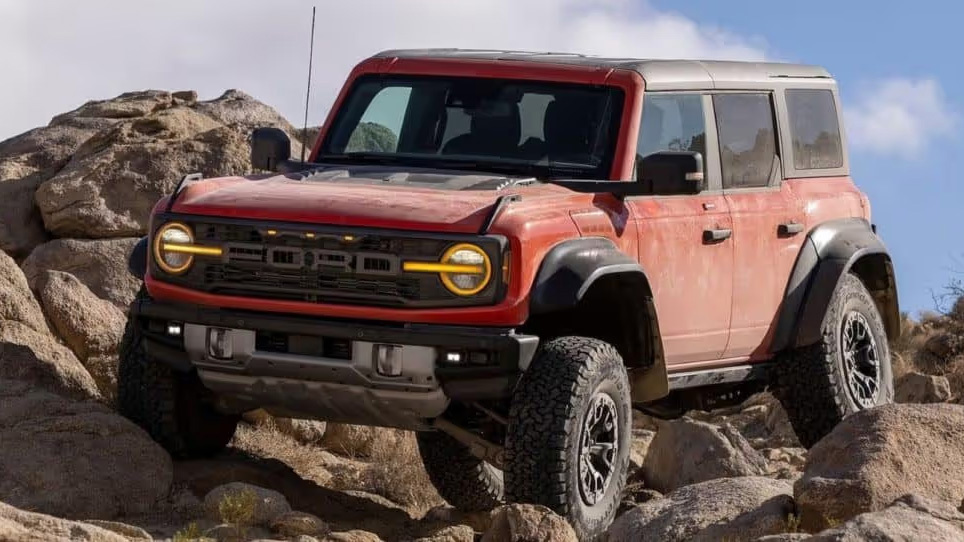
Ford Bronco Raptor
The Bronco’s return was always going to be about nostalgia, but the Raptor version takes things further. Wider, tougher and more aggressive, it feels like a heartfelt love letter to the idea of adventure rather than a fleeting lifestyle accessory.
It’s rugged without feeling crude, charismatic without leaning too hard on retro tropes and is genuinely capable off-road. That it isn’t officially sold here only adds to its allure — the Bronco Raptor remains one of America’s coolest exports, whether Europe gets it or not.
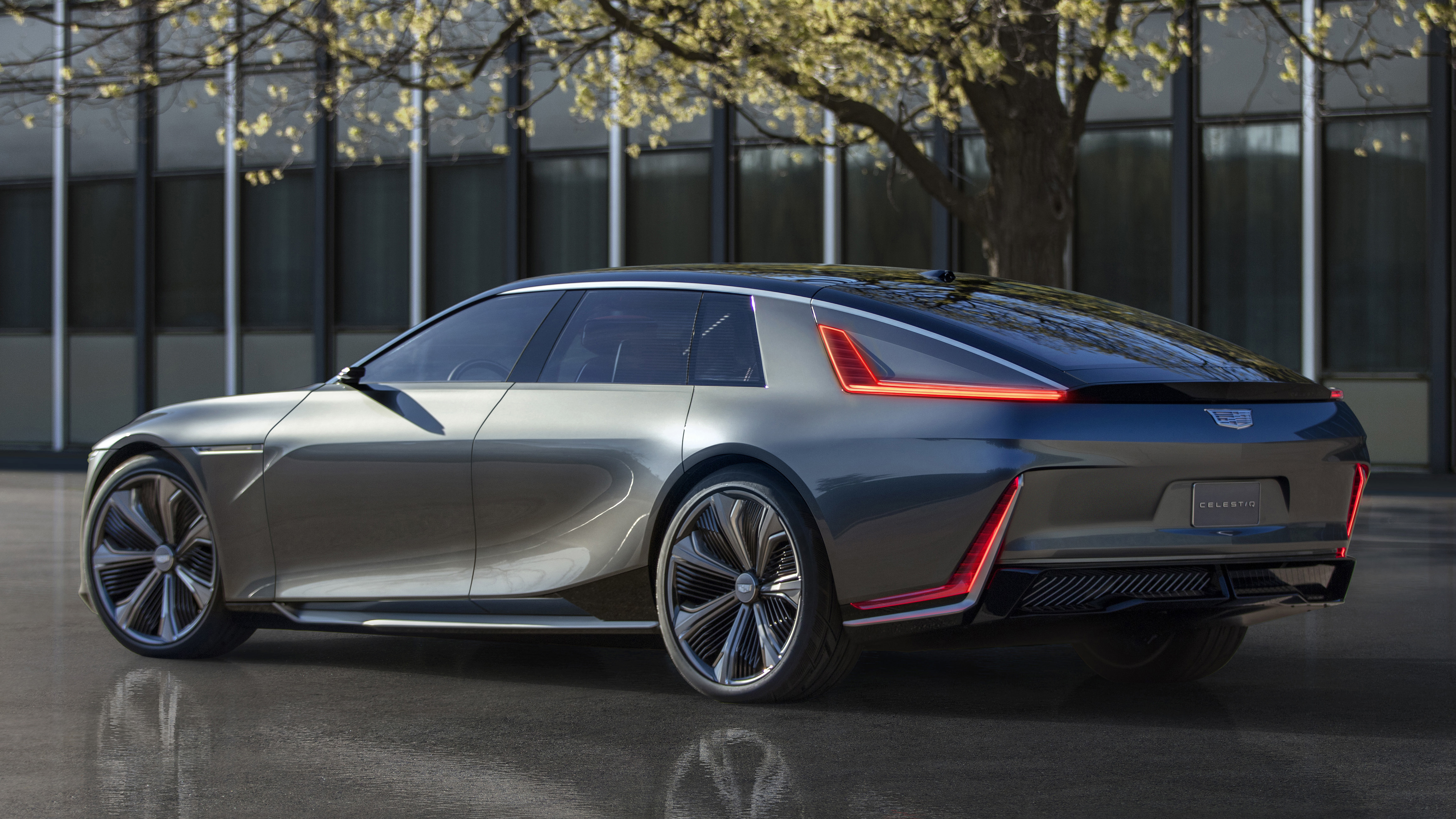
Cadillac Celestiq
At the other end of the scale sits the Celestiq, a car that exists purely because Cadillac decided it should. Hand-built, bespoke and unapologetically expensive, it’s an electric flagship that takes aim at Bentley and Rolls-Royce with a very different aesthetic.
The interior is a rolling tech showcase, the materials are chosen to order and the whole thing feels more like a statement of intent than a commercial enterprise. It’s America doing luxury its own way. Bold, slightly excessive and totally unconcerned with tradition, but without the unwithering luxury of a Rolls or a Bentley.
Jeep Wrangler
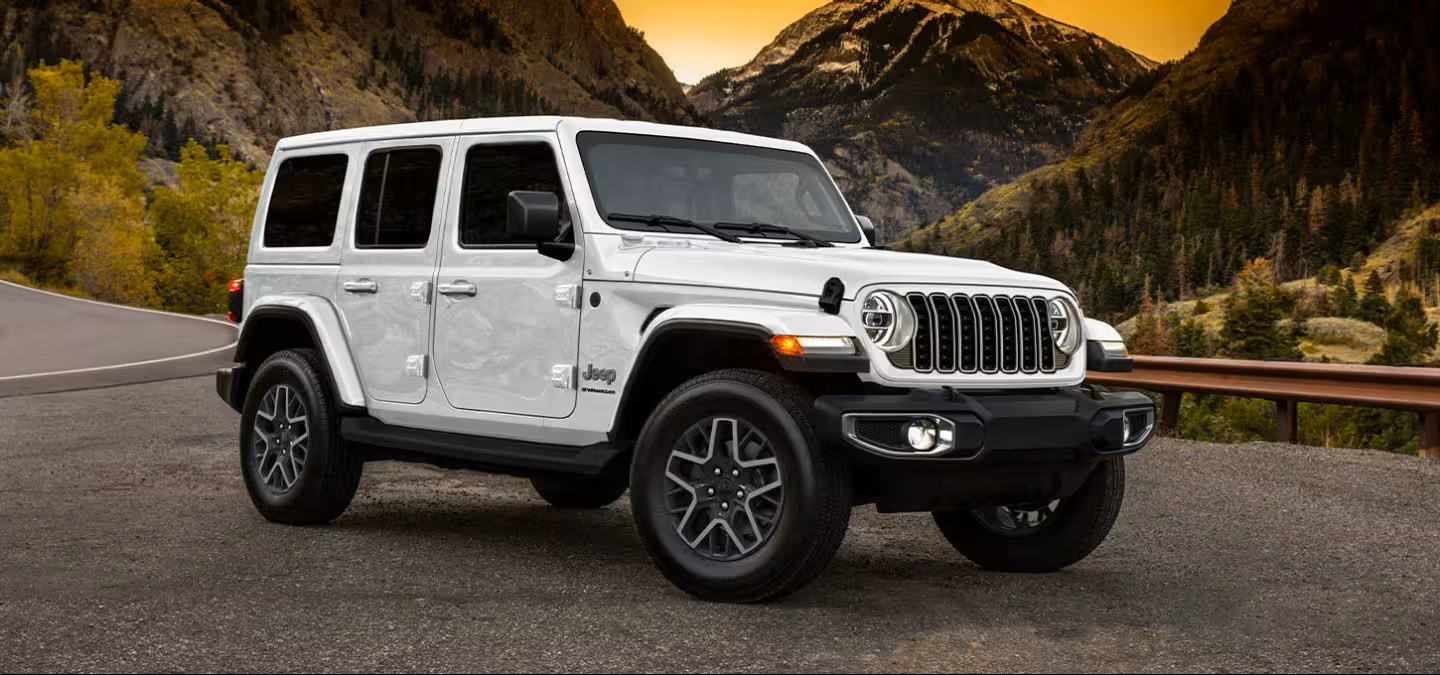
The Wrangler has never tried to be clever and it’s all the better for it. Its design still traces a straight line back to military hardware, and its appeal remains rooted in honesty and capability rather than polish. You can’t help but have a huge smile on your face when you’re driving it.
In the US, the V8-powered 392 Rubicon turns the madness dial up to eleven, but even in tamer European forms the Wrangler feels like a proper exploration tool. It’s a reminder that off-road ability doesn’t need to be dressed up as premium fluff.
Ford GT40 Superformance
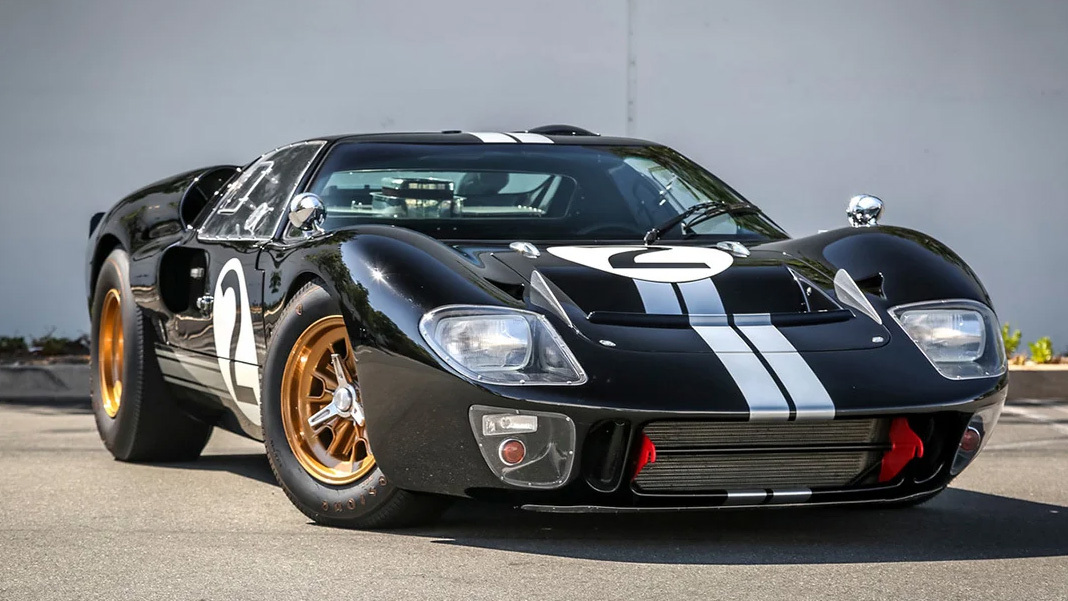
Few cars carry American motorsport mythology like the GT40. Superformance’s continuation models allow that story to live on, offering the shape, layout and drama of the original without the eye-watering values of the real thing.
It’s unapologetically old-school: mid-mounted V8, manual gearbox and minimal driver aids. In a world of hybrid hypercars and software-led performance, the GT40 Superformance feels refreshingly raw — a physical, mechanical experience clothed in one of the most iconic bodies in motorsport.
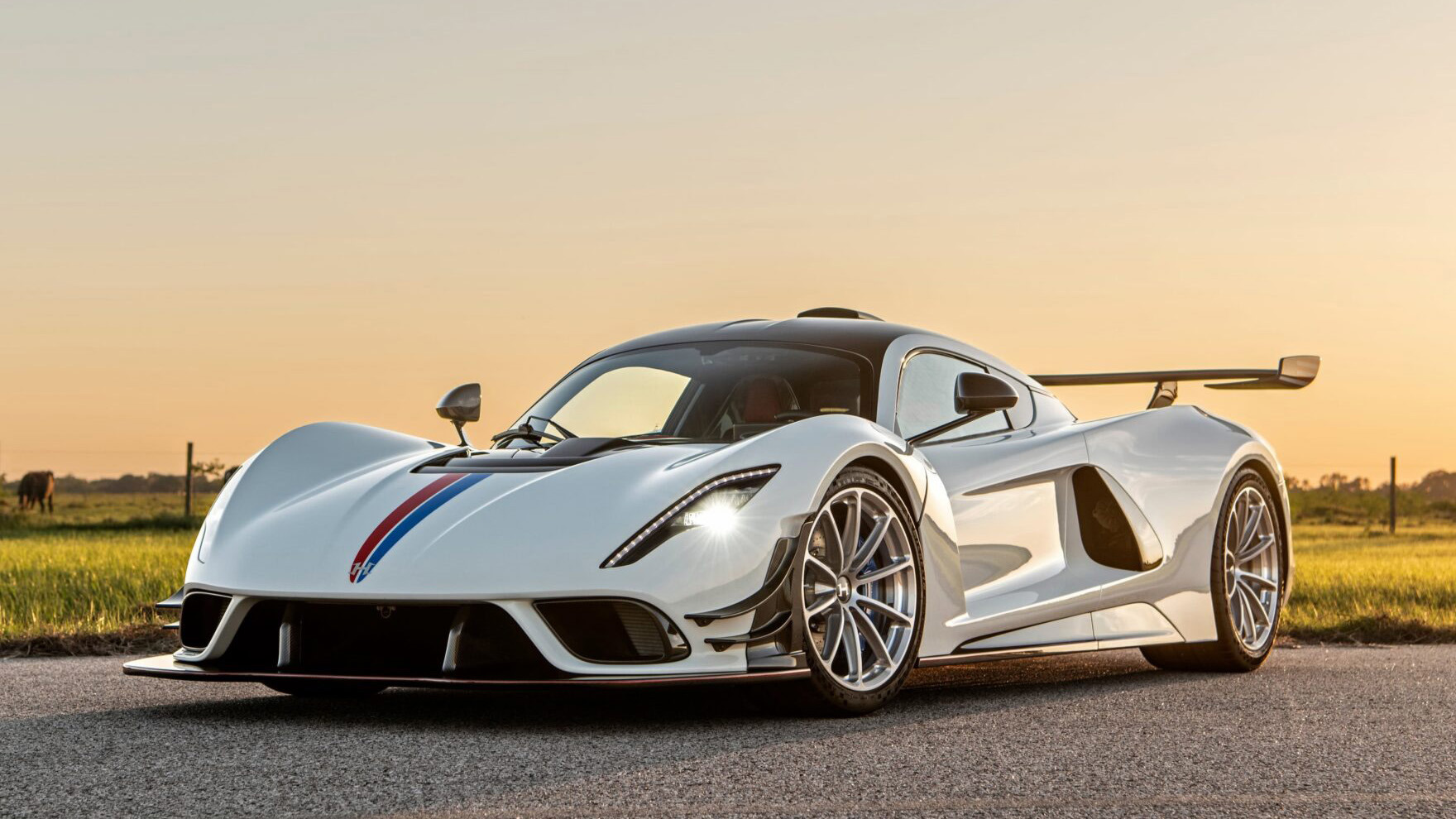
Hennessey Venom F5
Where European hypercars obsess over lap times and perfection, the Venom F5 chases one thing above all else: speed. Lots of it. Built in Texas and powered by a monstrous twin-turbo V8, it’s a car defined by excess and ambition in equal measure.
There’s a slightly unpolished edge to the F5 that only adds to its appeal. It doesn’t want to be subtle or elegant; it wants to be the fastest thing on the planet, and it’s more than happy to shout about it.
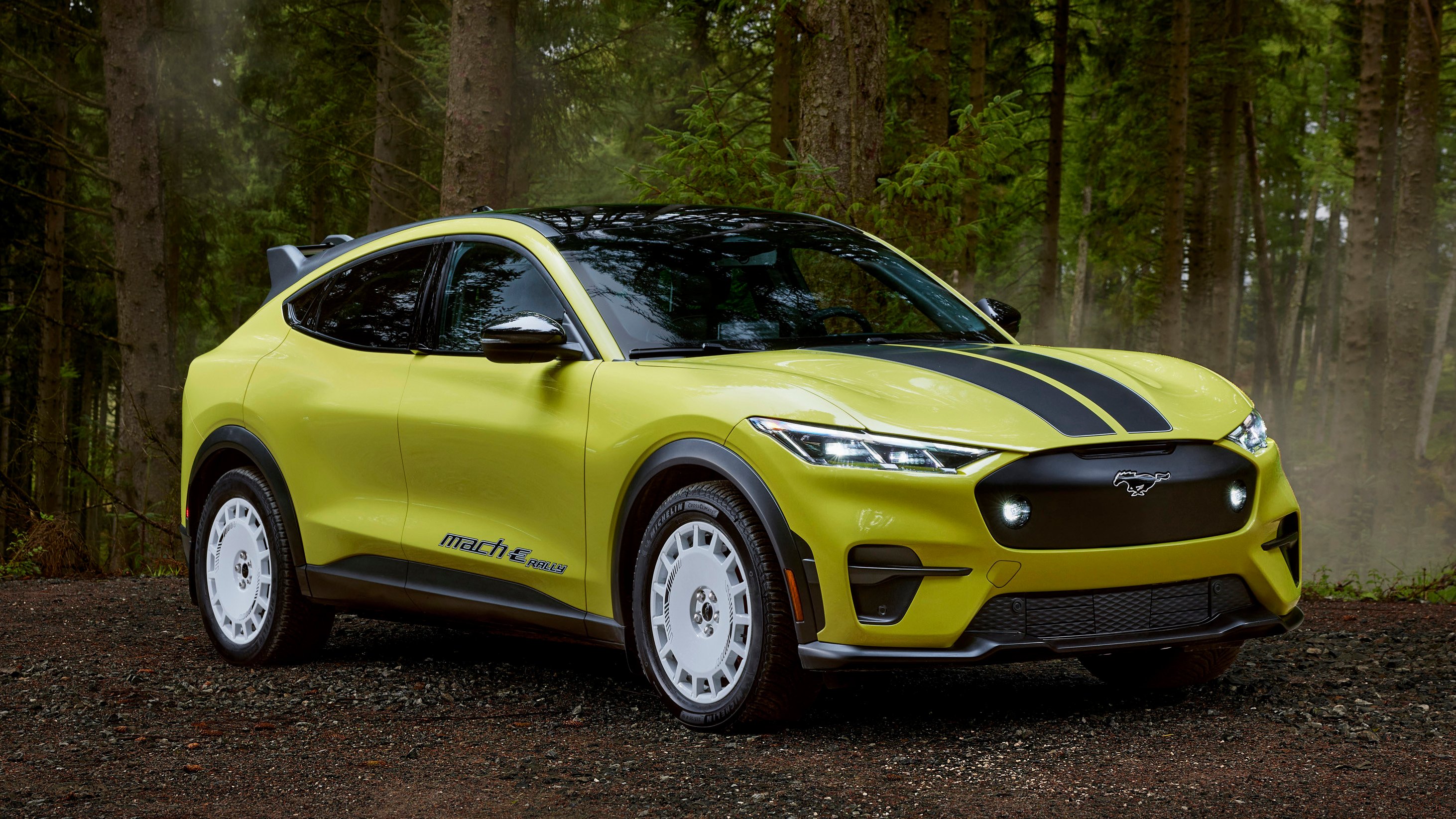
Ford Mustang Mach-E Rally
The most controversial Mustang of them all also turns out to be one of the most interesting. The Mach-E Rally takes the electric Mustang concept and gives it a sense of humour, lifting the suspension, adding rally-inspired details and focusing on fun rather than outright efficiency.
It won’t win over purists, but it isn’t trying to. Instead, this desert-crossing electric SUV shows that American performance can evolve without losing its sense of humour. Encouraging proof that character doesn’t have to disappear just because the fuel tank does.
Ford
Bronco
List
Hennessey
Venom F5
Jeep
Chevrolet
Corvette
Road
News
Mustang
Focus ST
Ranger
Raptor