
Cars turning 50 in 2026 | Axon’s Automotive Anorak
Welcome to the first Anorak of 2026! We’re kicking off the year with my traditional fuel-injected blast through a dozen of the most significant new cars that were first introduced half-a-century ago, back in the heatwave year of 1976.
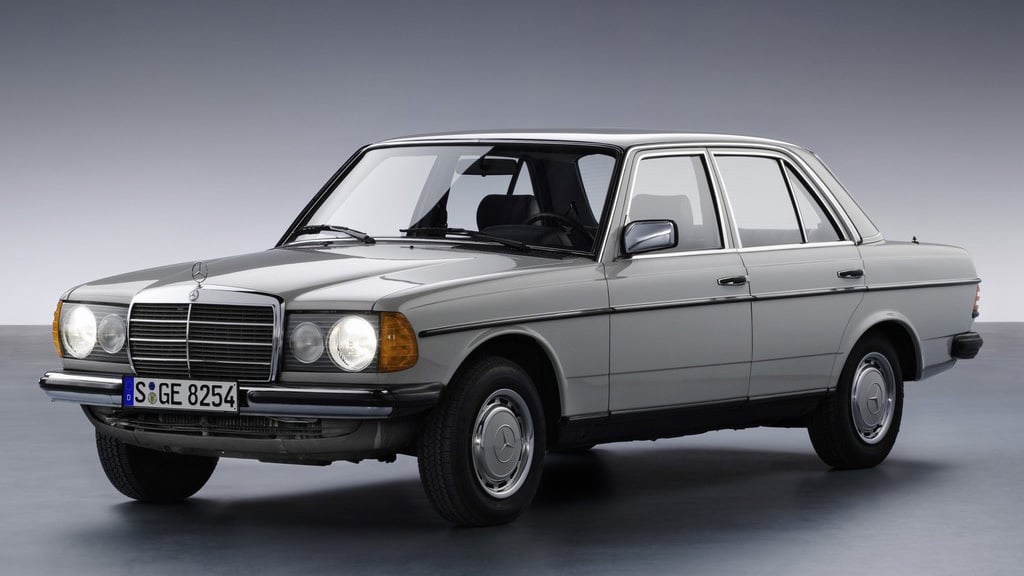
January: Mercedes-Benz 200-280E (W123)
The important new mainstay of the Mercedes-Benz range replaced the successful medium-sized W114/115 saloons, so popular with Algerian taxi drivers and Bond villain car chase baddies for many years. The ‘new generation’ W123 models included a family of four- and six-cylinder petrol engines, plus a selection of diesels.
Initially offered in four-door saloon guise only, a factory-built T-series of practical estate derivatives later followed (a first for Mercedes), as did appealing two-door pillarless coupés from 1977 onwards, using a shorter wheelbase. By the time the W124 replaced the large W123 family in 1987, almost 2.7million examples had been built.
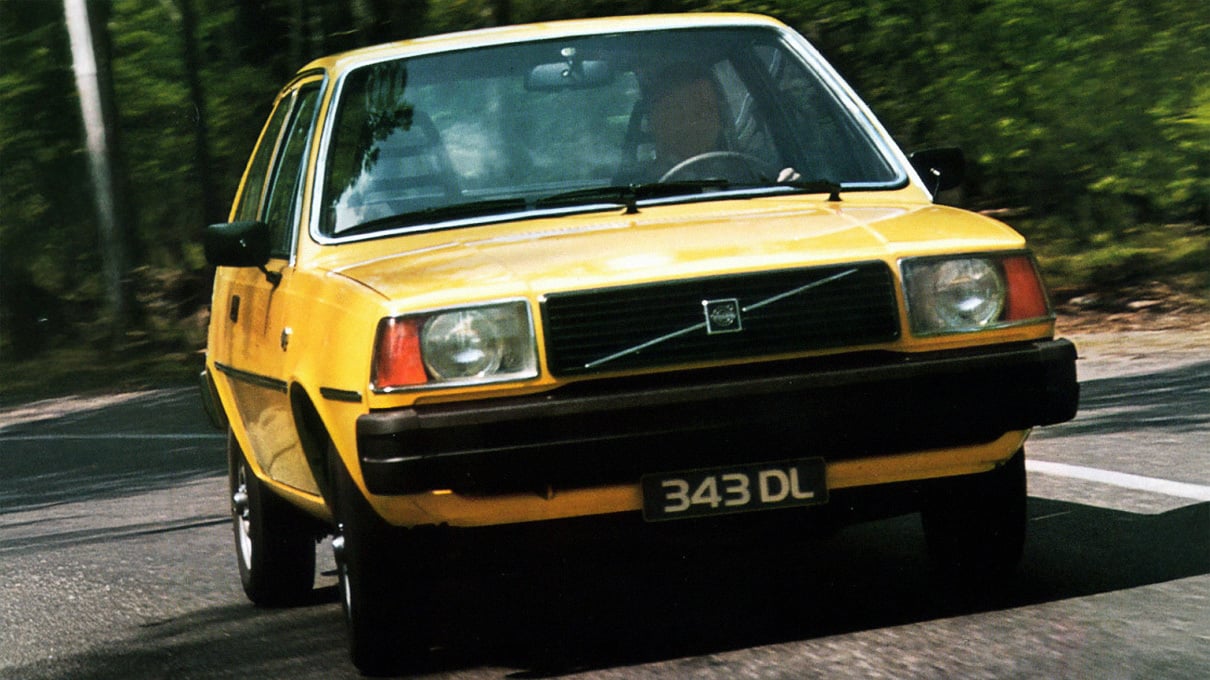
February: Volvo 343
Initially developed as the DAF 77 in the Netherlands with Variomatic CVT automatic transmission only, DAF reportedly designed the odd bustle-back hatchback to be ugly, so that it would attract Volvo as the possible new owners of DAF’s passenger car division. The Dutch plan worked, as Volvo took over DAF in late 1974 and redesigned the 77 to ‘Volvo-ise’ it. It became the 343, using a Renault-sourced 1.4-litre engine and DAF’s CVT automatic transmission.
As a Volvo, the 343 spawned both larger 1.7 and 2-litre engines, plus (eventually) manual transmission, with a boot saloon added in 1983. This odd Volvo became an old fogey favourite and the scourge of British motorists as it was the car you didn’t want to get stuck behind, yet amazingly this unremarkable car was remarkably popular in the UK as one of the most dependable but dullest cars of the late 1970s, with over 1million examples made up to 1991. Bizarrely the ugly Volvo’s rear-wheel-drive layout and affordability has now given this unfortunate car a small cult following among youthful drifters.
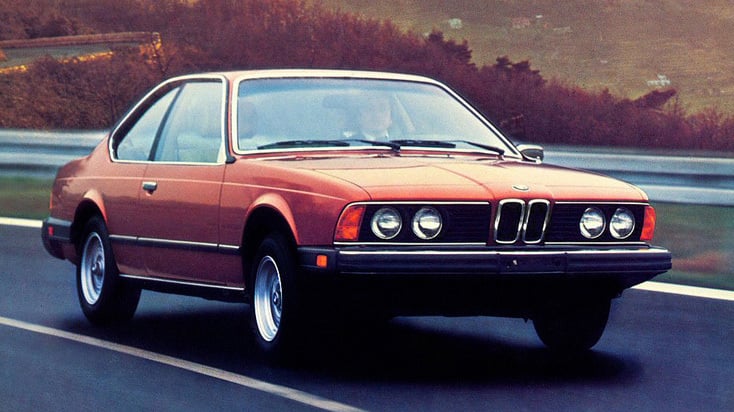
March: BMW 6-Series
Although not known at the time, the handsome new 6-series coupé anticipated BMW’s still-secret range-topping 7-Series saloon, first revealed a year later in 1977. Sharing a common floorpan and some external panels, the initial 630 CSi and 633 CSi variants replaced the elegant Bertone 6-cylinder CS and CSL coupé models.
From 1979, the 6-Series range expanded to include entry 628i and 635 versions, with the performance M-tuned M635CSi added in 1985. The 6-Series proved to be a great success, surviving up until 1989, by which time it was getting a little long in the tooth.
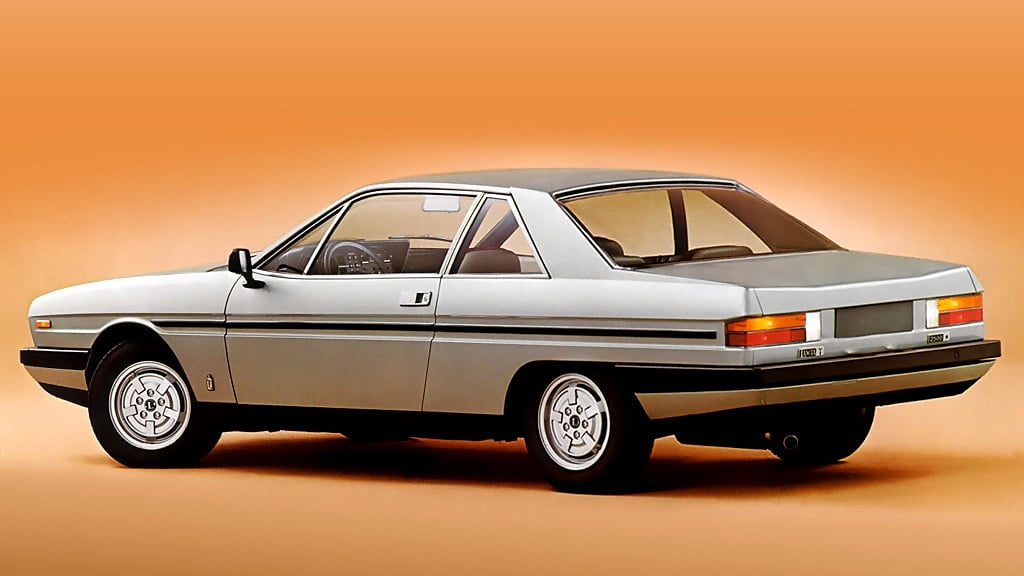
April: Lancia Gamma
Considered by some marque purists to be the last ‘true’ Lancia launched post Fiat’s 1969 takeover, the front-drive Gamma was a nicely considered but quirky executive model, powered by an unusual all-new flat-four boxer engine. Wearing handsome coachwork penned by Pininfarina, the Gamma range was limited to a large two-box saloon, plus an achingly attractive Coupé in the style of Pininfarina’s much-acclaimed Fiat 130 Coupé, widely considered to be the most elegant and best-looking car of the 1970s.
The big Lancia’s four-cylinder-only engine choice restricted sales, as did patchy build quality, making them a rare sight when new and now a difficult-to-find classic for the discerning enthusiast. As an aside, the Gamma name is rumoured to be revived again later this year by Stellantis for a brand-new electric executive Lancia model.
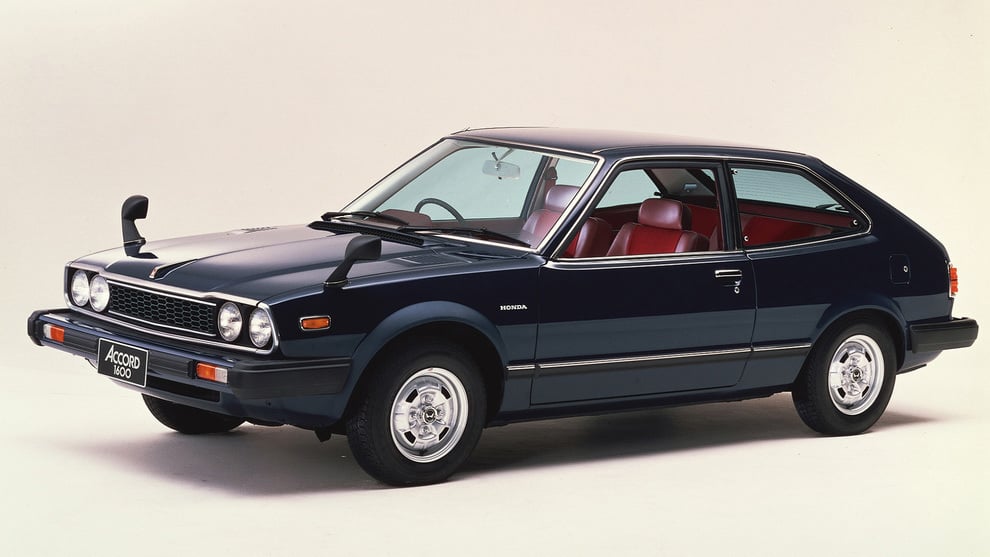
May: Honda Accord
After only a decade or so of building smaller city and sporting cars, Honda’s new 1.6-litre Accord was its first mid-size segment passenger car entrant. Initially launched only as a stylish front-drive three-door coupé (set to do battle with the likes of the VW Scirocco, Ford Capri and Opel Manta) a four-door family saloon version was added to the Accord programme in 1979, this set to become the bestselling derivative, particularly in the USA.
The fine engineering and quality of the first-generation Accord set both the make and model on a path to huge success, later Accords becoming the most popular new cars sold in the USA for many years, with versions built in America, plus the UK (Swindon) and selling in their millions.
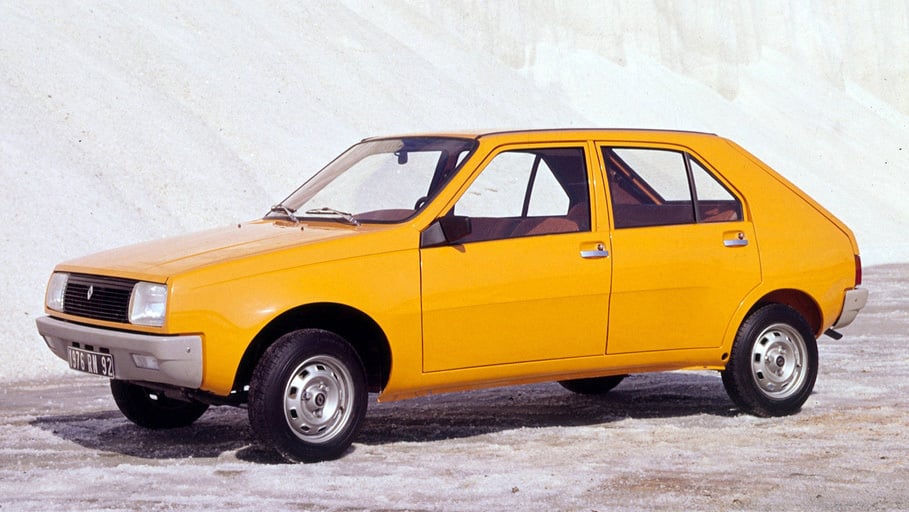
May: Renault 14
A strange cuckoo in Renault’s nest during the 1970s as this roomy mid-size front-wheel-drive hatchback didn’t logically fit anywhere into Renault’s already crowded model range. The five-door R14 was Renault’s first model to use a transversely mounted, Peugeot 104-derived engine.
The R14’s unusual bulbous but practical and spacious wedged design was accentuated by it unfortunately being likened to the shape of a pear through its launch advertising in France, with a pear considered to be like a bit of a lemon in its native market. The R14 soon became the French equivalent of the Austin Allegro, thus hindering its reputation from the outset.
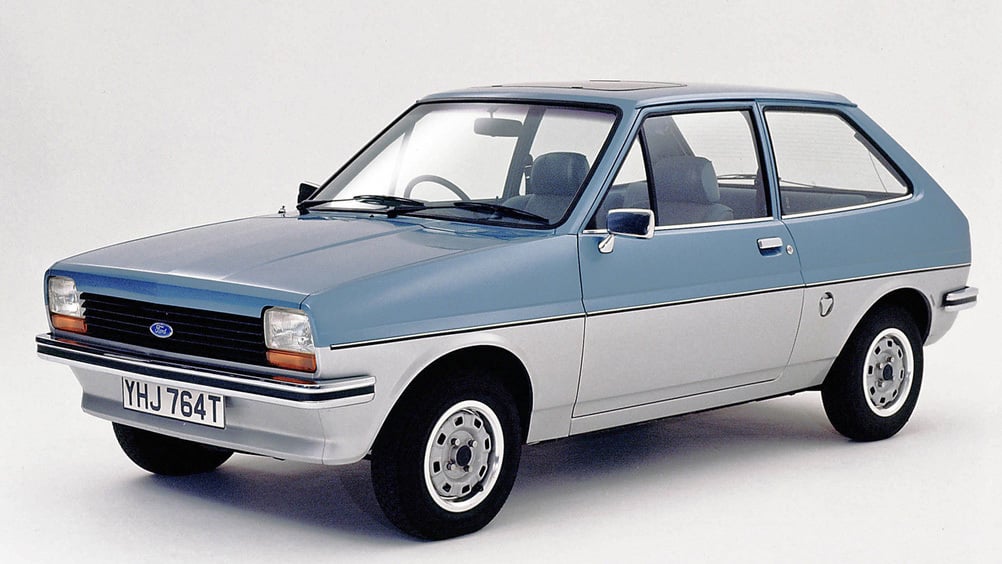
June: Ford Fiesta
Arguably the most important new car launch of 1976 was the Fiesta, Ford’s late first entry into the rapidly growing ‘supermini’ class, already established by rivals such as the Fiat 127 and Renault 5. Launched in mainland LHD Europe in 1976, with UK production and RHD sales not commencing until early 1977, the Fiesta was initially manufactured at a brand new, purpose-built plant in Valencia, Spain, with production soon added in Cologne and Dagenham to help keep up with huge early demand.
Ford GB’s first front-wheel-drive (FWD) model (but not Ford of Germany, which introduced a FWD Taunus in the early 1962), the three-door only Fiesta was a real milestone model for Ford, rapidly topping the UK and continental sales charts and going on to achieve ‘a welcome member of the family’ status as the default supermini.
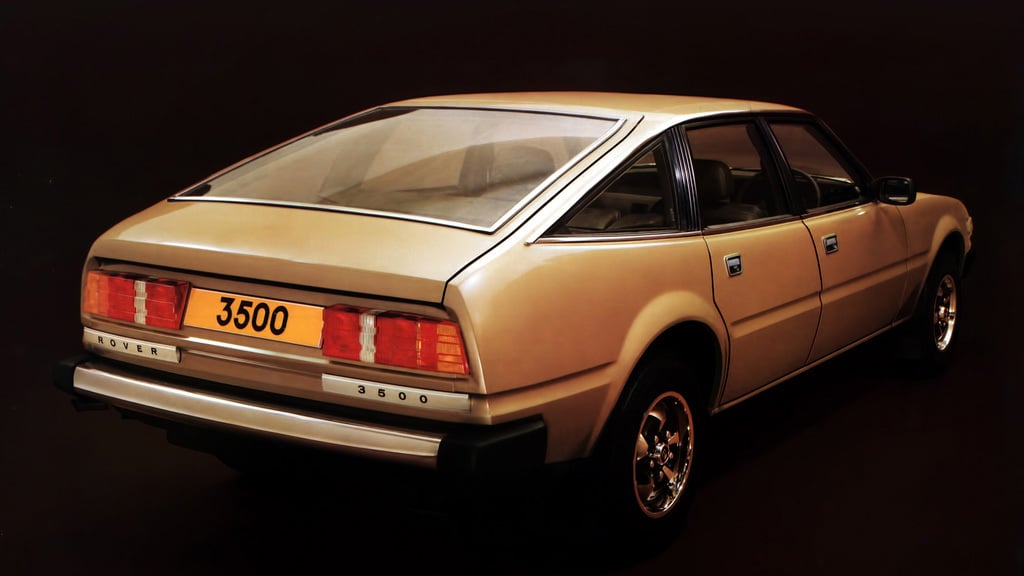
June: Rover 3500 SD1
When launched in the summer heatwave of 1976, British Leyland’s new Rover 3500 (more familiarly known as SD1; Specialist Division 1) was the troubled British car giant’s new great hope for the future. With to-die-for good looks, including a striking Ferrari Daytona-inspired low nose and sleek fastback profile, the new V8 Rover instantly topped every successful executive’s next company car desirability list, making the contemporary rival Ford Granada and BMW 5-Series look very dated.
The Rover was soon awarded the prestigious European Car Of The Year and other prestige awards, but all too quickly BL’s regular strikes and iffy build quality soon took their toll with the SD1 range (later expanded in 1977 to include small-capacity six-cylinder engine alternatives), quickly earning a poor reliability reputation, especially in the vital export markets. An early 1980s facelift and production plant switch from strike-prone Solihull to Cowley saw the SD1’s quality and prospects improve, helped by a new VM Turbo Diesel option and performance Vitesse variants, but by then it was too late with the Rover’s reputation already permanently damaged.
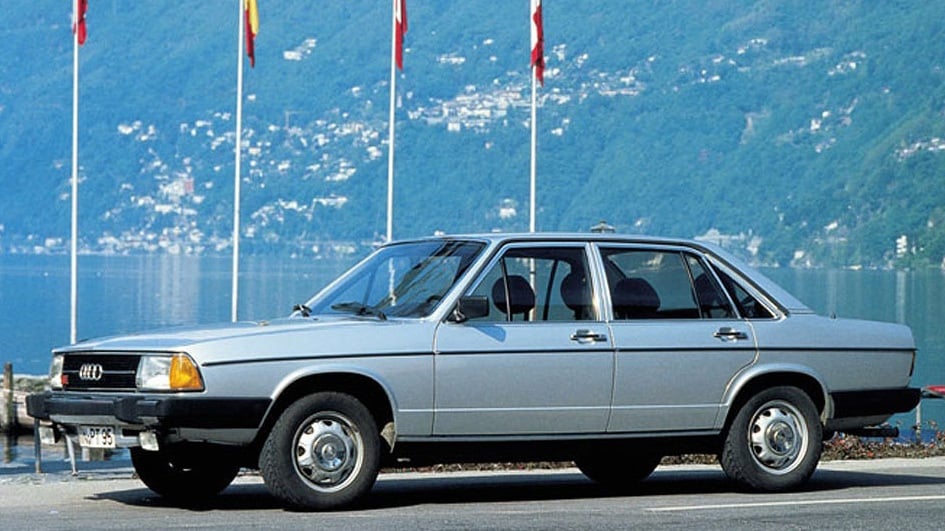
August: Audi 100 II
With Audi only having been re-established in 1965, the smooth Mercedes-Benz-developed first-generation 1969-76 Audi 100 was the car that built the revived Audi brand’s reputation. It was therefore essential that the ‘new’ second-generation 100 had to be as good and better than the model it replaced. Wonderfully or worryingly Germanic, depending on your personal viewpoint, the new Audi 100 was tectonically efficient if a little bland.
The new second-gen model retained its predecessor’s front-wheel-drive and updated 2-litre four-pot overhead cam layout, mated to an enlarged, square cut saloon body. As a novel solution to its six-cylinder BMW and Mercedes rivals, Audi fitted a five-cylinder 2.2-litre motor in its top 5E models, this shorter five-cylinder engine chosen as the new 100’s bonnet was too short to accommodate six-cylinders or more. A five-door hatch Avant derivative joined the 100 range in 1977.
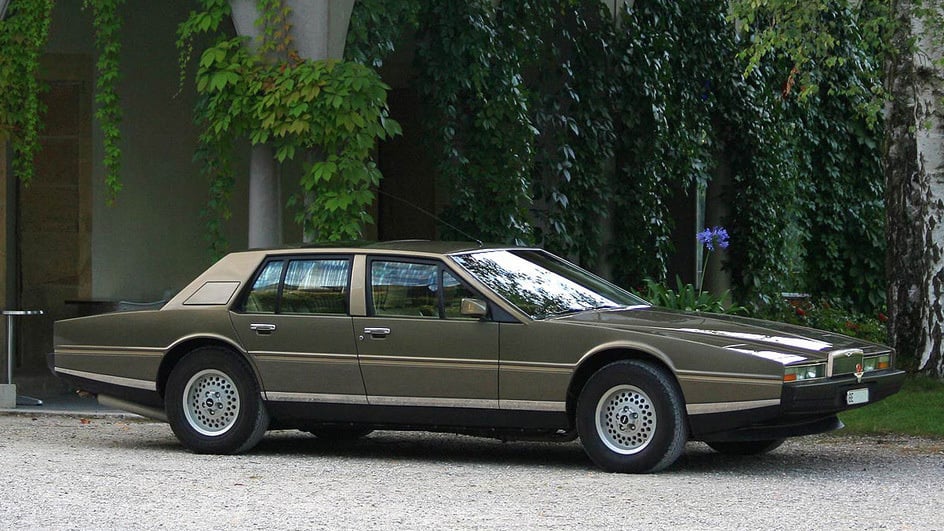
October: Aston Martin Lagonda
The startling, sharp-edged Lagonda was the undisputed star of the 1976 Earls Court Motor Show. A genuine surprise to all-comers, the new space-age Lagonda was a real gamble, created in total secrecy by the then newly formed Aston Martin management (of 1975) to attract much-needed publicity and potential new clients and money. The gamble paid off as Aston Martin stole all of the Earls Court headlines and attracted welcome deposits.
Styled by William Towns and based on the stretched chassis and mechanicals of the Aston V8, overly ambitious electronic instrumentation and complex push button automatic transmission led to inevitable production delays, with the first ‘real’ drivable example not delivered until 1978. Production of this advanced wedged four-door 145mph supercar helped to save Aston Martin, and the Lagonda continued into the early 1990s.
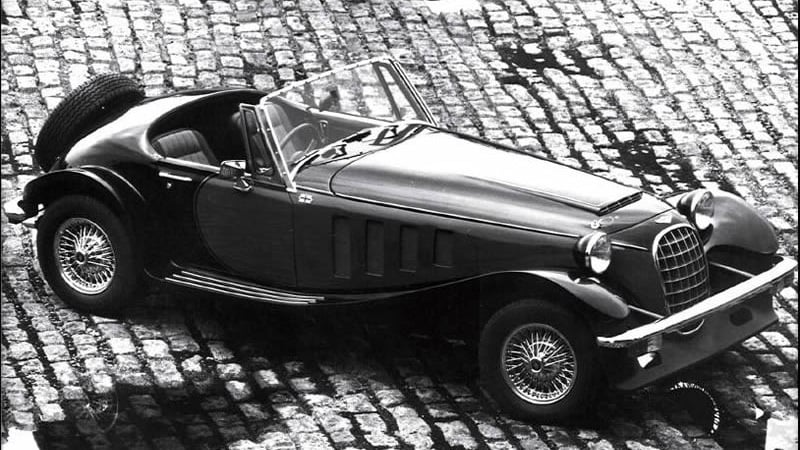
October: Panther Lima
Having created a limited programme of expensive and extrovert 1930s-inspired handmade motor cars, at the Earls Court Show in 1976 Panther unveiled a ‘new’ and affordable ‘30s-esque roadster: the Lima. Aimed directly at the lucrative (and up until then unrivalled) Morgan market, the Panther Lima pastiche used a humble Vauxhall Viva/Magnum as its base, including the Magnum’s 109PS (81kW) 2.3-litre running gear, braking and suspension.
The Lima was usefully also sold through selected Vauxhall dealerships, thus adding some showroom glamour plus a nationwide servicing and after sales network, until it was replaced by the similar Ford-powered Kallista in 1982.
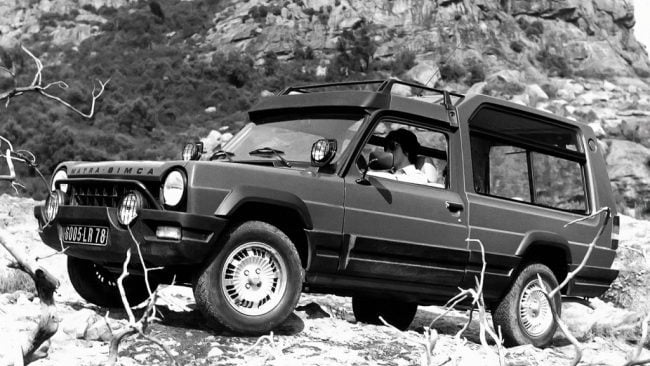
November: Matra Rancho
Revealed towards the close of 1976 for pan-European sales from 1977, the Matra Rancho was an inspired and influential leisure vehicle. The Rancho was cleverly designed around the VF1 pick-up version of the workaday Simca 1100 hatch. Using the Simca’s front panels, with the rear clad in rugged GRP, the Matra made the perfect ‘poor man’s’ Range Rover, combining an appealing off-road look and versatility with front-wheel-drive only affordability and lower running costs.
The Rancho’s raised ground clearance, knobbly tyres and tough appearance created a real cross-country look that is commonplace in today’s crossovers and SUVs yet was unheard of 50 years ago. The Matra’s deceptive but cunning design proved to be highly influential, inspiring the original 1989 Land Rover Discovery, for example, plus many smaller Asian SUVs of the 1980s and 90s.
road
news
Axon's Automotive Anorak
list
aston martin
lagonda
audi
100 II
BMW
6 series
ford
fiesta
honda
accord
lancia
gamma
matra
rancho
Mercedes-Benz
panther
Lima
renault
renault 14
rover
3500
volvo
343



Subscribe to Goodwood Road & Racing
Thank you, you’re now subscribed

How many hay bales are used at FOS?
For the last two years, 5,800 bales have been recylced into the biomass energy centre to be used for energy generation