Hélio Castroneves: The latest superstar to fall for Goodwood
American and US-based racing drivers just can’t help falling in love with Goodwood. In the wake of Scott Dixon, Jimmie Johnson and Tony Kanaan crossing the Atlantic to make their debuts at the Goodwood Revival presented by Dunlop, another will land this September to join the star-studded line-up of the RAC TT Celebration — and this one is another major coup for the world’s favourite historic race meeting.
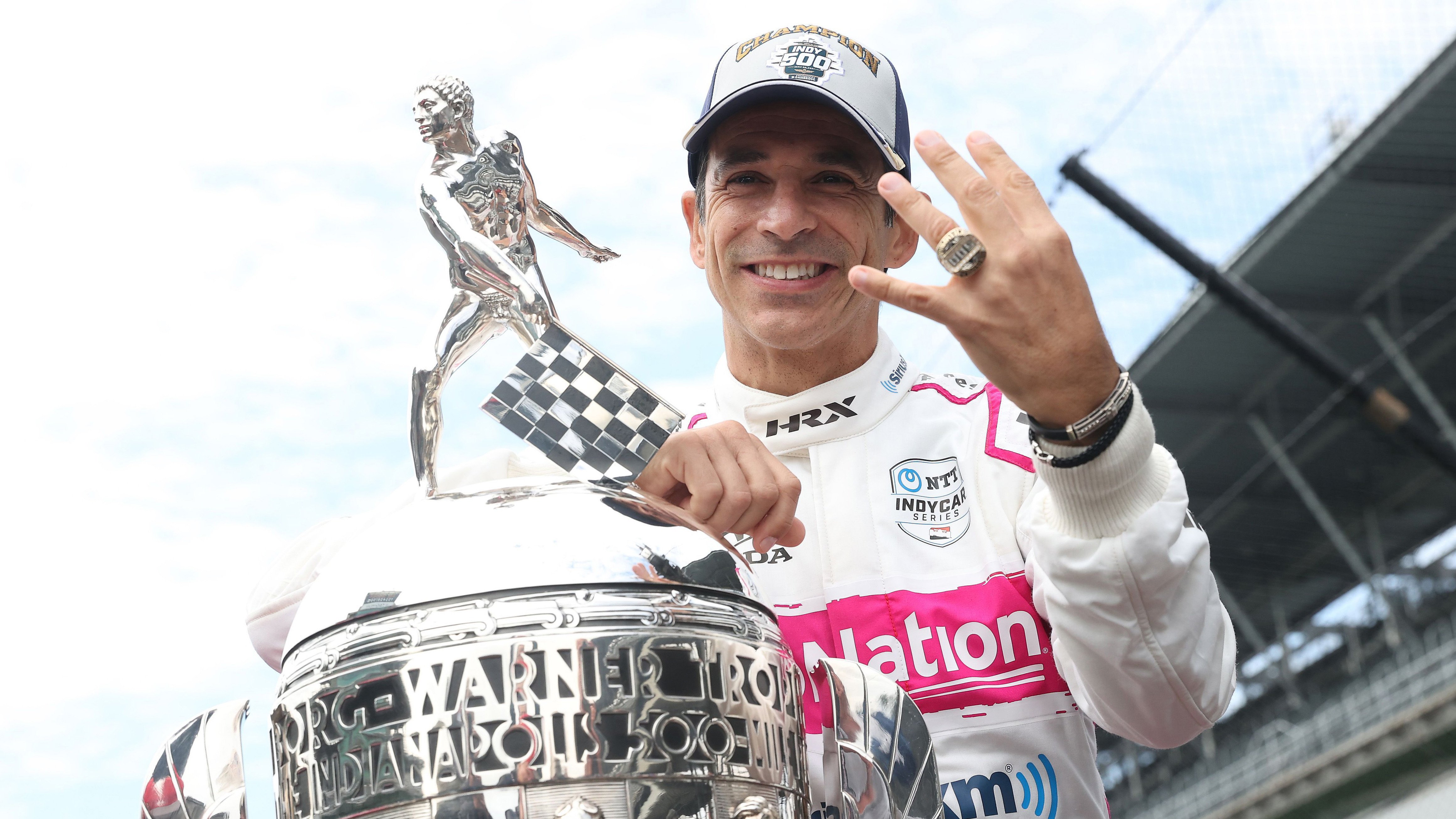
Hélio Castroneves is one of the most successful racers in Indianapolis 500 history. The 51-year-old is among the great race’s decorated quartet of four-time winners, beside AJ Foyt, Al Unser and Rick Mears.
In contrast, the Goodwood Motor Circuit will be a world away from what Castroneves is used to, though there might be an element of throwback for him, to his formative racing years when he made a brief cameo in Britain, before he set out on a path to become one of US motorsport’s biggest stars.
The British F3 one-off
Having cut his teeth in Formula Vauxhall, Sudam and Brazilian Formula 3 in the early 1990s, Castro Neves (as he was then) followed in the wheel tracks of future Penske team-mate Gil de Ferran by landing a top drive with Paul Stewart Racing.
In a competitive field that also included future Red Bull F1 chief Christian Horner, Spaniard Marc Gené and fellow IndyCar hero Cristiano de Matta, Castroneves scored a single win at Donington Park on his way to third in the final standings, behind Edenbridge’s Champion Oliver Gavin and PSR team-mate Ralph Firman Jr.
British F3 back then was a well-trodden route towards Formula 1. But at this stage, Castro Neves looked west. CART-run IndyCar was at its considerable height in the mid-1990s and rather than slog for an F1 chance that might never come, he chose Indy Lights and a drive with Tasman Motorsport for 1996. Runner-up to countryman Kanaan was a decent result.
The road to Penske
Castroneves made the grade to IndyCar (or Champ Car as it was then known) in 1998. But it’s fair to say his career took some time to hit the seam of gold that has made him a star name.
That’s because to begin with he earned his stripes with smaller teams. Castroneves began in a Reynard-Mercedes run by Tony Bettenhausen, achieving a best finish of second at Milwaukee, then he switched to Carl Hogan’s team for 1999. But the big move was landing a hallowed driver with Penske, albeit in tragic circumstances.
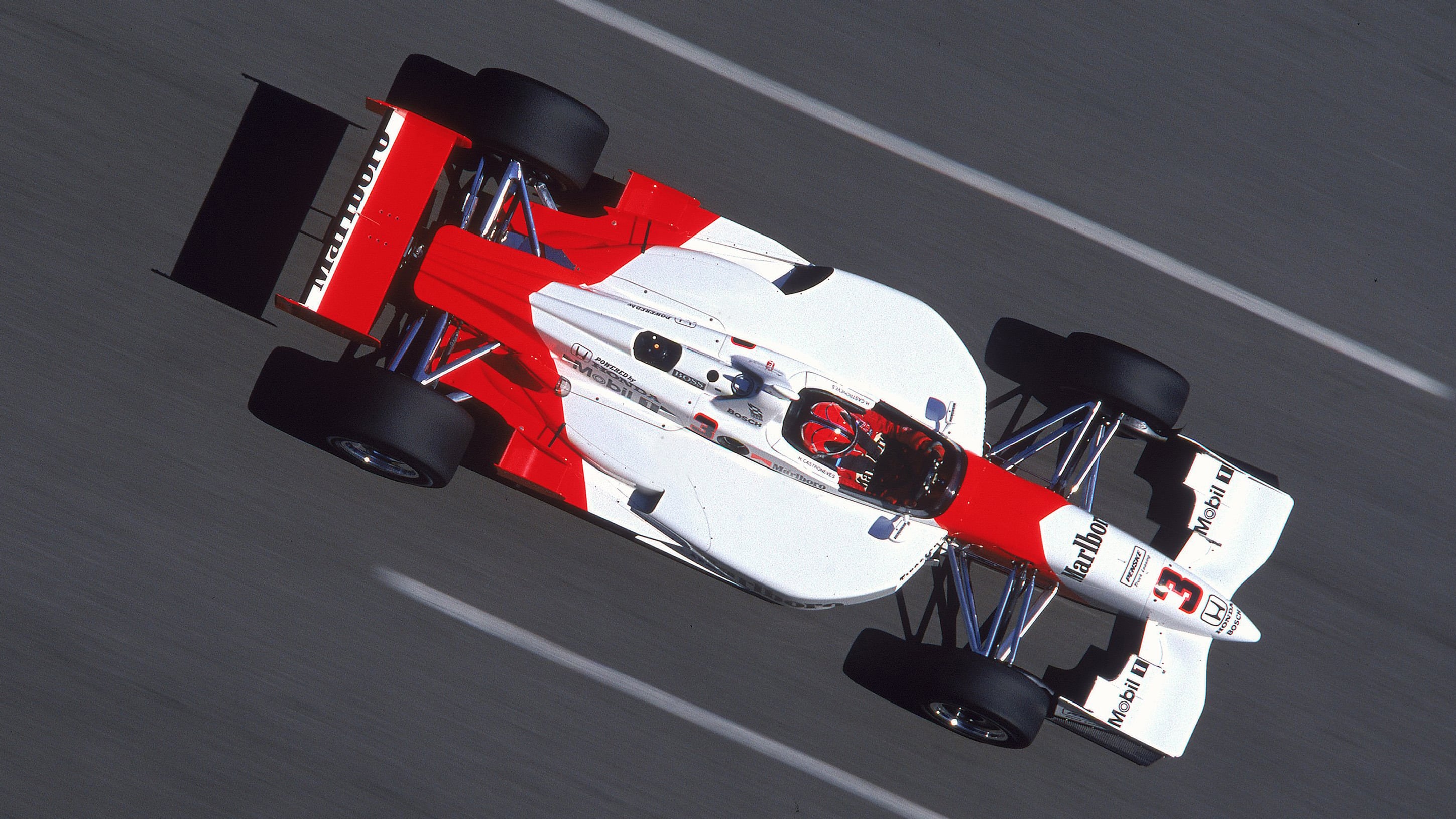
Castroneves drives the Penske Honda Reynard 2KI at the Texaco Grand Prix, September 2000. He finished seventh in the CART Championship that year.
Image credit: Getty Images‘The Captain’ Roger Penske had signed rising Canadian star Greg Moore for 2000 as he attempted to rejuvenate the fortunes of a team that had fallen to an unusually low ebb. But those plans were thrown into disarray when Moore was killed driving for Forsythe Racing in a freak accident in the final round of 1999 at California Speedway.
Thus, Castroneves found himself called up. No one wants to gain an opportunity in such circumstances, but someone had to take the drive. Castroneves made the most of his chance, winning three times in 2000 as Penske dropped its own chassis for the more competitive Reynard. It began a long and fruitful relationship between Castroneves and Penske which would come to define his racing life.
The Indy legacy begins
Team-mate de Ferran won the CART Champ Car title in 2000, so Castroneves still had work to do to establish himself. He was only seventh in the series points that year despite his trio of wins. But the following season he got one over de Ferran at the race that counts for more than any championship crown.
This was the era of the seismic split in American single-seater racing, following the creation of the Indy Racing League in the mid-1990s. The schism was a disaster for the sport and left those loyal to Champ Car in painful exile from the Indianapolis 500, which was the jewel in the IRL crown under the eye of Speedway boss Tony George. But early in the new millennium the CART teams felt compelled to migrate; missing out on the Indy 500 each year was just too much, especially for the likes of Penske.
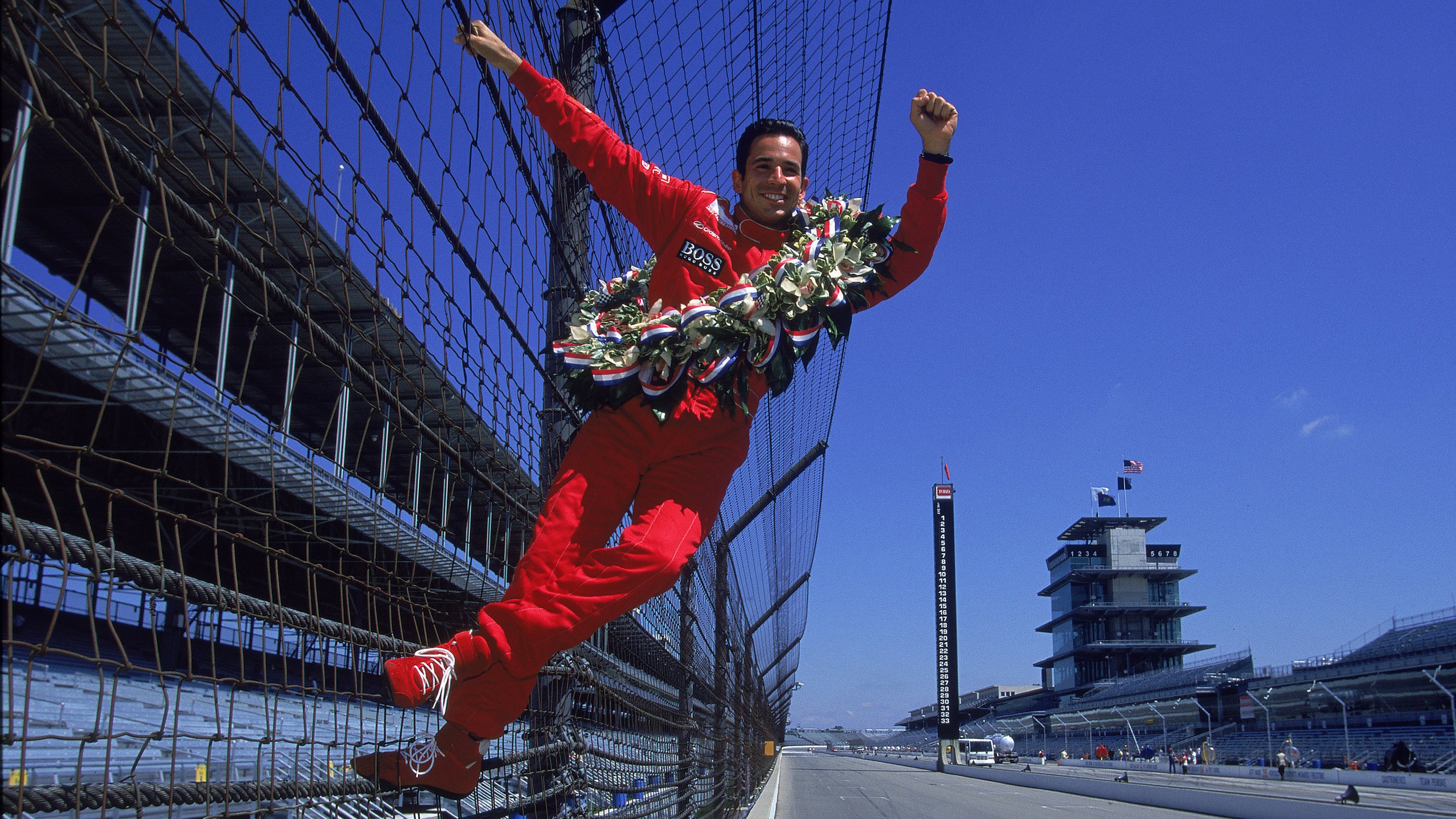
Castroneves celebrates winning the Indianapolis 500 for the first time with his iconic climbing of the fence, May 2001.
Image credit: Getty ImagesSo, in 2001 both de Ferran and Castroneves found themselves heading to the Brickyard in May, in a parallel programme to their regular CART season. And at the first time of asking, from 11th on the grid, Castroneves conquered the race to take the first of his four wins. Life would never be the same again.
More Indy glory — and wider fame
The following year, Penske switched full-time to the IRL. Castroneves would never quite win an IndyCar title under either guise, but the sight of his signature victory climb of the debris fence became a familiar one at Indy and beyond.
He made it back-to-back wins at the 500 in 2002, the first for 31 years, albeit in controversial circumstances. In the closing stages, Paul Tracy passed him for the lead, but the move was judged to have been made just after yellow flags had flown for an accident. Tracy’s Team Green squad protested Castroneves’ subsequent victory, but two days after the race their claim was thrown out. Two starts, two wins for the Brazilian.
The hat-trick beckoned in 2003, especially after Castroneves took pole position. But team-mate de Ferran narrowly defeated him in the race. He would have to wait a little longer for number three.
Then again, for a large portion of the American public, Castroneves is famous for another victory far away from the race tracks: beating Spice Girl Mel B to win Dancing with the Stars in 2007 catapulted Castroneves to an unexpected level of celebrity fame. But if anyone thought his parallel life might prove a distraction from the day job, such doubts were dispelled two years later in 2009 when he finally secured his Indy hat-trick.
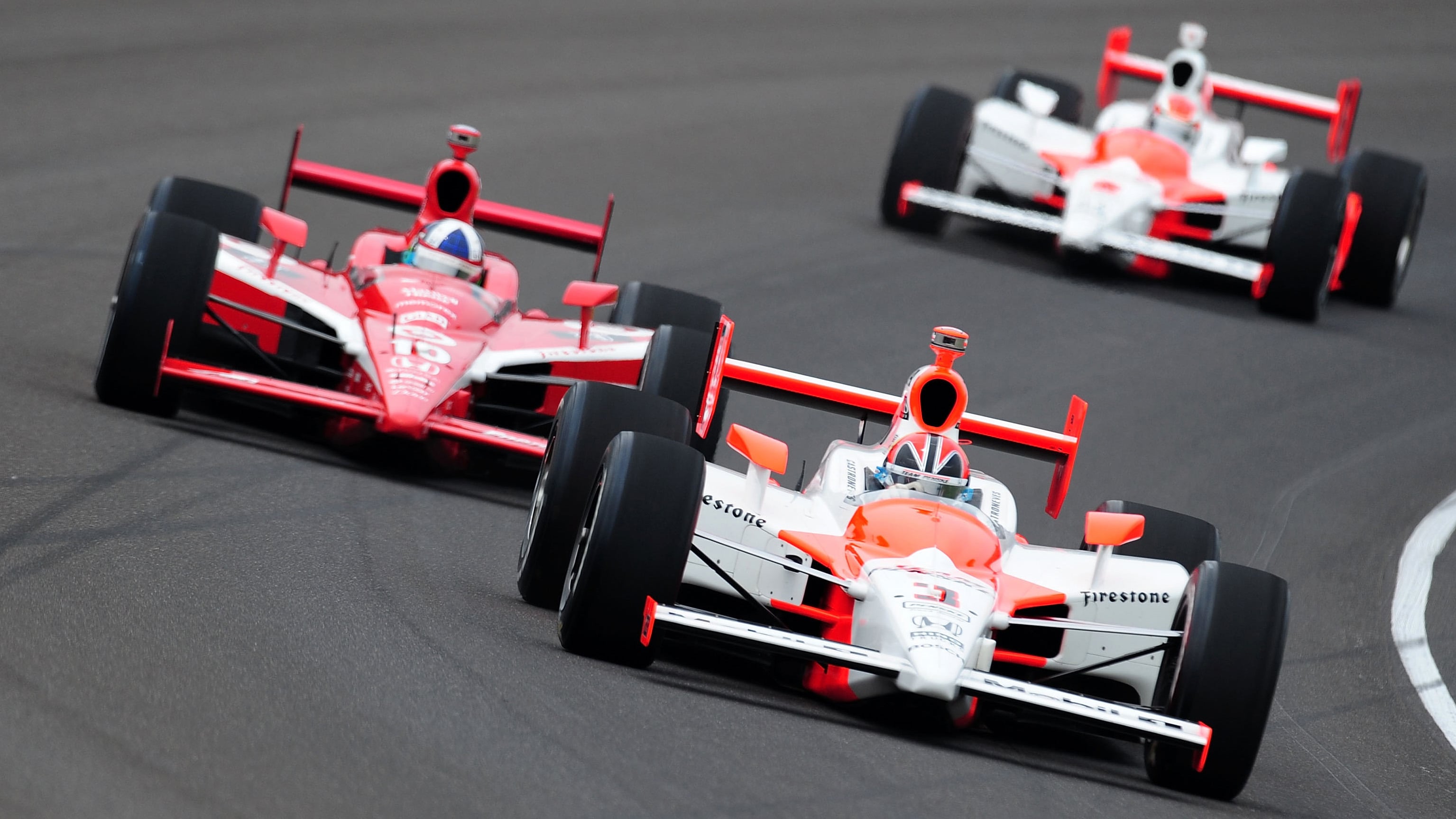
Castroneves leads Dario Franchitti and team-mate Ryan Briscoe on his way to winning his third Indy 500, May 2009.
Image credit: Getty ImagesHélio goes fourth
Castroneves continued to race in the frontline deep into the next decade. Beyond IndyCar, he added to his trophy haul in the IMSA Sports Car series. Paired with Ricky Taylor, he delivered Penske an IMSA title in 2020, in what turned out to be the last of his 20-year association with America’s greatest team.
But that didn’t mean Castroneves was done. Far from it. Moving on to Meyer Shank Racing resulted in a consecutive trio of victories in the Daytona 24 Hours — and then Castroneves’ crowning glory.
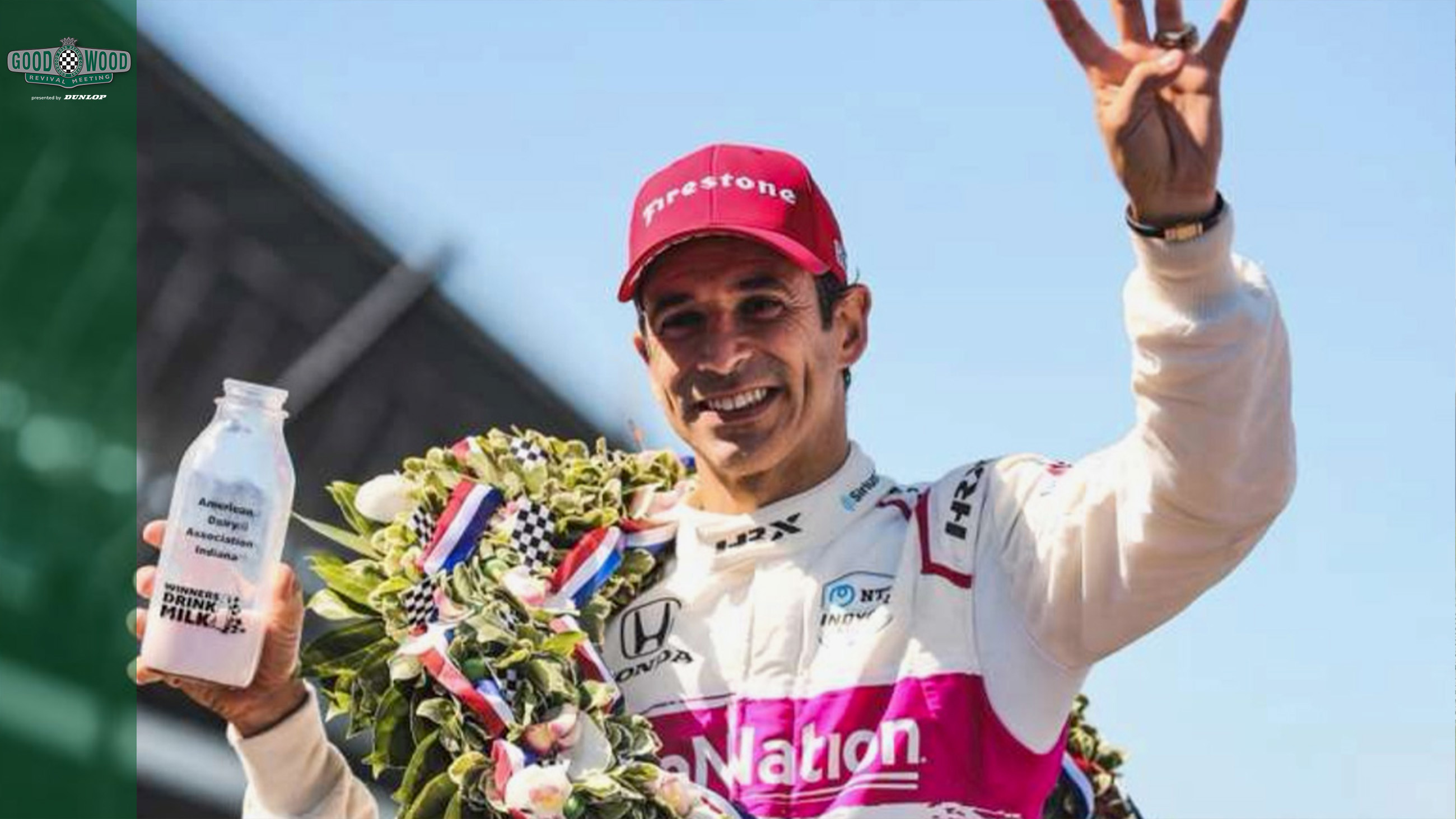
In 2021, at the age of 46, Castroneves kept his run of Indy 500 starts going in something other than a Penske entry for the first time. It resulted in one of the great feelgood stories of the modern era when he defeated young Alex Palou to gain his fourth Indy winners’ ring, elevating him to join the esteemed company of Foyt, Unser and Mears.
The IndyCar tally to date is 316 starts over 25 years and a total of 25 wins. And he’s far from done yet. This year, the evergreen Castroneves returned to the 500 for a 26th time, again with Meyer Shank.
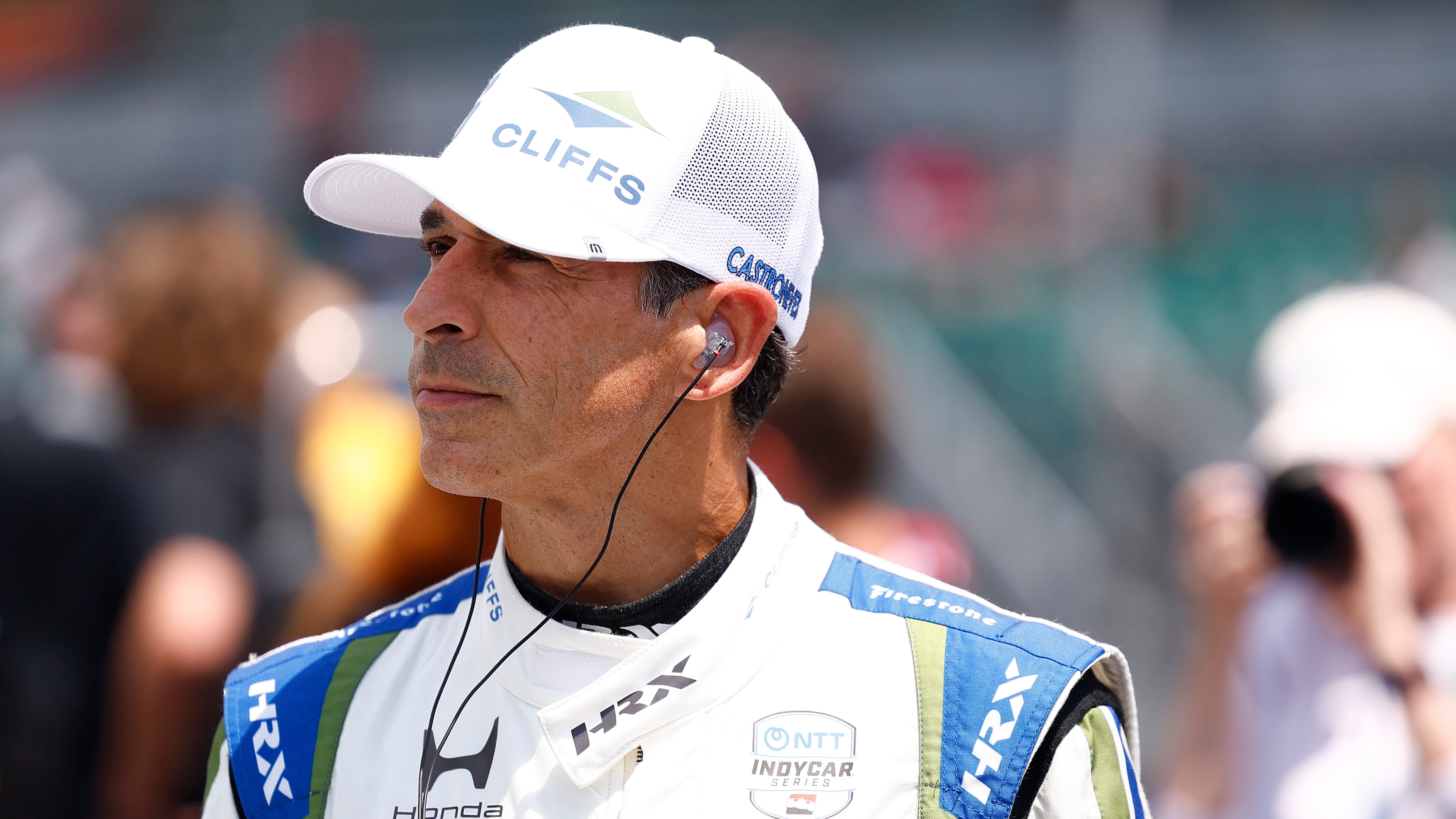
In 2026, Castroneves is competing in the Stock Car Pro Series with Mercado Livre Racing, as well as part time in IndyCar.
Image credit: Getty ImagesHis appearance at the Goodwood Revival might well begin another chapter in a long and illustrious racing life. Like those who have made their way to West Sussex before him, we predict Castroneves is about to discover a new and invigorating motor racing passion. Let’s hope it’s not a one-time visit.
If you’re not already part of the GRRC, you can sign up to the Fellowship today and save ten per cent on your 2026 tickets and grandstand passes, as well as enjoying a whole host of other on-event perks.
Main image courtesy of Getty Images.
race
modern
revival 2026
rac tt celebration 2026
helio castroneves
indycar