Jaguar’s journey to Le Mans started in the USA
Nigh on 45 years ago, two hard-nosed racing team owners beat separate paths to the door of Jaguar chairman John Egan. The efforts that followed, with Jaguars racing in both America and Europe over the first half of the 1980s, would lay the foundations for the British marque's return to the winner's circle at the Le Mans 24 Hours by the end of the decade.
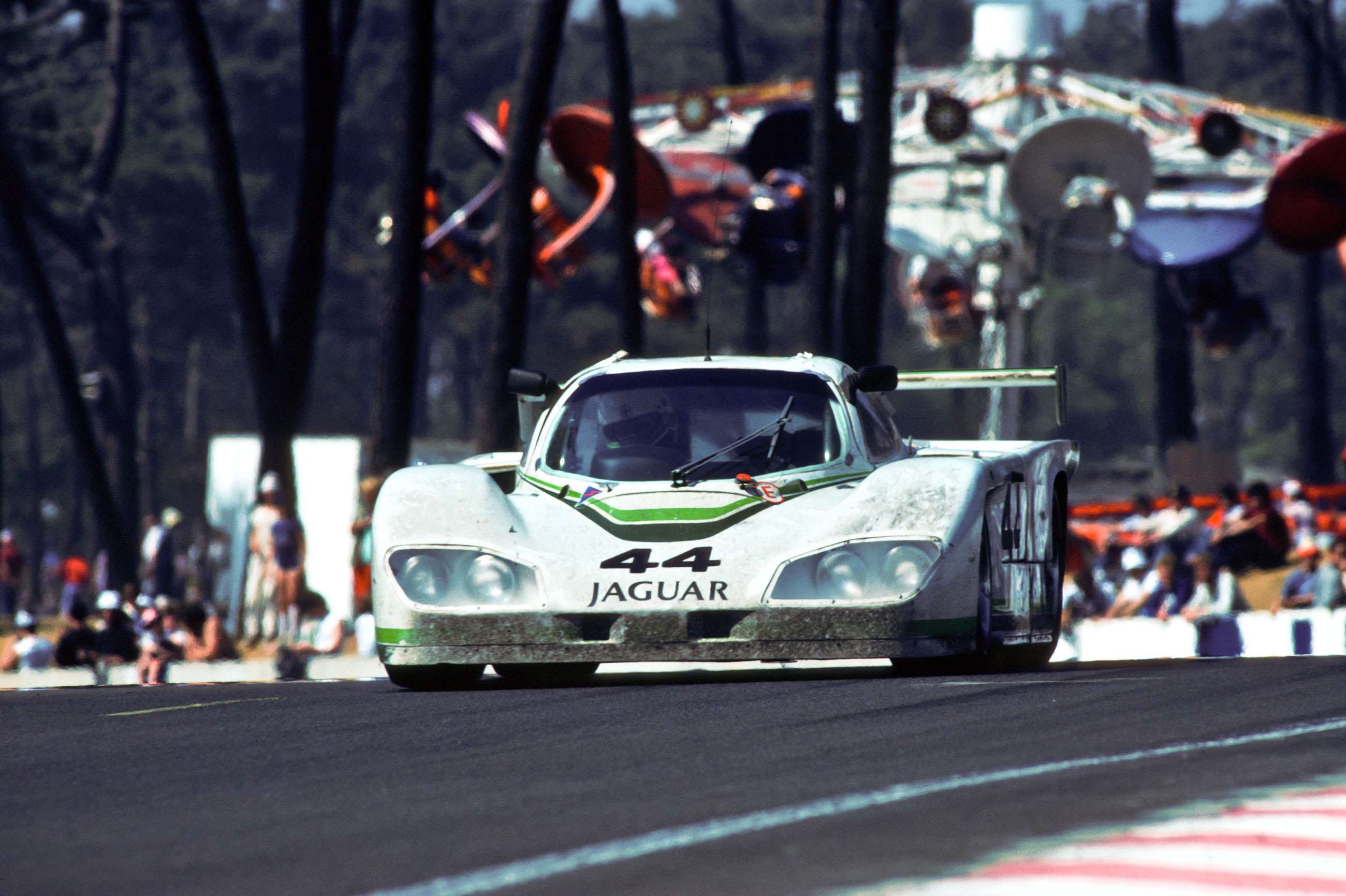
It's doubtful that Bob Tullius in the USA and Tom Walkinshaw in Europe knew much about each other back in 1981. Yet their respective programmes in IMSA's Camel GT Championship and the European Touring Car Championship are central to the story of Jaguar's sportscar success of the late 1980s and early '90s: a pair of victories at the Le Mans and Daytona, and three World Sportscar Championship titles.
Le Mans was very much in the plan when Tullius' Group 44 team from Virginia was signed up to build and race a Jaguar IMSA GTP prototype for 1982. The project was conceived to reinvigorate the brand's dealer network in North America, but Egan always had a Le Mans return in mind for a manufacturer that had won the famous race five times in the 1950s. It was, he said, “part and parcel of putting the Jaguar story back together”.
Group 44, already an IMSA winner with the Lee Dykstra-designed XJR-5 in 1983, would fly the flag for Jaguar at Le Mans in 1984 and again in 1985. Tullius would briefly lead the race in the first of those years with the V12-engined machine, though only because his car was light fuelled at the start, making an early stop and jumping to the top of the leaderboard when the faster runners pitted.
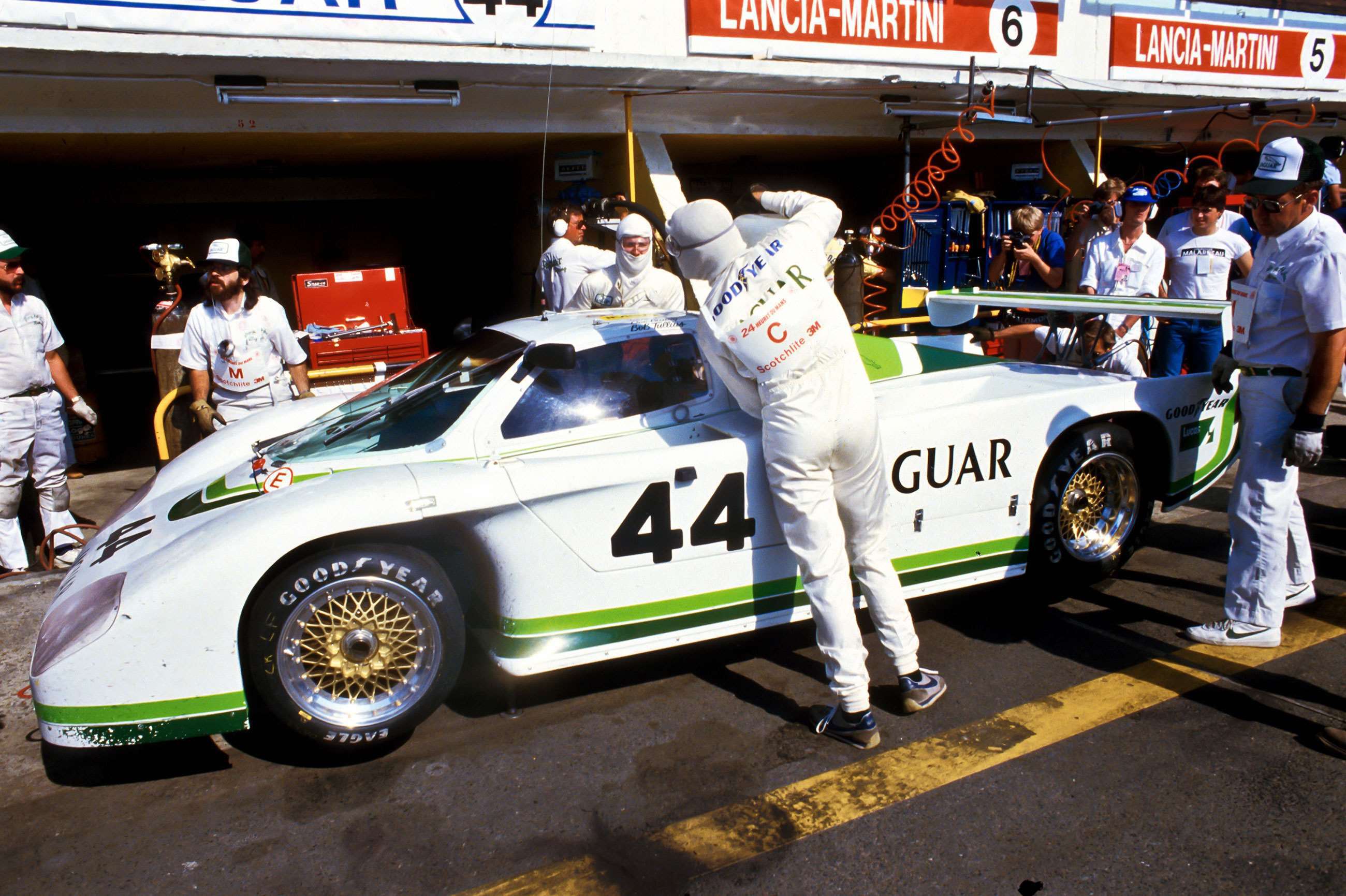
The Jaguar XJR-5 of Bob Tullius, Brian Redman and Doc Brundy stops for fuel during the 1984 Le Mans 24 Hours.
Image credit: Sutton Images/Stringer via Getty Images.Both Jags ran in and around the top six before encountering engine and gearbox problems. A year later, a CV joint failure did for one of the Group 44 entries, while the XJR-5 Tullius shared with Chip Robinson and Claude Ballot-Lena limped home in 13th with one of its 12 cylinders blanked off after a piston ring failure.
Egan said that he realised as early as '84 that Tullius wasn't going to be able to win Le Mans. “His was a brave effort and it got us over the first hurdle, but it didn't bring the degree of engineering expertise that I thought Tom could.”
Tom Walkinshaw Racing had teamed up with what was then known as British Leyland in 1981, taking over its campaign in the British Saloon Car Championship with the Rover SD1. He saw the potential for the Jaguar XJ-S under the new Group A touring car rules coming into force in the ETC the following season.
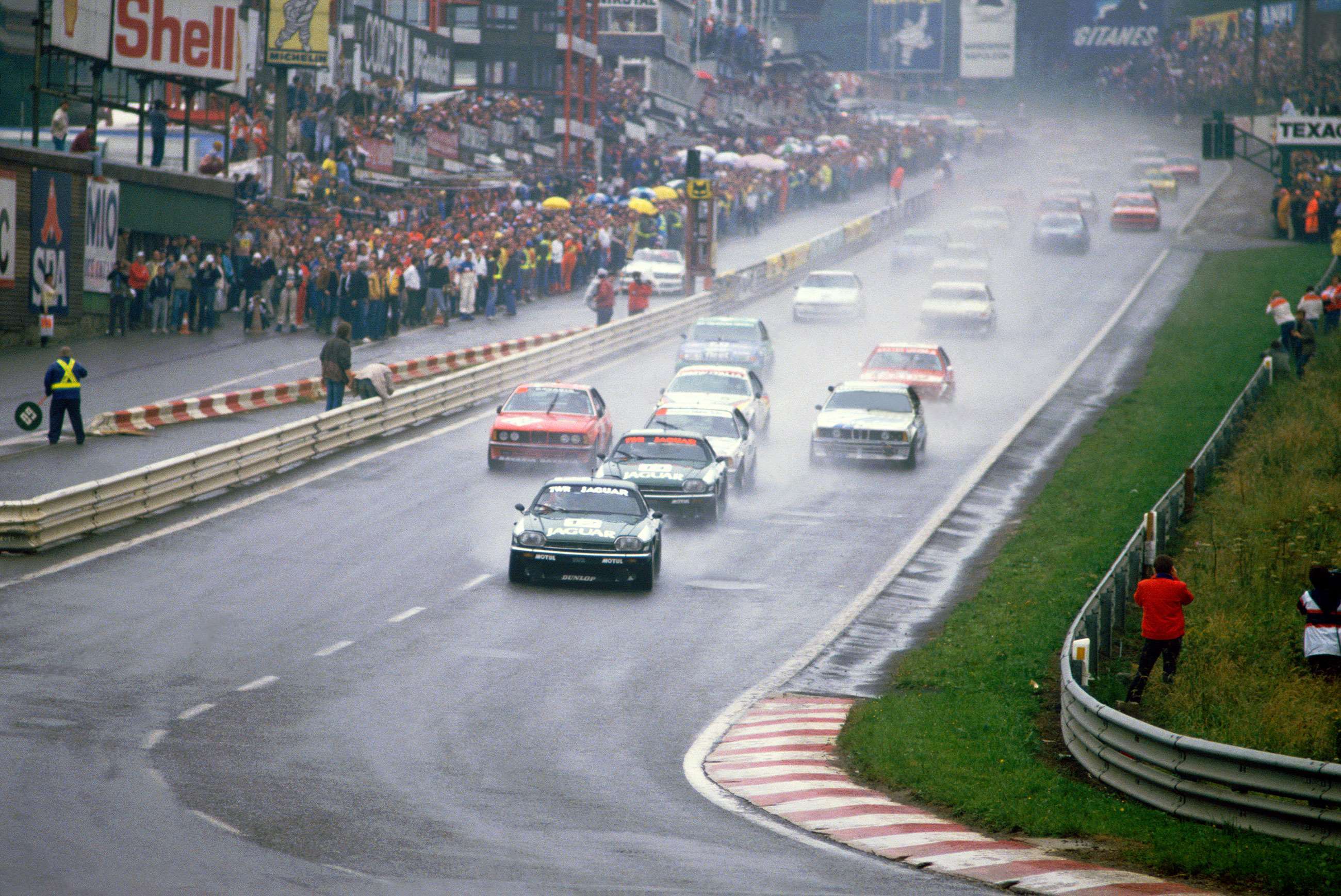
The TWR Jaguar XJ-S of Tom Walkinshaw, Win Percy and Hans Heyer storms into Eau Rouge in first position at the 1984 Spa 24 Hours.
Image credit: LAT Images/Stringer via Getty Images“Tom always had a good eye for what was going to work with the regs,” said Paul Davis, team manager for TWR’s XJ-S ETC campaigns. “The Jag had big wheel housings and you could get big wheel combinations in, which was all part of the new Group A rules — the bigger the engine, the more rubber you got.”
The link-up between TWR and Jaguar wasn't a conventional one. The team was initially paid on results, which worked for TWR; the new weapon quickly became a race winner. The XJ-S claimed four ETC victories in its maiden season in 1982, after which Jaguar stepped up its funding. Five wins followed in '83 and seven the next year when Walkinshaw himself was crowned ETC Champion.
The idea of TWR becoming involved in the sportscar programme had already taken hold. Davis remembers team members being present when Porsche driver Derek Bell was given permission to try out the XJR-5 at Silverstone immediately after the Silverstone 1,000Km in May 1983. The test was billed as an assessment of car's potential for Le Mans, but in truth was probably more PR stunt than technical exercise.
At the end of '83, Walkinshaw was present at a Group 44 test at Daytona. Egan was there, too, and asked Tullius at dinner one evening if the Scot could drive the car in the morning. Legend has it that Tullius declared it wasn't a matter for discussion and promptly left the restaurant.
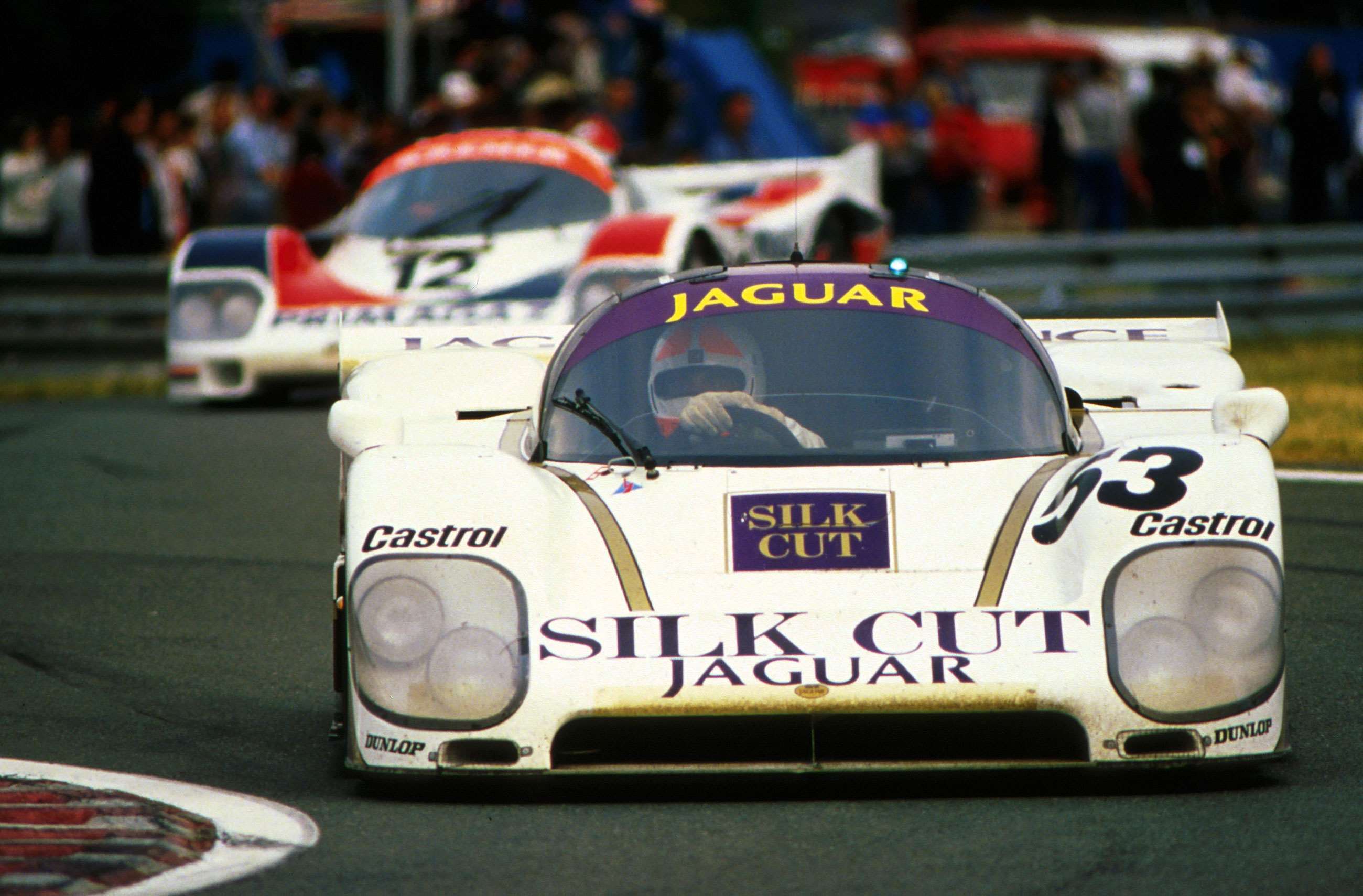
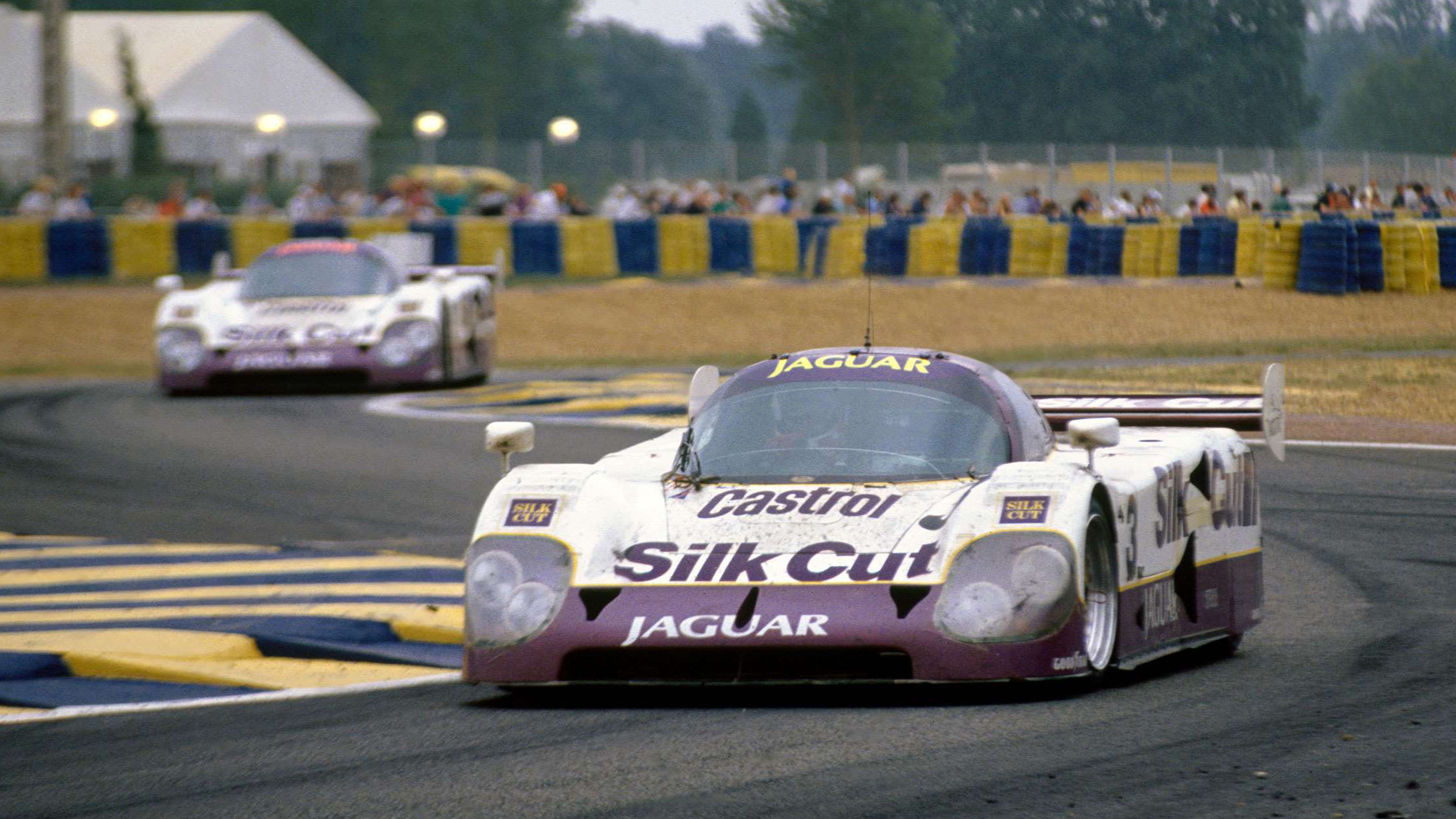
Making its debut at the 1986 Le Mans, the Jaguar XJR-6 of Gianfranco Brancatelli, Win Percy and Hurley Haywood.
Image credit: Sutton Images/Stringer via Getty ImagesBy the time Tullius went back to the Circuit de la Sarthe the following year, TWR's new XJR-6 Group C car was just a couple of months away from its race debut. Group 44 wouldn't go back to France and would confine its efforts to North America until being replaced by TWR for 1988. But Tullius always knew that he was on borrowed time.
After agreeing to the deal to enter the IMSA series back in '81, Egan told him two things: the first that he would take Jaguar back to Le Mans; the second that one day the factory would take over the programme.
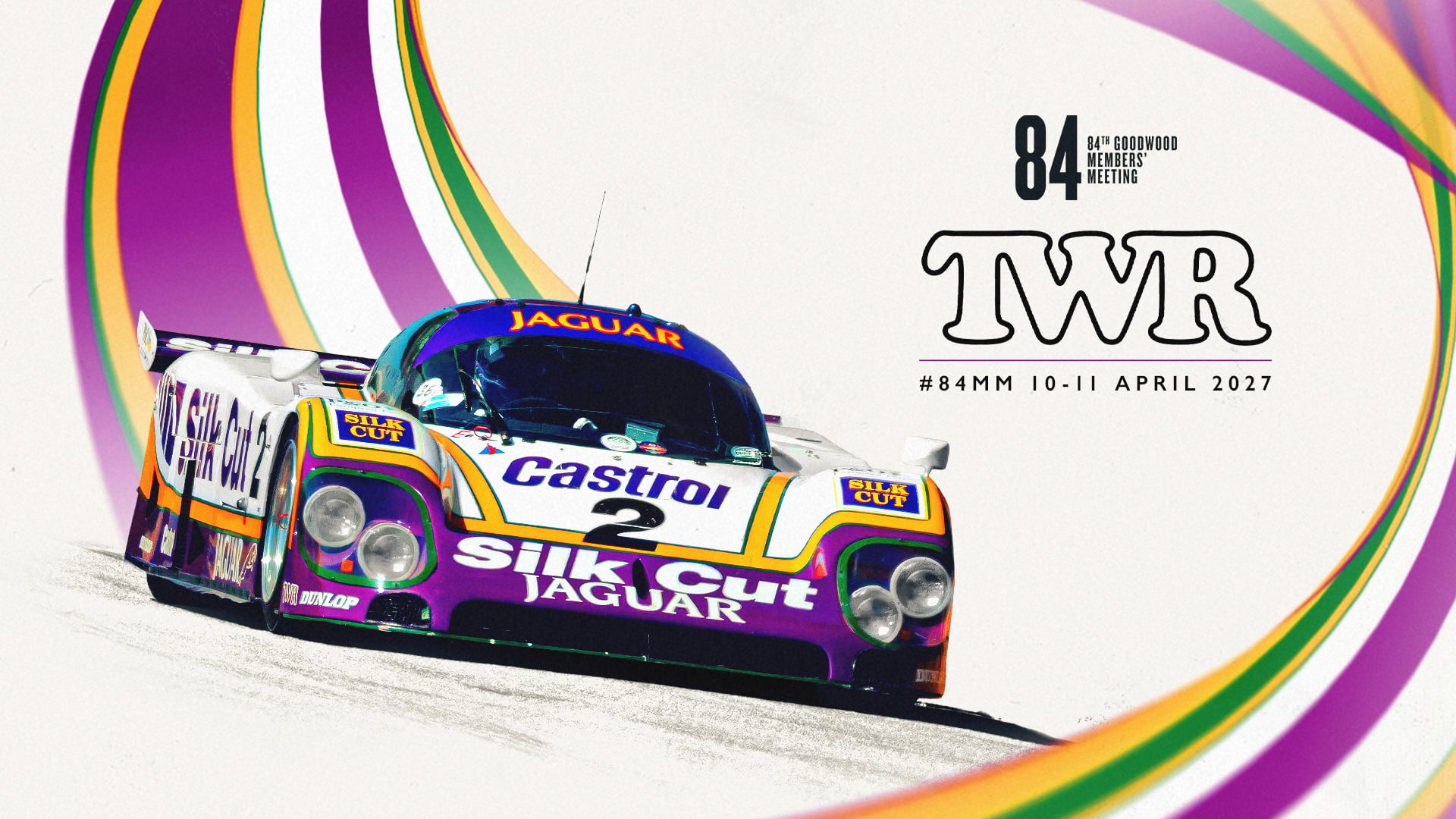
Tullius knew that Jaguar couldn't build and run cars in-house, but he understood the desire for “its race team, so to speak, to be a home team”. TWR became that team, and established a legacy with Jaguar that we cannot wait to celebrate at the 84th Members’ Meeting presented by Audrain Motorsport.
Main image courtesty of Sutton Images/Stringer via Getty Images.
The 84th Members' Meeting takes place on 10th and 11th April 2027. Tickets are now on sale to GRRC Members and Fellowship Members at the early bird price.
If you’re not already part of the GRRC, you can sign up to the Fellowship today to save ten per cent on your 2027 tickets and grandstand passes, as well as enjoying a whole host of other on-event perks.
TWR
Tom Walkinshaw
Le Mans
Le Mans 1984
Le Mans 1985
Le Mans 1986
Bob Tullius
Derek Bell
Jaguar
XJ-S
XJR-5
XJR-6
race
historic
TWR celebration
GRRC of America