
The parallel lives of Jack Brabham and Dan Gurney
Both travelled to Europe from far away to chase their road-racing dreams in the 1950s. Both earned the respect of their contemporaries (and each other) for their pure ability behind the wheel. And perhaps most obviously, both achieved the special feat of winning a Formula 1 Grand Prix in cars of their own construction.
When you think about it, Jack Brabham and Dan Gurney lived their racing lives in parallel, as rivals, team-mates and good friends. As we continue to rev up for our theme of ‘The Rivals — Epic Racing Duels’, to be celebrated at the Festival of Speed presented by Mastercard this summer, let’s recap on how the lives and careers of two F1 legends interweaved through the 1960s.
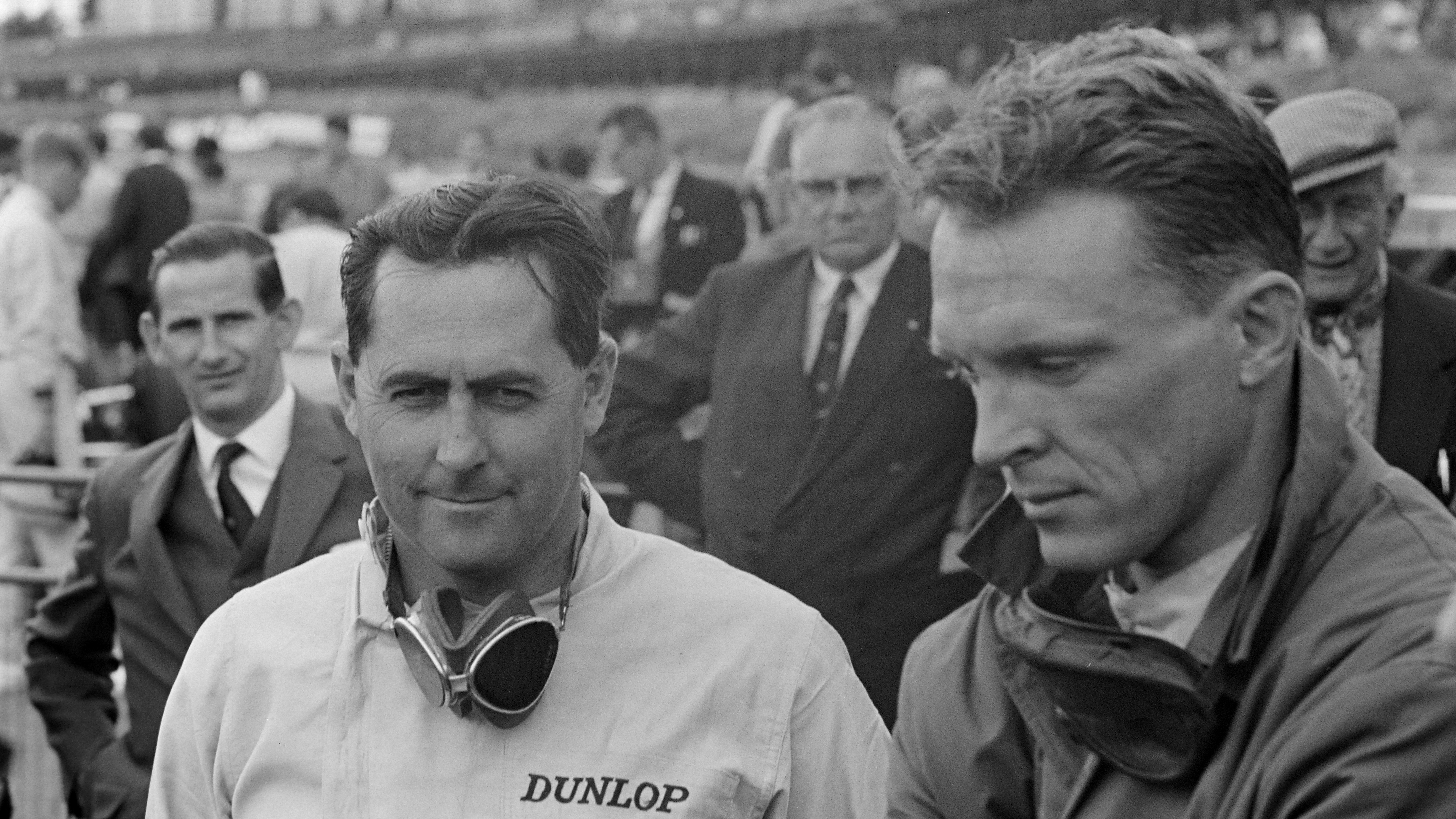
Far from home
Brabham left his dirt-track racing roots in Australia to establish himself on the European road circuits, while Gurney had a similar wider-perspective ambition from California. In 1959 both became established as part of a new generation of frontline F1 aces. Brabham won the Monaco Grand Prix, and with Cooper sensationally became the first World Champion powered by a car with an engine bolted behind his shoulders rather than in front of his feet.
Meanwhile Gurney broke through with Ferrari, with a strong consecutive run of second at the German Grand Prix at AVUS, third in Portugal and fourth in Italy, having only made his World Championship debut in France.
Where they differed most obviously was in Gurney’s unfortunate habit of leaving teams just before they were about to reap great success. While Brabham and Cooper took a dominant second F1 title during 1960, Gurney chose to leave Ferrari for BRM in the belief that the Prancing Horse was too wedded to front-engined F1 cars. Instead, the ‘Sharknose’ mid-engined 156 emerged for the new 1.5-litre F1 in 1961 and carried another American, Phil Hill, to the world crown. Not for the last time in his F1 career, it was a case of what might have been for the lanky Californian.
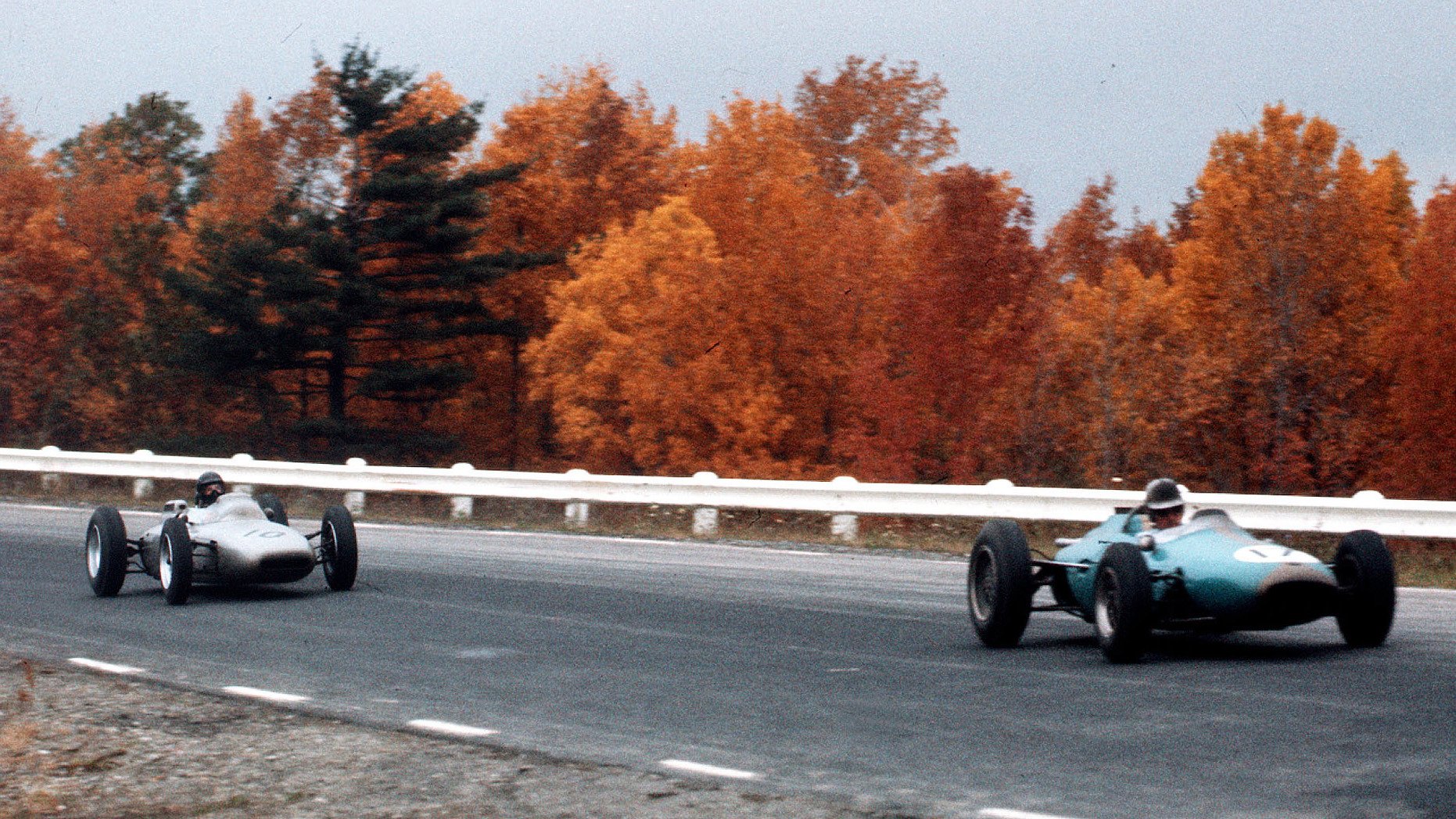
Jack Brabham, driving his Brabham BT3, leads the Porsche 804 of Dan Gurney during the 1962 United States Grand Prix at Watkins Glen.
Image credit: Getty ImagesThe foundation of Brabham
From BRM, Gurney switched to Porsche’s promising F1 campaign for 1961 and revelled in better reliability to show what he was made of, though that meant he missed out on BRM’s peak as Graham Hill won the 1962 Championship.
Meanwhile, Brabham recognised early that Cooper’s fortunes would slip as the rear-engined era really took hold in the new decade. Increasingly frustrated, he called on his old friend Ron Tauranac to emigrate from Australia and join him in Surrey. Together they formed MRD, but wisely chose to name the cars Brabhams when journalist Jabby Crombac quietly pointed out what the initials suggested in French. Merde. That might have been a hard sell on the continent, and sales were what it was all about in the beginning.
It’s important to remember MRD/Brabham was formed primarily as a builder of production racing cars, taking on Cooper at its own game and offering a far more robust alternative to Lotus.
Tauranac preferred solid spaceframe structures over Colin Chapman’s aviation-inspired monocoques, and so did tens of racing drivers, both amateur and professional, in the early 1960s. First Formula Junior, then Formula 3 and Formula 2 offered successful, lucrative and valued arenas for the new Brabhams.
But at the F1 pinnacle the new team took time to find its feet, as Brabham quickly found himself written off by some as a ‘has-been’ while Jim Clark, John Surtees and Graham Hill hit their stride.
Gurney, too, was building a reputation. In 1962, he became a Grand Prix winner, scoring what would be Porsche’s only F1 points-paying victory, at Rouen, then followed up with another win in the non-Championship Solitude Grand Prix. At Rouen, Brabham had been struggling in an ill-handling Lotus he was racing before his own first self-named F1 was ready, and lost control on a downhill right-hand bend. He recalled the following Gurney “gesticulating wildly” as he passed on his way to a landmark victory.
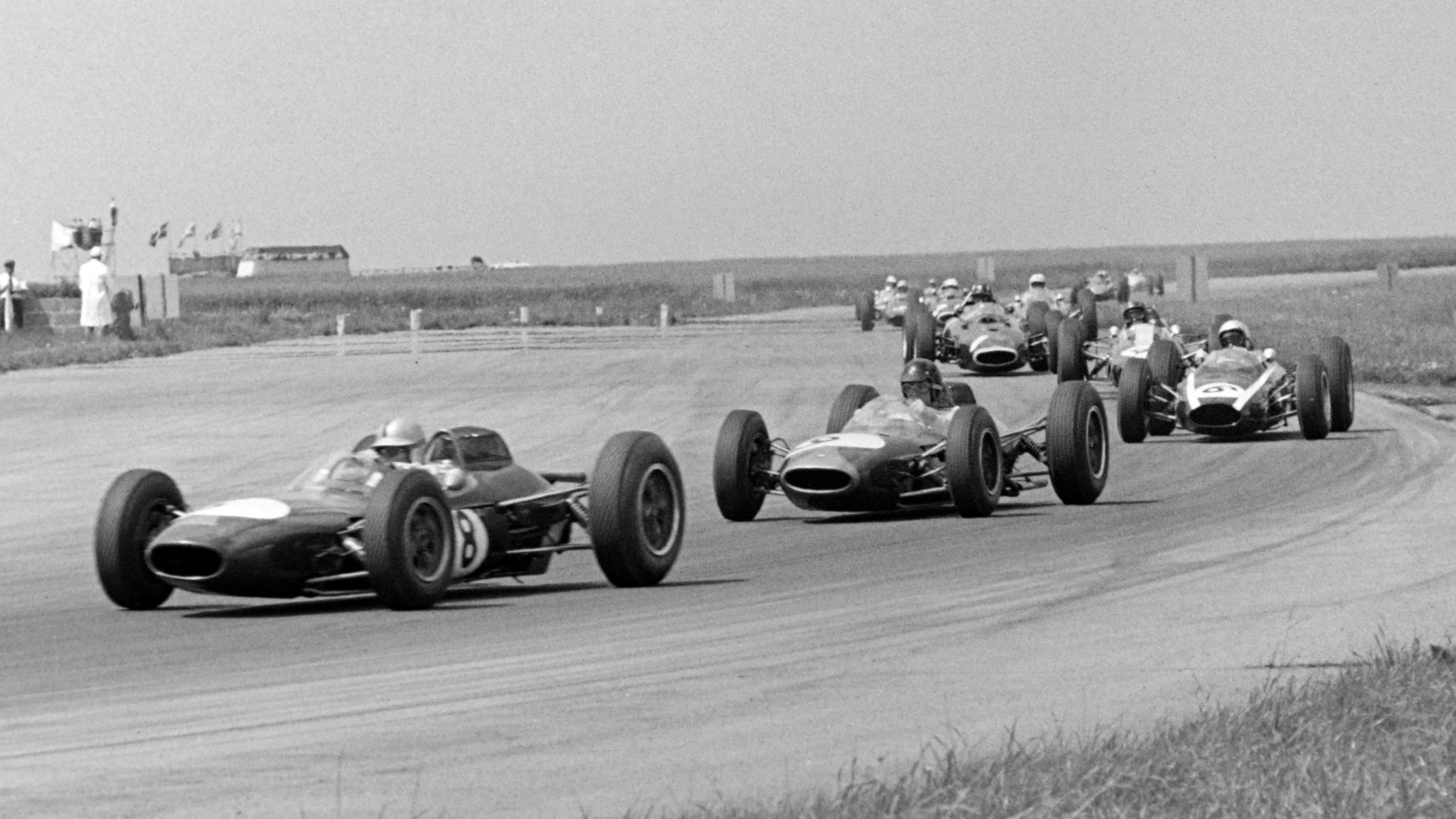
The Brabham BT7s of Jack Brabham and Dan Gurney lead the British Grand Prix at Silverstone, July 1963.
Image credit: Getty ImagesJoining forces at Brabham
Later that year, in a sportscar race at the Californian Riverside track, Brabham raced a Lotus 23 and was further impressed by Gurney in a Lotus 19. In the knowledge Porsche was pulling out of F1, Brabham made an approach. “He was a free agent, a good bloke, and considering his burgeoning talent, he wasn’t expensive,” Brabham wrote in his autobiography. Gurney thought about it, then made the commitment: he would be a Brabham Grand Prix driver from 1963.
By now, Gurney was considered by Jim Clark — the era’s clear benchmark — as his closest rival on pace, and Gurney inspired huge respect in his new boss, too. Across three seasons, Gurney was the perfect muse for Brabham to hone Tauranac’s increasingly stylish F1 creations. Yet somehow Gurney won just two World Championship Grands Prix for Brabham (although that was two more than the boss).
Brabham scored big non-Championship wins, including the 1963 Solitude Grand Prix to become the first to win an F1 race in a car bearing his own name. But it seems remarkable that, in the wake of his five on the trot with Cooper in 1960, Jack didn’t win a single points-scoring Grand Prix through the five-year 1.5-litre era.
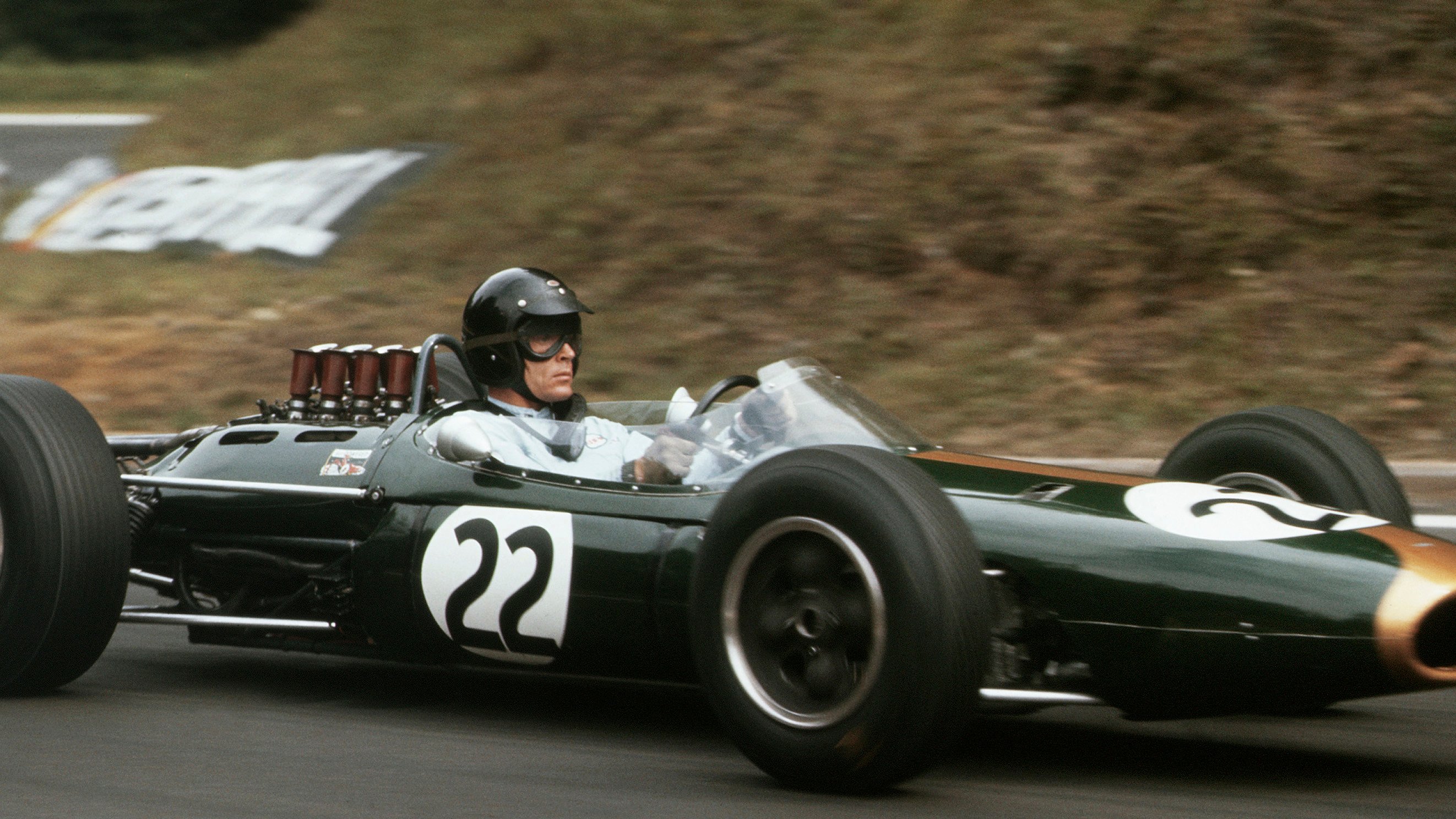
Gurney drove his Brabham BT7 to victory at the 1964 French Grand Prix at Rouen-les-Essarts.
Image credit: Getty ImagesGurney’s highlight was his French Grand Prix win in 1964. He should have won at Spa, dominating until he pitted for fuel with a couple of laps left, only to find the team had packed up for the day. But retribution followed at Rouen when Clark, who had inherited an unlikely win in Belgium, holed a piston in his Climax.
Gurney picked up the pieces to score Brabham’s first World Championship Grand Prix victory, and at season’s end he added a second when a split oil line lost Clark not only the Mexican Grand Prix but also a second Championship. But after a frustrating 1965, in which Gurney often drove beautifully without ultimate reward, he broke the news that he was leaving to take a leaf and build and race his own cars.
His Eagle was ready to take flight as F1 returned to power with 3-litre engines in 1966. Bad timing on Gurney’s part — again: had he stayed he might well have won the World Championship for Brabham in the re-set season. Instead, the boss — at 40 — defied the ‘has-been’ jibes. The team in green and gold was ready to hit its sweet spot.
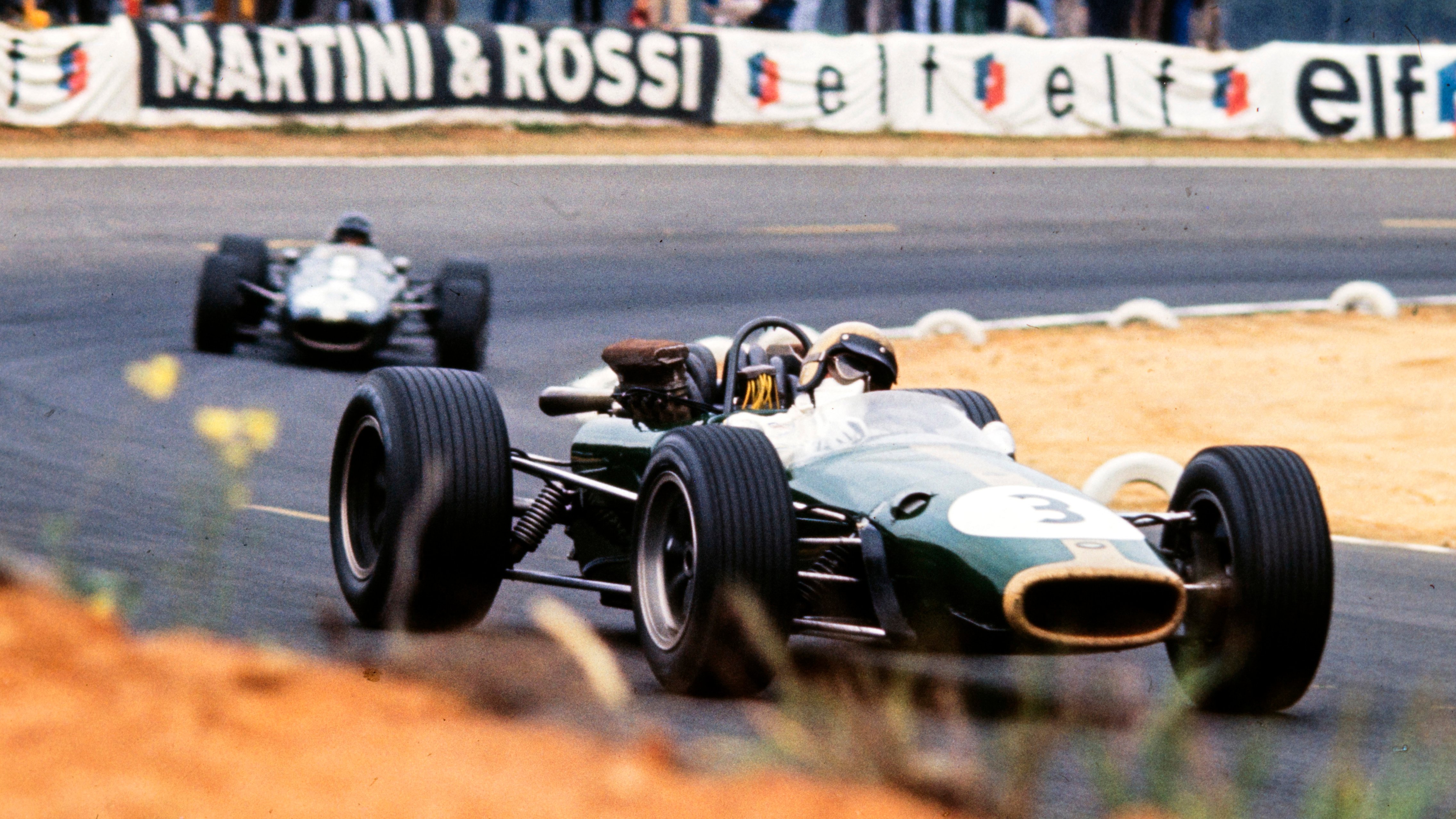
Jack Brabham (Brabham BT24 Repco) and Dan Gurney (Eagle T1G Weslake) race their own cars at the French Grand Prix, July 1967.
Image credit: Getty ImagesWinning in their own cars
How Brabham stole a march on the rest of F1 with a Repco V8 created from a stillborn Oldsmobile project is a too-often overlooked landmark. As Lotus essentially trod water before the Ford-Cosworth DFV was ready, and the John Surtees-Ferrari alliance imploded after a final victory together at Spa, Brabham scorched to four consecutive Grand Prix wins and a glorious third World Title. No one else will likely ever match his feat of winning a Championship in a car bearing his own name.
Meanwhile, Gurney also began to soar in his Eagles — considered by many as the most beautiful F1 creations from any era. That first year in 1966 Gurney made do with a 2.7-litre Climax until Weslake’s V12 was ready towards the end of the season. Then in 1967, everything came together. First, he scored a fine win, claiming both heats and the final at the non-Championship Race of Champions at Brands Hatch.
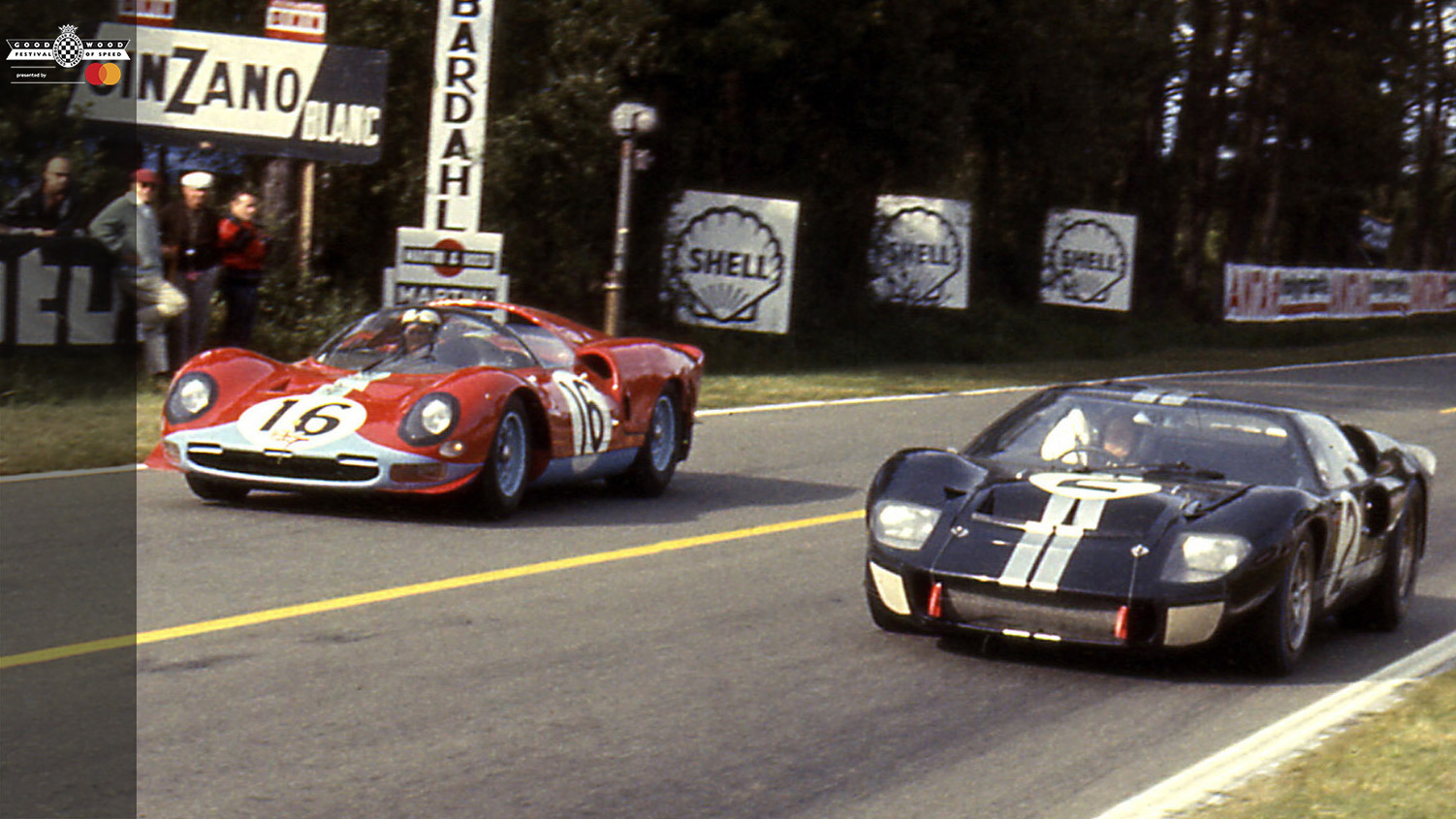
Then in the span of a single week, Gurney joined forces with fellow US legend AJ Foyt to win Le Mans for Ford, before heading to Spa for the Belgian Grand Prix. Despite being caught out by an unexpectedly quick flag-fall at the start, Gurney achieved his ambition by winning a points-paying Grand Prix in one of his Eagles. He was on top of the world.
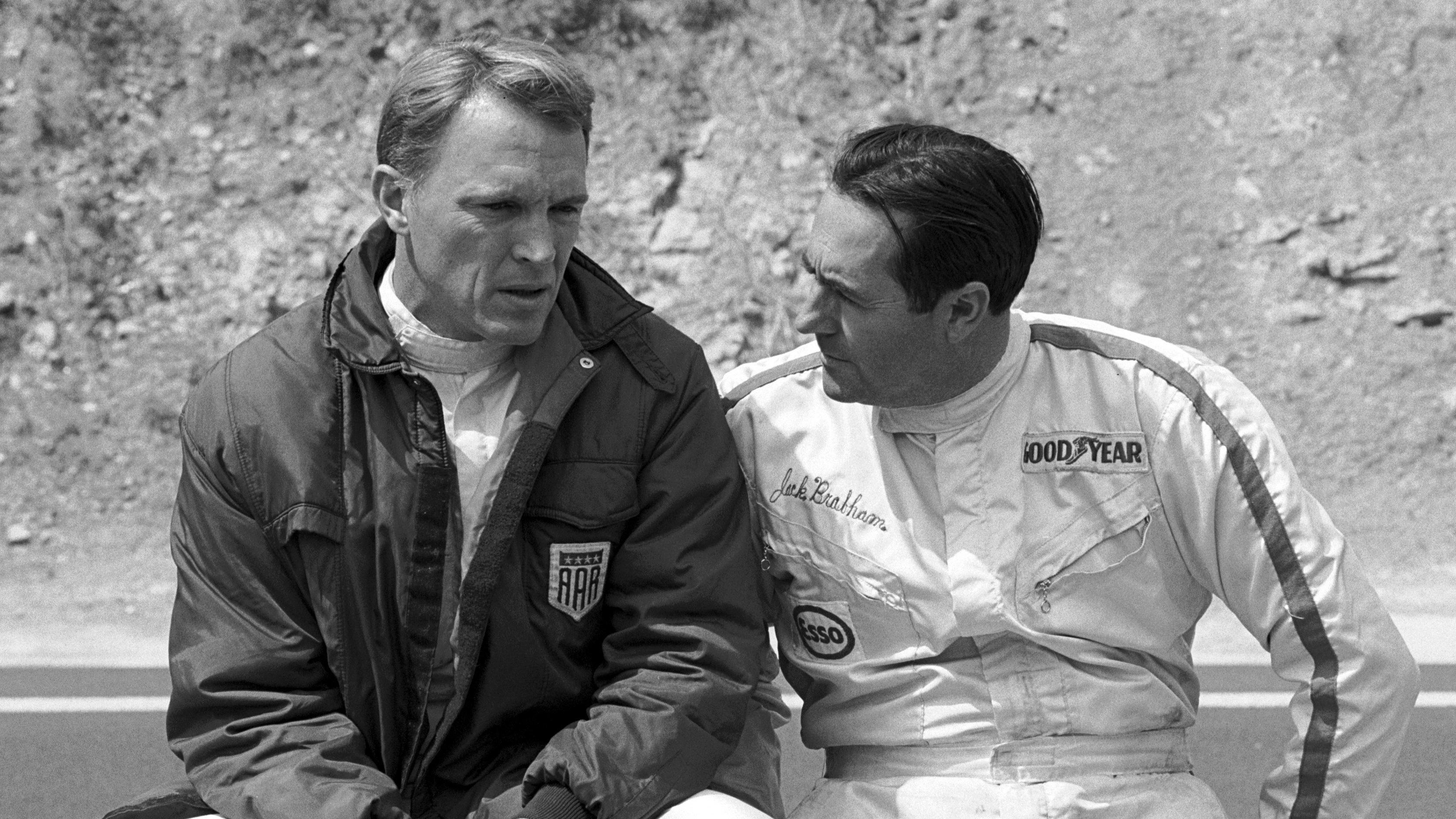
Both Gurney and Brabham, pictured here at the French Grand Prix, competed in their final F1 races in 1970.
Image credit: Getty Images.End of their eras
The Brabham-Gurney parallels are not identical in the late-1960s, but there are still elements that show similarities. As Brabham achieved back-to-back Constructors’ crowns in 1967, with Denny Hulme claiming the Drivers’ Title, Eagle began to wilt. The loss of Goodyear support eventually forced Gurney to pull the plug on his F1 team, with a heavy heart, at the end of a 1968 season, during which he made a cameo return to Brabham at the Dutch Grand Prix.
Meanwhile, Brabham’s Repco advantage turned into a deficit, only for a switch to the soon-to-be-ubiquitous DFV to revive the team’s fortunes. Brabham enjoyed his Indian Summer season in 1970 at the age of 44, with a final Grand Prix win in South Africa and infamous last-lap near-misses at Monaco and Brands Hatch. But time was running out for him.
At season’s end, and with some regret, Brabham stepped away from the cockpit. Team ownership alone held little allure and soon he left MRD/Brabham to Tauranac, who then sold it on to a small man with big ambition… Bernie Ecclestone would create a second and very different version of Brabham.
As for Gurney, he too raced in his final Grand Prix in 1970, subbing for another old friend and fellow winning driver/constructor Bruce McLaren. The Kiwi had been killed testing a Can-Am car at Goodwood, so Gurney stepped up to help the traumatised McLaren team get through the Dutch, French and British Grands Prix.
But by now, his heart was no longer in it. He admitted to feeling “lonely” in F1, such had been the death toll of friends and comrades in motor racing. But unlike Brabham, he would stick with team ownership, leading Eagle to successes at the Indianapolis 500 and in IMSA sportscar racing through the years and decades to come.
They were cut from the same cloth, Brabham and Gurney, and they shared so much, in alliance and as rivals through the swinging 1960s. Both shone bright amongst one of motorsport’s most celebrated golden generations, in the days when rivalries and friendships were a common and happy cocktail.
Tickets for the Festival of Speed are on sale. Saturday and four-day passes are now sold out and Friday tickets are limited. If you’re not already part of the GRRC, joining the Fellowship means you can save ten per cent on your 2026 tickets and grandstand passes, as well as enjoy a whole host of other on-event perks.
Main image courtesy of Getty Images.
formula 1
f1
fos 2026
The Rivals
Jack Brabham
Dan Gurney


Subscribe to Goodwood Road & Racing
Thank you, you’re now subscribed

How many hay bales are used at FOS?
For the last two years, 5,800 bales have been recylced into the biomass energy centre to be used for energy generation