
Before Brawn: The F1 car Honda would have made
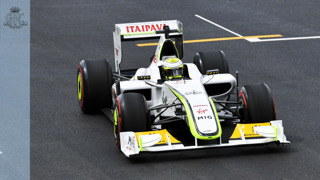
The Brawn BGP001 achieved success beyond anyone’s imagination after Ross Brawn’s famous £1 takeover of the Honda Formula 1 team, but before the giant manufacturer decided to pull the plug on its F1 efforts, it had already undertaken extensive research and development on another potential 2009 challenger.
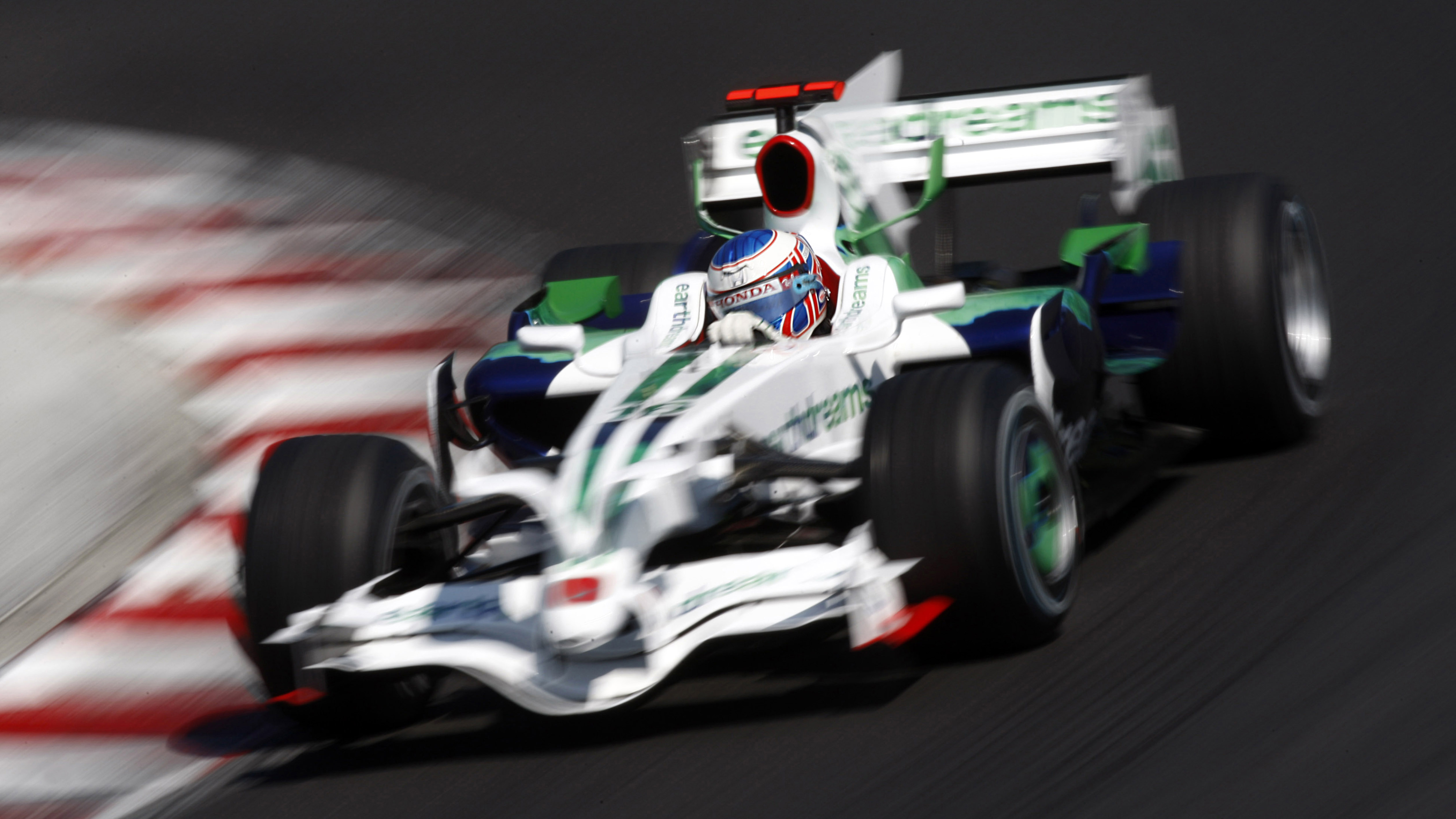
It was called the RA109, and while Honda’s withdrawal eventually condemned it to a life in the shadows, work on the car didn’t come to an immediate end. While the BGP001 took shape in Honda’s old Brackley factory, Honda’s core team in Tochigi, Japan continued to work on the RA109 while the Brawn takeover was finalised.
At first glance it was a conventional design with simplified bodywork to conform with F1’s aerodynamic regulations overhaul and pushrod front and rear suspension.
The nose cone, however, was a major differentiator between the RA109 and the BGP001. Many of the early designs were drawn up with a small, narrow shape taking preference, in contrast to the Brawn’s low, wide nose cone. A likely explanation to that would simply be an alternative aerodynamic philosophy, but we know now that there was more to it than that.
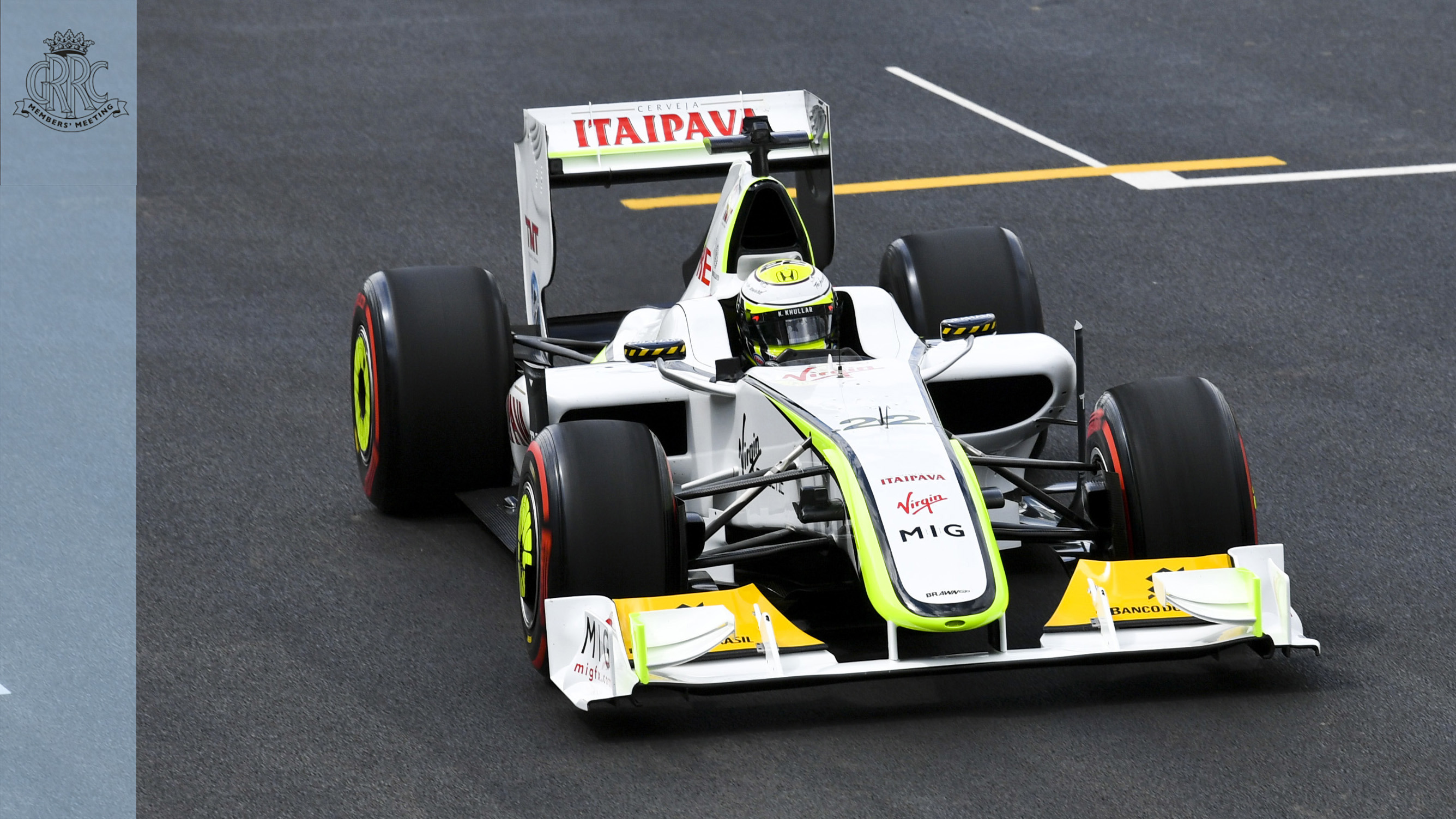
The regulations changes for 2009 also introduced KERS (Kinetic Energy Recovery System), a brand new concept that worked to store energy recovered under braking in a battery, which could then be deployed to boost the engine’s power output. Only a handful of teams eventually decided to run with KERS in 2009, but many, including Honda, had been testing the system throughout 2008.
There were actually two versions of the RA109, the RA109K which featured KERS, and a second car, which didn’t. What made this particular car so intriguing was the positioning of the battery under the nose cone, rather than what became the more traditional placement under the fuel tank or around the bell housing.
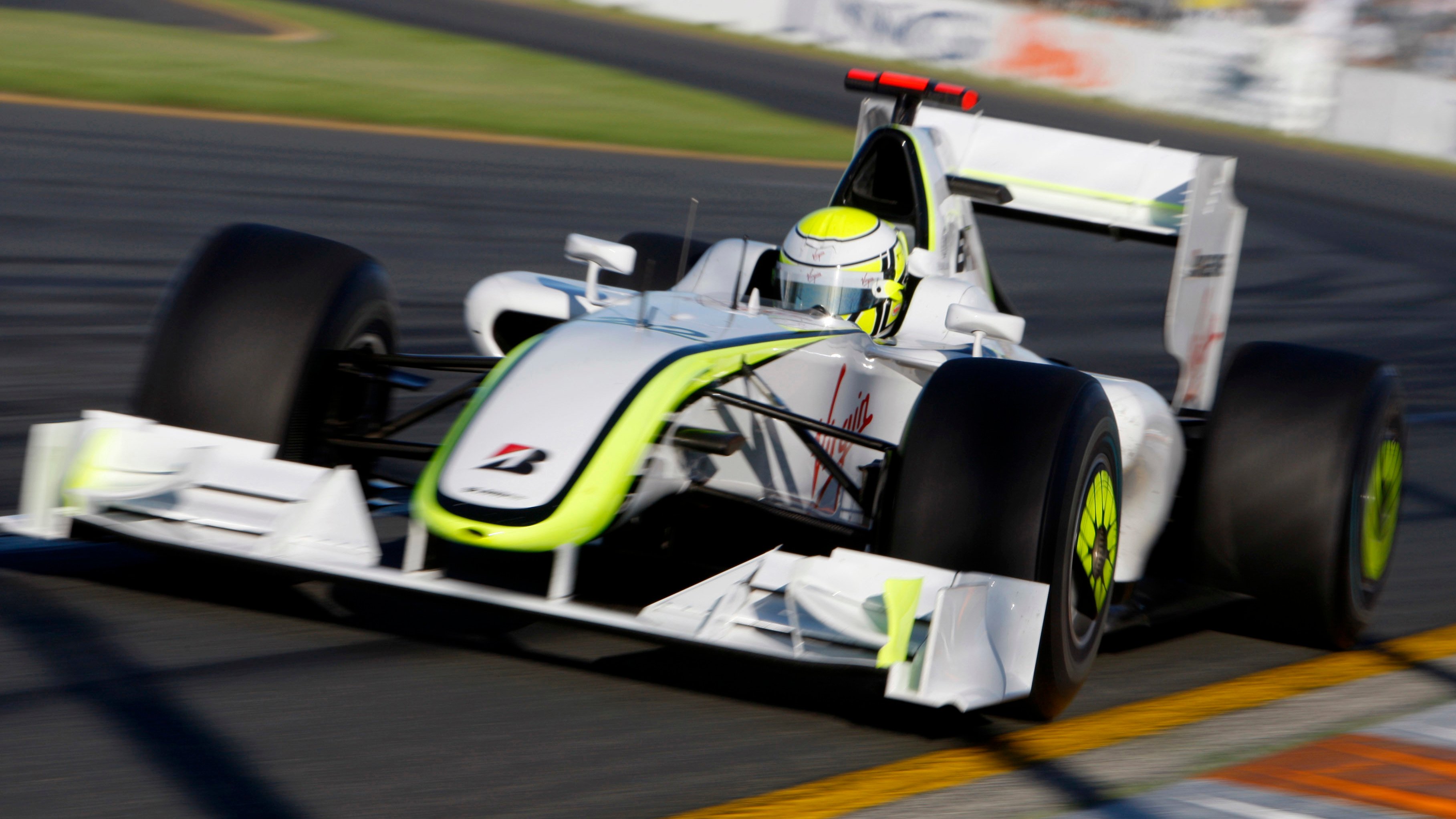
While Honda tested it, the Brawn BGP001 never ran with KERS, but both designs sported a double diffuser.
Image credit: Getty Images.Brawn never ran its car with KERS, the additional weight implications and financial concerns made it a low priority for the team. Its success suggests the right call was made, but we’ll never know whether Honda’s alternative philosophy might have yielded its own success.
The RA109 also featured a more compact differential than the norm, positioned in the transmission to reduce the distance between the final driveshafts; this too never made it into the BGP001.

One thing that Brawn did carry over into its own car was the double diffuser. This innovation was one of the biggest talking points of the 2009 season. Brawn, alongside Toyota and Williams, exploited a loophole in the new aerodynamic rules and arrived on track with unique stacked designs that gave them a huge performance advantage. Holes in the underbody of the diffusers fed a channel above the main diffuser to create more volume and, significantly, more downforce.
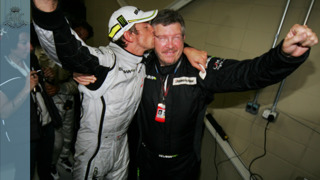
It’s this detail that gave Brawn such a quick car at the beginning of the season, which ultimately led the team and Jenson Button to become World Champions in 2009, Honda’s plans for the RA109 also featured a double diffuser. As it was, Button and Rubens Barrichello could’ve found themselves with an advantage no matter the badge on their car.
One thing’s for sure, the BGP001 would’ve been even faster were it not for the need to crowbar a Mercedes engine into the back of it following Honda’s departure.
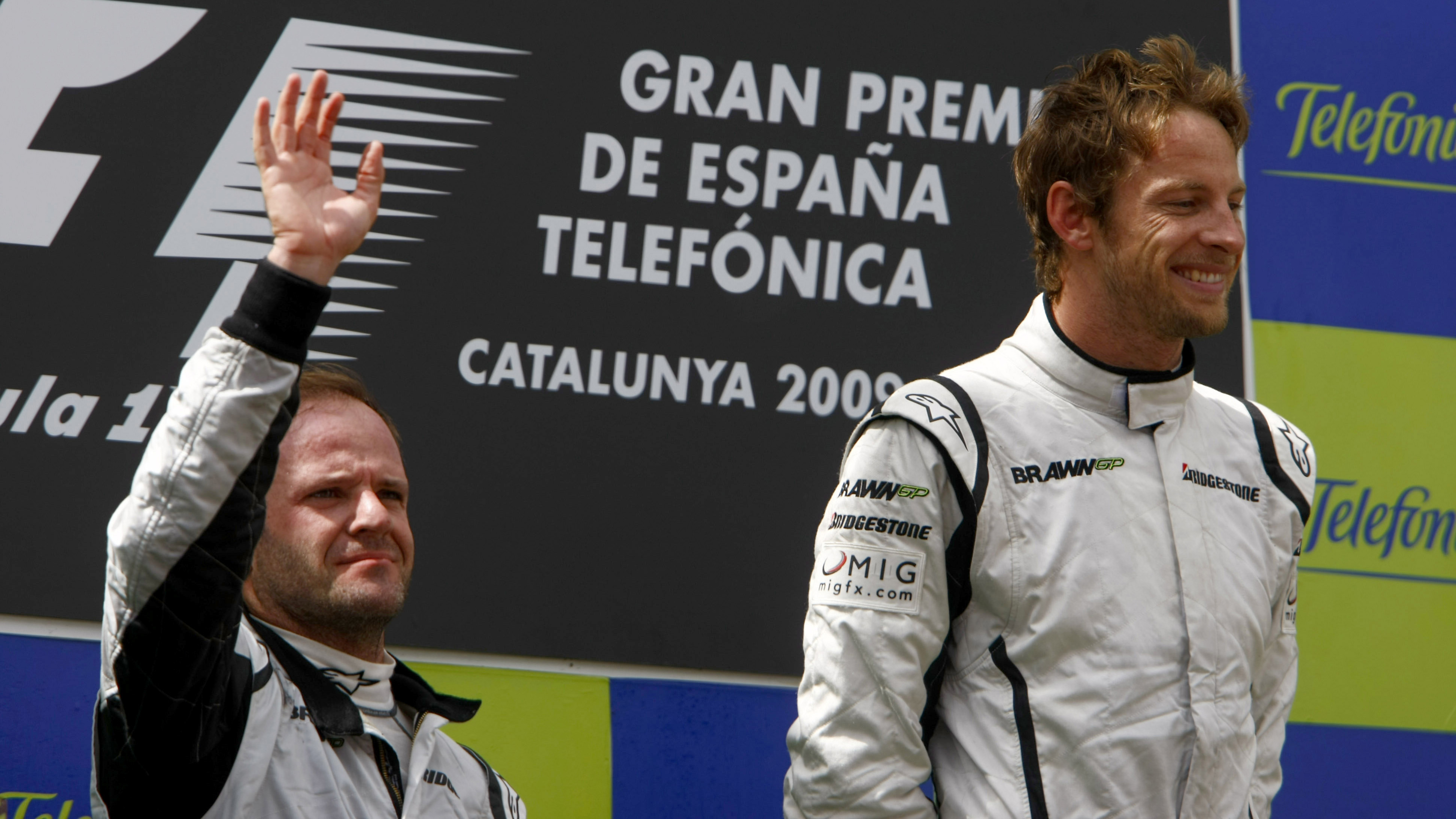
Jenson Button and Rubens Barichello took eight wins between them to guide Brawn to the 2009 Constructors' Championship, including four 1-2 finishes.
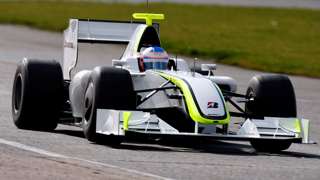
Image credit: Getty Images.The RA109 had a sleeker appearance than the somewhat more bulky Brawn, elements such as the cooling ducts were smaller and squarer than the wider, longer ducts that appeared on the BGP001. The Brawn team was forced to hack six inches off the back of the car to get the new engine to fit, which without doubt had a negative impact on the Brawn’s centre of gravity.
Hybrid or not, ultimately we’ll never know the true potential of the Honda RA109. While the Brawn’s rapid development was aided by the extensive work Honda had done in 2008, and some similarities can be found between the two, the BGP001 designed by Loïc Bigois was a substantial departure from that original concept.
A creation so effective that Brawn immediately felt the need to conceal its true capabilities when it hit the track for the first time. We’ll never know if the Honda RA109 would have had the same impact, but what’s to say this unique design wouldn’t have produced a fairytale of its own?
The 83rd Members' Meeting presented by Audrain Motorsport takes place on the 18th & 19th April 2026. Tickets are on sale now for GRRC Members and Fellows
You can sign up for the Fellowship now. Click here to find out more.
formula 1
f1
f1 2009
honda
Brawn
Brawn GP
jenson button
83mm
83rd members' meeting

Subscribe to Goodwood Road & Racing
Thank you, you’re now subscribed

How many hay bales are used at FOS?
For the last two years, 5,800 bales have been recylced into the biomass energy centre to be used for energy generation