
Andretti vs. Peterson: An ‘arranged’ rivalry
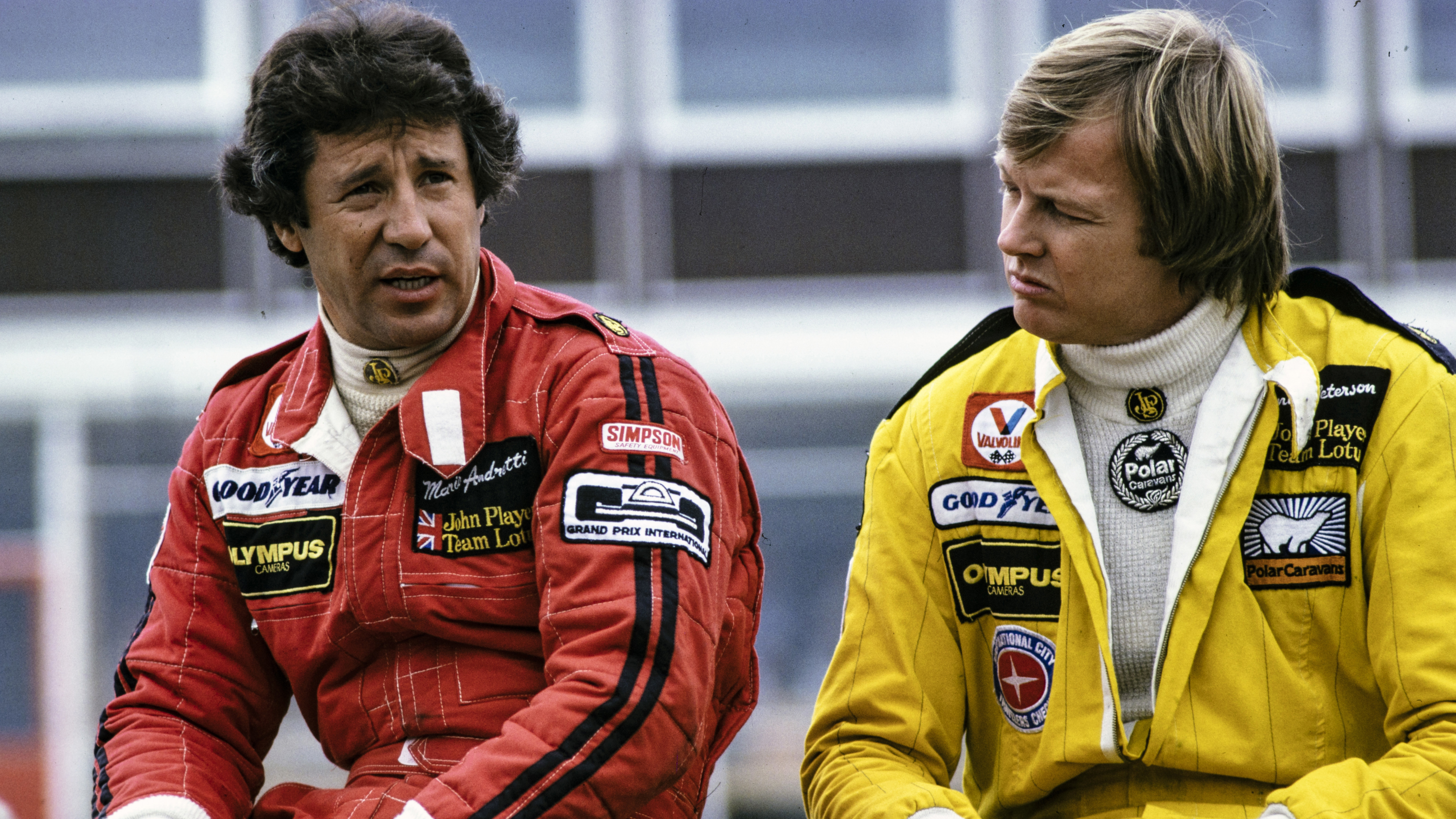
Did team orders and preferential treatment for one over the other thwart the faster Lotus driver from taking what he deserved from the 1978 Formula 1 season? That was the sniping insinuation that surrounded the rivalry between team-mates Mario Andretti and Ronnie Peterson 48 years ago, as Lotus swept to what turned out to be its final World Championship glory with the striking ‘Black Beauty’ Type 79.
Andretti vs. Peterson remains a classic F1 rivalry all these years later, and as the Festival of Speed presented by Mastercard gears up to celebrate ‘The Rivals — Epic Racing Duels’, let’s scroll back and recount how that old perception is unfair.
Andretti’s hard yards
One-team domination was less common in the 1970s than it’s become in the modern era. Today, the Lotus tally across 1978 doesn’t sound all that impressive compared to later feats achieved by Michael Schumacher at Ferrari, Lewis Hamilton at Mercedes and Max Verstappen at Red Bull. But at the time, the black and gold cars winning eight out of 16 races — with four 1-2s — was considered true domination.
Andretti scored six of those eight wins to be crowned World Champion, as Lotus sucked (in a good way) with its ground-effect Type 78, introduced in 1977, and the 79 that really hammered home the team’s pioneering advantage when it appeared from the sixth round of 1978. But the seeds of Andretti’s title had been sown years before, and to a significant extent by the man himself.
Andretti first met and discussed F1 with Colin Chapman in 1965 at the Indianapolis 500, where as a rookie he finished third behind winner Jim Clark. Three years later, Andretti made a sensational Grand Prix debut for the team at Watkins Glen when he took pole position, but the Italian-born American wasn’t yet ready to make a full-time commitment to F1. For years Chapman and Andretti danced around each other until finally, when both were at a low ebb in 1976, opportunity knocked for them to join forces.
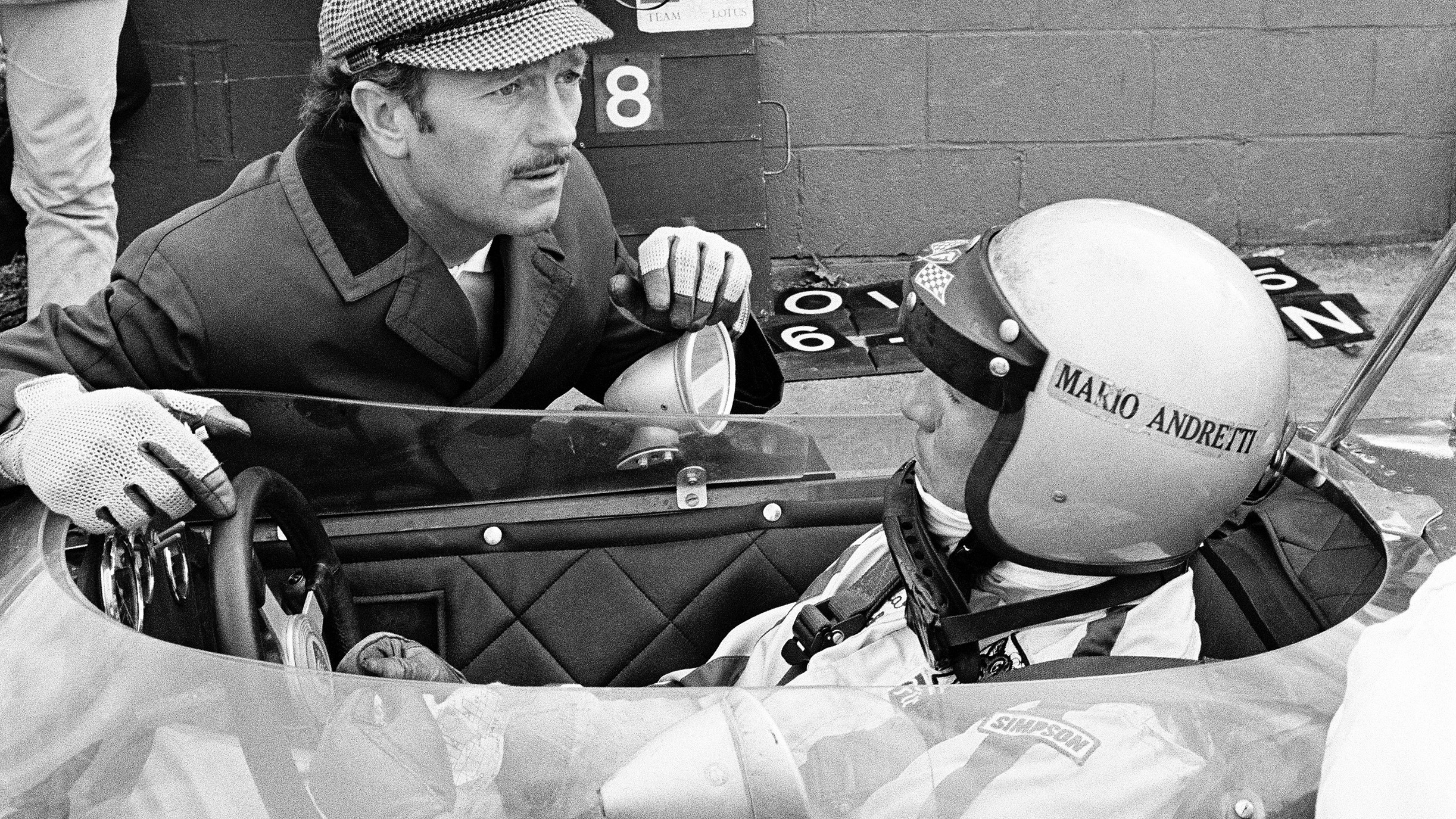
Andretti made his Grand Prix debut with Lotus at Watkins Glen, October 1968.
Image credit: Getty ImagesThe scene was the Queensway Hilton Hotel the morning after the Long Beach Grand Prix, where Andretti had discovered on the grid that the team he was driving for, Vel’s Parnelli Jones, was pulling out of F1. Meanwhile, Chapman had found his team reduced to the status of backmarker at the Californian street race. Unthinkable for such a team, but that was the stark reality.
“I’m having breakfast and Colin is all by himself a few tables away,” Andretti recalled. “I’m looking at him, he’s looking at me, so I said, ‘Colin, can I join you?’ We talked. He said, ‘Mario, I wish I could offer you a decent car. You know, our car is not good. We had the worst weekend’. I said, ‘Colin, if you’ll have me on your team, we’ll make it better. But I need to be number one, because there’s only one best engine, one best chassis, one best engineer’ — which turned out to be him. And that was the deal.”
Why Andretti was rattled by Peterson’s signing
Within months, Lotus had clawed its way back. Armed with the ground-breaking 78, Andretti could (perhaps should) have triumphed in 1977, without Cosworth engine failures and Lotus unreliability. Now he knew 1978 was his big chance to achieve his greatest racing ambition, one that had its roots in his 1950s childhood hero worship of Alberto Ascari. He and Lotus were ready to win the World Championship.
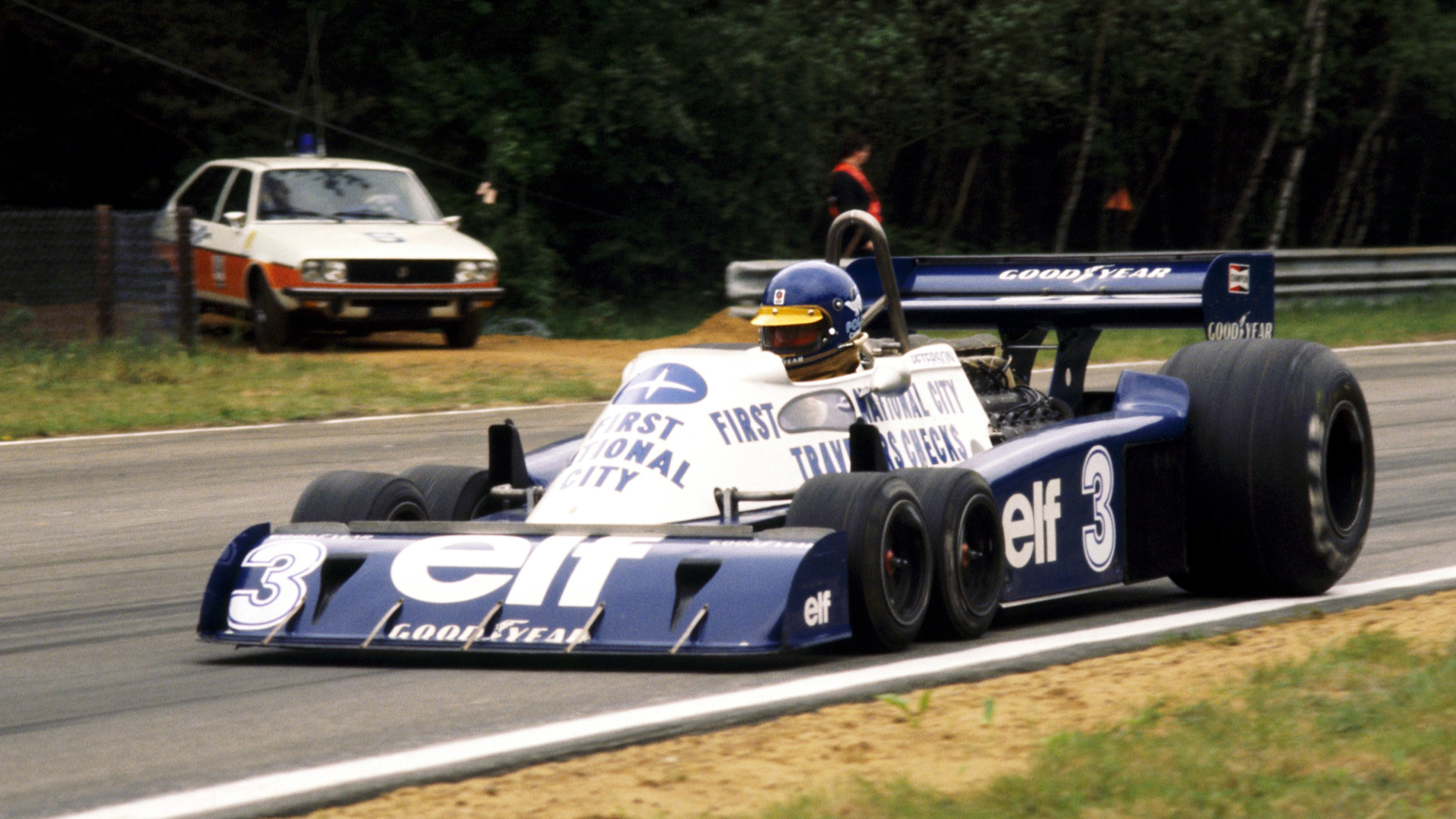
Peterson competed with Tyrrell for the 1977 season, where he suffered ten retirements. His best result with the P34B was a third in Belgium.
Image credit: Getty Images.So why on earth had Chapman signed Ronnie Peterson? The man fondly nicknamed ‘SuperSwede’ was at his own low ebb having quit Lotus early in 1976, then drifted into March and Tyrrell. Lotus needed a driver and known quantity, thanks to Andretti’s 1977 team-mate Gunnar Nilsson contracting the cancer that would eventually kill him, and from Chapman’s view Peterson made sense. Not so for Mario.
“I had nothing against Ronnie — I’d always liked him — but I had my doubts the arrangement would work,” said Andretti in World Champion, the book written by Nigel Roebuck to commemorate his title. Some had written off Peterson as past his best by this stage. But Andretti knew better, and that was the problem.
The ‘arrangement’
Having worked so hard to help Lotus recover its form, Andretti wasn’t about to watch a new team-mate waltz in and benefit from his graft. That’s why Peterson signed on a pre-ordained condition — one that he agreed to willingly and with his eyes wide open.
“When I signed my Lotus contract for 1978, it was as number one driver,” said Andretti. “I mean, that was unequivocal. I felt it was my due. And Ronnie signed as number two, which he well understood and accepted. I’d known him for a long time, and I knew he was an honourable guy… I felt that I’d played my part in bringing the team back to the front, and I also felt that 1978 would give me my best shot at the title. I didn’t want anything to screw that up.”
He also made a good point: “When Peterson and [Emerson] Fittipaldi ran together for Lotus in 1973, they won a whole bunch of races — and neither won the Championship!” Indeed, Fittipaldi quit for McLaren after Chapman refused to invoke team orders in his favour at Monza, where Jackie Stewart took the crown. This time it had to be different.
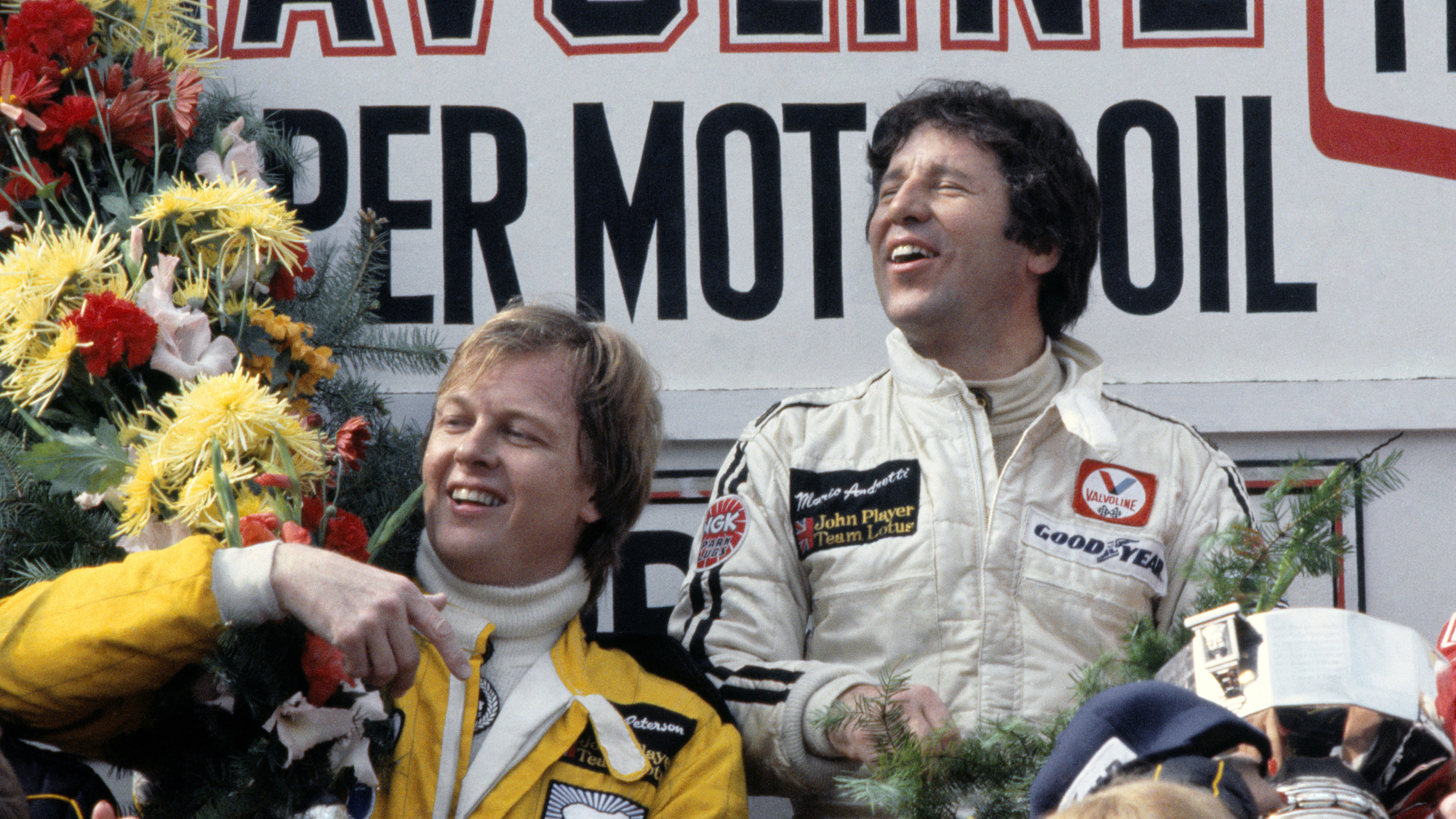
Andretti and Peterson celebrate on the podium after securing a 1-2 finish for Lotus at the Belgium Grand Prix, May 1978.
Image credit: Getty ImagesHow Andretti earned his title
So, a dreaded team orders arrangement was enshrined at Lotus in 1978. But how much effect did it really have? Look back over the races Andretti won (and lost) that year, and he earned every single point on merit. Peterson didn’t help him to his title.
The season started perfectly in the old 78 with a convincing win for Mario in Argentina. Thereafter, a Michelin tyre advantage helped Carlos Reutemann’s Ferrari beat him in Brazil. Then he was left infuriated in Kyalami when Chapman (typically) chose to run him light and he ran out of fuel. Peterson picked up the win after a last lap pass on Patrick Depailler’s Tyrrell, which itself was gasping for fuel.
It was at Zolder, when the 79 was given its Grand Prix debut after a promising first run at the non-championship Silverstone International Trophy, that the Lotus domination truly kicked in, and Andretti and Peterson formed the black-and-gold train. They scored a 1-2 in Belgium, then another at Jarama.
The anomaly of the Swedish Grand Prix followed, where Brabham wheeled out its game-changing BT46B fan car for Niki Lauda to controversially win. Had it not been withdrawn thereafter amid a hail of anger from Chapman and others, the rest of the season would likely have been very different. But without it, Andretti and Peterson resumed their 1-2 record at Paul Ricard, at which point the former looked a nailed-on Champion.
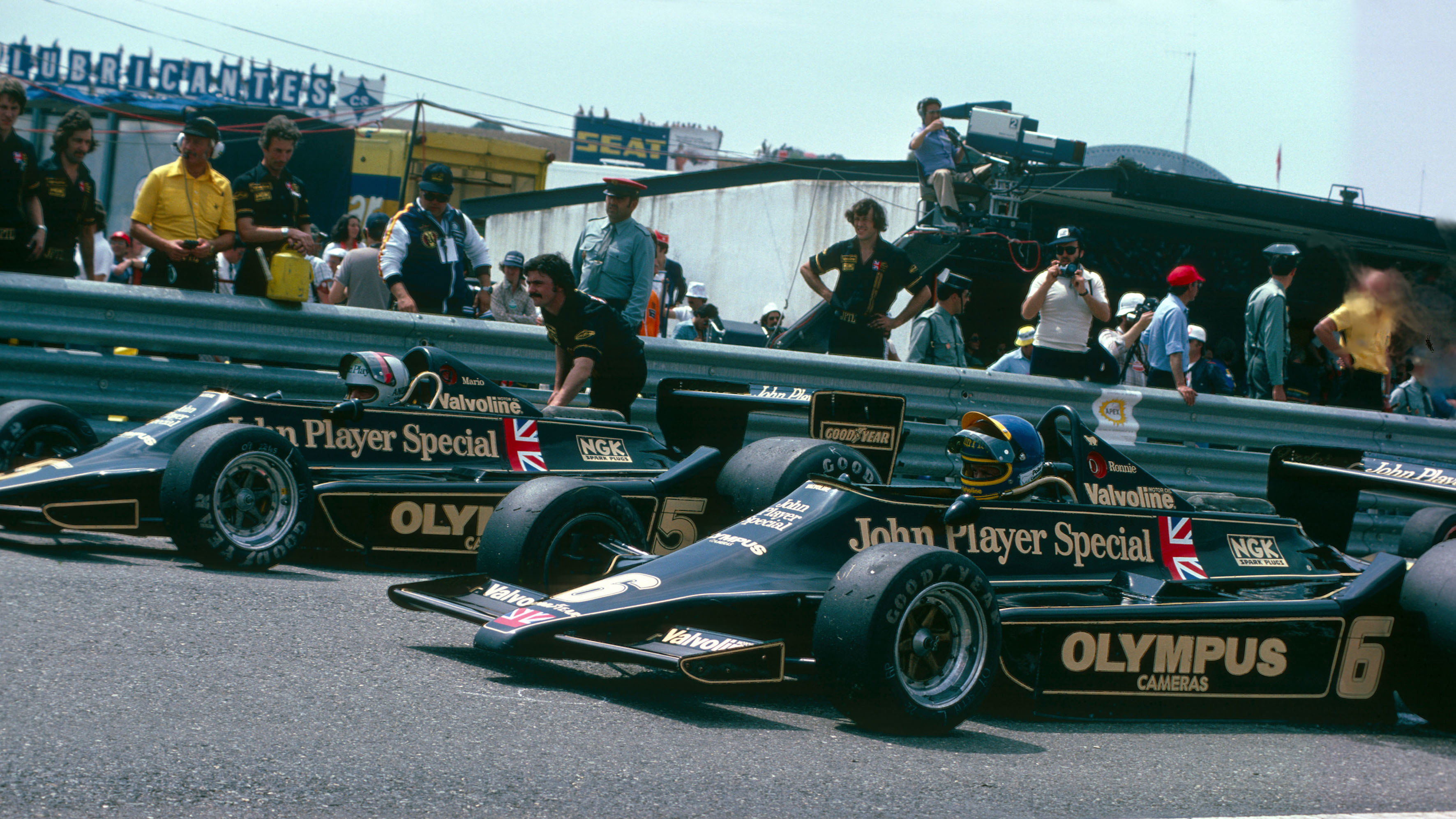
The two Lotus 79s line up first and second for the 1978 Spanish Grand Prix. Andretti led Peterson to another 1-2 finish.
Image credit: Getty ImagesPeterson still looms
But it didn’t turn out to be so easy. At Brands Hatch, talk about the ‘arrangement’ began to spread. Was Peterson being treated unfairly? Andretti openly admitted he was the contracted number one and ignored the grumbles of criticism. On track, both Lotuses failed to finish, allowing Reutemann to gain ground.
At Hockenheim, Peterson passed his team-mate on the opening lap, Andretti then stuck to his gearbox and passed him back on lap five into the stadium. While the Swede didn’t fight too hard when he came past, it would be a stretch to say he handed the lead over. Andretti won in Germany, with Peterson failing to go the distance because of a gearbox stuck in fourth gear, and was now 18 points ahead.
But a needless first-lap moment with Reutemann in Austria allowed Peterson back into the picture. He was brilliant that day in the rain as he scored what would sadly be his final Grand Prix win. The gap was back to nine points.
At Zandvoort, Andretti was clearly feeling the pressure. Paddock talk suggested Peterson was switching to McLaren for 1979, so where did that leave their arrangement? “I gave my word that I would stand by the agreement when I signed my contract, and I’ll do that,” assured Peterson. “Anyway, Mario deserves to win the Championship this year because he was far ahead of me in the first half of the season.”
Andretti had no reason to doubt Peterson. He knew what type of man this was, and over the course of the season their already decent accord had grown into a true friendship. That’s the way it could be between rivals back then, even with so much on the line.
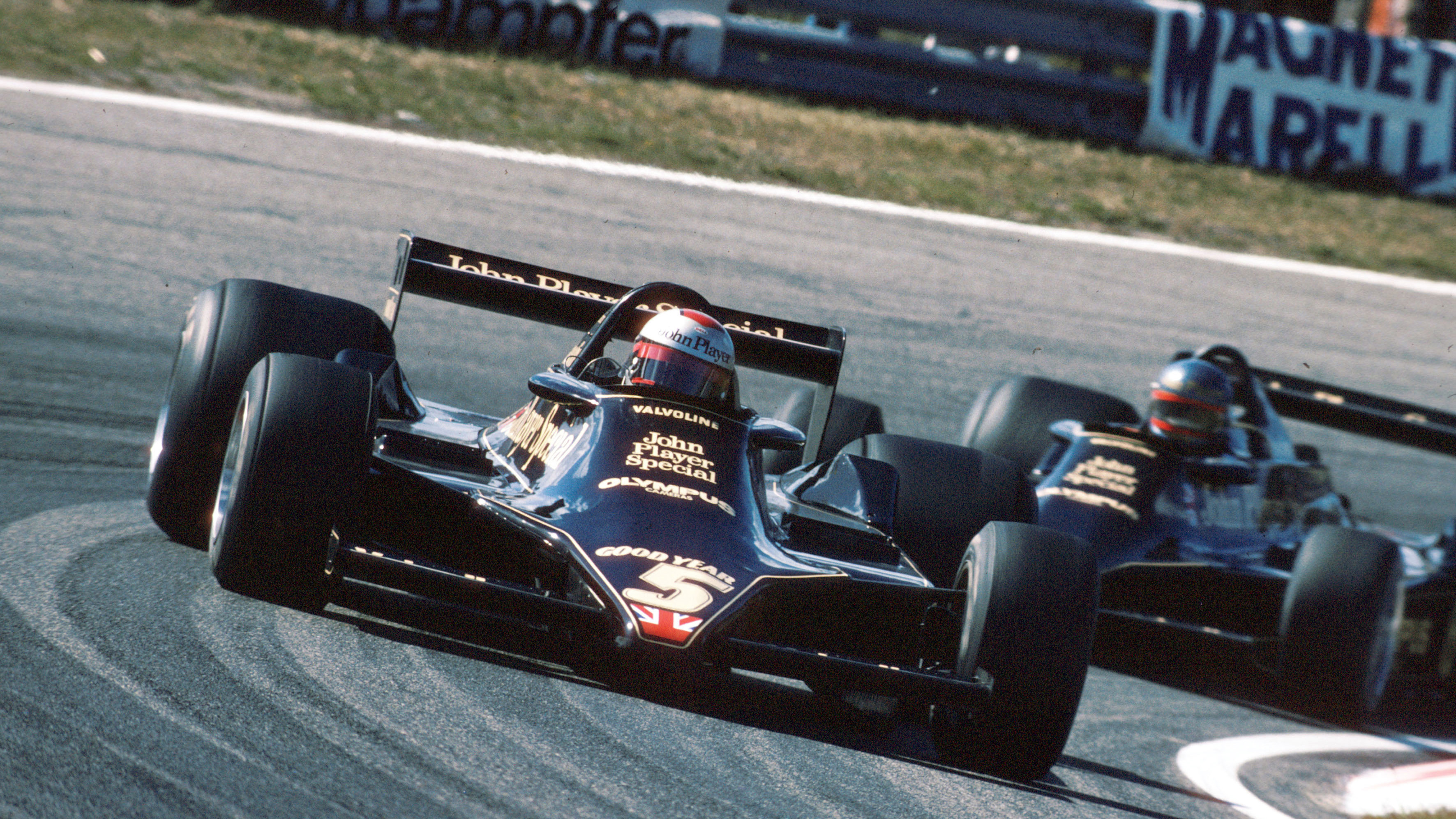
Yet another 1-2 finish came at Zandvoort at the 1978 Dutch Grand Prix. The Lotus pair finished 12 seconds ahead of Ferrari's Niki Lauda in third.
Image credit: Getty ImagesA downbeat title
Andretti led Peterson to another 1-2 at Zandvoort, despite a cracked exhaust. And then came Monza, and the first-corner accident that left Peterson trapped in his car with badly broken legs. When Andretti followed Gilles Villeneuve in jumping the restart, a one-minute penalty robbed him of victory — but without Peterson on the grid the title was his anyway. After everything, he’d clinched it in anticlimax. Celebrations were inevitably muted.
How Peterson succumbed to an embolism that set in during the night remains among F1’s most heartbreaking tragedies. After such success delivered as a collective at Lotus via a triumph of engineering, this was devastating. “Unfortunately, motor racing is also this,” was Andretti’s precise and poignant summary.
Firm friends
Over the years, Andretti has rightly been able to enjoy his cherished world title, without compromising respect or affection for his lost friend. So, over one lap, was Peterson faster? Well, it’s probably true that no one was faster in the 1970, but World Championships are built on more than outright speed. Andretti had played a key role in galvanising the engineering talent Chapman attracted to Lotus, put in the testing and development miles that refined the 79 into what it became, and also drove beautifully through most of the season.
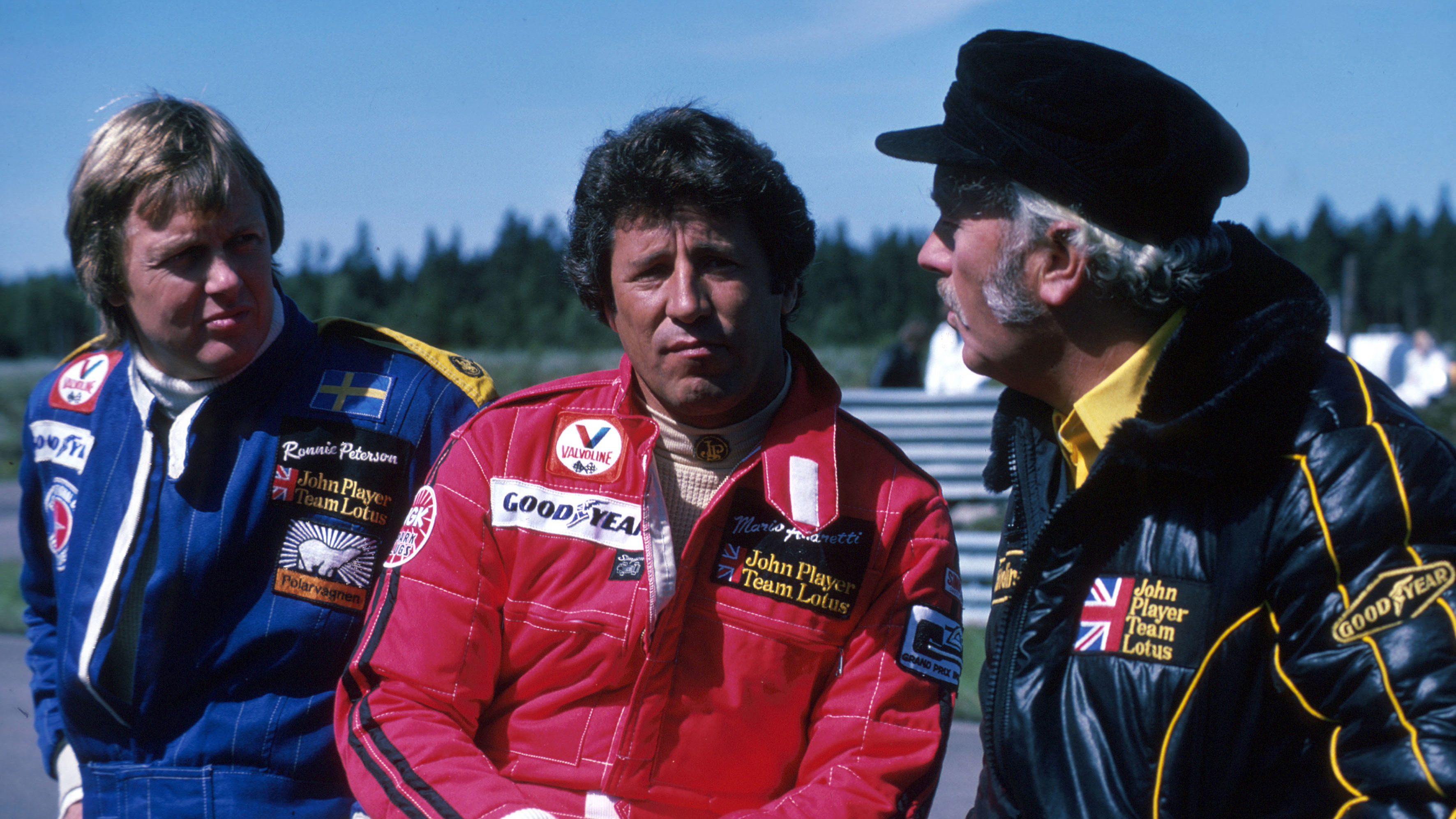
Last word to Chapman, who provided what should be the definitive view on the old conspiracy theory about Andretti vs. Peterson: “In the second half of 1978, there were those who said that Andretti was winning races only because Peterson was allowing him to do so, which did a disservice to both men,” he wrote in his introduction to Andretti’s World Champion book.
“Ronnie was a very great racing driver, one of the best I’ve seen, but he owed a lot to Mario, and he knew it. Mario’s efforts made the Lotus 79 the car it was, and Ronnie benefitted from that. He was a very honourable man, and the atmosphere within the team last year was the happiest I can remember. They were firm friends.”
Tickets for the Festival of Speed are on sale. Saturday and four-day passes are now sold out and Friday tickets are limited. If you’re not already part of the GRRC, joining the Fellowship means you can save ten per cent on your 2026 tickets and grandstand passes, as well as enjoy a whole host of other on-event perks.
Main image courtesy of Getty Images.
formula 1
f1
festival of speed
fos
fos 2026
The Rivals
mario andretti
Ronnie Peterson
Lotus
americana celebration

Subscribe to Goodwood Road & Racing
Thank you, you’re now subscribed

How many hay bales are used at FOS?
For the last two years, 5,800 bales have been recylced into the biomass energy centre to be used for energy generation