

The name behind the race: Achille Varzi
Every era of motorsport has its greats, and before World War II it was the Italian Tazio Nuvolari who stood out among his contemporaries. But he was very much kept honest by his fellow countryman, Achille Varzi.
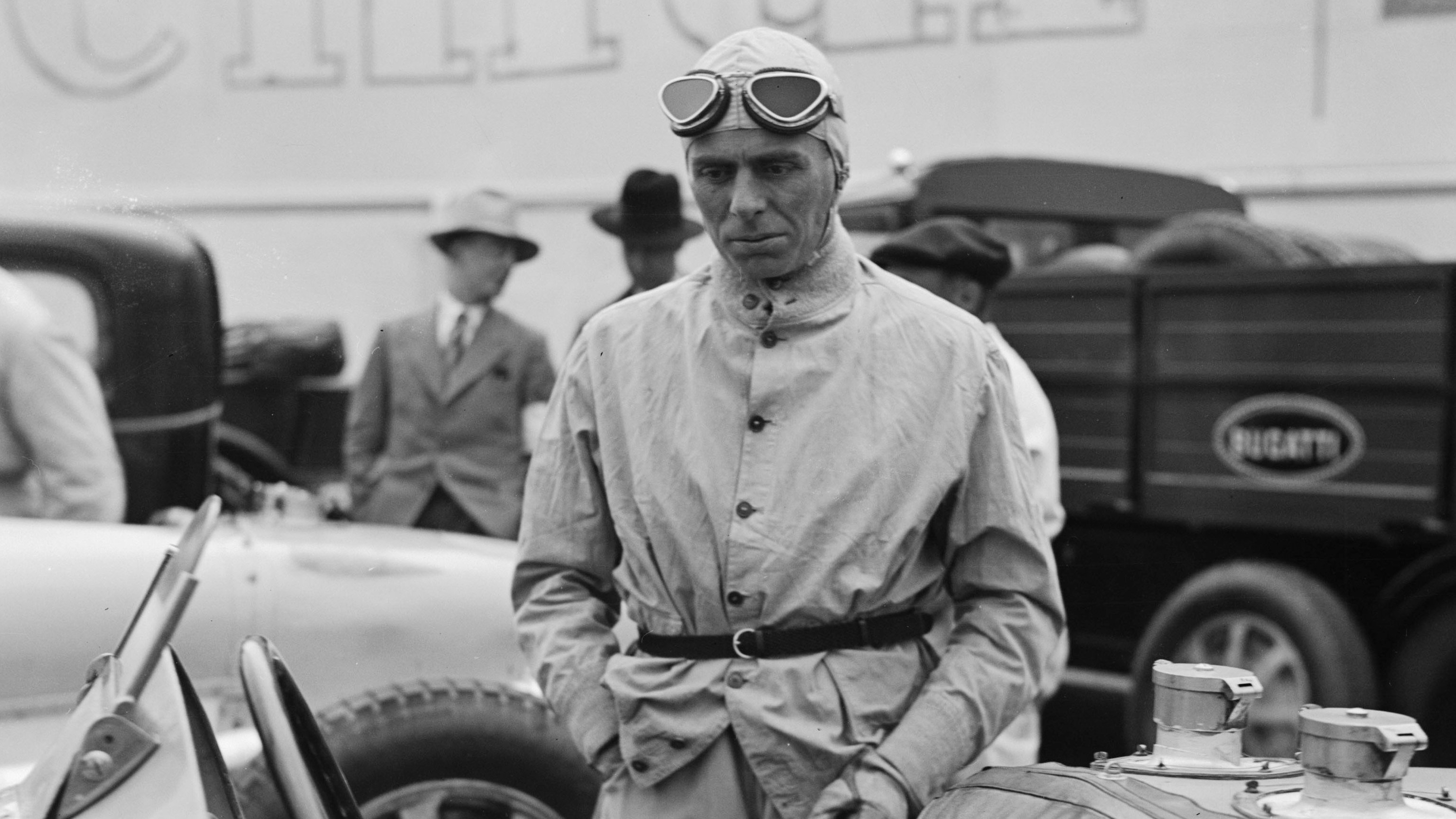
Nuvolari considered him the man to beat and, while they had quite different driving characteristics both on and off the track, it would be inaccurate to describe it as a bitter rivalry.
Speaking about Nuvolari, Varzi was on record saying: “So many incredible stories have been printed about the so-called personal rivalry between me and Tazio. Nothing could be more untrue, more absurd, more spiteful. Something exists between us, which might seem almost paradoxical, but which can be called blithely friendship, mutual respect.”
Like Nuvolari, Varzi first honed his skills in motorcycle racing before making the move to cars, but they rarely encountered each other on two wheels. Nuvolari, for instance, considered the Isle of Man’s Mountain course too long for an outsider to learn, while Varzi — 12 years younger — raced there on seven occasions, his best result being fifth place.
Of the 33 races that Varzi won during his car racing career, perhaps the most famous was the 1933 Monaco Grand Prix. He was aboard a Bugatti T51 while Nuvolari had an Alfa Romeo at his disposal. They battled closely for 90 miles and the win could have gone to either man, but it was Varzi who claimed the victory after Nuvolari’s Alfa Romeo caught fire having been over-driven.
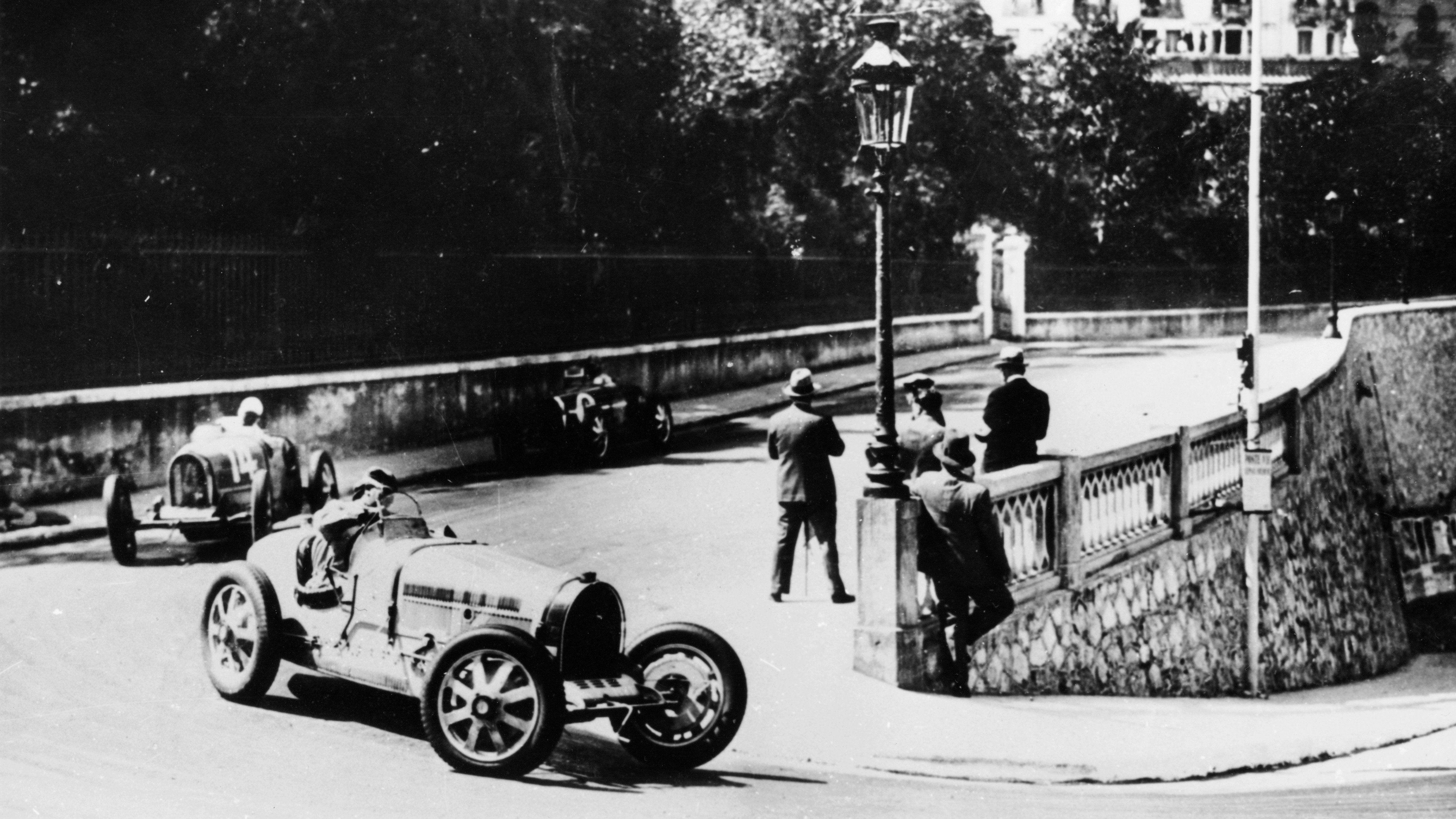
Achille Varzi in the Bugatti T51 leads Tazio Nuvolari's Alfa Romeo Monza at the 1933 Monaco Grand Prix.
Image credit: Getty ImagesVarzi also has the distinction of winning the first ever Formula 1 Grand Prix, which was held in Turin in 1946 before the World Championship was formalised to begin in 1950.
In the late 1920s, the rivals united to co-create a racing team and Nuvolari bought four Bugattis to compete with. The enterprise didn’t succeed, though, with the cars being patched up and made good with components shared between them. Varzi used family money (his father was a successful textile merchant) to buy an Alfa Romeo and, by 1930, moved to Maserati and became the Italian Champion for the first time. It was in 1931 that Varzi moved to Bugatti, and by 1934 he had joined Scuderia Ferrari and started adding significantly to his tally of race wins.
When Germany’s Silver Arrows became the dominant force, Varzi made the move to Auto Union. The seat could just as easily have gone to Nuvolari, and there’s speculation around how the Germans made their decision as to which driver to sign. It could have been Hans Stuck who made the call, or it could have been that Benito Mussolini insisted that Nuvolari drove an Italian car in the pre-war era of nationalism. Whatever the case, it was Varzi who drove for the German team and he won on his debut at the Tunis Grand Prix.
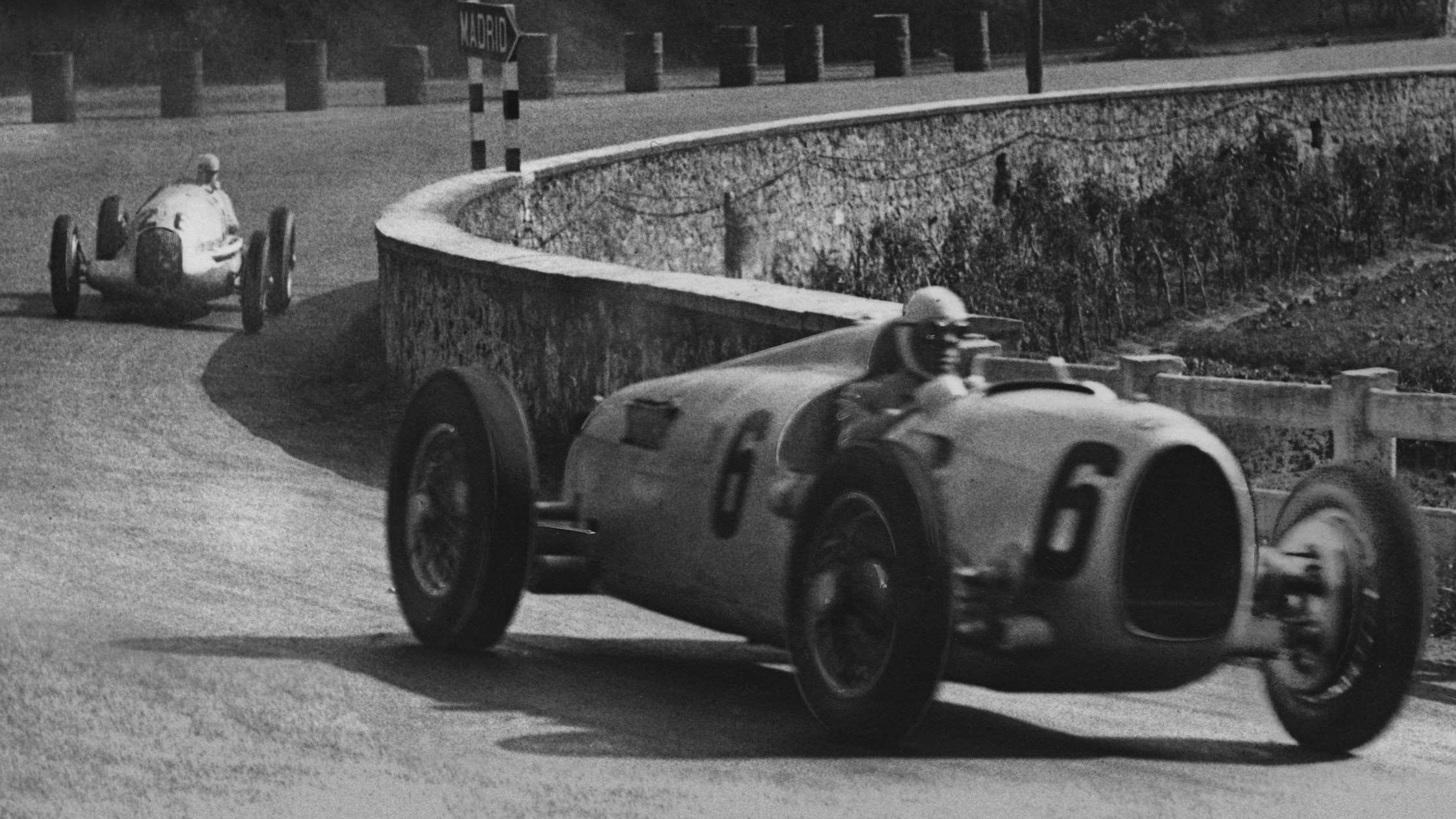
Varzi, driving an Auto Union Type B, leads the 1935 Spanish Grand Prix. After sustaining cuts to his face when a stone smashed the windscreen, Varzi handed the car over to Paul Pietsch, but the pair ultimately retired from the race with gearbox issues.
Image credit: Getty ImagesIn 1936, Varzi’s precise and measured character changed. He reacted badly to team orders, even though they were in his favour, and began to behave erratically and have unexplained absences. His talent bought him time and second chances, but at the Masaryk Grand Prix in Czechoslovakia he arrived with an unexplained injury to his hand, drove slowly and asked to be excused.
He was also believed to be addicted to morphine, which in those days was regularly prescribed. It was his last chance, and many believed him to be lost to the sport.
He made his comeback after World War II and resumed his rivalry with Nuvolari, but by then the latter was suffering ill health and was off the pace. Varzi, meanwhile, was briefly a mentor for Juan Manuel Fangio, but that was cut short by a fatal accident during practice for the 1948 Swiss Grand Prix.
In the wake of Varzi’s death, the FIA mandated crash helmets as compulsory where previously they had been optional. It was one of the first instances of the sport’s governing body acting to improve safety. It’s not certain whether primitive head protection of the time would have saved Varzi’s life, however.
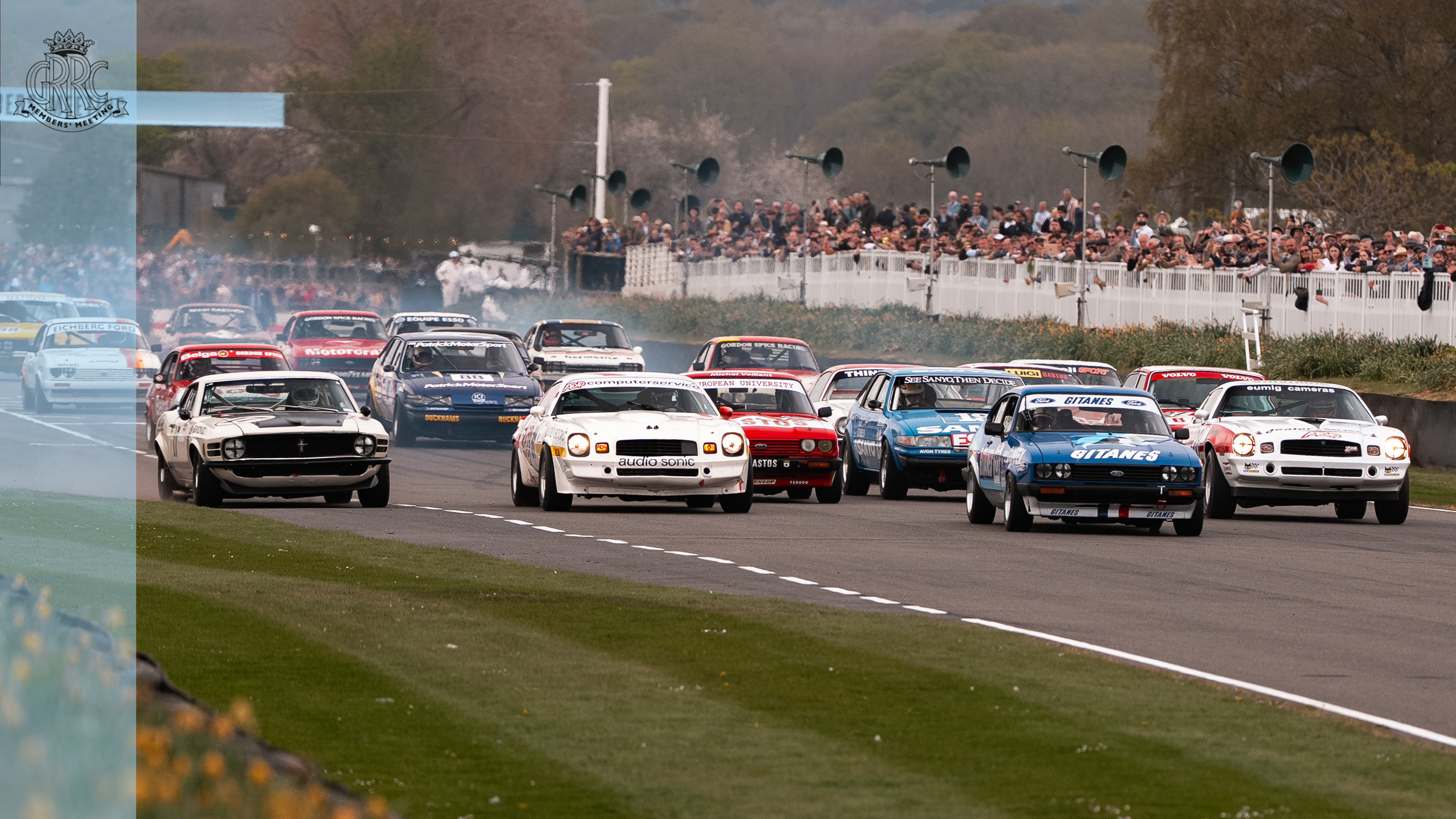
It was in the 1920 and ’30s that Varzi cemented his reputation as one of the all-time great drivers, and it’s that era that we will celebrate at the 83rd Members’ Meeting presented by Audrain Motorsport. Grand Prix and Voiturette cars of that era will do battle for the third running of the Varzi Trophy.
The 83rd Members’ Meeting presented by Audrain Motorsport takes place on the 18th & 19th April 2026. Tickets are on sale now for GRRC Members and Fellows.
You can sign up for the Fellowship now. Click here to find out more.
Main image courtesy of Getty Images.
members' meeting
varzi trophy
varzi trophy info
Achille Varzi

Subscribe to Goodwood Road & Racing
Thank you, you’re now subscribed

How many hay bales are used at FOS?
For the last two years, 5,800 bales have been recylced into the biomass energy centre to be used for energy generation