

How the 6CM turned around Maserati’s fortunes
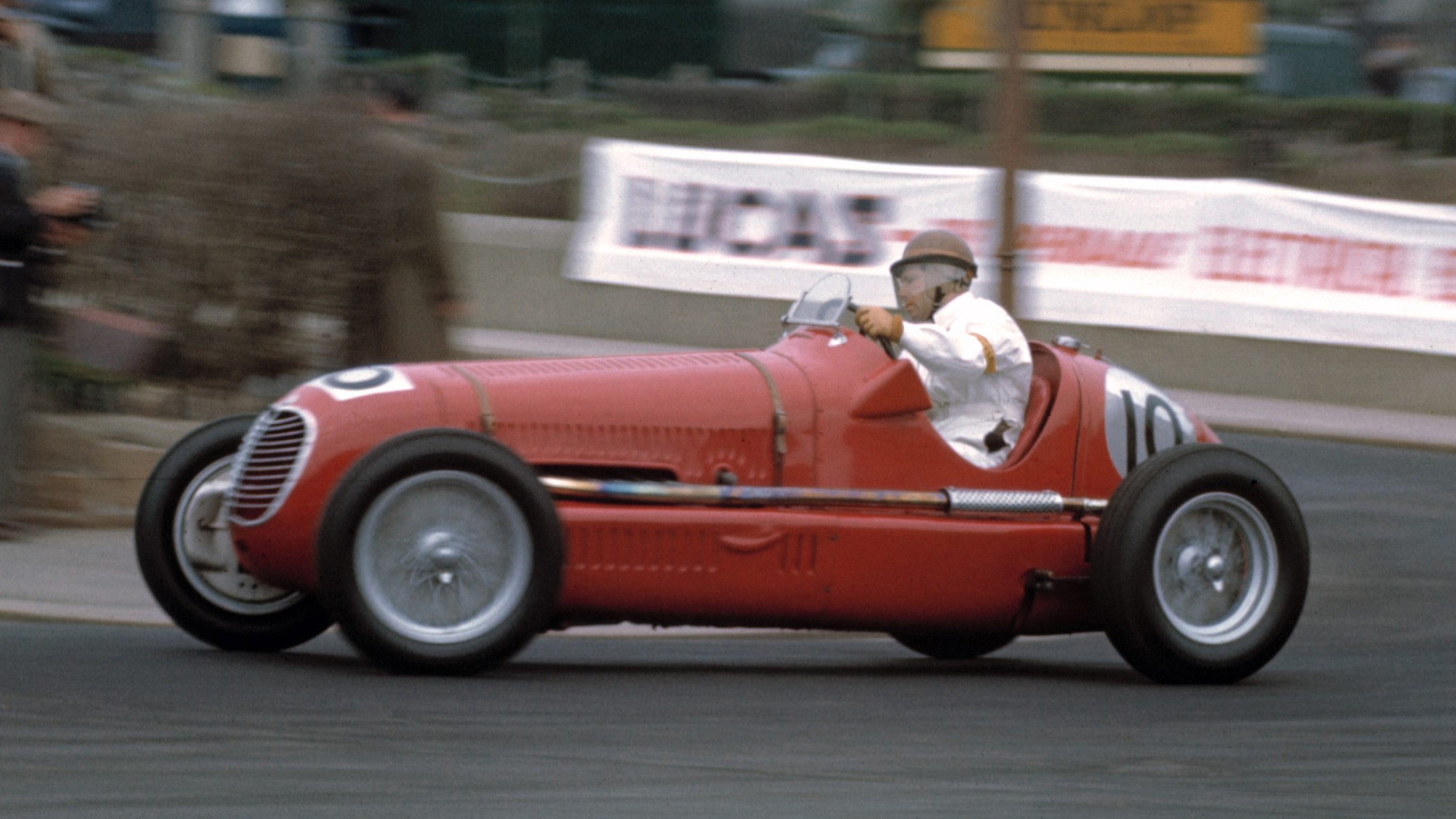
With three consecutive victories at the Targa Florio in the 1930s, the Maserati 6CM is the most successful car in the event’s history and one of the most significant in Maserati’s motorsport legacy.
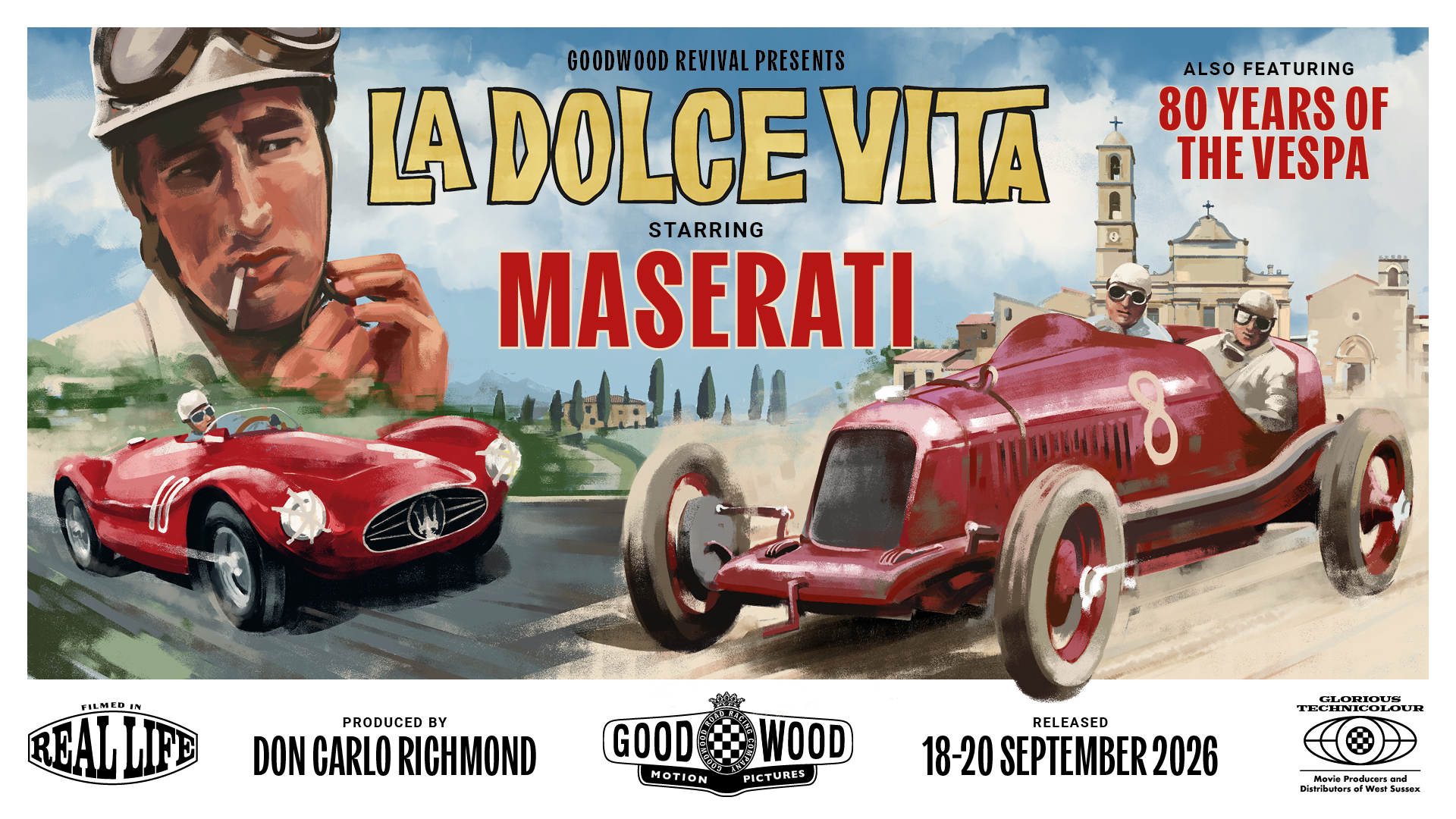
The history of the Italian marque is intrinsically tied with the Targa Florio as it achieved its first win there in 1926 with Alfieri Maserati at the wheel — a centenary we’ll be celebrating at this year’s Goodwood Revival.
Between the World Wars, the Maserati brothers’ eponymous car company was a David amongst Goliaths. The company was founded in 1914 and had made its name on the international stage over the next decade and a half.
However, success at the top level of international motorsport depended heavily on generous funding, and fellow Italians Alfa Romeo simply had more money than Maserati. Worse news came from elsewhere, as competition from Germany was also becoming tougher with the state funding of both Mercedes-Benz and Auto Union. But Bindo, Ettore and Ernesto Maserati had a plan.
The brothers made the strategic decision to contest the voiturette class. This lower rung of Grand Prix racing still rewarded innovative thinking, so they had the potential to make their mark for a more modest budget. Ettore Maserati was responsible for the design. They first introduced the 4CM (the name reflecting the number of cylinders and Corsa Monoposto), which was followed up by the 6CM in 1936.
Maserati’s primary competition in the voiturette category came from Raymond Mays’ English Racing Automobiles. By comparison to the upright looking cars from the UK, the 6CM’s more elegant curves looked slick, a theme that continued to evolve throughout the subsequent years. With 27 examples built, the 6CM was Maserati’s most prolific pre-war model. Remember, this was a time before the trident ever appeared on a road car.
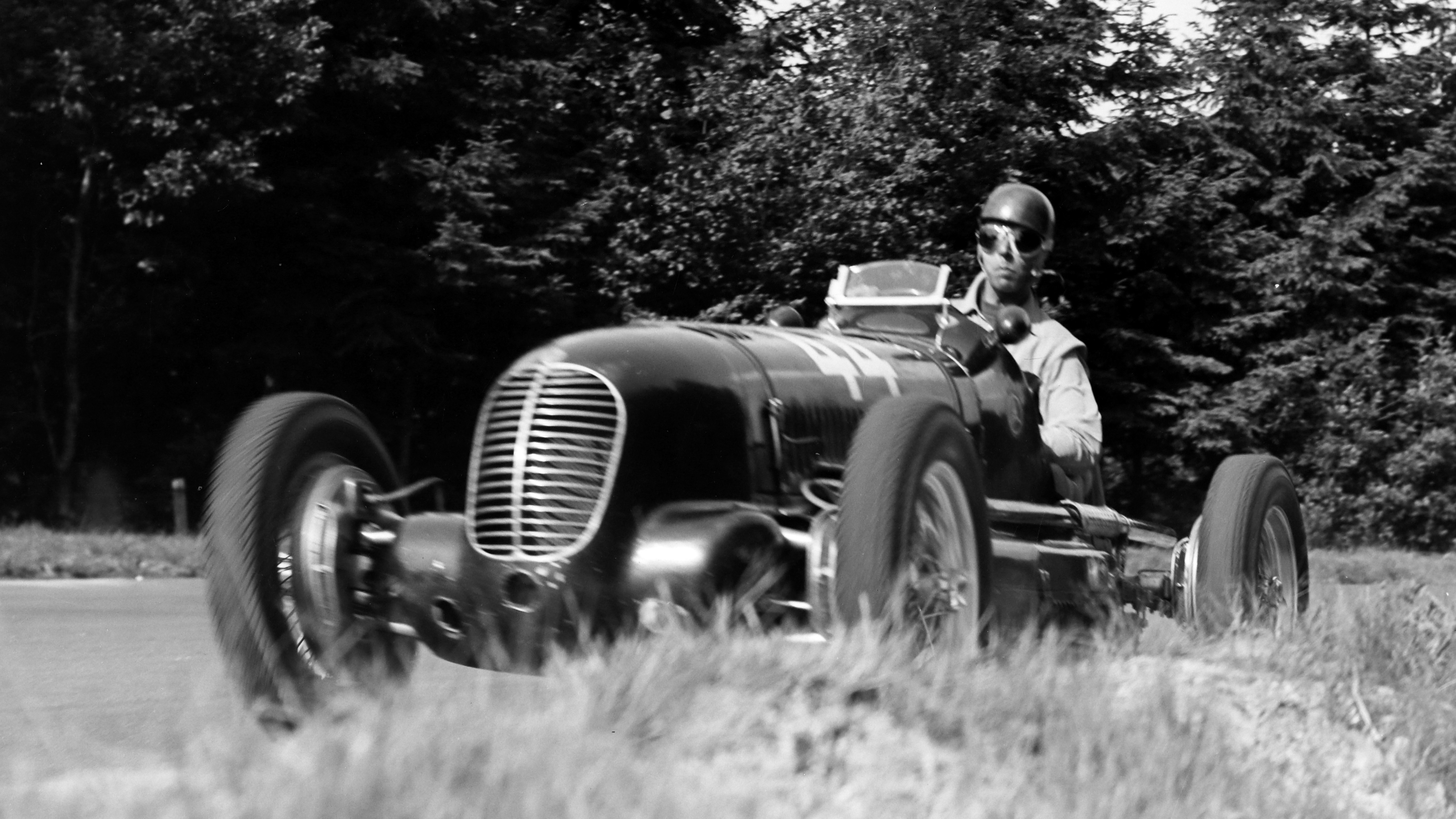
Beneath the hand-formed bodywork, the 6CM had a relatively conventional ladderframe chassis. The 1,493cc inline six-cylinder engine was located lower than previous Maseratis for improved agility, and with a Roots-type supercharger and Weber carburettors it was good for 157PS (115kW). The double overhead camshaft design had its block and cylinder head made as a single casting. As the engine was developed, its output rose to 177PS (130kW) by the end of the 6CM’s life. With its four-speed gearbox that equated to a top speed of 140mph.
The innovation came in the suspension set-up. Up front, it had an independent Torsion set-up borrowed from the Maserati V8RI, and there was a live axle at the rear. The key element to the design, however, was its adjustability, so it could be set up for specific venues.
The 6CM found favour with privateer entrants as well as the works team, which accounts for its relatively significant production run. It made its debut at the 1936 Monaco Grand Prix in the hands of Maserati chairman (and significant investor) Gino Rovere, but sadly retired.
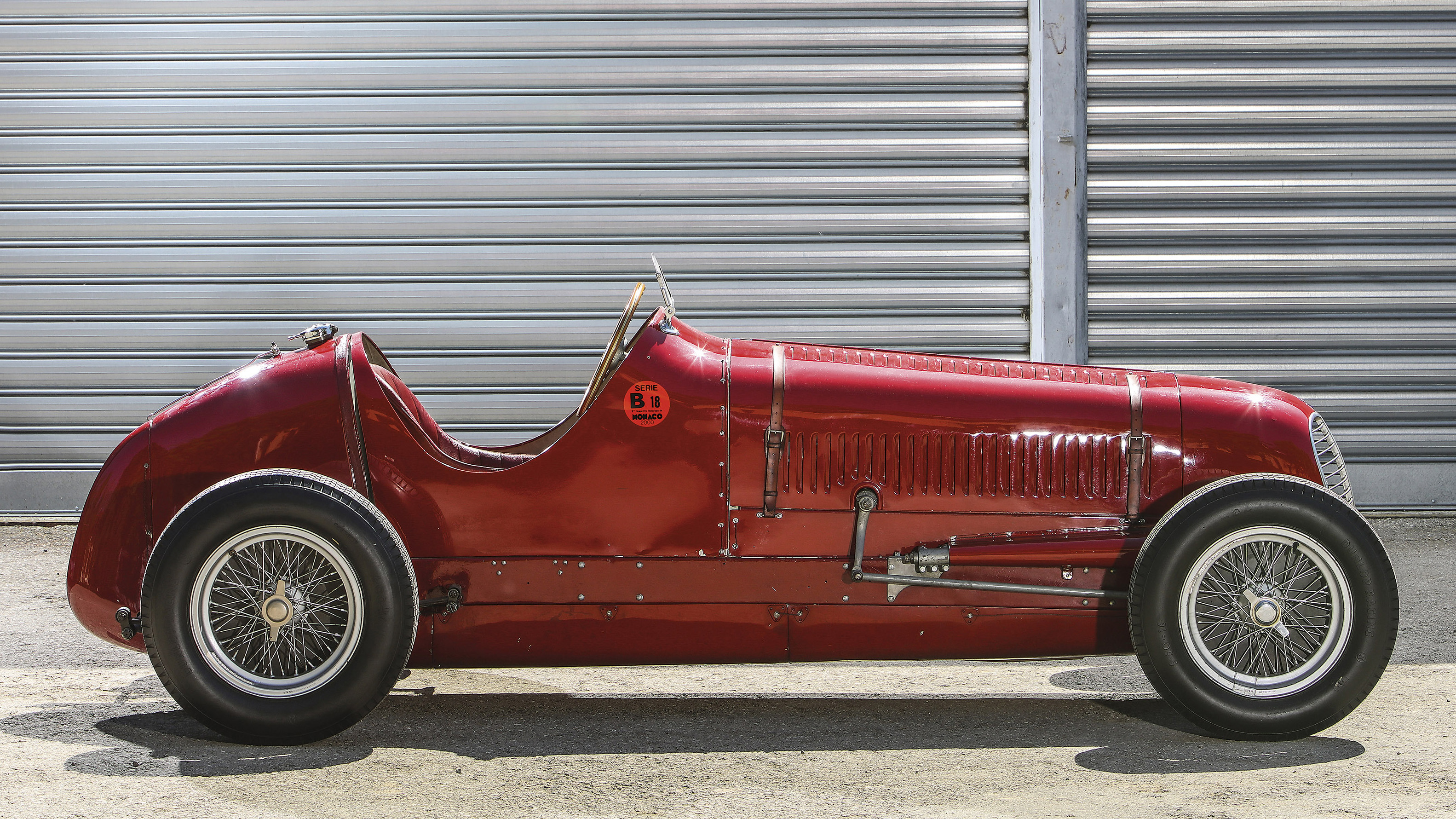
Still, that didn’t prove portentous as the car went on the claim wins at venues around the world. Count Felice ‘Didi’ Trossi, who raced chassis 1532, won four out of the five races he entered with a 6CM, while Harry Schnell claimed victories at Monaco and here at Goodwood.
Success at the Targa Florio cemented the 6CM’s legacy. Giulio Severi won in 1937, followed by Giovanni Rocco and Luigi Villoresi in 1938 and 1939 respectively. By then, the Maserati 6CM had asserted its dominance over the ERA voiturette cars.
The 6CM put the Bologna-based operation on the map, not merely as a significant step in Maserati’s pre-war history, but also as one of the most important pre-war racing cars. When World War II came to an end and racing resumed, those 27 6CMs were dusted off, and continued (for a time) their race-winning form. You could argue that without the 6CM, Maserati may not exist today.
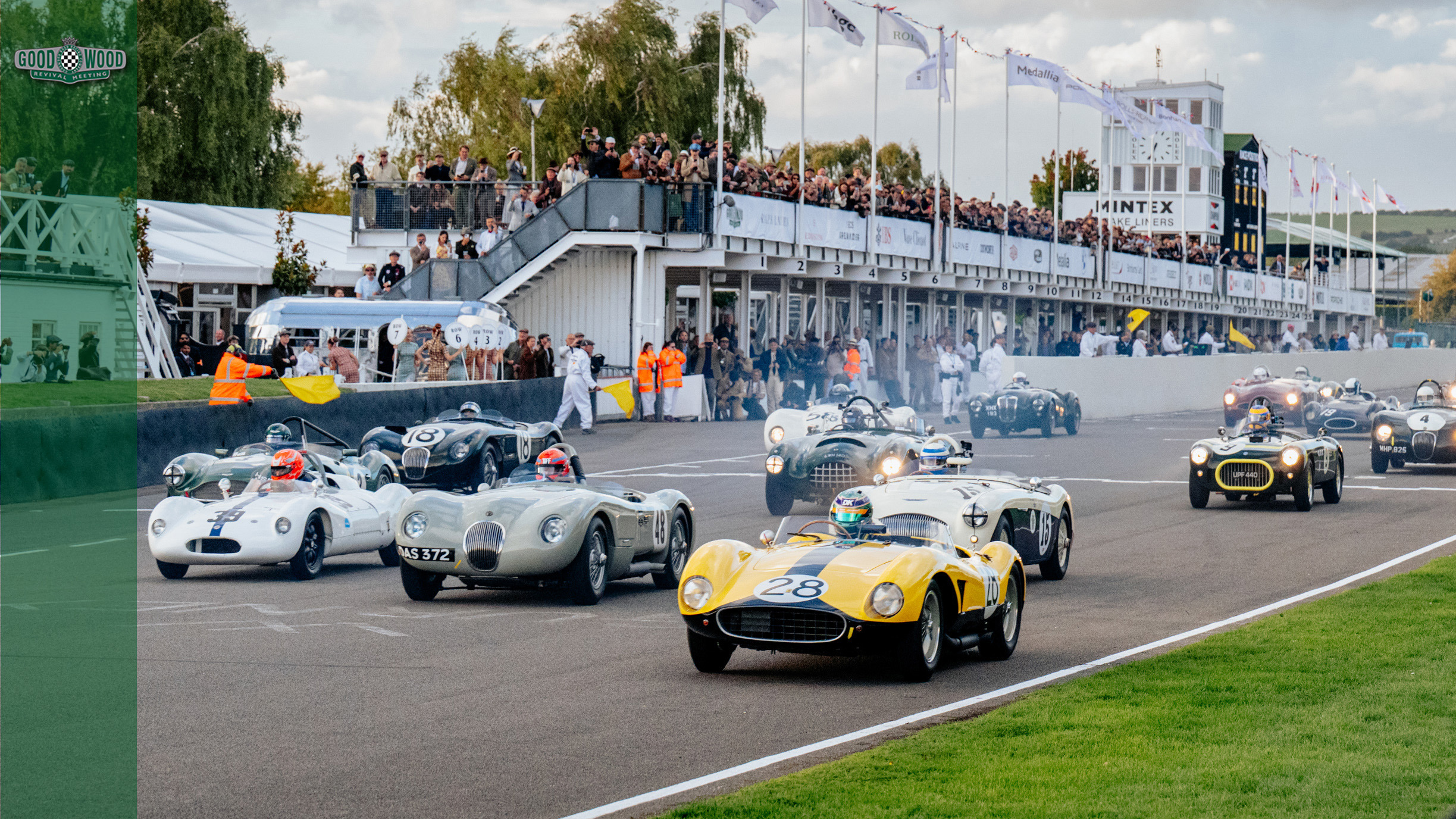
Tickets for the 2026 Goodwood Revival are now on sale. If you’re not already part of the GRRC, you can sign up to the Fellowship today and save ten per cent on your 2026 tickets and grandstand passes, as well as enjoying a whole host of other on-event perks.
Main image courtesy of Getty Images.
revival
revival 2026
event coverage
maserati
6CM
Maserati Celebration

Subscribe to Goodwood Road & Racing
Thank you, you’re now subscribed

How many hay bales are used at FOS?
For the last two years, 5,800 bales have been recylced into the biomass energy centre to be used for energy generation