

American Choppers are where art and engineering meet
If your arms ache just looking at the riding position of a chopper, it’s probably not for you. They are all about the way they look going down the road. Rider comfort comes a distant second, just slightly ahead of handling prowess.
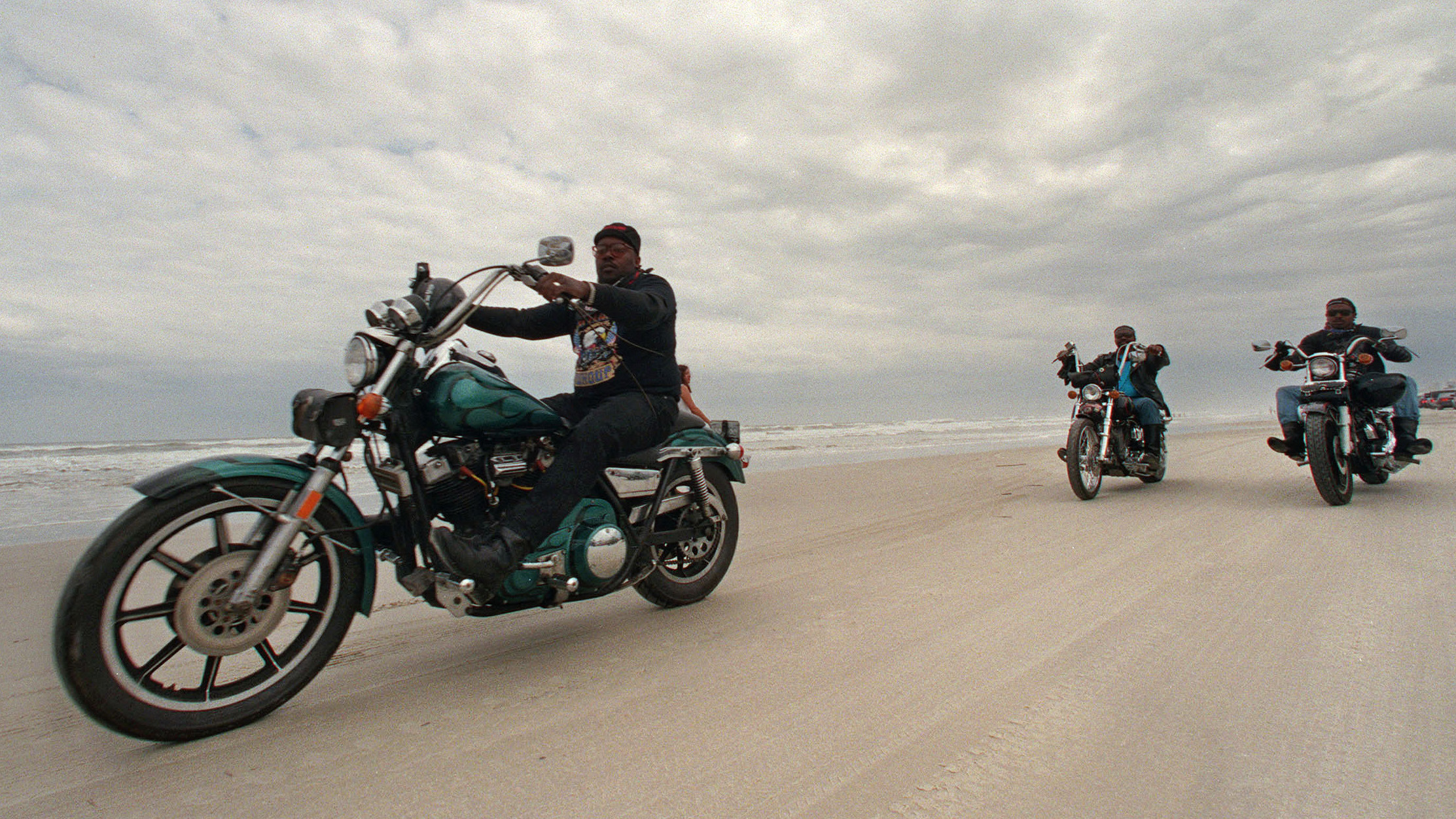
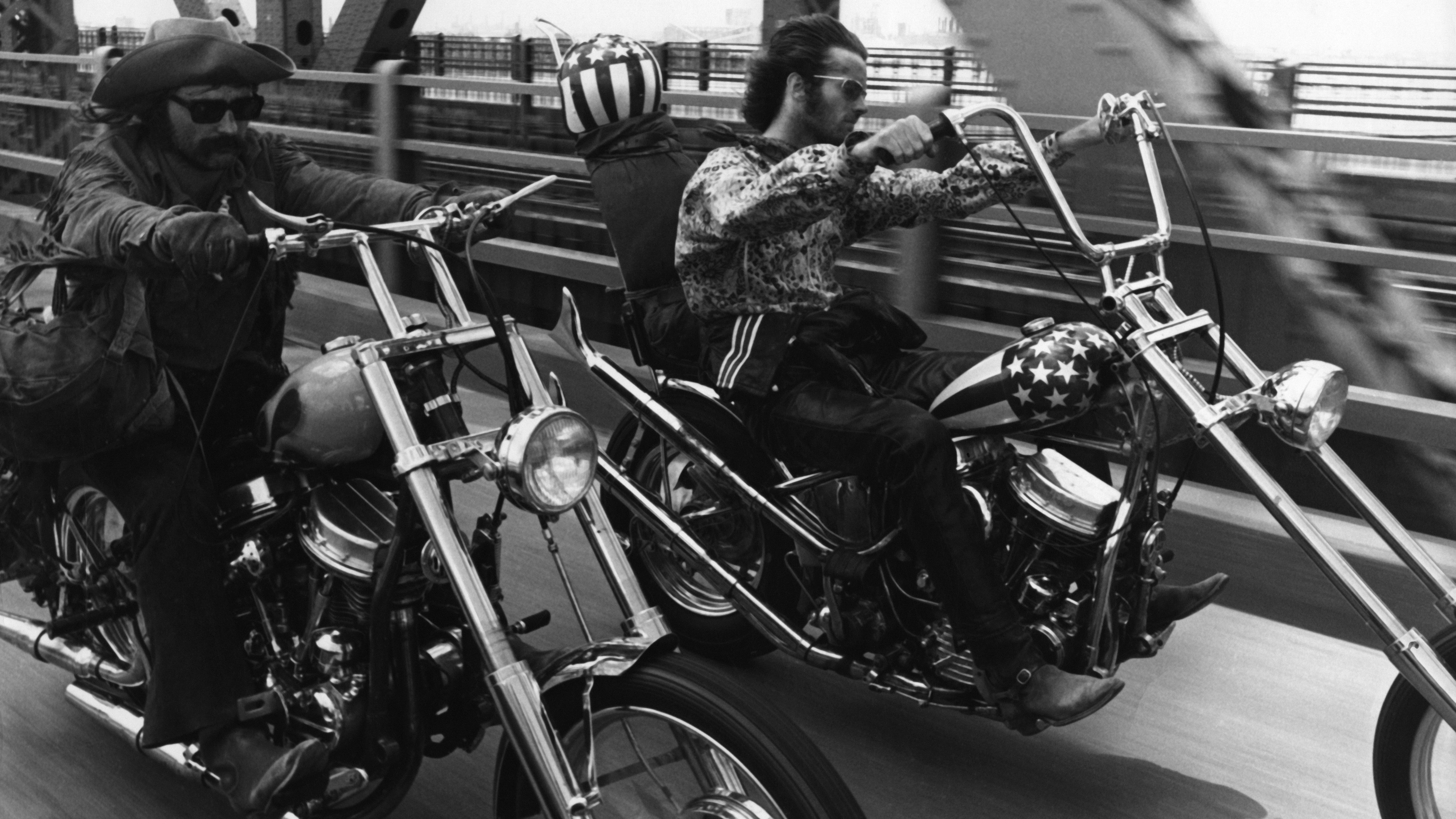
In fact, ‘ape hanger’ handlebars are just one of many different styling cues included within the chopper genre. Shorter ‘drag’ handlebars are an option, while lengthened frames, larger-than-standard front wheels and extended front forks are among the many other signatures that mark out this most remarkable strain of two-wheeler.
The etymology of the term ‘chopper’ comes from the fact that the earliest examples were modifications to existing motorcycles, but they can be built from scratch. In other words, there’s great creative freedom, an echo of the American spirit of the era. They also very often deleted the rear suspension, making for an unforgiving ride.
These machines originated in California towards the end of the 1950s but really caught on over the following two decades. Choppers were an evolution of post-war bobbers, another kind of DIY motorcycle modification. Typically, returning USA servicemen would buy cheap ex-police or military Harley-Davidsons and lighten them for improved performance by replacing or altogether removing heavy components.
While bobbers were focused on improved performance, chopper builders were more concerned with achieving a certain appearance. This development makes all the more sense as OEM motorcycles began to outperform older modified machines as the 1960s progressed.
As the genre took root several workshops opened, building their own take on the chopper theme. Arlen Ness was a well-known builder, his Harley-Davidson-derived builds having a long, low style. He tended to retain the rear suspension for a less compromised ride, while Denver’s Choppers was another prolific builder.
The 1969 film Easy Rider gave choppers their most famous cultural recognition. Benjamin F Hardy built the two Harley-Davidson choppers, Captain America and Billy Bike, that starred in the film.
Throughout the 1970s, the popularity of choppers grew worldwide in no small part thanks to the promotional boost from the big screen. Even OEM manufacturers started implementing some chopper-inspired character into their showroom offerings.
In the following decade, custom shops proliferated in markets on both sides of the Atlantic. In the UK, greater availability of Japanese and British motorcycles meant that choppers here tended to use those engines rather than Harley-Davidson units. Honda’s 750cc engine was particularly popular.
In the chopper’s USA homeland, ever increasing numbers of off-the-shelf components became available. Small fuel tanks, long forks and chromed parts were all there for the taking for home-brewed choppers. So-called ‘sissy bars’ also became popular, the non-politically correct term being applied to the backrest to prevent pillions falling onto the road.
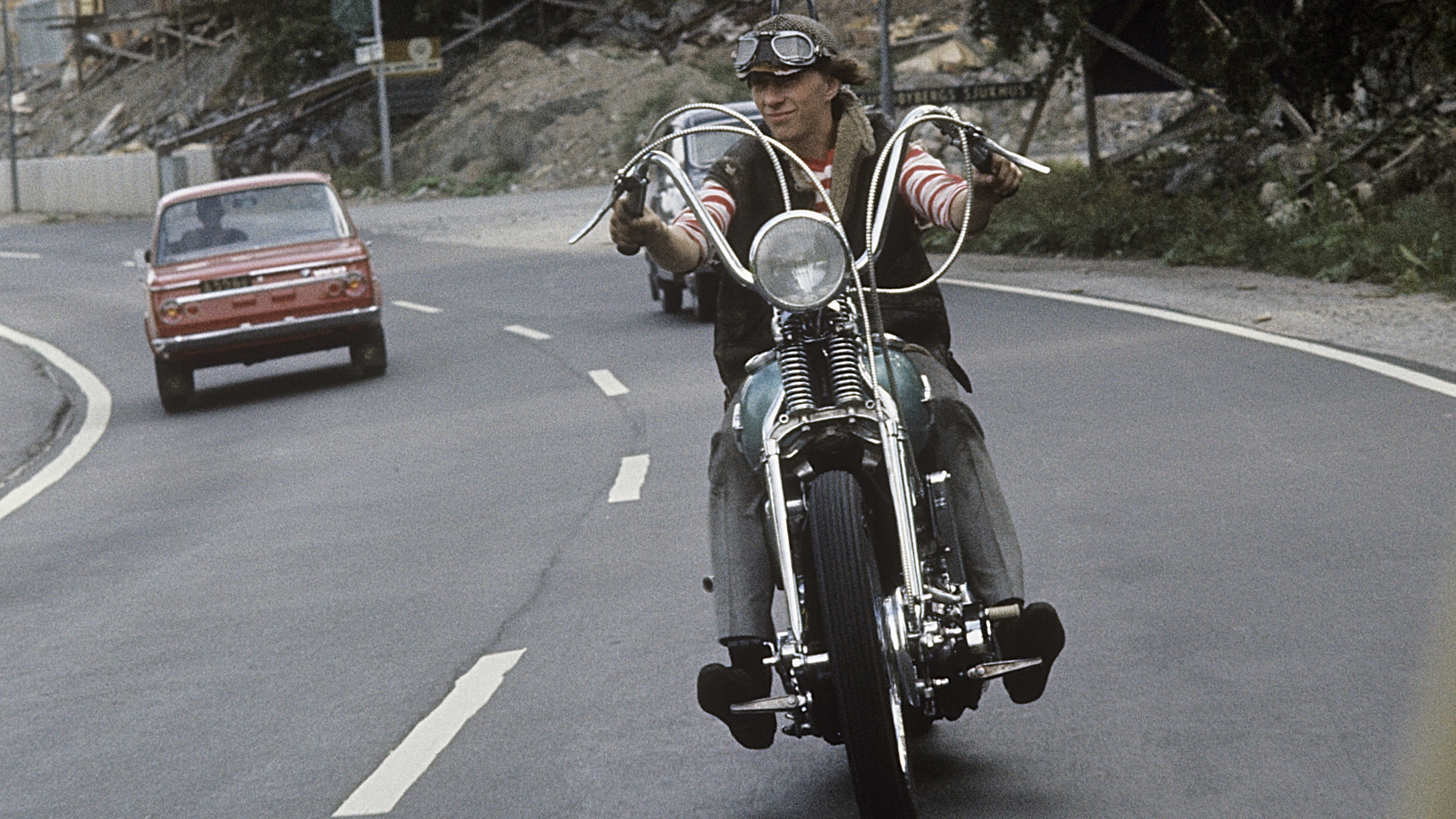
Sophistication increased, too, with improvements in geometry and handling coming in later years. These things are relative, however; the length between the wheels never fully allows true nimbleness, cumbersome cornering was an accepted part of the package. High-speed stability was inherently good, though, making choppers well suited to the freeway.
During this century, choppers have remained popular with publicity provided by a number of television programmes dedicated to the subject. The best known is American Chopper, the series that followed the work of Orange County Choppers for six years from 2003 onwards. It has helped to keep this sub-genre of biking in the public psyche with new builds re-interpreting the theme every year.
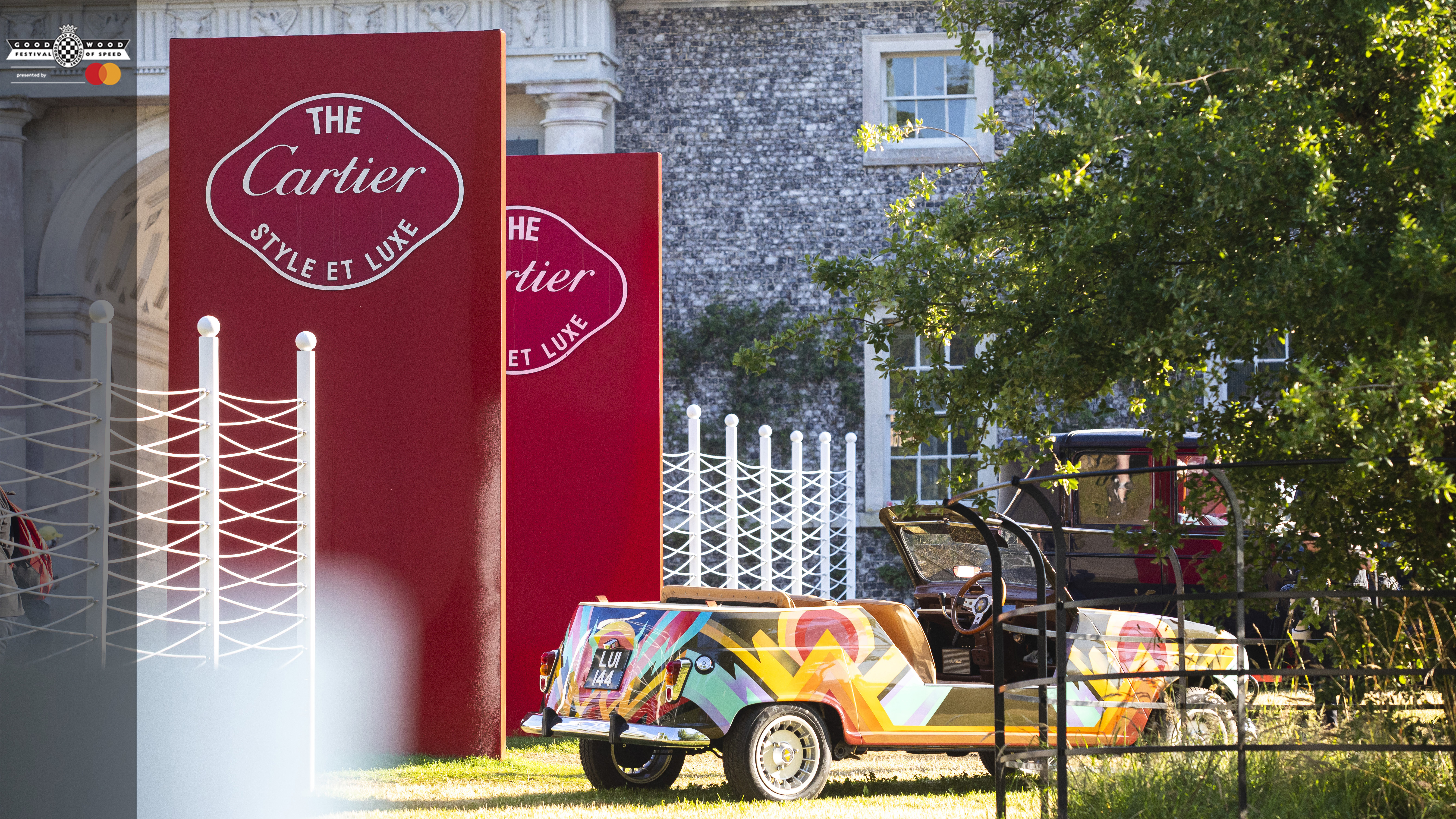
Engineering, art and self-expression come together in every chopper build, and we’ll be celebrating the theme with a dedicated class in the Cartier Style et Luxe at this year’s Goodwood Festival of Speed presented by Mastercard.
Tickets for the Festival of Speed are limited. Friday, Saturday and four-day passes are now sold out and Thursday tickets are selling fast. If you’re not already part of the GRRC, joining the Fellowship means you can save ten per cent on your 2026 tickets and grandstand passes, as well as enjoy a whole host of other on-event perks.
Images courtesy of Getty Images.
festival of speed
fos
fos 2026
event coverage
cartier style et luxe
Subscribe to Goodwood Road & Racing
Thank you, you’re now subscribed

How many hay bales are used at FOS?
For the last two years, 5,800 bales have been recylced into the biomass energy centre to be used for energy generation